
A Dynasty Forged in Green
The Boston Celtics stand as one of the most storied and historically significant franchises in all of professional sports. More than just a basketball team, they are a cultural institution, deeply woven into the fabric of Boston, Massachusetts. Their legacy is not merely measured in wins and losses, but in the shimmering championship rings that adorn the fingers of their legends, each representing a triumph that echoes through generations of fans. For those captivated by the rich tapestry of sports history and the enduring landmarks of athletic achievement, understanding the Celtics’ unparalleled success is essential.

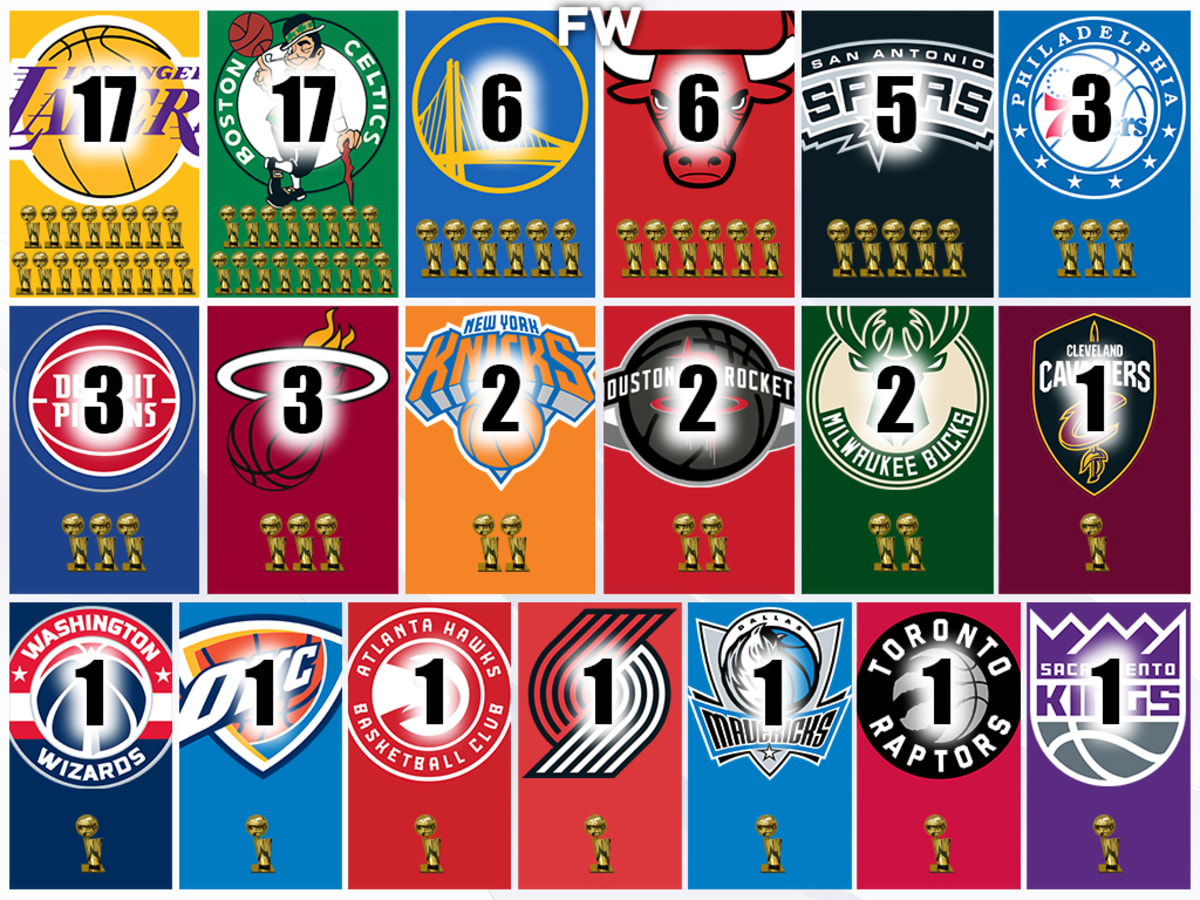
So, how many rings does this legendary franchise possess? The Boston Celtics proudly hold 18 NBA championship titles, making them the most successful team in the history of the league. This remarkable tally is a testament to eras of dominance, iconic players, brilliant coaching, and an unwavering commitment to excellence that has defined the franchise since its inception. From their inaugural title in 1957 to their most recent triumph, each championship banner hoisted in the rafters of the TD Garden tells a story of perseverance, teamwork, and the relentless pursuit of greatness.
The Early Dominance: The Russell Era
The foundation of the Boston Celtics’ dynasty was laid in an era of unprecedented success, spearheaded by visionary leadership and a revolutionary talent. This period established the franchise as a benchmark for excellence, creating a legend that continues to inspire.
The Architect of Success: Red Auerbach
At the heart of the Celtics’ early dominance was Red Auerbach, the legendary coach and general manager. Auerbach possessed an unparalleled eye for talent, a strategic mind that foresaw the future of basketball, and an unyielding will to win. His most pivotal move came in 1956 when he orchestrated a trade for Bill Russell, a defensive powerhouse who would redefine the center position. Auerbach’s philosophy of team play, fast breaks, and relentless defense laid the groundwork for a system that would be virtually unstoppable for over a decade. He built a cohesive unit where individual egos were subsumed by the collective goal, fostering a winning culture that resonated deeply within the team and the city of Boston. His innovative tactics and fierce competitive spirit were instrumental in shaping the most dominant run in professional sports history.
Bill Russell and the Unprecedented Run
With Bill Russell anchoring the defense and an array of Hall of Fame talent surrounding him, the Boston Celtics embarked on an almost mythical stretch of championships. From 1957 to 1969, the team captured an astonishing 11 NBA titles in 13 seasons. This period included an unparalleled eight consecutive championships from 1959 to 1966, a feat that remains unmatched in any major professional sport.
The championship years during the Russell era include:
- 1957: The Celtics’ inaugural championship, a hard-fought seven-game series against the St. Louis Hawks.
- 1959, 1960, 1961, 1962, 1963, 1964, 1965, 1966: The unparalleled run of eight consecutive titles, a testament to the team’s incredible depth, talent, and strategic superiority.
- 1968, 1969: Two more championships in Russell’s final years, with the latter as a player-coach, solidifying his status as perhaps the greatest winner in sports history.
Alongside Russell, iconic players such as the brilliant point guard Bob Cousy, versatile forward John Havlicek, Sam Jones, and K.C. Jones formed the core of this legendary squad. Their teamwork, clutch performances, and unwavering mental toughness created a dynasty that set an impossibly high standard, permanently etching the Celtics’ name into the annals of sports history. The historical significance of this era cannot be overstated, as it established the winning tradition that would define the franchise for decades to come.
The 1970s: Sustained Excellence
Following the retirement of Bill Russell, many predicted a significant decline for the Celtics. However, the franchise’s deep-rooted culture of success and shrewd management ensured that the team remained a formidable force, adding more hardware to their illustrious collection.
Dave Cowens and the Resurgence
The 1970s saw a new generation of Celtics stars emerge, led by the fiery and tenacious center Dave Cowens. Known for his relentless hustle, versatility, and leadership, Cowens embodied the spirit of the Celtics and quickly became the focal point of the team. Alongside stars like John Havlicek, who transitioned from the Russell era to become a primary scorer and leader, and other key contributors such as Jo Jo White and Paul Silas, the team rebuilt itself into a championship contender.
Under the guidance of coach Tom Heinsohn, a former Celtics player from the Russell era, the team recaptured the magic, securing two more NBA championships during this decade:
- 1974: Defeating the powerful Milwaukee Bucks in a thrilling seven-game series, showcasing the grit and determination that would become synonymous with this era. Havlicek’s experience combined with Cowens’ youthful energy proved to be a winning formula.
- 1976: Overcoming the Phoenix Suns in another classic six-game series, which included an epic triple-overtime Game 5 often cited as one of the greatest games in NBA history.
These championships demonstrated the Celtics’ resilience and ability to evolve, proving that their success was not solely dependent on one singular superstar, but rather on a strong organizational philosophy and a commitment to competitive excellence.
The Legendary 1980s: Bird, McHale, Parish
The 1980s ushered in another golden age for the Boston Celtics, characterized by fierce rivalries, unparalleled skill, and a transcendent superstar who captivated the basketball world. This era produced some of the most memorable moments in NBA history and added significantly to the Celtics’ championship count.
The Rivalry and the Triumphs
The center of this new dynasty was Larry Bird, a Hick from French Lick whose all-around brilliance and clutch performances made him one of the greatest players of all time. Drafted in 1978, Bird’s arrival signaled a powerful resurgence. He was joined by two other future Hall of Famers, Kevin McHale, a masterful low-post scorer, and Robert Parish, the durable and imposing center. Together, they formed “The Big Three,” a formidable frontcourt that defined an era.
This period was also legendary for the intense rivalry with the Los Angeles Lakers, led by Magic Johnson. The contrasting styles – Boston’s gritty, fundamentally sound play against L.A.’s flashy “Showtime” offense – made for compelling viewing and elevated the league to new heights. The Celtics engaged in epic battles, securing three more NBA championships:
- 1981: After a period of rebuilding, the Celtics led by a young Bird and a revitalized squad, defeated the Houston Rockets in six games, signaling their return to the top.
- 1984: In a highly anticipated rematch of their iconic 1960s clashes, the Celtics triumphed over the Los Angeles Lakers in a grueling seven-game series, with Bird earning Finals MVP.
- 1986: Considered by many to be one of the greatest teams in NBA history, this Celtics squad dominated the league and defeated the Houston Rockets once again in six games, cementing their place in history.
The 1980s Celtics were a masterclass in execution, teamwork, and competitive spirit. Their hard-nosed approach and the clutch heroics of Larry Bird created a legacy that is celebrated as one of the finest in sports.
The Modern Era: A Return to Glory
After the departure of the 1980s legends, the Celtics endured a period of struggle and rebuilding, a rare dry spell for such a historically rich franchise. However, their commitment to excellence eventually paid off, leading to a glorious return to championship contention in the 21st century.
The Big Three and the 2008 Championship
The early 2000s saw the Celtics led by homegrown talent Paul Pierce, who carried the team through many challenging seasons. In a bold move during the 2007 offseason, the team’s management orchestrated two blockbuster trades, acquiring superstar forward Kevin Garnett and sharpshooting guard Ray Allen. This created a new “Big Three” that instantly transformed the franchise into a championship contender.
The synergy of Pierce’s scoring, Garnett’s defensive intensity and leadership, and Allen’s perimeter shooting proved to be overwhelming for the rest of the league. Under coach Doc Rivers, the team developed a fierce defensive identity and a cohesive offensive attack. In 2008, the Boston Celtics broke their 22-year championship drought, defeating their historic rivals, the Los Angeles Lakers, in six games. This championship, their 17th, brought an emotional wave of relief and pride to Celtics fans worldwide, reaffirming the franchise’s place at the pinnacle of the NBA.
Contending in the 2020s
Following the dissolution of the “Big Three,” the Celtics once again embarked on a strategic rebuild, drafting and developing young talents like Jayson Tatum and Jaylen Brown. These dynamic wings quickly blossomed into perennial All-Stars, forming the core of a new era of Celtics basketball. The team consistently contended, reaching the Eastern Conference Finals multiple times and making an NBA Finals appearance in 2022.
The sustained efforts of the front office to surround their young stars with veteran talent and complementary pieces, along with astute coaching, culminated in another triumphant season. In 2024, the Boston Celtics once again proved their mettle, securing their 18th NBA championship, further solidifying their position as the most decorated franchise in league history. This latest triumph, achieved with a blend of youthful exuberance and seasoned leadership, underscored the enduring legacy of excellence that has defined the Celtics for more than seven decades. Each championship ring adds another brilliant chapter to a story of unparalleled achievement, making the Boston Celtics a true landmark in the landscape of global sports.
LifeOutOfTheBox is a participant in the Amazon Services LLC Associates Program, an affiliate advertising program designed to provide a means for sites to earn advertising fees by advertising and linking to Amazon.com. Amazon, the Amazon logo, AmazonSupply, and the AmazonSupply logo are trademarks of Amazon.com, Inc. or its affiliates. As an Amazon Associate we earn affiliate commissions from qualifying purchases.