
Navigating from Boston Logan International Airport (BOS) to Downtown Boston is a common task for countless travelers. As one of the busiest airports in the United States, Logan offers a diverse array of transportation options, each with its own advantages in terms of cost, speed, convenience, and directness. Choosing the best method depends largely on your budget, time constraints, amount of luggage, and final destination within the city. This comprehensive guide breaks down all viable transportation routes, providing insights to help you make an informed decision for a seamless arrival in Boston.
Public Transportation: Economical and Efficient
Boston’s public transportation system, managed by the Massachusetts Bay Transportation Authority (MBTA), offers several cost-effective and relatively efficient ways to reach downtown from the airport.
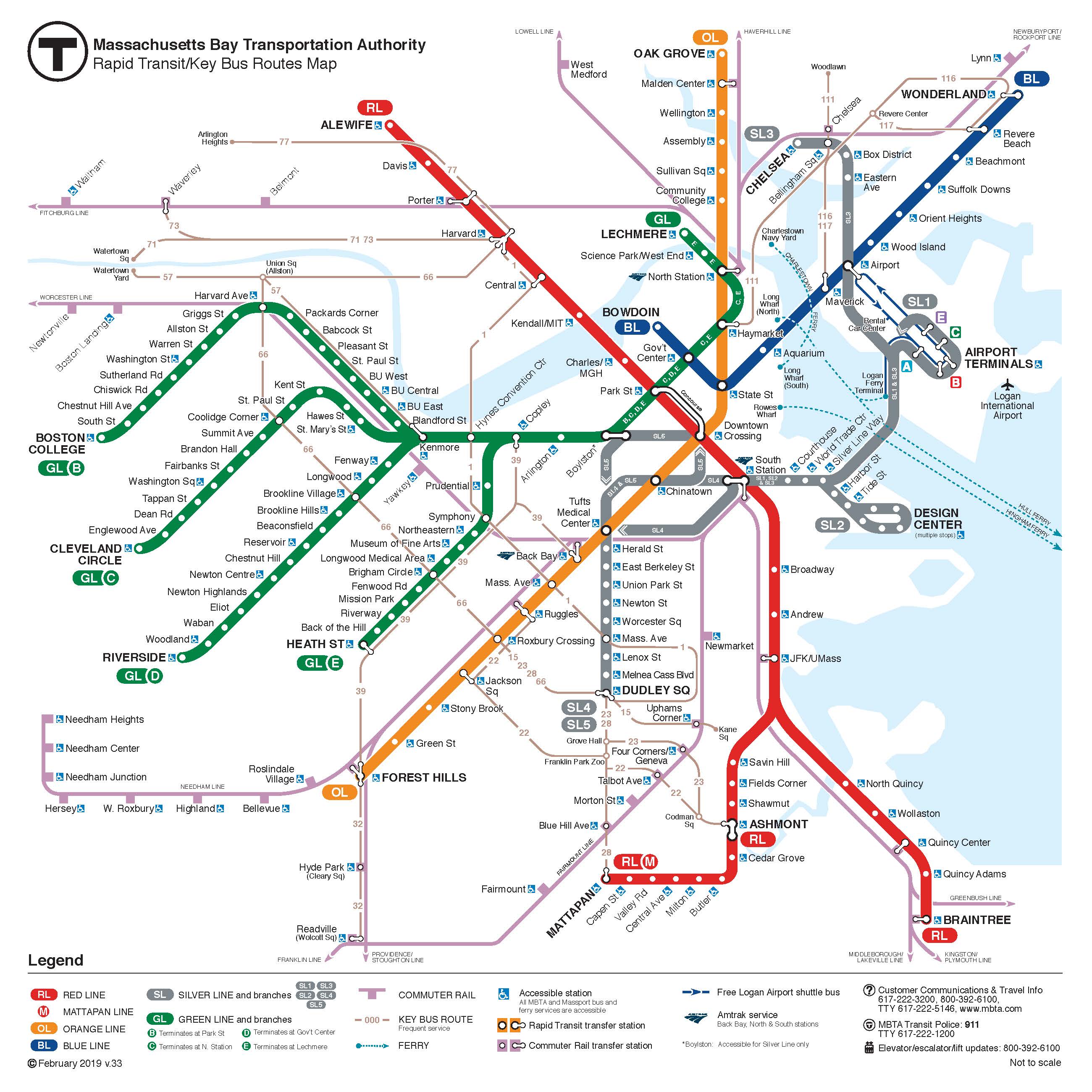
MBTA Blue Line Subway
The MBTA Blue Line is arguably the most popular and straightforward public transit option for travelers heading downtown.
- Route: From any terminal at Logan, simply follow the signs for “MBTA Silver Line/Subway” or “Ground Transportation.” Free shuttle buses (Massport Route 22, 33, or 55) operate frequently, picking up directly outside each terminal and transporting passengers to Airport Station on the Blue Line.
- Journey: Once at Airport Station, board an inbound Blue Line train. The ride to downtown stations like State Street or Government Center is typically quick, lasting around 10-15 minutes. For those heading to the Financial District or Waterfront, State Street is ideal. Government Center provides direct access to the City Hall area and is a transfer point for the Green Line. The final stop, Bowdoin, is close to Beacon Hill.
- Cost: A single subway fare is currently $2.40 with a CharlieCard or $2.90 for a paper ticket. Massport shuttle buses from the terminals to Airport Station are free.
- Pros: Very affordable, avoids traffic, frequent service.
- Cons: Requires a shuttle bus transfer, can be crowded during peak hours, limited luggage space.
MBTA Bus (Silver Line)
The Silver Line offers a direct bus rapid transit connection from all Logan terminals to several key downtown locations, including South Station, which is a major transportation hub.
- Route: Look for “Silver Line SL1” signs at your terminal’s arrivals level. The Silver Line buses pick up directly outside baggage claim at each terminal, eliminating the need for a separate shuttle.
- Journey: The SL1 bus travels through the Ted Williams Tunnel and makes stops at the Seaport District before terminating at South Station. The ride to South Station typically takes 15-25 minutes, depending on traffic. At South Station, you can connect to the Red Line subway, Commuter Rail, Amtrak trains, and intercity buses.
- Cost: The Silver Line is free from Logan Airport into the city. If you’re coming from the city to the airport, the fare is $2.40 with a CharlieCard or $2.90 for a paper ticket.
- Pros: Free ride into Boston, direct pickup from terminals, good for those heading to the Seaport or South Station, more luggage friendly than the subway.
- Cons: Can be subject to traffic delays, especially during rush hour.
Logan Express Buses
For those looking for a slightly more comfortable bus experience to specific regional hubs that connect to downtown, the Logan Express service can be an option. While primarily serving suburban locations, the Copley Square and Back Bay Logan Express routes drop off in areas that are either downtown or very close to it.
- Route: Logan Express buses depart directly from all airport terminals.
- Journey: The Back Bay route drops off at the Hynes Convention Center and Copley T Station, both well-connected to downtown via the Green Line. The journey can take 20-40 minutes depending on traffic.
- Cost: Approximately $3.00 if purchased online, or $9.00 on board for one-way.
- Pros: More comfortable seating, dedicated luggage storage, direct from terminals.
- Cons: Limited drop-off points, subject to traffic, slightly higher cost than MBTA services.
Convenience and Directness: Taxis, Ride-Shares, and Private Transfers
For travelers prioritizing convenience, speed, and direct door-to-door service, taxis, ride-sharing apps, and private transfers are excellent choices, albeit at a higher cost.
Taxis
Traditional taxis are readily available at all Logan terminals.
- Availability: Follow signs for “Taxi” at the ground transportation level outside baggage claim. There’s typically a dispatcher on hand to assist.
- Journey: Taxis offer door-to-door service directly to your hotel or destination in Downtown Boston. The ride typically takes 15-30 minutes, depending on traffic conditions and your exact destination.
- Cost: Expect fares to Downtown Boston to range from $25-$45, not including tolls and tip. Tolls for the Ted Williams Tunnel are additional. A standard tip is 15-20%.
- Pros: Direct, no transfers, available on demand, good for groups or those with heavy luggage.
- Cons: Can be expensive, subject to traffic delays, potential for surge pricing during peak demand (though less common than ride-shares).
Ride-Sharing Services (Uber/Lyft)
Uber and Lyft are widely used in Boston and provide a convenient alternative to taxis.
- Availability: Passengers must follow signs to the designated “App Ride” or “Ride Share” pickup areas, which are typically located in the central parking garage or specific curbside zones. You’ll need to use the respective app to request your ride.
- Journey: Similar to taxis, ride-shares offer direct service to your destination. Travel time will be 15-30 minutes, depending on traffic.
- Cost: Fares vary significantly based on demand (surge pricing), time of day, and the specific service level selected (e.g., UberX, Lyft XL). Expect fares to be in a similar range to taxis, potentially higher during peak periods.
- Pros: Convenience of booking via app, usually clear pricing upfront, range of vehicle options.
- Cons: Surge pricing can make them very expensive, designated pickup spots may require a short walk, still subject to traffic.

Private Car Services/Shuttles
For a more premium or pre-arranged experience, private car services or shared-ride shuttles are an option.
- Availability: These services must be booked in advance. Many companies offer meet-and-greet services inside the terminal or at designated pickup areas.
- Journey: Private cars offer seamless, door-to-door service. Shared shuttles may make multiple stops, increasing travel time but often at a slightly lower cost than a private car.
- Cost: Private car services typically start from $60-$100 or more, depending on the vehicle and service level. Shared shuttles can be around $20-$40 per person.
- Pros: Luxurious and comfortable, no waiting, ideal for business travelers or special occasions, guaranteed service.
- Cons: Most expensive option, requires advance booking.
Unique Water Transport: Boston Water Taxi
For a scenic and often quicker route to specific waterfront areas, Boston Water Taxi offers a charming alternative.
- Route: Free Massport shuttle buses (Route 66) transport passengers from all terminals to the Logan Dock. From there, water taxis operate to various downtown wharves, including Long Wharf, Rowes Wharf, and the Seaport World Trade Center.
- Journey: The boat ride itself is relatively short, typically 7-15 minutes to downtown wharves, offering fantastic views of the city skyline and harbor. From the wharves, many downtown attractions like Faneuil Hall Marketplace or the New England Aquarium are within walking distance or a short subway ride.
- Cost: Approximately $12-$17 per person, with potential discounts for round trips or online booking.
- Pros: Avoids road traffic entirely, scenic views, unique experience, often faster to waterfront destinations.
- Cons: Limited to waterfront destinations, requires a shuttle to the dock, may not operate in extreme weather or late at night.
Practical Tips for a Smooth Journey
Regardless of your chosen mode of transport, a few practical considerations can enhance your journey from Logan to Downtown Boston.
Understanding Peak Hours
Boston’s rush hours, typically 7 AM – 9 AM and 4 PM – 6 PM on weekdays, can significantly impact travel times for road-based transport (taxis, ride-shares, Silver Line, Logan Express). If traveling during these times, consider the Blue Line or Water Taxi to avoid congestion.
Luggage Considerations
While taxis and ride-shares are best for large amounts of luggage, the Silver Line also offers ample space. The Blue Line subway can be challenging with multiple large bags, especially during crowded periods, due to limited dedicated storage. Water taxis can accommodate standard luggage, but extra-large items might be difficult.
Payment Methods
For MBTA services, a CharlieCard (rechargeable plastic card) offers discounted fares and can be purchased at Airport Station or other major subway stations. Paper tickets are also available. Taxis accept cash and most credit cards. Ride-share apps handle payment automatically via your linked card.
Accessibility
All MBTA services (subway and bus), including the shuttle buses to Airport Station and the Silver Line, are wheelchair accessible. Taxis and ride-shares can often accommodate passengers with disabilities, though it’s wise to specify needs when booking a ride-share or private service.

Choosing Your Best Option
- For budget travelers: The free Silver Line (into the city) or the Blue Line ($2.40-$2.90) are your best bets.
- For convenience and speed: Taxis, Uber/Lyft, or private car services offer direct door-to-door service, but come at a higher cost.
- For a unique experience or waterfront destination: The Water Taxi provides a scenic and efficient route.
- For groups or heavy luggage: Taxis, ride-shares, or private transfers are generally the most comfortable options.
By considering these factors and understanding the various choices available, you can confidently navigate from Boston Logan International Airport to Downtown Boston, starting your visit to this historic city on the right foot.
LifeOutOfTheBox is a participant in the Amazon Services LLC Associates Program, an affiliate advertising program designed to provide a means for sites to earn advertising fees by advertising and linking to Amazon.com. Amazon, the Amazon logo, AmazonSupply, and the AmazonSupply logo are trademarks of Amazon.com, Inc. or its affiliates. As an Amazon Associate we earn affiliate commissions from qualifying purchases.