
Exploring the vibrant local culture of a new destination often involves delving into its unique linguistic quirks. For visitors to Boston, few phrases are as immediately recognizable, or as frequently perplexing, as the ubiquitous use of the word “wicked.” Far from its traditional connotation of evil or malevolence, in Boston and much of New England, “wicked” serves a distinct and fascinating purpose, acting as a powerful intensifier that colors everyday conversation. Understanding this regional idiom is not merely a linguistic exercise; it’s an essential step towards truly connecting with the spirit and charm of Bostonian life. It reflects a deep-seated part of the region’s cultural identity, one that has evolved over centuries and continues to thrive in modern discourse.

Unpacking the Bostonian Lexicon: The Roots of “Wicked”
The journey of “wicked” from a word denoting sin to a common adverb in Boston is a testament to the dynamic nature of language and regional dialect. This transformation is deeply rooted in the historical development of American English, particularly within the isolated linguistic landscape of New England. For tourists eager to immerse themselves in local culture, understanding this linguistic evolution provides a richer context for the words they’ll hear spoken on the streets of Beacon Hill or Faneuil Hall.
A Linguistic Anomaly: More Than Just Evil
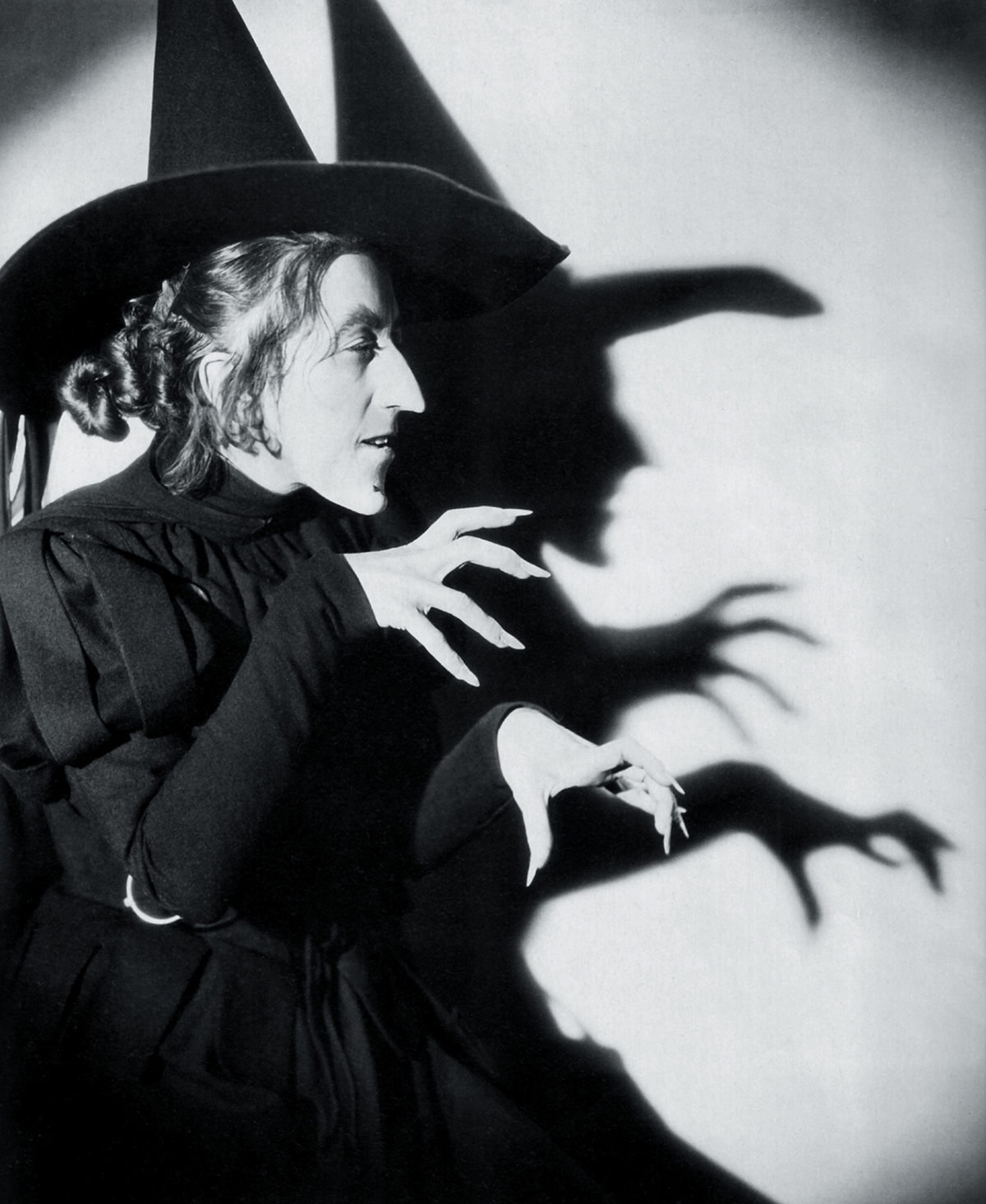
In standard English, “wicked” universally implies something morally bad, sinful, or malicious. Think of the “wicked witch” or a “wicked deed.” However, in Boston and surrounding areas like Maine, New Hampshire, and Vermont, its primary function is not to describe inherent evil but to amplify the degree of an adjective or adverb. It essentially means “very,” “extremely,” or “really.” A “wicked good time” means a “really good time”; “wicked fast” means “extremely fast.” This distinct usage is what makes it so striking to outsiders and a definitive marker of the New England dialect.
The charm for visitors lies in recognizing this contextual shift. It’s a key to unlocking conversations and appreciating the distinct character of the locals. When a Bostonian describes the Freedom Trail as “wicked interesting” or the clam chowder as “wicked delicious,” they are expressing enthusiastic approval, not casting judgment. This subtlety is a delightful cultural note for any traveler to pick up on, enhancing their ability to communicate and connect authentically with the people they meet.
Tracing its Etymology: From Old English to New England
The precise origins of “wicked” as an intensifier in New England are somewhat debated among linguists, but several theories point to its deep historical roots and regional isolation. One prevailing theory suggests it stems from Old English usage where words like “swithe” (meaning “very” or “strongly”) were common intensifiers. Over time, as English evolved, some regional dialects retained older forms or developed unique innovations.
New England, settled predominantly by English Puritans in the 17th century, developed its own linguistic trajectory, somewhat insulated from the broader shifts occurring in Great Britain and other parts of the United States. This relative isolation allowed certain linguistic features to persist or develop uniquely. The theory posits that the word “wicked” began as a folk intensifier, perhaps playfully or ironically, and over generations, lost its negative connotation in this specific grammatical context, becoming a standard part of the regional vernacular. Another fascinating aspect is the possible influence of Scots-Irish immigrants, who also contributed to the diverse linguistic tapestry of the region and whose dialects often feature unique intensifiers. Regardless of the exact pathway, the journey of “wicked” illustrates how historical settlement patterns and community development can forge distinctive cultural traits, including speech patterns, that become indelible marks of a place.
“Wicked” in Everyday Bostonian Life
For the curious traveler, observing and understanding the practical application of “wicked” in daily Boston life is an engaging cultural experience. It’s not just a word; it’s a vocal seasoning, adding flavor and emphasis to countless interactions, from casual chats to more animated discussions.
Amplifying Adjectives: How “Wicked” Enhances Meaning
The primary function of “wicked” in Bostonian speech is amplification. It slots seamlessly before adjectives or adverbs to inject a higher degree of intensity. Consider these common examples a visitor might encounter:
- “That clam chowder was wicked good.” (Meaning: The clam chowder was extremely delicious.)
- “The traffic on the Southeast Expressway was wicked bad today.” (Meaning: The traffic was terribly congested.)
- “You gotta be wicked careful crossing the street here.” (Meaning: You need to be extremely careful.)
- “She’s wicked smart, goes to MIT.” (Meaning: She’s exceptionally intelligent, studies at Massachusetts Institute of Technology.)
- “We had a wicked awesome time at the Red Sox game.” (Meaning: We had an incredibly fantastic time at the Boston Red Sox game.)
Notice how “wicked” almost always precedes another modifier. It doesn’t typically stand alone to describe something directly; it modifies the modifier. This grammatical nuance is crucial for understanding its proper use and avoiding misinterpretation. For tourists, this insight allows for a deeper appreciation of local conversations, making them feel more connected to the pulse of the city rather than just observing from the periphery. It’s a small but significant key to unlocking the true essence of Boston’s communication style.
Context is Key: Nuances for Tourists
While “wicked” is an integral part of the Boston lexicon, its usage isn’t entirely without nuance. It’s most commonly heard in informal settings, among friends, family, and in casual conversation. While you might hear it from a tour guide describing a “wicked interesting fact” about Paul Revere‘s ride, it’s less likely to appear in formal business presentations or academic discourse at Harvard University in Cambridge.
As a tourist, there’s no pressure to adopt “wicked” into your own vocabulary, but understanding its context enriches your visit. If you use it, use it sparingly and appropriately to avoid sounding forced. Often, locals appreciate the effort when visitors genuinely try to engage with local customs, but authenticity is always preferred. The real benefit comes from comprehension: when you hear a local exclaim, “That lighthouse in Cape Cod was wicked pretty!” you immediately grasp their admiration, rather than puzzling over a seemingly contradictory statement. This understanding allows for smoother interactions and a more profound immersion into the city’s unique cultural tapestry.
Embracing the Local Dialect: A Tourist’s Guide
Beyond “wicked,” the Boston dialect is rich with other distinct phrases and pronunciations that contribute to its charm. For tourists, recognizing these elements is like discovering hidden pathways through the city’s cultural landscape.
Common Phrases and Usage Examples
While “wicked” might be the star, other linguistic features define the Bostonian accent and dialect. Tourists will often encounter:
- Dropping the ‘r’ sound: Especially when an ‘r’ follows a vowel. “Car” becomes “cah,” “park” becomes “pahk.” So, you might hear, “Pahk the cah in Hahvahd Yahd.”
- Adding an ‘r’ sound: Conversely, an ‘r’ can be added where one doesn’t traditionally exist, especially at the end of words ending in ‘a’ or ‘ah’ sounds, connecting words. “Idea” might sound like “idear” if followed by another vowel sound, such as in “the idear is.”
- “Frappe” vs. “Milkshake”: In Boston, a “frappe” (pronounced frap) is what most Americans call a milkshake. If you ask for a “milkshake,” you might get just milk shaken up with syrup, but without ice cream.
- “Bubbler”: A common term for a water fountain. If someone directs you to the “bubbler,” they’re pointing you to a drinking fountain.
- “Rotary”: What other places might call a roundabout. Massachusetts has many of them.
- “Packie”: Short for package store, where you buy alcohol.
These linguistic nuances aren’t just quirks; they are threads in the fabric of local identity, making Boston distinct from any other major city in the United States. Tourists who take the time to learn and appreciate these phrases gain a more profound understanding of the city and its people.
Beyond “Wicked”: Other Bostonian Expressions to Know
To further enhance your cultural immersion, consider these additional phrases and local terms that pepper Bostonian conversation:
- “Townie”: A somewhat affectionate, sometimes derogatory, term for someone who has lived in the same Boston neighborhood their entire life.
- “Southie”: Specifically refers to someone from South Boston, a neighborhood with a strong Irish Catholic heritage and distinct identity.
- “Jimmies”: What Bostonians call chocolate sprinkles on ice cream.
- “Regular coffee”: In Boston, this often means coffee with cream and sugar, particularly in local diners and coffee shops.
Being aware of these terms not only aids comprehension but also demonstrates a respect for local culture, which can lead to warmer interactions with residents. It transforms a mere visit into a genuine cultural exchange, enriching the travel experience significantly.
The Authenticity Factor: Connecting with Locals
Ultimately, understanding why Bostonians say “wicked” and recognizing other local expressions is about fostering genuine connections. When you understand the local dialect, you bridge a small but significant gap between visitor and resident. It allows for more natural conversations, deeper insights into the city’s character, and perhaps even a few shared laughs. Whether you’re ordering a “wicked good” lobster roll on the Waterfront or asking for directions to the North End, your comprehension of these linguistic traditions signals an appreciation for Boston’s unique cultural tapestry. It transforms your trip from a standard tourist experience into a more authentic and memorable journey into the heart of New England life.
The Cultural Significance of “Wicked”
The endurance and prevalence of “wicked” as an intensifier in Boston speech is more than just a linguistic curiosity; it’s a profound marker of regional identity. It plays a role in how New Englanders perceive themselves and how they are perceived by others.
A Mark of Regional Identity
For many Bostonians, the use of “wicked” is an unconscious habit, deeply ingrained from childhood. Yet, it also serves as a subtle, unifying cultural signal. It’s a verbal handshake among those from Massachusetts, Rhode Island, Connecticut, and other parts of New England, instantly identifying one as “from around here.” This shared linguistic trait fosters a sense of belonging and regional pride, distinguishing them from other American dialects.
For tourists, recognizing this can add another layer of appreciation to their experience. It highlights the distinct cultural character of Boston, a city that, despite its cosmopolitan flair, holds onto its unique traditions with tenacity. It’s a subtle nod to the city’s rich history and its ability to maintain a distinct personality in an increasingly globalized world.
Pop Culture and the Bostonian Voice
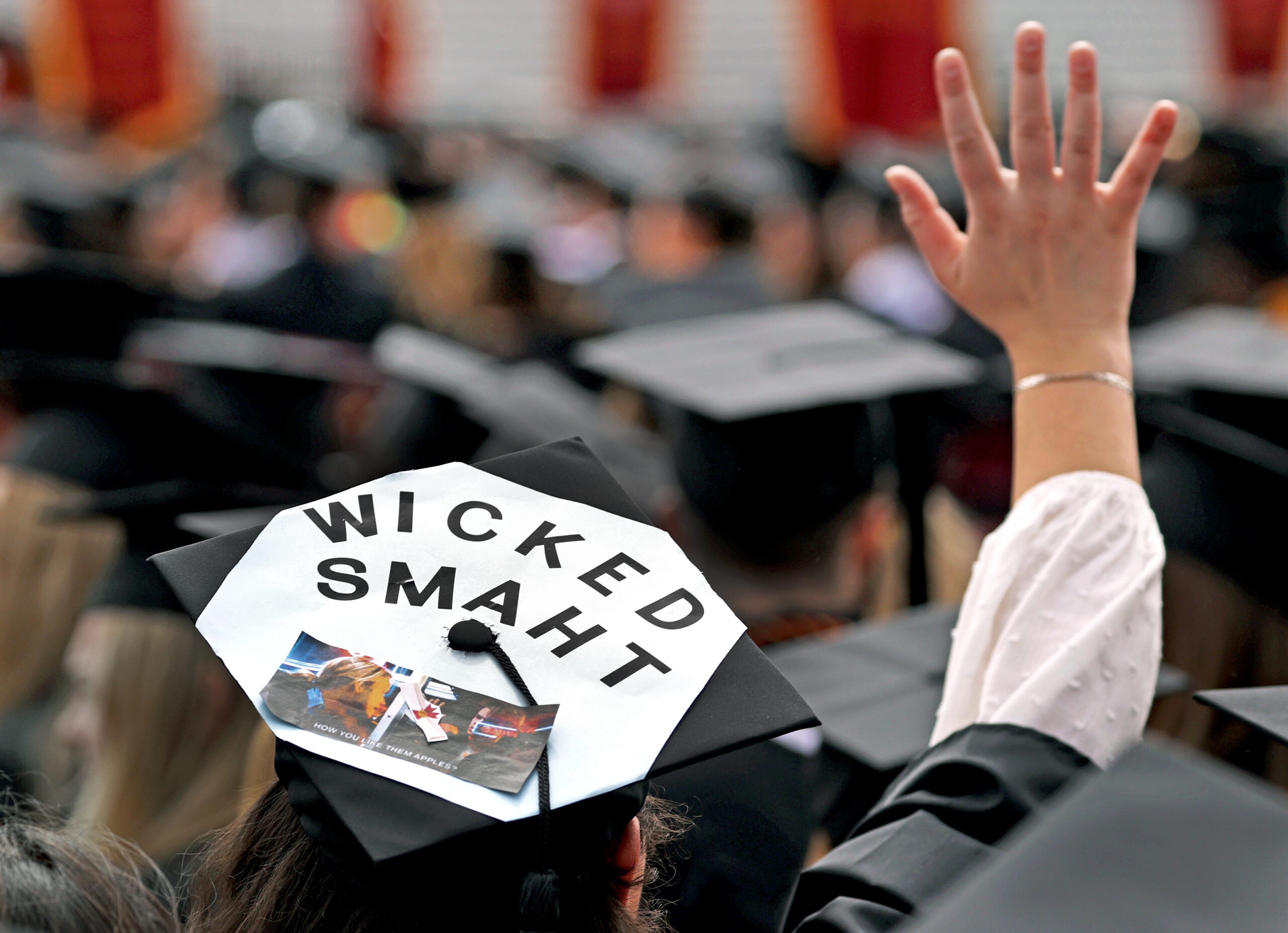
The Boston accent and its characteristic use of “wicked” have been immortalized in various forms of popular culture, from films set in the city like “The Departed” or “Good Will Hunting” to countless TV shows and stand-up comedy routines. This media portrayal, while sometimes exaggerated, further solidifies “wicked” as an iconic symbol of Bostonian identity. These depictions often lean into the charm and grit associated with the New England character, making the dialect immediately recognizable worldwide.
For tourists, encountering “wicked” in its natural habitat after seeing it referenced in popular culture can be a moment of genuine connection, transforming abstract media portrayals into concrete, lived experience. It’s a reminder that language is a living, breathing aspect of culture, constantly evolving yet firmly rooted in a place’s history and community. So, on your next visit to Boston, listen closely for that ubiquitous intensifier; it’s a “wicked” great way to dive into the heart of this historic city.
LifeOutOfTheBox is a participant in the Amazon Services LLC Associates Program, an affiliate advertising program designed to provide a means for sites to earn advertising fees by advertising and linking to Amazon.com. Amazon, the Amazon logo, AmazonSupply, and the AmazonSupply logo are trademarks of Amazon.com, Inc. or its affiliates. As an Amazon Associate we earn affiliate commissions from qualifying purchases.