
The question of why individuals choose to reside in Alaska, often referred to as “The Last Frontier,” is not merely about geography; it delves deep into the fabric of a unique lifestyle. Far from the bustling metropolises of the Lower 48, Alaska offers a way of life defined by unparalleled natural beauty, a profound sense of independence, and a community spirit forged in the face of unique challenges. It’s a choice made by those seeking more than just a place to live, but a realm to truly exist, connect with raw nature, and embrace a distinctive rhythm of life.
The Call of the Wild: Unparalleled Nature and Adventure
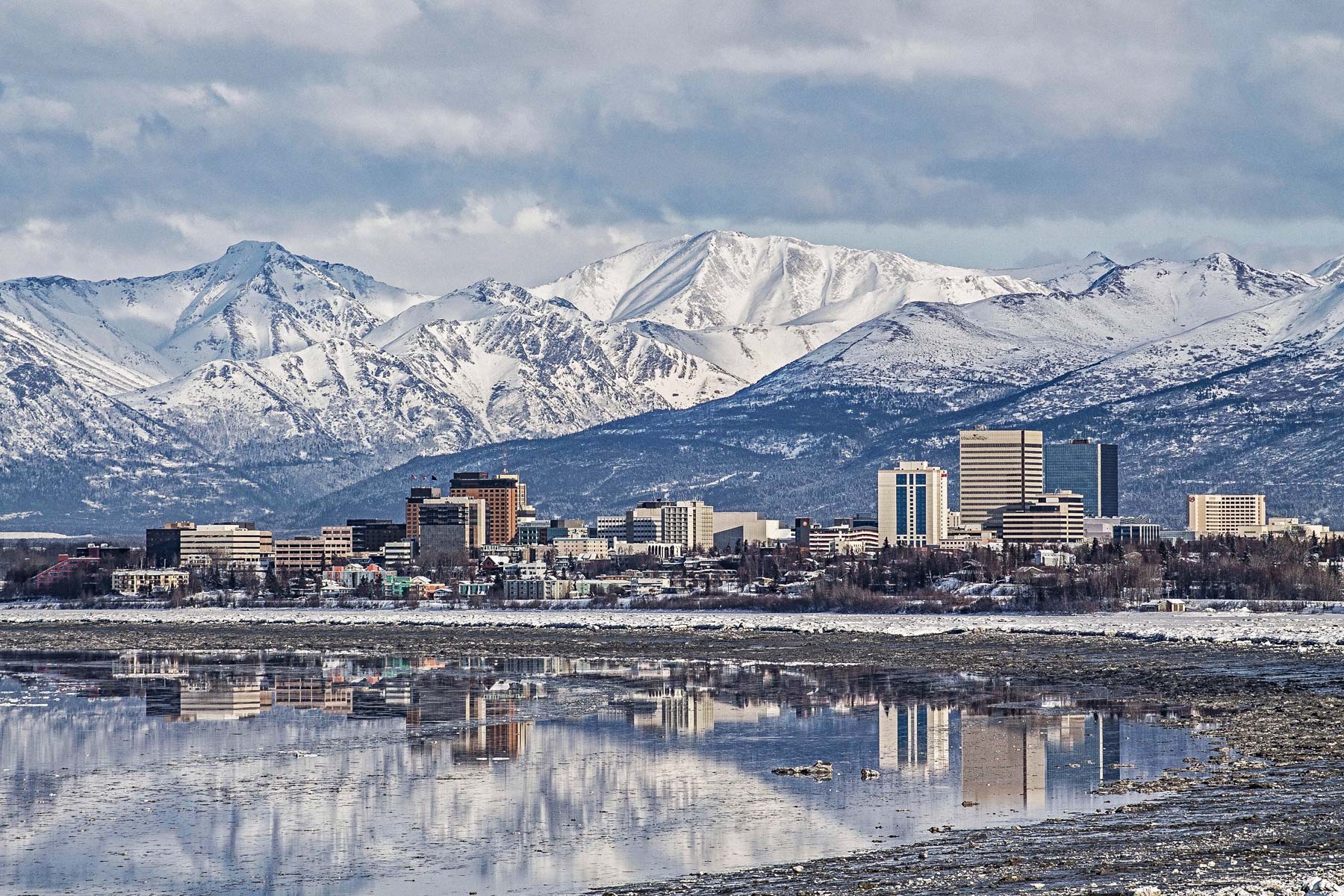
At the core of the Alaskan lifestyle is an inescapable connection to the wilderness. For many, the sheer scale and untamed beauty of the state are not just a backdrop but an active participant in their daily lives, shaping hobbies, perspectives, and even professions. This isn’t just about visiting a national park; it’s about living next to one, or even within it.
A Landscape of Extremes
Alaska is a land of superlatives: home to Denali, North America’s highest peak, immense glaciers, vast forests, and thousands of miles of rugged coastline. This diverse topography provides an ever-present sense of awe and wonder. Residents often describe a feeling of being small yet significant within such a grand setting. The seasons dictate life here profoundly; the endless summer daylight allows for extended outdoor activities and an almost frantic pace of enjoying the sun, while the long, dark winters foster introspection, cozy community gatherings, and the breathtaking spectacle of the Aurora Borealis dancing across the night sky. This dramatic seasonal shift isn’t merely weather; it’s a fundamental aspect of the Alaskan lifestyle, demanding adaptability and offering unique experiences not found elsewhere.
Outdoor Pursuits as a Way of Life
Unlike other regions where outdoor activities might be weekend excursions, in Alaska, they are integral to existence. Hunting, fishing, hiking, skiing, snowmachining (snowmobiling), and dog mushing are not just hobbies; they are often deeply woven into the local culture and economy. Residents might subsistence hunt or fish to supplement their diet, engage in commercial fishing in places like Bristol Bay, or participate in renowned events such as the Iditarod Trail Sled Dog Race. Access to remote areas, often only reachable by small plane or boat, means that adventure is not just convenient but often mandatory for travel or supply runs. This active, often rugged, engagement with the environment fosters a particular kind of physical and mental resilience that becomes a defining characteristic of the Alaskan lifestyle.
A Spirit of Resilience and Self-Sufficiency
Living in Alaska often requires a distinct mindset, one rooted in self-reliance, resourcefulness, and a strong sense of community. The challenges presented by the environment—from extreme weather to limited infrastructure in remote areas—foster a unique frontier spirit.
Frontier Mentality and Community Bonds
The “frontier mentality” is more than just a historical relic; it’s a living ethos in Alaska. Many Alaskans pride themselves on their ability to handle whatever comes their way, whether it’s fixing their own equipment, navigating harsh conditions, or preparing for long winters. This self-sufficiency doesn’t lead to isolation, however. Quite the opposite: the very challenges that demand individual strength also necessitate strong community bonds. In smaller towns and villages, neighbors rely on each other for support, assistance, and camaraderie. There’s an unspoken understanding that everyone is in it together, creating tight-knit communities where mutual aid is a given. From sharing wild game harvests to helping clear snowdrifts, this collective resilience is a cornerstone of the Alaskan way of life.
Adapting to the Alaskan Environment
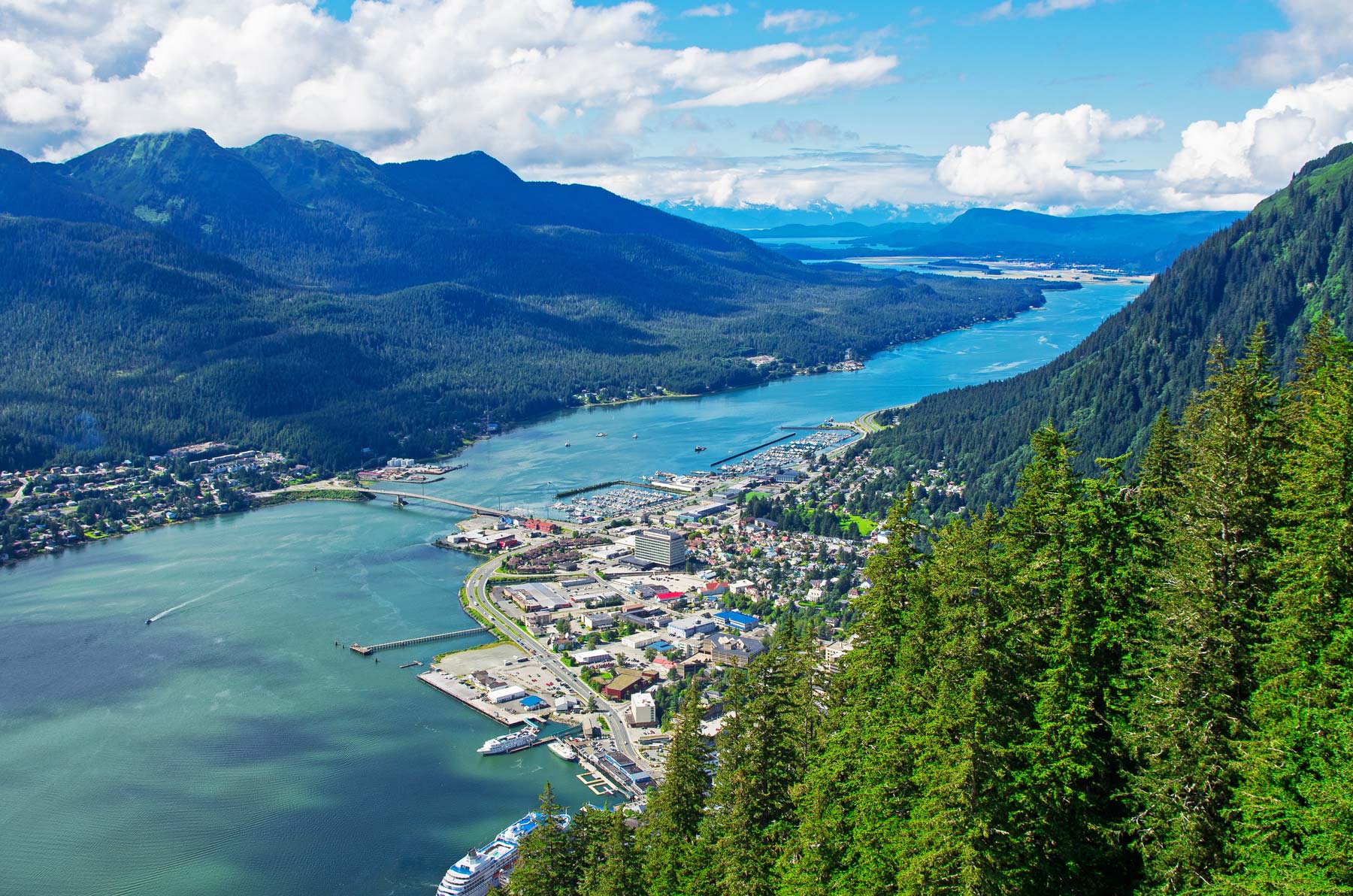
Adapting to Alaska’s environment means embracing a different pace and set of priorities. It involves learning practical skills, like how to prepare for power outages, maintain vehicles in sub-zero temperatures, or navigate safely through bear country. It also means understanding and respecting the power of nature. This constant interaction with and adaptation to the environment shapes a particular kind of humility and wisdom. Residents learn to read the weather, understand animal behavior, and appreciate the delicate balance of the ecosystem. This profound respect for the natural world translates into a more deliberate, grounded lifestyle, often with a greater emphasis on sustainability and living in harmony with the land.
Economic Realities and Unique Opportunities
While the romantic notion of wilderness draws many, practical considerations like economic opportunities also play a significant role in why people choose to live in Alaska. The state offers unique economic pathways, distinct from those found in other parts of the United States.
Resource Industries and Beyond
Historically, Alaska’s economy has been heavily reliant on its abundant natural resources. The oil and gas industry, particularly around Prudhoe Bay and Anchorage, has been a major employer and revenue generator. Fishing, especially for salmon and halibut, supports numerous coastal communities and provides a significant portion of the world’s seafood supply. Mining, timber, and shipping through ports like Valdez also contribute substantially. Beyond these traditional industries, the growing tourism sector in cities like Juneau and Skagway offers diverse employment opportunities, from guiding excursions in Denali National Park to working on cruise ships navigating the Inside Passage. The unique demand for skilled trades in remote areas and specialized knowledge of Arctic conditions also creates niches for a variety of professionals. For those seeking work in environments less constrained by traditional corporate structures, Alaska can offer a refreshing alternative.
The Permanent Fund Dividend and Cost of Living
One of Alaska’s most distinctive economic features is the Alaska Permanent Fund Dividend (PFD). Established in 1976, this program distributes a portion of the state’s oil revenues annually to eligible residents, providing a unique financial incentive for long-term residency. While not a primary driver for everyone, it certainly contributes to the economic stability of many Alaskan families and is a tangible benefit of living in the state. However, it’s important to balance this with the often-higher cost of living, particularly for imported goods and services, due to the challenges of transportation and infrastructure. Housing, groceries, and fuel can be significantly more expensive than in the Lower 48. Yet, many Alaskans mitigate these costs through subsistence living, growing their own food, or taking advantage of the tax-free income and opportunities for high-paying seasonal work. The economic landscape in Alaska is a complex interplay of high expenses, unique income sources, and a lifestyle that often prioritizes experiences over material consumption.
The Alaskan Identity: Freedom and Perspective
Beyond the tangible aspects of nature and economics, a significant draw to Alaska is the intangible sense of freedom, the unique perspective it offers, and the escape from conventional pressures. It’s a place where one can truly forge a different path.
Escaping the Urban Rat Race
For many, Alaska represents an escape—a place to leave behind the relentless pace, congestion, and perceived superficiality of urban life. The vast open spaces and sparse population (cities like Fairbanks still offer plenty of elbow room) foster a sense of personal freedom and autonomy. There’s less pressure to conform, to keep up with trends, or to be defined by a career ladder. Instead, values often shift towards self-reliance, practical skills, and a deeper connection to community and nature. This allows individuals to live more authentically, pursuing passions like art, writing, or scientific research in environments that inspire reflection and creativity, far from the distractions of a more connected world. The sheer distance from major population centers also offers a psychological buffer, allowing for a slower, more deliberate way of life.

The Magic of Light and Dark
The extreme light cycles are perhaps the most talked-about aspect of the Alaskan lifestyle, often impacting mood, sleep patterns, and daily routines. The “land of the midnight sun” in summer brings endless daylight, allowing for activities deep into what would normally be nighttime. This extended light creates a vibrant, energetic atmosphere, almost a compensation for the coming darkness. Conversely, the long winter nights, especially in the interior and northern regions, can be challenging but also bring their own magic. They provide ample opportunity for witnessing the spectacular Aurora Borealis, fostering a sense of wonder and connection to the cosmos. This dramatic ebb and flow of light and dark fundamentally shapes the rhythm of life, influencing everything from social gatherings to mental well-being. Alaskans learn to adapt and often develop a profound appreciation for both the dazzling brilliance of summer and the serene, star-filled majesty of winter. It’s a lifestyle choice that embraces these natural extremes, finding beauty and purpose in the unique balance of the seasons.
Ultimately, living in Alaska is a deliberate choice, often driven by a yearning for a life less ordinary. It’s a commitment to a lifestyle defined by rugged beauty, fierce independence, close-knit communities, and a profound respect for the wild. It’s for those who find fulfillment not just in existing, but in truly living, challenged and transformed by one of the world’s most extraordinary places.
LifeOutOfTheBox is a participant in the Amazon Services LLC Associates Program, an affiliate advertising program designed to provide a means for sites to earn advertising fees by advertising and linking to Amazon.com. Amazon, the Amazon logo, AmazonSupply, and the AmazonSupply logo are trademarks of Amazon.com, Inc. or its affiliates. As an Amazon Associate we earn affiliate commissions from qualifying purchases.