
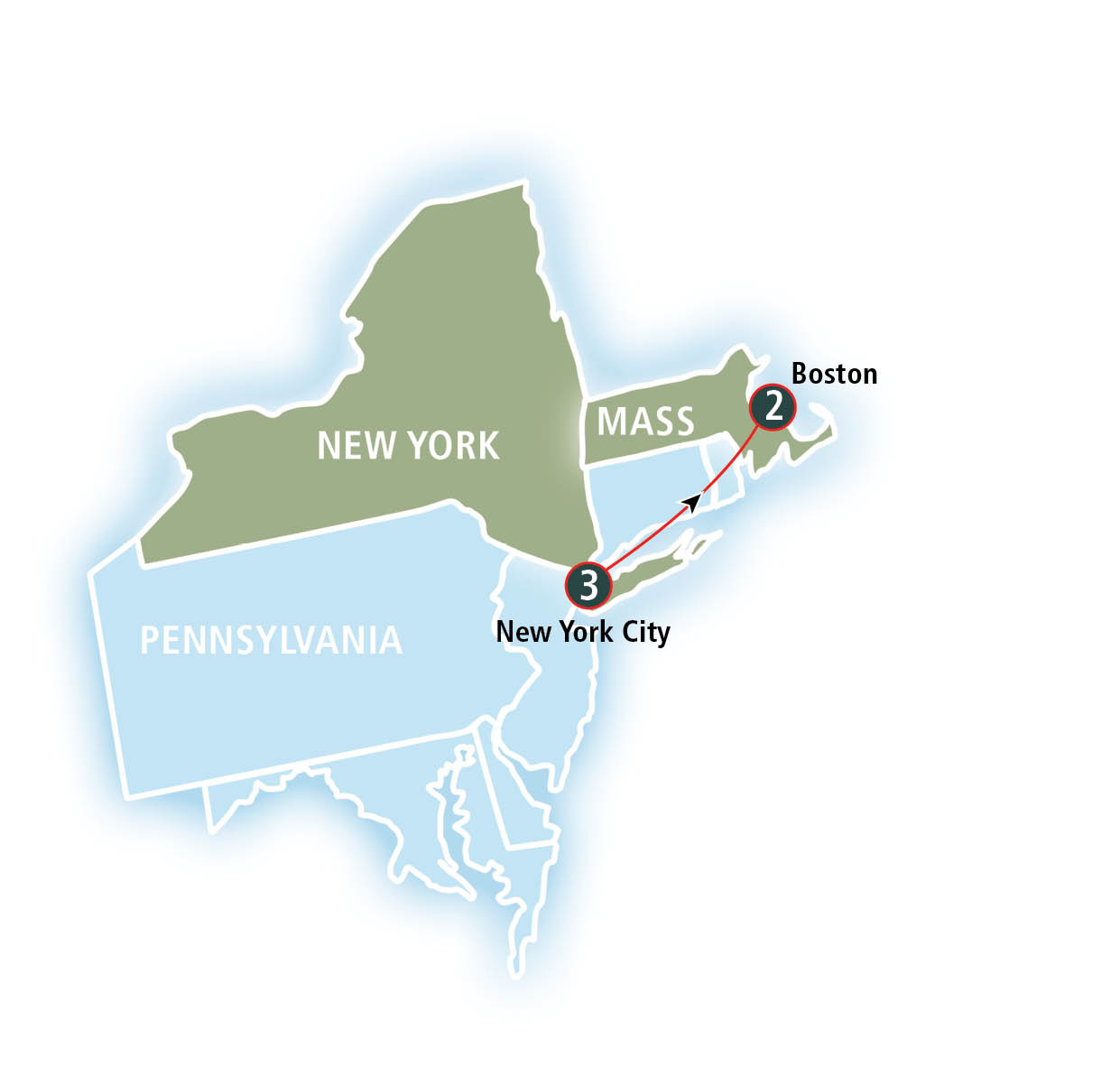
Traveling between the historic city of Boston and the bustling metropolis of New York City is a frequent journey for both business travelers and leisure seekers. Whether you prioritize speed, cost-effectiveness, comfort, or scenic views, a multitude of transportation options cater to every preference. This comprehensive guide breaks down the most efficient and popular ways to navigate the roughly 200-mile (320 km) corridor, ensuring your journey is as smooth as your destination is exciting.
The Classic Rail Journey: Amtrak
For many, the train remains the quintessential way to travel between major Northeast cities. Amtrak, America’s national passenger rail corporation, offers a comfortable and often scenic alternative to flying or driving, depositing you directly into the heart of Manhattan.
Acela Express vs. Northeast Regional
Amtrak operates two primary services along the Northeast Corridor connecting Boston and New York City:
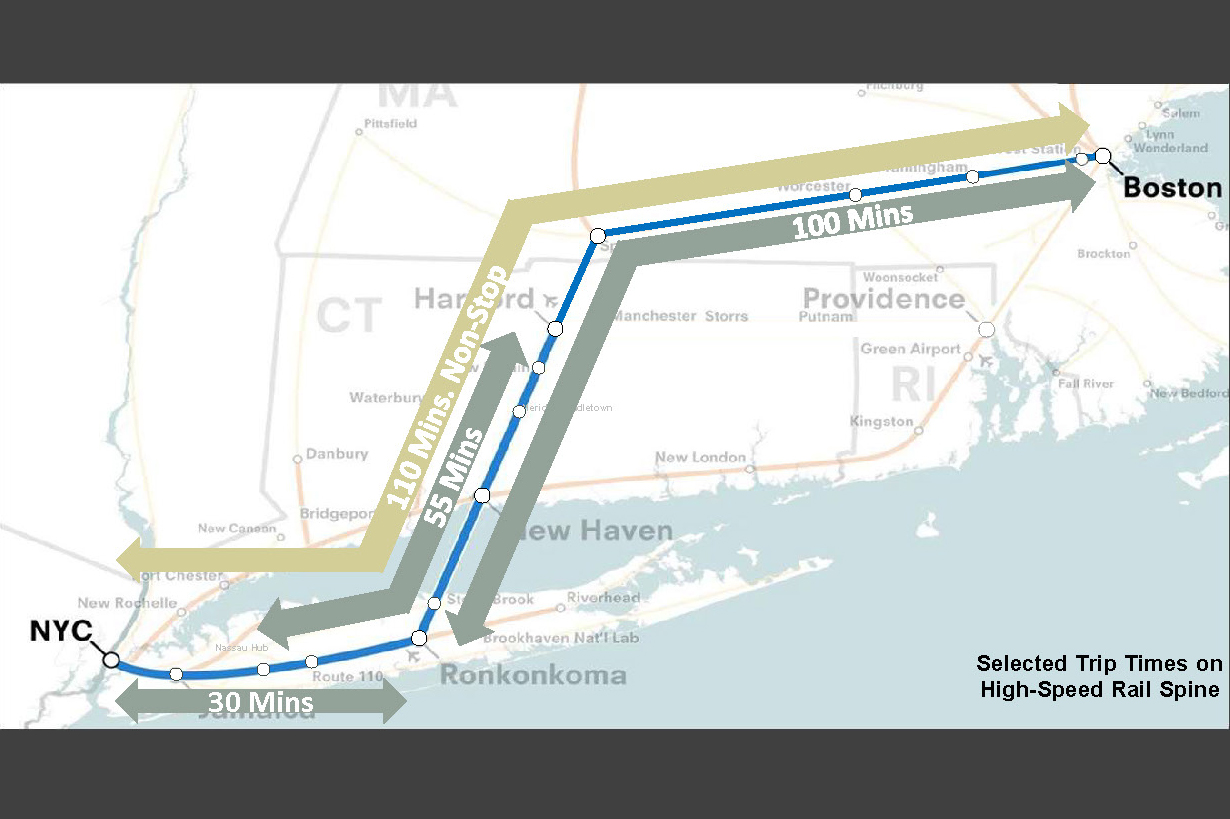
- Acela Express: This is Amtrak’s high-speed service, renowned for its quicker travel times and enhanced amenities. Acela tickets typically cost more, reflecting the speed and business-class comfort. The journey typically takes about 3 hours and 30 minutes, making fewer stops along the way. Passengers can expect spacious seating, quiet cars, and a bistro car offering a selection of food and beverages. It’s an excellent choice for those on a tighter schedule or business travelers valuing productivity on the go.
- Northeast Regional: Offering a more budget-friendly option, the Northeast Regional service makes more stops, resulting in a longer travel time of approximately 4 hours to 4 hours and 30 minutes. Despite the additional stops, it provides a comfortable and reliable journey, complete with a café car. This service is ideal for leisure travelers or those with more flexible schedules, offering a balance of cost and convenience.
Departure and Arrival Stations
In Boston, all Amtrak services depart from Boston South Station, a major transportation hub conveniently located downtown and easily accessible via public transport (the MBTA Red Line and Silver Line).
Upon arrival in New York City, trains pull into Moynihan Train Hall, which is an extension of the iconic Penn Station. This central location in Midtown Manhattan offers direct access to multiple subway lines, buses, and taxis, making onward travel throughout the city exceptionally easy. The modern Moynihan Train Hall provides a vastly improved experience compared to the older parts of Penn Station, boasting ample natural light, retail, and dining options.
Booking Tips and Onboard Experience
It’s highly recommended to book your Amtrak tickets in advance, especially for peak travel times, holidays, or if you plan to use the Acela Express. Fares tend to increase closer to the departure date. Amtrak’s website or mobile app are the easiest ways to secure your tickets. Onboard, passengers can enjoy free Wi-Fi, power outlets, and generous legroom, making the journey conducive to working, reading, or simply relaxing and watching the Northeast landscape glide by. The ability to avoid airport security lines and city traffic makes train travel an appealing choice for many.
Affordable and Convenient Bus Travel
Bus services offer the most economical way to travel between Boston and New York City. While generally slower than the train, modern bus companies have significantly improved comfort and amenities, making them a popular choice for budget-conscious travelers.
Major Bus Carriers
Several reputable bus companies operate frequent routes:
- Greyhound: One of the oldest and most recognized names in bus travel, Greyhound offers numerous daily departures. They are known for their extensive network and competitive pricing.
- FlixBus: A European-based carrier that has expanded rapidly in the United States, FlixBus is known for its modern fleet, often equipped with free Wi-Fi and power outlets. They frequently offer promotional fares that can be incredibly low.
- Peter Pan Bus Lines: A regional favorite, Peter Pan Bus Lines provides reliable service specifically tailored to the Northeast corridor. They often have routes that mirror Greyhound’s, and a joint venture means some tickets are interchangeable.
- MegaBus: Offering another low-cost option, MegaBus typically provides comfortable double-decker buses with amenities like Wi-Fi and power outlets. They often have some of the cheapest fares if booked well in advance.
Departure and Arrival Points
In Boston, most intercity buses depart from the South Station Bus Terminal, located directly above the Amtrak train station. This convenient location ensures easy access to public transportation and amenities.
In New York City, the primary arrival and departure point for most major bus lines is the Port Authority Bus Terminal, situated in Midtown West. While a bustling and sometimes overwhelming hub, its central location offers excellent connectivity to the subway system, allowing quick access to all parts of Manhattan and beyond. Some services, particularly MegaBus and FlixBus, may use curbside stops at other central locations in New York City, so it’s crucial to confirm your exact departure and arrival points when booking.
What to Expect: Comfort and Amenities
The journey by bus typically takes between 4 to 5 hours, depending on traffic conditions and the number of stops. While modern buses offer reclining seats, air conditioning, and often Wi-Fi and power outlets, the comfort level might be less than that of train travel. Traffic can be a significant factor, especially when entering or exiting major cities, so allow for potential delays. Despite this, the affordability often outweighs the minor inconveniences, making it a very attractive option for many travelers, including students and backpackers. Booking online in advance usually secures the best fares.
Flying Between the Cities: Speed and Efficiency
For those prioritizing speed above all else, flying is the quickest way to cover the distance between Boston and New York City. The flight itself is short, but the overall travel time can be extended by airport transfers and security procedures.
Major Airports
Travelers from Boston will depart from Boston Logan International Airport (BOS). This major international airport is conveniently located just a few miles from downtown Boston and is accessible via the MBTA Silver Line, water taxi, or ride-sharing services.
New York City is served by three major airports, each with its own advantages and disadvantages for reaching Manhattan:
- LaGuardia Airport (LGA): Located in Queens, LaGuardia is the closest airport to Manhattan. While it has undergone significant redevelopment, ground transportation to and from Manhattan typically involves a combination of bus and subway, or a taxi/ride-share, which can be subject to heavy traffic.
- John F. Kennedy International Airport (JFK): Also located in Queens, JFK is a major international hub. It offers the AirTrain JFK service, which connects to subway lines (A, E, J, Z) and the Long Island Rail Road (LIRR), providing relatively efficient access to Manhattan.
- Newark Liberty International Airport (EWR): Located in Newark, New Jersey, EWR is the third option. It also features an AirTrain Newark that connects to NJ Transit trains, providing direct service to Penn Station in Manhattan.
Airlines and Flight Duration
Numerous airlines operate daily flights between Boston and the New York City area, including major carriers like Delta, American Airlines, United Airlines, and low-cost carriers such as JetBlue and Spirit Airlines. The actual flight time is remarkably short, often taking only about 1 hour to 1 hour and 15 minutes.
Airport Transfers and Hidden Costs
While the flight itself is brief, the total travel time can easily rival or exceed that of train travel when factoring in:
- Pre-flight time: Arriving at the airport 1-2 hours before departure for check-in and security.
- Airport transfers: Time and cost associated with getting to and from the airports. Public transport options can take 45-90 minutes from Manhattan, while taxis/ride-shares can be quicker but much more expensive and subject to traffic.
- Baggage fees: Low-cost airline tickets often exclude checked baggage, which can significantly increase the total cost.
Despite the hidden costs and time, flying remains the best option for those who live near Logan Airport and need to reach an outlying part of the New York City metro area that is closer to one of the airports than to Manhattan’s train or bus terminals.
The Flexibility of Driving
Driving offers unparalleled flexibility, allowing travelers to set their own schedule, make spontaneous stops, and carry more luggage. However, it also comes with its own set of challenges, particularly when approaching and navigating New York City.
Route Options
The most common and direct route covers approximately 215 miles (346 km) and primarily involves two major interstates:
- I-90 (Massachusetts Turnpike): From Boston, you’ll typically take I-90 West.
- I-84 and I-95: Most drivers will transition from I-90 to I-84 West in Massachusetts or Connecticut, then connect to I-95 South, which will take you directly into the New York City area. An alternative for part of the journey is to take I-95 South directly from Boston, which runs along the Connecticut coastline.
The total driving time without significant stops or traffic typically ranges from 4 to 5 hours.
Tolls and Traffic Considerations
Driving between Boston and New York City involves multiple tolls, especially on the Massachusetts Turnpike (I-90), the Merritt Parkway or I-95 in Connecticut, and certainly when crossing bridges or tunnels into Manhattan (e.g., George Washington Bridge, Lincoln Tunnel, Holland Tunnel). It’s advisable to have an EZ-Pass transponder to facilitate smooth travel and often lower toll rates.
Traffic is the single biggest variable. Rush hour in both Boston and New York City, as well as on I-95 through Connecticut, can add significant delays. Weekends, particularly Friday afternoons and Sunday evenings, are also prone to heavy congestion. Using real-time navigation apps like Google Maps or Waze is essential for predicting travel times and navigating around unexpected bottlenecks.
Parking in New York City
Parking in Manhattan is notoriously expensive and challenging. Garages can charge upwards of $50-$80 per day, and street parking is often restricted and difficult to find. If driving is your preferred method, consider parking outside Manhattan (e.g., in New Jersey or the outer boroughs) and taking public transit into the city, or opting for a hotel with included parking, if available. For short visits, the cost and hassle of parking often make driving less appealing compared to other options.
Choosing Your Best Option: Factors to Consider
The “best” way to travel from Boston to New York City depends entirely on your individual priorities and circumstances.
Budget: Comparing Costs
- Bus: Almost always the cheapest option, especially if booked in advance. Fares can range from $15 to $50+.
- Driving: Variable. While gas costs are manageable, tolls (easily $20-$30 one way) and exorbitant parking fees in NYC can quickly add up, making it expensive for solo travelers. More economical for groups splitting costs.
- Train (Northeast Regional): Mid-range, usually $40-$80+ one way, depending on booking time.
- Train (Acela Express): Higher end, typically $70-$150+ one way.
- Flying: Can vary wildly. Discounted fares might be $70-$150, but add checked baggage fees, airport transfers, and the total cost often exceeds even Acela or driving alone.
Time: Balancing Speed and Convenience
- Flying: Shortest actual travel time (1 hour flight), but total door-to-door time is often 4-6 hours due to airport logistics.
- Train (Acela Express): Around 3.5 hours, plus minimal time to get to/from downtown stations. Often the quickest overall door-to-door option for city centers.
- Train (Northeast Regional): Around 4-4.5 hours, similar convenience to Acela.
- Bus: 4-5 hours, subject to traffic. Convenient downtown terminals.
- Driving: 4-5 hours without traffic, but can easily extend to 6+ hours during peak times, plus time for parking.
Comfort and Experience
- Train: Generally considered the most comfortable. Spacious seats, ability to move around, dining car, and direct city-center access. Acela offers premium comfort.
- Driving: Offers personal space and flexibility, but can be stressful due to traffic and navigation, especially if you’re the driver.
- Flying: Comfortable during the flight itself, but the airport experience (security lines, gate waits) can be tiring.
- Bus: Improved comfort in modern fleets, but can still feel cramped compared to train travel.
Ultimately, for a direct city-center to city-center journey between Boston and New York City, the Amtrak Acela Express often strikes the best balance of speed, comfort, and convenience, particularly for business travelers or those who prefer a relaxed journey. For budget-conscious travelers, bus services are an unbeatable value. If you have specific needs for a car at your destination or are traveling with a group and multiple pieces of luggage, driving might be suitable, provided you plan carefully for tolls, traffic, and parking.
LifeOutOfTheBox is a participant in the Amazon Services LLC Associates Program, an affiliate advertising program designed to provide a means for sites to earn advertising fees by advertising and linking to Amazon.com. Amazon, the Amazon logo, AmazonSupply, and the AmazonSupply logo are trademarks of Amazon.com, Inc. or its affiliates. As an Amazon Associate we earn affiliate commissions from qualifying purchases.