
New Orleans, a city celebrated globally for its vibrant culture, iconic music, and unparalleled culinary scene, often sparks conversations about its political landscape. While many visitors come to experience the unique spirit of the Crescent City, understanding its local political leanings provides a deeper appreciation of its governance and community dynamics. So, is New Orleans Democrat or Republican?
Understanding Local Political Affiliations
To answer this question, it’s essential to look at historical voting patterns, the demographics of the city, and the general political climate. New Orleans has a long-standing and deeply ingrained political identity.
Historical Voting Trends
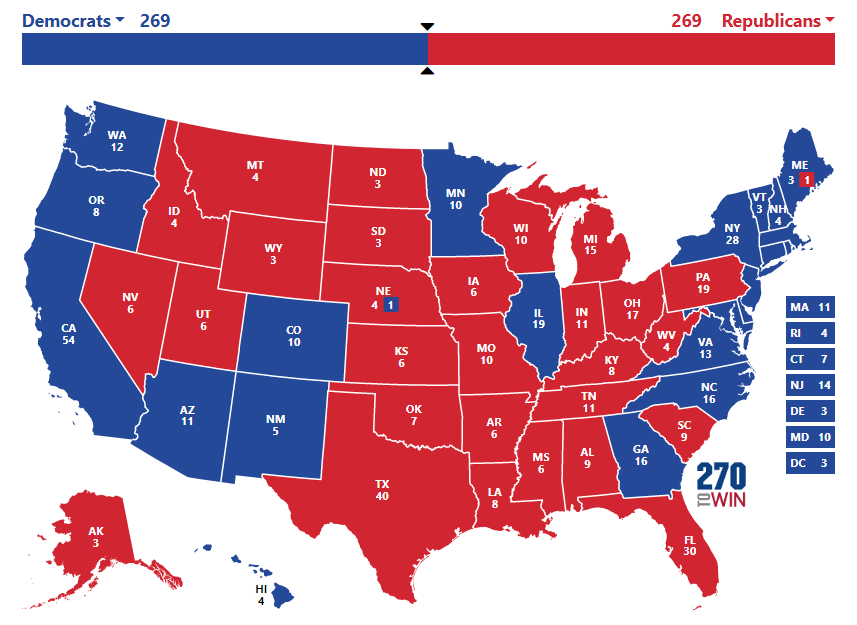
The political identity of New Orleans has been consistently Democratic for many decades. This trend is not a recent phenomenon but rather a reflection of the city’s evolving social and economic fabric over the 20th and 21st centuries.
- Post-Civil Rights Era: Following the Civil Rights Movement, many urban centers across the United States, including New Orleans, saw a significant shift in their political allegiances. The Democratic Party’s platform, which embraced civil rights and social justice, resonated strongly with the city’s diverse population.
- Dominance of the Democratic Party: For generations, Democratic candidates have overwhelmingly won elections at the local, state, and federal levels within New Orleans. This includes mayoral races, city council elections, and congressional representation. The party’s influence is evident in the policies enacted and the general discourse surrounding governance.
- Republican Presence: While the Republican Party does have registered voters and active members in New Orleans, their electoral success in city-wide and parish-wide elections has been minimal for a considerable period. Republican candidates typically face an uphill battle in a city that has cemented its Democratic identity.
Demographic Factors
The demographic makeup of New Orleans plays a crucial role in shaping its political leanings. The city is known for its rich tapestry of cultures, including a significant African American population, a vibrant LGBTQ+ community, and a diverse range of ethnic backgrounds.
- African American Voters: Historically, the African American community in New Orleans has been a cornerstone of the Democratic Party’s support. Issues related to social equity, economic opportunity, and civil rights have historically aligned with the Democratic platform.
- Urban, Diverse Population: Like many major urban centers, New Orleans tends to lean progressive and Democratic. The concentration of diverse populations, educational institutions, and a generally more liberal social outlook often correlates with Democratic voting patterns.
- Economic Influences: While not solely determinative, economic factors and class dynamics also contribute. The city’s economic structure, with its significant service industry and arts-focused economy, often aligns with policies promoted by the Democratic Party concerning labor rights, social safety nets, and economic development initiatives.
The Political Landscape in Practice

The Democratic majority in New Orleans is not just a matter of voting statistics; it influences the day-to-day governance, policy decisions, and the general atmosphere of the city.
Local Governance and Policy
The elected officials in New Orleans, from the Mayor’s office to the City Council, are overwhelmingly Democrats. This means that the policies and initiatives prioritized often reflect the core tenets of the Democratic platform.
- Social Programs and Services: Expect to see a strong emphasis on social programs, affordable housing initiatives, public transportation, and environmental protections – areas typically championed by Democrats.
- Economic Development: While economic development is a bipartisan concern, the approach in New Orleans often involves supporting small businesses, fostering a vibrant arts and culture sector, and promoting tourism in a way that aims to benefit the local community.
- Public Safety and Criminal Justice Reform: Discussions and actions around public safety and criminal justice reform are frequent topics of debate, with Democratic officials often advocating for approaches that include community policing, rehabilitation, and addressing the root causes of crime.
The Role of Independent Voters and Minor Parties
While the Democratic Party holds a dominant position, New Orleans is not a monolith. There are independent voters, and while less common, the influence of third parties or specific issue-based movements can occasionally emerge. However, these tend to operate within the broader Democratic framework or focus on highly localized issues rather than challenging the established party dominance.
How This Affects Visitors and Local Culture
For visitors to New Orleans, understanding the city’s political leanings might not be the primary reason for their trip, but it subtly shapes the visitor experience. The emphasis on community, cultural preservation, and certain social values can be seen as a byproduct of the city’s political leanings.
- Cultural Preservation: The strong support for arts, music, and heritage festivals often aligns with the Democratic Party’s emphasis on cultural investment and diversity. Efforts to preserve historic neighborhoods like the French Quarter or promote the unique musical traditions of New Orleans receive significant backing.
- Social Activism and Community Engagement: New Orleans has a history of robust community engagement and social activism. This spirit, while transcending political lines, is often amplified and supported by the prevailing political climate, which tends to encourage grassroots movements and public participation in governance.
- Hospitality and Inclusivity: The city’s renowned hospitality and its welcoming attitude towards diverse populations are deeply intertwined with its social fabric, which has been influenced by progressive policies and a general embrace of inclusivity, hallmarks of the Democratic Party’s platform in urban settings.

Beyond Politics: A City United by Culture
Ultimately, while the political landscape of New Orleans is firmly rooted in the Democratic Party, the city’s identity is far richer and more complex than its political affiliation. Its unique blend of cultures, its indomitable spirit, and its resilience, particularly in the face of adversity like Hurricane Katrina, unite its residents in ways that transcend partisan divides.
Visitors will find a city that is passionate about its history, its people, and its distinctive way of life. Whether exploring the historic streets of the Garden District, enjoying the live music on Frenchmen Street, or savoring a beignet at Cafe Du Monde, the essence of New Orleans lies in its vibrant, diverse, and unapologetically unique soul, a spirit that thrives regardless of political labels. The city’s deep commitment to its cultural heritage and community values is what truly defines it, making it a destination unlike any other in the United States.
LifeOutOfTheBox is a participant in the Amazon Services LLC Associates Program, an affiliate advertising program designed to provide a means for sites to earn advertising fees by advertising and linking to Amazon.com. Amazon, the Amazon logo, AmazonSupply, and the AmazonSupply logo are trademarks of Amazon.com, Inc. or its affiliates. As an Amazon Associate we earn affiliate commissions from qualifying purchases.