
Absolutely. Back Bay Boston stands out as one of Boston‘s most eminently walkable neighborhoods, offering an experience that actively encourages exploration on foot. Its meticulously planned grid system, wide, tree-lined sidewalks, and concentration of attractions within close proximity make it an ideal destination for pedestrians. From its elegant residential streets to its bustling commercial arteries, the design of Back Bay caters inherently to those who prefer to navigate by strolling, absorbing the intricate details of its architecture, and enjoying its vibrant street life at a leisurely pace. This inherent walkability is a cornerstone of the Back Bay experience, defining much of its charm and accessibility for both residents and visitors alike.

The Allure of Back Bay’s Pedestrian-Friendly Design
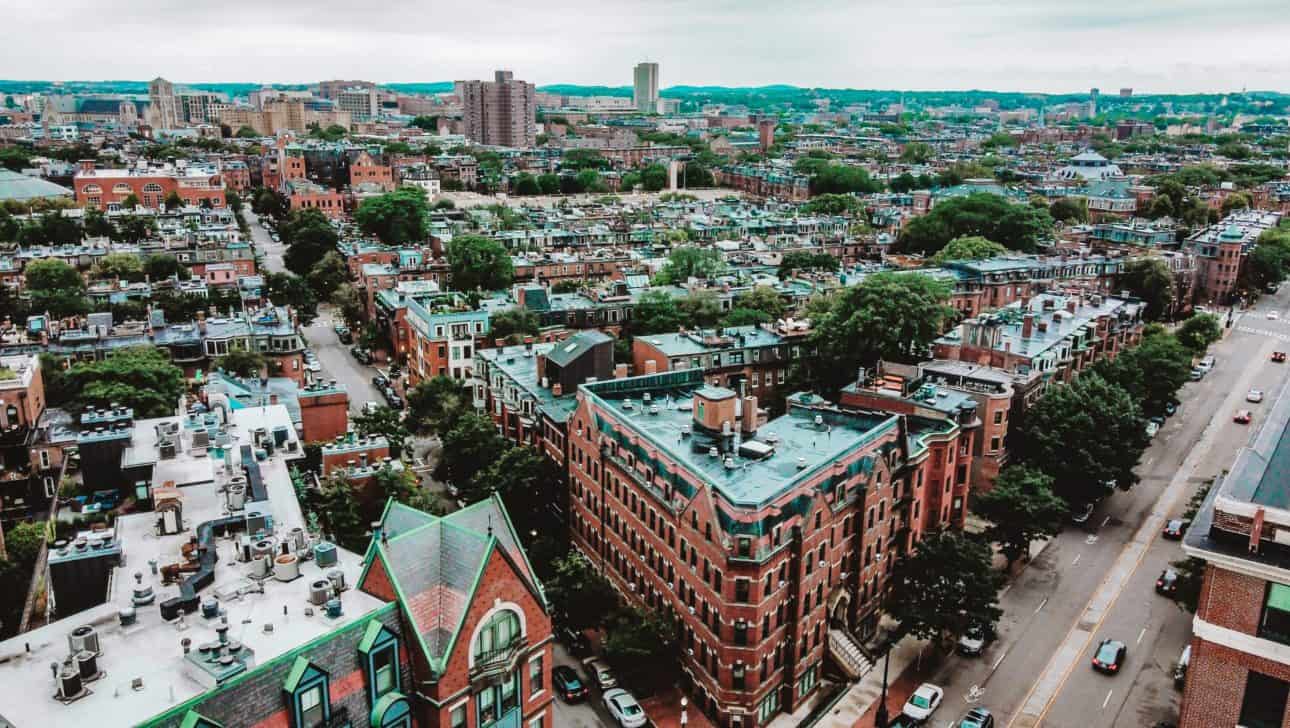
The walkability of Back Bay is not a happy accident but a testament to thoughtful 19th-century urban planning. Unlike the winding, often confusing cobblestone paths of older Boston neighborhoods like Beacon Hill or the North End, Back Bay, built on filled land, was laid out on a logical, grid-patterned street plan. This deliberate design has created an urban landscape that is exceptionally intuitive and easy to navigate for anyone on foot. The wide, brick-paved sidewalks are often shaded by mature trees, inviting long walks and providing a pleasant environment even on warmer days. This inherent structure fosters a sense of openness and accessibility that distinguishes Back Bay from many other historic city districts.
A Glimpse into Urban Planning
The visionary design of Back Bay dates back to the mid-1800s, transforming tidal flats into a premier residential and cultural district. The architects and city planners of the era envisioned grand boulevards and public spaces, prioritizing both aesthetic appeal and practical functionality. The result is a network of streets that are largely flat, making them effortless to traverse, and consistently proportioned, preventing the disorienting twists and turns often found elsewhere. This predictable layout means that getting lost is a rare occurrence, allowing pedestrians to focus on their surroundings rather than constantly consulting a map. Every block offers a visual treat, from the intricate details of Victorian brownstones to the meticulously maintained public gardens, ensuring that the journey is as rewarding as the destination.
Scenic Routes and Green Spaces
Enhancing its walkability are the numerous green spaces and scenic pathways interwoven throughout Back Bay. The iconic Commonwealth Avenue Mall serves as the neighborhood’s central green spine, a grand, tree-lined promenade stretching for several blocks. This linear park, dotted with statues and benches, provides a tranquil respite from city life and an ideal route for a leisurely stroll. Parallel to this, and forming the neighborhood’s northern boundary, is the Charles River Esplanade, offering miles of paved pathways along the Charles River. Here, pedestrians can enjoy panoramic views of the river, the Cambridge skyline, and the vibrant activity of rowers and sailboats. These interconnected green arteries not only provide beautiful walking paths but also link different parts of the neighborhood and beyond, making it simple to transition from an urban exploration to a riverside retreat without needing any other form of transport.
Navigating Back Bay’s Key Attractions on Foot
One of the greatest advantages of Back Bay’s walkability is the sheer density of world-class attractions packed into its relatively compact area. Virtually every major point of interest within the neighborhood can be reached within a 15-20 minute walk from a central location like Copley Square. This means visitors can easily spend an entire day, or even several, exploring galleries, historical sites, shops, and restaurants without ever needing to hail a cab or decipher public transport routes. The experience is intimate, allowing for spontaneous discoveries and a deeper connection to the pulse of the city.
Architectural Marvels and Cultural Hubs
Copley Square itself is a testament to Back Bay’s pedestrian appeal, serving as a vibrant public space surrounded by architectural masterpieces. Standing proudly in the square is the magnificent Trinity Church, an exemplary piece of Romanesque Revival architecture that invites admiration from every angle. Just steps away, the historic Boston Public Library offers both a stunning edifice and an enriching interior, its famous Bates Hall and tranquil courtyard being easily accessible on foot. A short walk from Copley Square brings visitors to the Hancock Tower (now 200 Clarendon Street), an iconic modern skyscraper contrasting beautifully with its historic neighbors. The proximity of these significant landmarks allows for an immersive architectural tour that requires nothing more than comfortable shoes.
Shopping and Dining Experiences
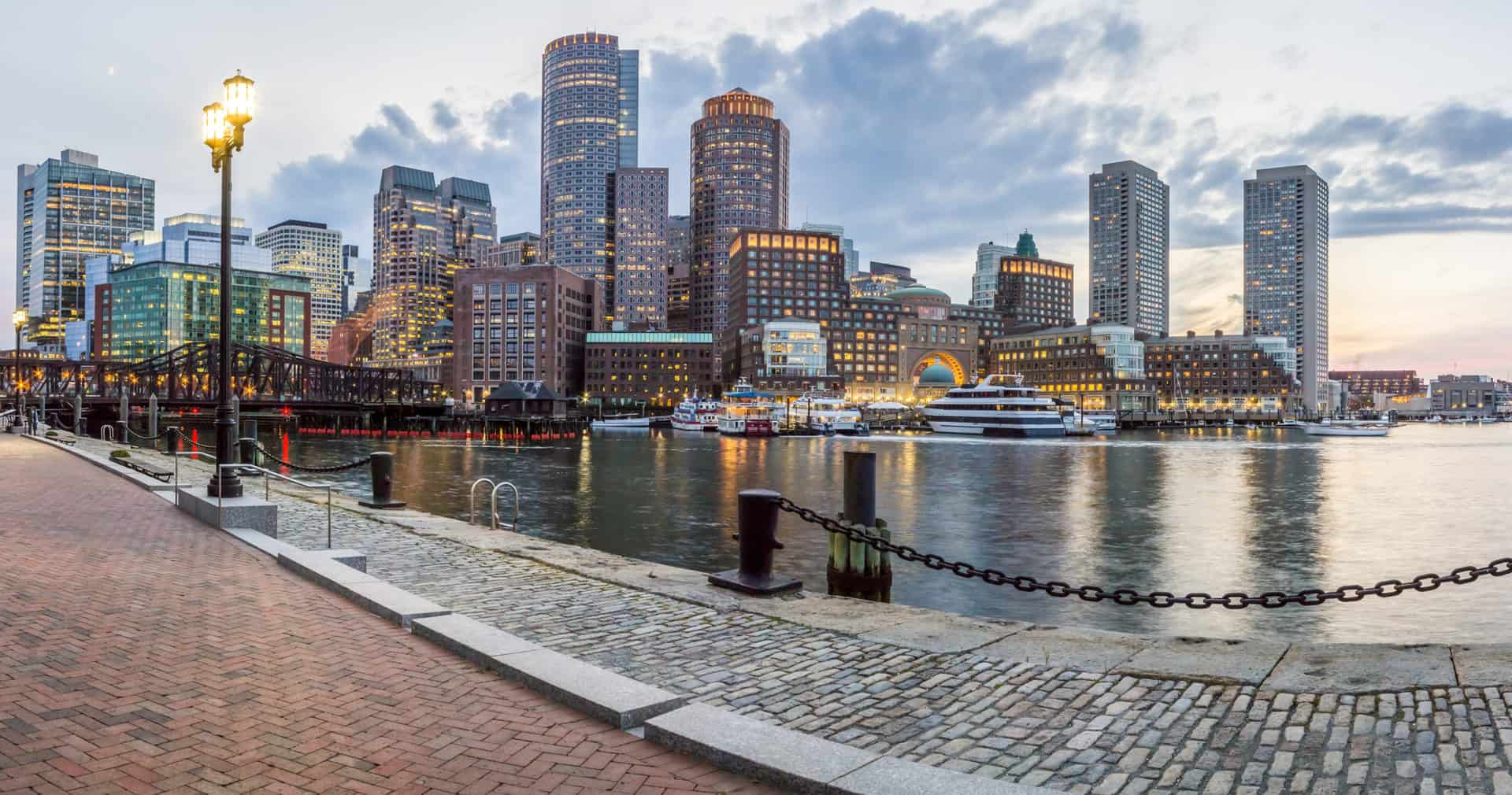
For those seeking retail therapy or culinary delights, Back Bay offers an unparalleled walking experience. Newbury Street, often referred to as Boston’s “Rodeo Drive,” is an eight-block stretch lined with high-end boutiques, art galleries, cafes, and restaurants. The entire street is designed for strolling, with wide sidewalks encouraging window shopping and alfresco dining. Parallel to Newbury Street is Boylston Street, offering a different mix of shops, eateries, and the bustling energy of the Boston Marathon finish line.
For indoor shopping and dining, the connected Prudential Center and Copley Place offer climate-controlled environments filled with luxury retailers, department stores, and diverse dining options. These indoor complexes are also seamlessly connected by pedestrian bridges, allowing for extensive exploration without ever stepping outside, a particular advantage during inclement weather. The layout ensures that whether you’re searching for a gourmet meal or the latest fashion, the journey is just as enjoyable as the destination.
Connecting to Other Boston Neighborhoods
Back Bay’s excellent walkability extends beyond its borders, serving as an ideal base for exploring neighboring districts. A leisurely walk over the Arthur Fiedler Footbridge leads directly to the Charles River Esplanade and eventually across to Cambridge. Head east, and you’ll quickly find yourself in the charming, gas-lit streets of Beacon Hill. To the south, the lively and historic South End, known for its Victorian architecture and vibrant restaurant scene, is easily accessible on foot. Even the sports and entertainment hub of Fenway-Kenmore, home to Fenway Park, is just a manageable walk west, particularly enjoyable on a game day. This seamless connectivity makes Back Bay not just a walkable neighborhood in itself, but a central node in a larger pedestrian-friendly network.
Practical Considerations for Walking in Back Bay
While Back Bay’s walkability is undoubtedly a highlight, a few practical considerations can enhance the pedestrian experience further. Understanding these elements ensures that visitors can fully leverage the neighborhood’s design and make the most of their time exploring on foot.
Public Transportation Accessibility
Even in a highly walkable neighborhood, public transportation plays a crucial supporting role, especially for longer distances or when tired feet call for a break. Back Bay is exceptionally well-served by the MBTA “T” system. Several Green Line stations, including Copley and Arlington (which also serves the Prudential Center), are situated directly on Boylston Street. Additionally, the Back Bay Station serves both the Orange Line and the Commuter Rail, connecting the neighborhood to broader regions of Boston and beyond. These stations are strategically placed to complement walking, allowing visitors to venture further afield to areas like the Museum of Fine Arts or the Freedom Trail’s starting point without requiring a lengthy trek. This multimodal accessibility means that Back Bay can serve as a pedestrian hub, enabling both localized exploration and wider city adventures.
Weather and Seasonal Impact
Boston’s weather can significantly influence the walking experience. Spring and fall are arguably the most delightful seasons for exploring Back Bay on foot, with mild temperatures, blooming flowers, or vibrant foliage. Summers can be warm and humid, making early morning or late afternoon walks more comfortable, with the shade from the abundant trees on Commonwealth Avenue providing some relief. Winters, however, can present challenges, with snow and ice potentially making sidewalks slippery. Despite this, city crews are generally efficient at clearing main thoroughfares, and the indoor connections between major shopping centers offer a warm alternative. Packing appropriate layers and footwear for the season is key to maximizing pedestrian enjoyment.
Safety and Pedestrian Infrastructure
Back Bay is generally considered a very safe neighborhood for pedestrians. Its residential character, combined with busy commercial streets, ensures a consistent presence of people, contributing to a secure environment. The pedestrian infrastructure is well-maintained, featuring clearly marked crosswalks, pedestrian signals, and ample street lighting, particularly along major arteries. Drivers in Boston are generally accustomed to a high volume of foot traffic, though vigilance is always advised at intersections. The emphasis on wide sidewalks also reduces congestion, allowing for comfortable passage even during peak hours, reinforcing the neighborhood’s commitment to a pleasant and safe walking experience.
The Ultimate Verdict: An Inviting Pedestrian Paradise
In conclusion, Back Bay Boston is not just walkable; it is a quintessential pedestrian paradise. Its intelligent grid layout, charming tree-lined streets, and abundance of cultural, historical, shopping, and dining destinations all within a compact area make it an absolute joy to explore on foot. The seamless integration of green spaces like the Commonwealth Avenue Mall and the Charles River Esplanade further enhances its appeal, offering scenic routes that double as recreational pathways.
For any traveler seeking an immersive urban experience where the journey between attractions is as rewarding as the destinations themselves, Back Bay delivers exceptionally. Its robust public transportation links provide convenient options for extending explorations beyond its borders, while its well-maintained infrastructure ensures safety and ease of navigation regardless of the season. To truly experience the elegance, history, and vibrant contemporary life of Back Bay, lace up your walking shoes and prepare to be charmed by every step. It’s an invitation to slow down, observe, and connect with the city in the most authentic way possible.
LifeOutOfTheBox is a participant in the Amazon Services LLC Associates Program, an affiliate advertising program designed to provide a means for sites to earn advertising fees by advertising and linking to Amazon.com. Amazon, the Amazon logo, AmazonSupply, and the AmazonSupply logo are trademarks of Amazon.com, Inc. or its affiliates. As an Amazon Associate we earn affiliate commissions from qualifying purchases.