
The world of culinary arts is rich with intriguing names, historical nuances, and regional specialties that often spark curiosity. Among these, few cuts of meat elicit as much discussion, and occasional confusion, as the “Boston butt.” For those navigating the diverse landscape of American cuisine, especially within the vibrant realm of barbecue, understanding this particular cut is fundamental. To decisively answer the initial query: the Boston butt is unequivocally pork. This widely celebrated cut, despite its misleading name, is a specific section of the pig’s shoulder, an essential component in countless beloved dishes, particularly the iconic pulled pork.

Unpacking the Culinary Mystery: What is Boston Butt?
The term “Boston butt” conjures images of beef, perhaps a robust cut from the hindquarters, but its true identity is rooted firmly in pork. This particular designation highlights a fascinating aspect of butchery and food history, making it a prime subject for culinary tourists seeking depth beyond the plate.
The Definitive Answer: It’s Pork!
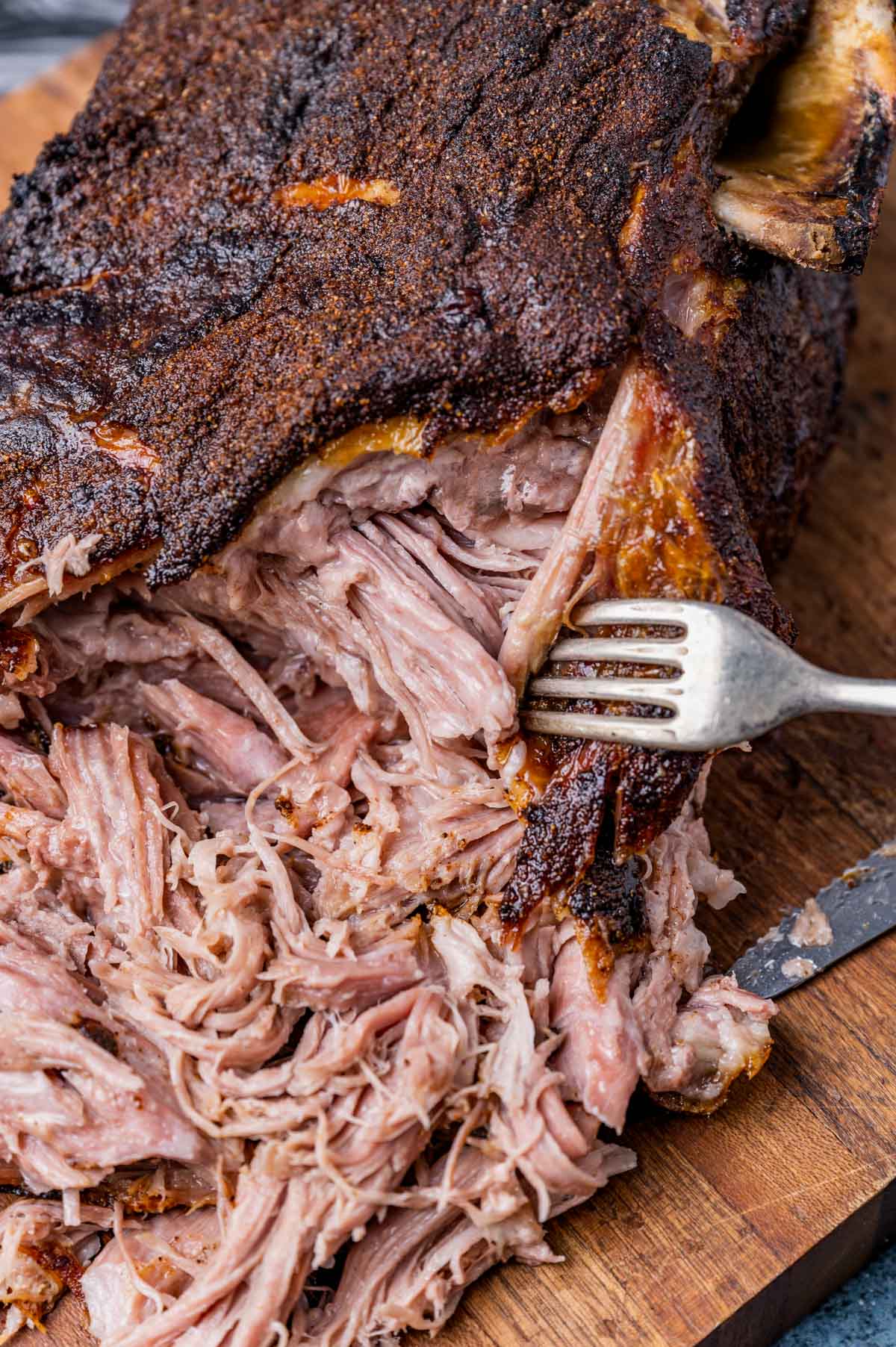
Specifically, the Boston butt refers to the upper part of the pork shoulder, which includes the blade bone. It’s a relatively tough cut with a good amount of connective tissue and marbling, making it perfectly suited for low-and-slow cooking methods. This characteristic fat and tissue render down beautifully over extended cooking times, resulting in exceptionally tender, moist, and flavorful meat. It’s distinct from the lower part of the shoulder, often called the picnic shoulder or picnic roast, which also comes from the pig’s front leg but has different muscle groups and bone structure.
Dispelling the Beef Confusion: Why the Name?
The name “Boston butt” is perhaps the greatest source of its mystery and misunderstanding. It has nothing to do with the anatomical “butt” of the animal, nor does it directly signify a beef product. The moniker’s origin traces back to colonial New England, specifically to Boston. In the pre-refrigeration era, butchers in this region would take less prized cuts of pork, like the shoulder, and pack them into wooden barrels for storage and transport. These barrels were known as “butts,” a term derived from an old English word referring to a cask or barrel, often holding around 126 gallons. Thus, the pork shoulder packed into these “butts” from Boston became known as “Boston butts.” This historical anecdote offers a captivating glimpse into the evolution of food preservation and terminology, a rich vein for those interested in the cultural history of cuisine.
The Heart of American Barbecue: A Regional Icon
The Boston butt is not just a cut of meat; it’s a cornerstone of American barbecue culture, particularly in the Southern United States. Its unique properties make it ideal for the slow smoking and roasting techniques that define many regional BBQ styles, drawing countless tourists to experience its magic firsthand.
From Farm to Pit: The Versatility of Pork Shoulder
The inherent qualities of the Boston butt – its robust marbling, significant fat cap, and abundance of connective tissue – are precisely what make it so valuable for barbecue. When subjected to hours of low, indirect heat, the fat slowly renders, basting the meat from within, while the collagen in the connective tissue breaks down into gelatin. This transformation yields a succulent product that easily shreds, a texture that is the hallmark of expertly prepared pulled pork. Beyond pulled pork, the Boston butt is also used for juicy pork roasts, flavorful carnitas, and even ground pork, showcasing its impressive versatility in various culinary traditions.
The Art of Pulled Pork: A Culinary Tradition
Pulled pork, arguably the most famous preparation utilizing the Boston butt, is a quintessential dish in American comfort food and barbecue lore. The process typically involves seasoning the pork shoulder with a dry rub, often a secret blend of spices passed down through generations, and then smoking it for 8–12 hours (or even longer, depending on size and pitmaster preference) until it reaches an internal temperature where it can be easily “pulled” or shredded by hand or with forks. This slow cooking allows the smoky flavors to permeate the meat, creating a complex taste profile that varies significantly across different barbecue regions. From the vinegar-based sauces of the Carolinas to the sweet and tangy glazes of Kansas City, the humble Boston butt serves as the perfect canvas for these diverse regional expressions, inviting food tourists on a flavorful exploration.
Boston Butt and the Tapestry of Food Tourism
For travelers keen on experiencing local culture through its cuisine, the journey into the world of Boston butt and its barbecue manifestations offers an unparalleled adventure. Food tourism is increasingly about authenticity, history, and the communal experience, all of which are embodied in a perfectly smoked pork shoulder.
Navigating America’s Barbecue Belt
The prevalence of the Boston butt means that any serious exploration of American barbecue will inevitably lead to its delicious embrace. The “Barbecue Belt,” stretching across the Southern and Midwestern United States, is dotted with legendary smokehouses and pitmasters, each with their distinct approach to this cut.
- Carolina Barbecue: In North and South Carolina, whole hog barbecue is paramount, but pulled pork from the shoulder is also a staple, often served with a thin, tangy vinegar-based sauce or a mustard-based sauce (particularly in South Carolina). The emphasis is on the pure flavor of the pork, enhanced by smoke and acidity.
- Memphis Barbecue: Known for its “dry rub” ribs, Memphis also boasts incredible pulled pork, often served on a bun with a thick, sweet, and smoky tomato-based sauce. The preparation focuses on achieving a tender, flavorful interior with a satisfying bark on the exterior.
- Kansas City Barbecue: A melting pot of barbecue styles, Kansas City features a wide array of meats and sauces. Pulled pork from the Boston butt is frequently found here, often slathered in a thick, sweet, and spicy tomato-molasses sauce, highlighting the region’s love for bold flavors.
- Texas Barbecue: While Texas is most famous for its beef brisket, many establishments also serve excellent pulled pork, reflecting the broader appeal and versatility of the Boston butt even in beef-centric regions.
Each region offers a unique take on the Boston butt, making a barbecue road trip a truly diverse and delicious travel experience.
Culinary Journeys: Experiencing Local Flavors
Food tourists are increasingly seeking immersive experiences, and few things are as immersive as exploring the local barbecue scene. This isn’t just about eating; it’s about understanding the culture, the history, and the passion that goes into preparing these dishes. Festivals like the Memphis in May World Championship Barbecue Cooking Contest or local cook-offs provide a vibrant atmosphere where visitors can sample diverse styles and interact with pitmasters. Visiting small, family-run smokehouses or renowned barbecue joints allows travelers to witness the craft firsthand, often learning about the specific wood used (hickory, oak, pecan), the secret rub ingredients, and the dedication required to achieve perfect tenderness and flavor.
Beyond the Plate: Cultural Significance and Exploration
The Boston butt transcends its identity as a mere cut of meat; it’s a symbol of culinary heritage, communal dining, and regional pride. For the discerning tourist, engaging with this aspect of food culture offers deeper insights into the places they visit.
The Butcher’s Craft and Local Sourcing
Understanding the Boston butt also means appreciating the craft of the butcher. High-quality pork, often sourced from local farms that prioritize animal welfare and sustainable practices, forms the foundation of exceptional barbecue. Many pitmasters develop relationships with local hog farmers, ensuring a consistent supply of superior meat. This focus on local sourcing is a growing trend in food tourism, as travelers seek out establishments that support local economies and offer transparent supply chains. Learning about the journey of the pork from farm to pit can be an enriching part of a culinary tour, connecting consumers directly to the source of their food.

Planning Your Gastronomic Adventure
For those inspired to embark on a Boston butt focused culinary adventure, careful planning can enhance the experience.
- Research Reputable Establishments: Look for local favorites, often identified by long lines, awards, or word-of-mouth recommendations. Dive into online reviews, but also ask locals for their top picks.
- Explore Regional Variations: Don’t limit yourself to one style. If you’re in North Carolina, try both Eastern and Western Carolina barbecue. In Memphis, sample both dry-rub and wet-sauced pulled pork.
- Attend Festivals and Competitions: These events offer a fantastic opportunity to taste a wide range of barbecue from different teams and pitmasters in one location, providing an excellent overview of the local scene.
- Engage with Locals: Don’t hesitate to strike up conversations with pitmasters, restaurant owners, or even fellow diners. They often have fascinating stories, historical insights, and tips for enjoying the local food culture to its fullest.
- Consider a Barbecue Trail: Some states or regions have designated barbecue trails (e.g., the Alabama Barbecue Trail) that guide visitors to noteworthy establishments, making the journey itself part of the adventure.
In conclusion, the Boston butt is a testament to the rich history and vibrant culture embedded in our food. It’s pork, it’s delicious, and it’s an invitation to explore the delicious world of American barbecue, one pulled pork sandwich at a time. For the food tourist, it represents a compelling entry point into the heart and soul of regional American cuisine.
LifeOutOfTheBox is a participant in the Amazon Services LLC Associates Program, an affiliate advertising program designed to provide a means for sites to earn advertising fees by advertising and linking to Amazon.com. Amazon, the Amazon logo, AmazonSupply, and the AmazonSupply logo are trademarks of Amazon.com, Inc. or its affiliates. As an Amazon Associate we earn affiliate commissions from qualifying purchases.