
Understanding the scope of homelessness in any major metropolis is crucial for effective policy-making, resource allocation, and, most importantly, for approaching the issue with empathy and a commitment to finding solutions. When considering a city as vast and dynamic as Chicago, the question of “how many” becomes a complex one, involving intricate data collection methods, varying definitions of homelessness, and the ever-changing nature of urban populations. This exploration delves into the methodologies used to count individuals experiencing homelessness in Chicago, the most recent figures available, and the factors that contribute to the challenges in obtaining precise numbers.
The Challenge of Counting: Methodologies and Definitions
Accurately quantifying homelessness is an inherently difficult task. Unlike static populations, those experiencing homelessness are often transient, making traditional census methods insufficient. Cities across the United States typically rely on two primary methods to estimate their homeless populations: the Point-in-Time (PIT) count and administrative data.
The Point-in-Time (PIT) Count
The PIT count is a federally mandated, single-night snapshot of the homeless population. Conducted annually, usually in January, it aims to count every individual experiencing homelessness on a specific night. This involves outreach teams fanning out across the city to survey those in shelters, transitional housing programs, and unsheltered locations such as streets, parks, encampments, and vehicles.
The PIT count is a monumental undertaking. It requires significant coordination among government agencies, non-profit organizations, volunteers, and law enforcement. Teams are trained to identify individuals who meet the U.S. Department of Housing and Urban Development’s (HUD) definition of homelessness, which includes people living in places not meant for human habitation, in emergency or transitional shelters, or who are about to lose their housing and lack the resources or support networks to remain housed.
Despite its comprehensive nature, the PIT count has inherent limitations. It is a single-night estimate and may not capture individuals who find temporary shelter on that particular night or those who are more hidden and harder to locate. The count can also be influenced by weather conditions, with colder weather potentially driving more unsheltered individuals into shelters, thus inflating shelter numbers while potentially undercounting those who avoid visible public spaces.
Administrative Data
Complementing the PIT count, administrative data provides a more continuous, though often incomplete, picture of homelessness. This data is collected from various sources, including:
- Continuum of Care (CoC) Homeless Management Information System (HMIS): This is a critical database used by local homeless service providers to track clients and services. It captures individuals who access shelters, housing programs, and other supportive services. While comprehensive for those who engage with service providers, it does not account for individuals who do not seek or receive assistance.
- School Systems: Data from local school districts can identify homeless children and youth, often defined by HUD as those lacking a fixed, regular, and adequate nighttime residence, including those doubled up with friends or family due to economic hardship.
- Shelter Records: Individual shelters maintain records of their residents, contributing to the overall understanding of temporary housing needs.
The strength of administrative data lies in its ability to provide trends and track individuals over time. However, it’s limited by the fact that not everyone experiencing homelessness accesses these systems. The accuracy of administrative data is also dependent on the quality of data entry and the comprehensiveness of the reporting agencies.
Recent Figures and Trends in Chicago
Estimating the exact number of people experiencing homelessness in Chicago is an ongoing effort, with figures fluctuating annually and between different methodologies. Official counts are typically released by the Chicago Department of Housing and by HUD.
In recent years, the PIT count for Chicago has generally shown a substantial number of individuals experiencing homelessness. For instance, the 2023 PIT count reported approximately 6,678 individuals experiencing homelessness on a single night in January. This figure represents a significant increase from previous years, reflecting broader societal and economic pressures.
Breakdown of the Homeless Population
The PIT count typically categorizes individuals experiencing homelessness into several groups:

- Sheltered Homeless: This includes individuals residing in emergency shelters, transitional housing programs, and safe havens.
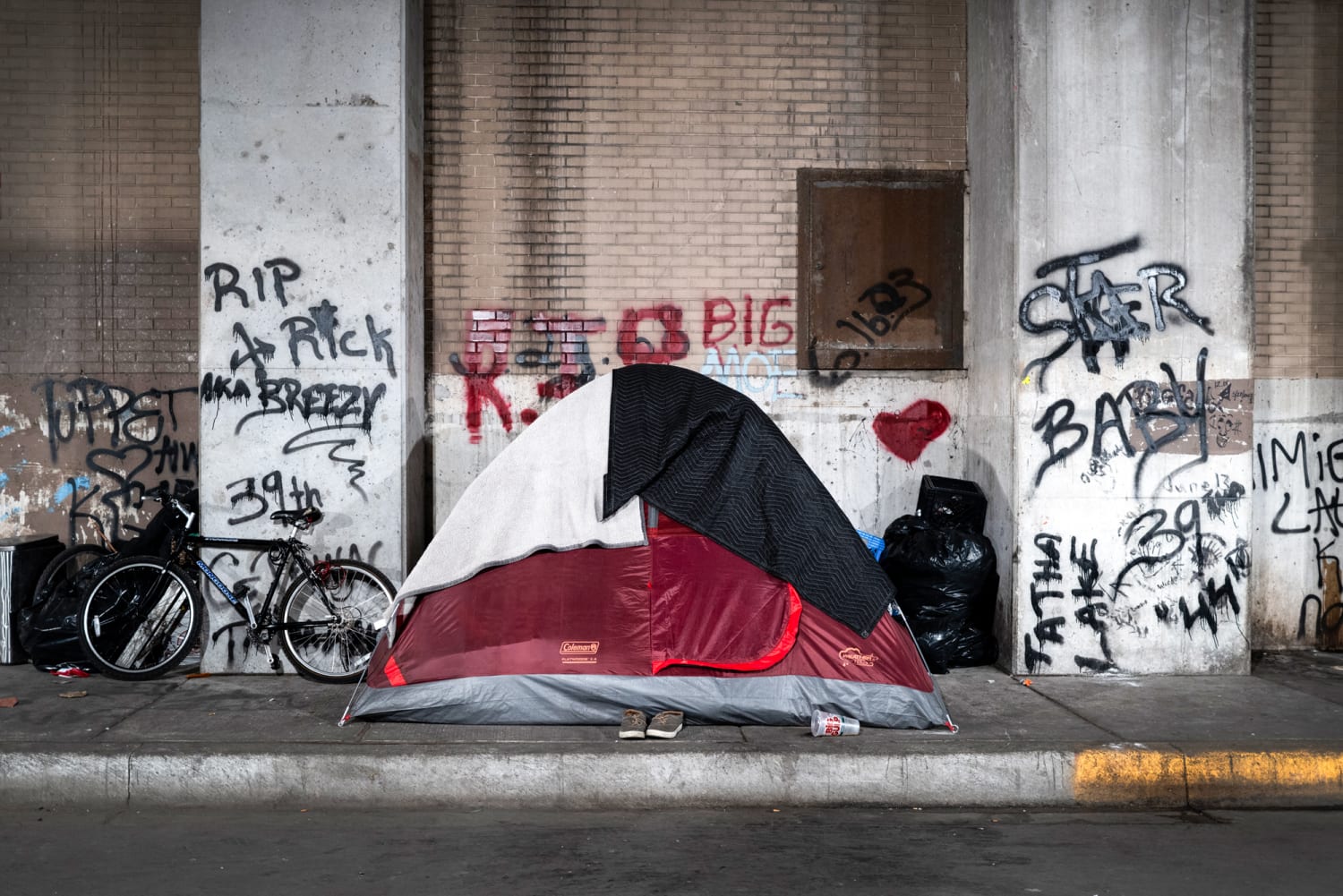
- Unsheltered Homeless: This group comprises individuals sleeping in places not meant for human habitation, such as on the streets, in parks, abandoned buildings, encampments, or in vehicles.
The increase observed in the 2023 count was largely attributed to a rise in the unsheltered population. This trend is a cause for concern, highlighting the limitations of existing shelter capacity and the complex challenges faced by those who remain on the streets.
Contributing Factors to Homelessness in Chicago
Several interconnected factors contribute to the prevalence of homelessness in a city like Chicago:
Economic Instability and Lack of Affordable Housing
A primary driver of homelessness is the widening gap between income and the cost of housing. In Chicago, as in many major urban centers, rental prices have soared, outpacing wage growth for low-income residents. A sudden job loss, medical emergency, or other financial crisis can quickly lead to eviction and homelessness for individuals and families living paycheck to paycheck. The scarcity of truly affordable housing options, especially for those with very low incomes or disabilities, exacerbates this problem.
Systemic Issues and Vulnerable Populations
Certain populations are disproportionately affected by homelessness due to systemic inequities and vulnerabilities:
- Individuals with Mental Health Conditions: Untreated or inadequately treated mental illness can impair an individual’s ability to maintain employment, secure housing, and manage daily life, often leading to or prolonging homelessness.
- Individuals with Substance Use Disorders: Addiction can create financial instability, strain relationships, and contribute to a cycle of homelessness.
- Veterans: While significant progress has been made in addressing veteran homelessness, some veterans continue to face challenges related to transitioning back to civilian life, including employment difficulties and mental health issues.
- Youth and Young Adults: Particularly LGBTQ+ youth and those aging out of foster care, often face rejection from families or lack the support systems needed to secure stable housing.
- Victims of Domestic Violence: Fleeing an abusive situation can leave individuals with no immediate housing options.
Health Crises and Disasters
Recent years have seen the impact of public health crises, such as the COVID-19 pandemic, which strained resources and led to increased economic hardship. Moreover, personal health crises, including chronic illnesses or sudden debilitating conditions, can strip individuals of their ability to work and afford housing.
Systemic Failures in Support Networks
The breakdown of social support networks – family, friends, or community resources – can leave individuals with nowhere to turn when they face housing instability. For those aging out of foster care or leaving correctional facilities, the lack of robust transitional support services can significantly increase their risk of homelessness.
Addressing Homelessness: A Multifaceted Approach
Understanding the numbers is only the first step. Effectively addressing homelessness in Chicago requires a comprehensive, coordinated, and compassionate approach that tackles both the immediate needs of individuals and the underlying systemic causes.
Prevention and Diversion Programs
The most effective strategies often focus on preventing homelessness before it occurs. This includes:
- Emergency Rental Assistance: Providing financial aid to individuals and families at risk of eviction.
- Mediation and Legal Services: Helping tenants navigate landlord disputes and access legal representation.
- Diversion Programs: Offering one-time financial assistance or connection to resources for those on the brink of homelessness to help them secure immediate housing solutions without entering the shelter system.
Housing First Model
The “Housing First” philosophy has gained significant traction as a successful model for addressing chronic homelessness. This approach prioritizes providing immediate access to permanent housing without preconditions such as sobriety or treatment compliance. Once housed, individuals are offered voluntary supportive services tailored to their needs, such as mental health care, substance use treatment, and job training. Evidence suggests that Housing First leads to better housing retention rates and improved health outcomes.
Shelter and Transitional Housing
While the ultimate goal is permanent housing, accessible and safe emergency shelters and transitional housing programs remain vital. These provide immediate relief and a stable environment for individuals to begin the process of recovery and rehousing. Improvements in shelter conditions, extended hours, and specialized services for different demographics (e.g., families, youth, individuals with pets) can enhance their effectiveness.
Supportive Services
Beyond housing, robust supportive services are critical for long-term stability. This includes:
- Mental Health and Substance Use Treatment: Accessible and affordable treatment options are crucial for individuals struggling with these challenges.
- Healthcare: Addressing physical health needs, as chronic health issues can be both a cause and consequence of homelessness.
- Employment and Job Training: Helping individuals gain the skills and support needed to find sustainable employment.
- Case Management: Providing personalized support to navigate complex systems, access benefits, and achieve housing goals.

Policy and Advocacy
Advocacy for systemic change is also paramount. This involves:
- Increasing the Affordable Housing Supply: Investing in and incentivizing the development of more affordable housing units across the city.
- Strengthening Social Safety Nets: Ensuring adequate funding for programs that support low-income individuals and families, including food assistance, healthcare, and childcare.
- Addressing Systemic Discrimination: Working to dismantle discriminatory practices that contribute to disproportionate rates of homelessness among certain racial and ethnic groups.
While pinpointing the exact number of individuals experiencing homelessness in Chicago remains a dynamic challenge, the available data, particularly from the PIT count, provides a critical baseline for understanding the scale of the issue. The observed increases in recent years underscore the urgent need for sustained and intensified efforts. By combining data-driven insights with a commitment to comprehensive solutions – from prevention and diversion to robust supportive services and policy reform – Chicago can continue to strive towards its goal of ensuring that every resident has a safe and stable place to call home. The journey towards ending homelessness is complex, requiring continuous evaluation, adaptation, and a deep understanding of the human stories behind the statistics.
LifeOutOfTheBox is a participant in the Amazon Services LLC Associates Program, an affiliate advertising program designed to provide a means for sites to earn advertising fees by advertising and linking to Amazon.com. Amazon, the Amazon logo, AmazonSupply, and the AmazonSupply logo are trademarks of Amazon.com, Inc. or its affiliates. As an Amazon Associate we earn affiliate commissions from qualifying purchases.