
The question of darkness in Alaska is far more nuanced than a simple answer. It’s a captivating dance between light and shadow, dictated by the Earth’s tilt and Alaska’s high latitude. This unique celestial rhythm profoundly shapes the landscape, wildlife, and human experience, making it a critical consideration for any traveler planning an adventure to the Last Frontier. Understanding these extreme light cycles is key to unlocking the full potential of your Alaska journey, whether you dream of endless summer days or the profound darkness required to witness the Northern Lights.
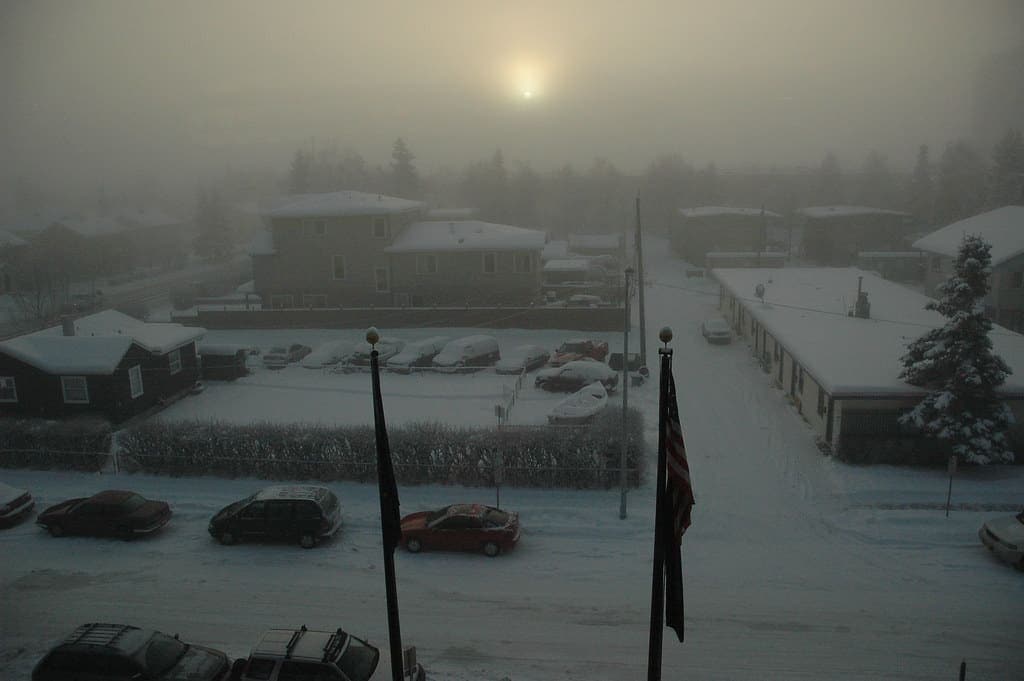
The Phenomenon of Polar Day and Night
Alaska’s distinctive light patterns are a direct consequence of its position on the globe. The Earth’s axial tilt of approximately 23.5 degrees means that as our planet orbits the sun, different parts are exposed to varying amounts of sunlight throughout the year. For regions close to the poles, this tilt leads to extended periods of either continuous daylight or prolonged darkness.
Understanding the Arctic Circle’s Influence
The most dramatic light phenomena occur above the Arctic Circle, an imaginary line of latitude situated at roughly 66.5 degrees North. Any location north of this line experiences at least one day of 24-hour sunlight (the Midnight Sun) and at least one day of 24-hour darkness (polar night) annually.
In Alaska, the Arctic Circle bisects the state, meaning that cities like Fairbanks are just below it, while communities further north, such as Utqiagvik (formerly Barrow), are deep within polar territory. Utqiagvik, the northernmost city in the United States, exemplifies these extremes, experiencing months without the sun cresting the horizon during winter and months where it never sets in summer.
Seasonal Variations Across the State
While the Arctic Circle marks the official boundary for true polar day and night, its influence extends throughout the state, leading to significant seasonal variations in daylight hours.
- Northern Alaska (Above the Arctic Circle): In places like Utqiagvik, the sun sets in mid-November and does not rise again until late January, resulting in approximately 65 days of continuous darkness. Conversely, the sun rises in mid-May and doesn’t set until early August, offering about 80 days of constant daylight.
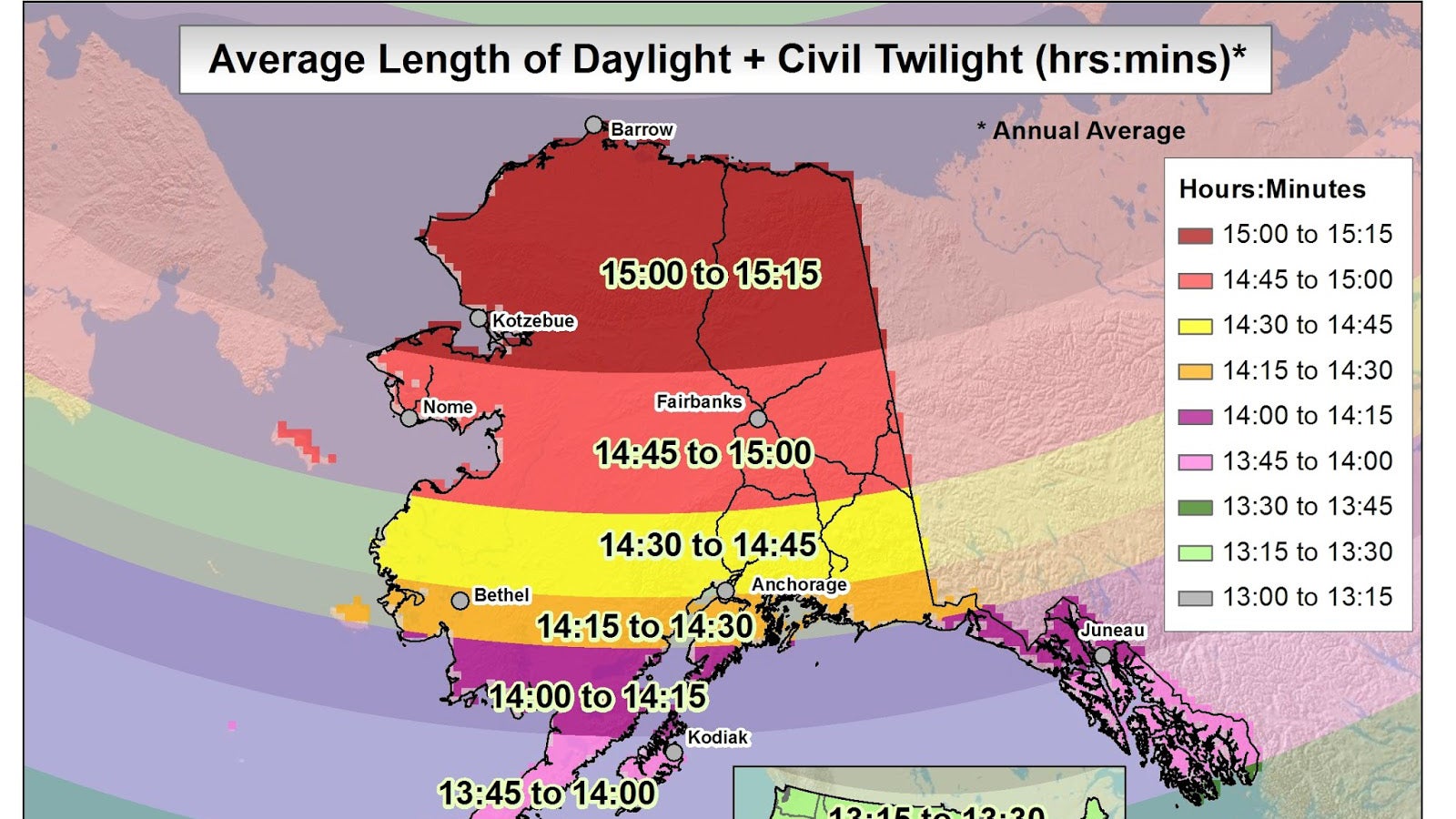
- Central Alaska (e.g., Fairbanks): Although just south of the Arctic Circle, Fairbanks experiences extremely short days in winter, with as little as 3-4 hours of direct sunlight around the winter solstice. In summer, it enjoys nearly 24 hours of usable daylight, with the sun dipping just below the horizon for a brief twilight period.
- Southern Alaska (e.g., Anchorage, Juneau): These more populated areas still see significant seasonal shifts. Around the winter solstice in Anchorage, daylight can be as short as 5-6 hours. In contrast, the summer solstice brings almost 19 hours of effective daylight, with long, lingering twilight extending the usable hours significantly. Even further south in Juneau, the capital, the shortest day has about 6.5 hours of light, while the longest boasts over 17.5 hours.
These regional differences highlight the importance of knowing your specific destination within Alaska when considering daylight and darkness.
Winter’s Embrace: Days of Darkness and Twilight
For many, the concept of darkness in Alaska conjures images of endless night. While this is true for extreme northern regions, the reality for most accessible parts of the state during winter is a period of significantly reduced daylight, often characterized by extended twilight.
The True Duration of Darkness
When we talk about “darkness” in Alaska during winter, it’s rarely a continuous, pitch-black void outside the immediate vicinity of the Arctic Circle. Instead, it’s a spectrum of twilight that transitions from deep astronomical twilight (where the sun is more than 18 degrees below the horizon, making it truly dark) to civil twilight (when the sun is less than 6 degrees below the horizon, providing enough light for outdoor activities without artificial illumination).
In Utqiagvik, the sun remains below the horizon for approximately 65 days. During this period, the sky cycles through civil, nautical, and astronomical twilight, offering a few hours of dim light around midday, particularly in the early and late stages of the polar night. For cities like Anchorage or Fairbanks, December and January see the shortest days, typically yielding 4-6 hours of low-angle sunlight. This light often paints the snow-covered landscape in stunning hues of pink, purple, and orange, rather than plunging it into absolute blackness.
Activities and Experiences in Winter
Far from being a deterrent, the darkness of Alaska’s winter creates a unique setting for extraordinary travel experiences.
- Northern Lights Viewing: The extended darkness, especially from September to April, provides the ideal canvas for witnessing the mesmerizing Aurora Borealis. Fairbanks is often hailed as one of the best places on Earth for aurora viewing due to its location, clear skies, and lack of light pollution. Travelers can embark on guided tours, stay in specialized lodges, or even view them from ice hotels.
- Winter Sports and Adventures: Alaska’s snow-laden landscape becomes a playground for dog sledding, cross-country skiing, downhill skiing and snowboarding at resorts like Alyeska Resort near Girdwood, and snowmobiling. The soft winter light lends an ethereal quality to these outdoor pursuits.
- Ice Sculpting and Festivals: Many communities embrace the cold and darkness with vibrant festivals. The World Ice Art Championships in Fairbanks attract artists from around the globe, transforming massive blocks of ice into intricate sculptures, often illuminated to stunning effect.
- Cozy Retreats: Winter is also a time for hygge in Alaska. Cozy cabins, warm lodges, and hot springs become inviting havens, offering a chance to relax and soak in the tranquil beauty of the Alaskan winter.
Summer’s Endless Light: The Midnight Sun
Just as winter brings profound darkness, summer in Alaska ushers in the phenomenon of the Midnight Sun, where daylight stretches for an astonishing number of hours, defying conventional notions of nightfall.
Experiencing 24 Hours of Daylight
The Midnight Sun is perhaps one of Alaska’s most celebrated natural wonders. Above the Arctic Circle, the sun literally does not set for weeks or even months. Below the Arctic Circle, while the sun may technically dip below the horizon, the sky remains bright due to the long, lingering twilight.
In Anchorage, during the summer solstice (around June 21st), the city experiences nearly 19 hours of direct sunlight, with only a few hours of civil twilight preventing true darkness. This means you can golf at midnight, hike trails late into the evening, or simply enjoy the extended hours for exploring. Even in Seward on the Kenai Peninsula, you’ll find similar lengthy days, perfect for sea kayaking or fishing well past dinner time. The intensity of this light, especially for those accustomed to distinct day-night cycles, can be disorienting but incredibly exhilarating. Many Alaskans and seasoned travelers swear by blackout curtains and eye masks to ensure restful sleep during this period.
Summer Travel Opportunities
The abundance of light in summer transforms Alaska into an adventurer’s paradise, offering unparalleled opportunities for exploration and outdoor activities.
- Hiking and Backpacking: With seemingly endless daylight, trails in destinations like Denali National Park or the Chugach Mountains can be explored for longer, maximizing chances for wildlife viewing and breathtaking scenery.
- Wildlife Viewing: Summer is prime time to see Alaska’s iconic wildlife. Bears, moose, caribou, and migratory birds are active. Coastal areas, like Kodiak Island or Seward, offer incredible opportunities for whale watching, sea otter spotting, and viewing puffins.
- Fishing and Water Sports: The long days mean more time for world-class salmon fishing in rivers across the state or deep-sea fishing for halibut and lingcod. Kayaking, rafting, and boating excursions become more accessible and enjoyable with extended daylight.
- Cruises and Coastal Exploration: Many visitors opt for an Alaska cruise, exploring the stunning glaciers and fjords of the Inside Passage and destinations like Glacier Bay National Park. The Midnight Sun ensures constant panoramic views.
- Festivals and Events: Alaskans celebrate the light with numerous summer festivals, showcasing local culture, music, and food. The Midnight Sun Baseball Game in Fairbanks, played without artificial lights, is a testament to the unique nature of summer in the North.
Planning Your Alaskan Adventure: Seasonal Considerations
The dramatic shifts in Alaska’s light cycles are not merely a curiosity but a fundamental aspect of planning your travel itinerary. The duration of darkness, or conversely, daylight, directly influences available activities, local atmosphere, and even what you need to pack.
Choosing the Right Time to Visit
Deciding when to visit Alaska should hinge on what experiences you prioritize:
- For the Northern Lights: Winter (September to April) is unequivocally the best season. The longer nights and clearer skies provide optimal conditions for aurora viewing. Expect cold temperatures, snow, and limited daylight hours.
- For Extensive Outdoor Activities and Wildlife: Summer (June to August) offers the warmest weather, longest days, and peak accessibility to national parks, hiking trails, and waterways. This is the busiest tourist season, so expect crowds and higher prices.
- For a Balance or Shoulder Season Deals: Spring (May) and Fall (September-October) offer a transitional experience. May brings increasing daylight and awakening wildlife, while September and early October provide stunning fall foliage, a chance for both lingering daylight activities and early aurora viewing, and fewer crowds.
Practical Tips for Managing Light Extremes
Adapting to Alaska’s light extremes is crucial for an enjoyable and comfortable trip.
- During Winter’s Darkness:
- Layered Clothing: Essential for staying warm in cold temperatures.
- Good Lighting: A reliable headlamp or flashlight is invaluable for navigating in low light, especially outside urban areas.
- Vitamin D: Consider supplementing, as natural sunlight exposure is minimal.
- Embrace the Glow: Appreciate the unique quality of winter light – the soft pastels of twilight, the crisp brilliance of snow under moonlight, and the vibrant greens of the aurora.
- During Summer’s Endless Light:
- Blackout Curtains/Eye Masks: Absolutely essential for getting quality sleep, as your body clock might struggle to differentiate day from night. Many accommodations provide them.
- Consistent Sleep Schedule: Try to stick to a regular bedtime, even when it feels like midday.
- Sun Protection: Sunglasses and sunscreen are vital, as the sun, even at a low angle, can be intense.
- Take Advantage: Plan activities for late evenings. Fishing at 10 PM or an evening hike can be truly magical experiences unique to the Midnight Sun.
The length of darkness in Alaska is a dynamic, awe-inspiring force that defines its character. Whether you seek the profound solitude and celestial displays of winter or the invigorating, boundless energy of summer, understanding these light cycles will empower you to craft an unforgettable Alaskan adventure tailored to your deepest desires.
LifeOutOfTheBox is a participant in the Amazon Services LLC Associates Program, an affiliate advertising program designed to provide a means for sites to earn advertising fees by advertising and linking to Amazon.com. Amazon, the Amazon logo, AmazonSupply, and the AmazonSupply logo are trademarks of Amazon.com, Inc. or its affiliates. As an Amazon Associate we earn affiliate commissions from qualifying purchases.