
Visiting Boston, Massachusetts, during a federal holiday often sparks questions about crowd levels, and Juneteenth is no exception. As this significant day, commemorating the emancipation of enslaved people in the United States, gains broader recognition and celebration, its impact on travel patterns and urban density becomes an important consideration for prospective visitors. Boston’s rich historical tapestry, including its pivotal role in the abolitionist movement, positions it as a particularly resonant destination for reflection and celebration, naturally drawing increased interest. While “crowded” is subjective, a careful analysis of seasonal trends, event calendars, and the nature of the holiday itself can provide clear expectations for travelers.

Understanding Juneteenth in Boston: A Growing Significance
Juneteenth, observed annually on June 19th, marks the day in 1865 when Union soldiers arrived in Galveston, Texas, announcing the end of the Civil War and the emancipation of all enslaved people, more than two years after the Emancipation Proclamation. While traditionally celebrated in various communities, its declaration as a federal holiday in 2021 significantly elevated its profile nationwide. This newfound national recognition has encouraged more Americans to learn about and participate in its observance, often through travel to historically significant cities.
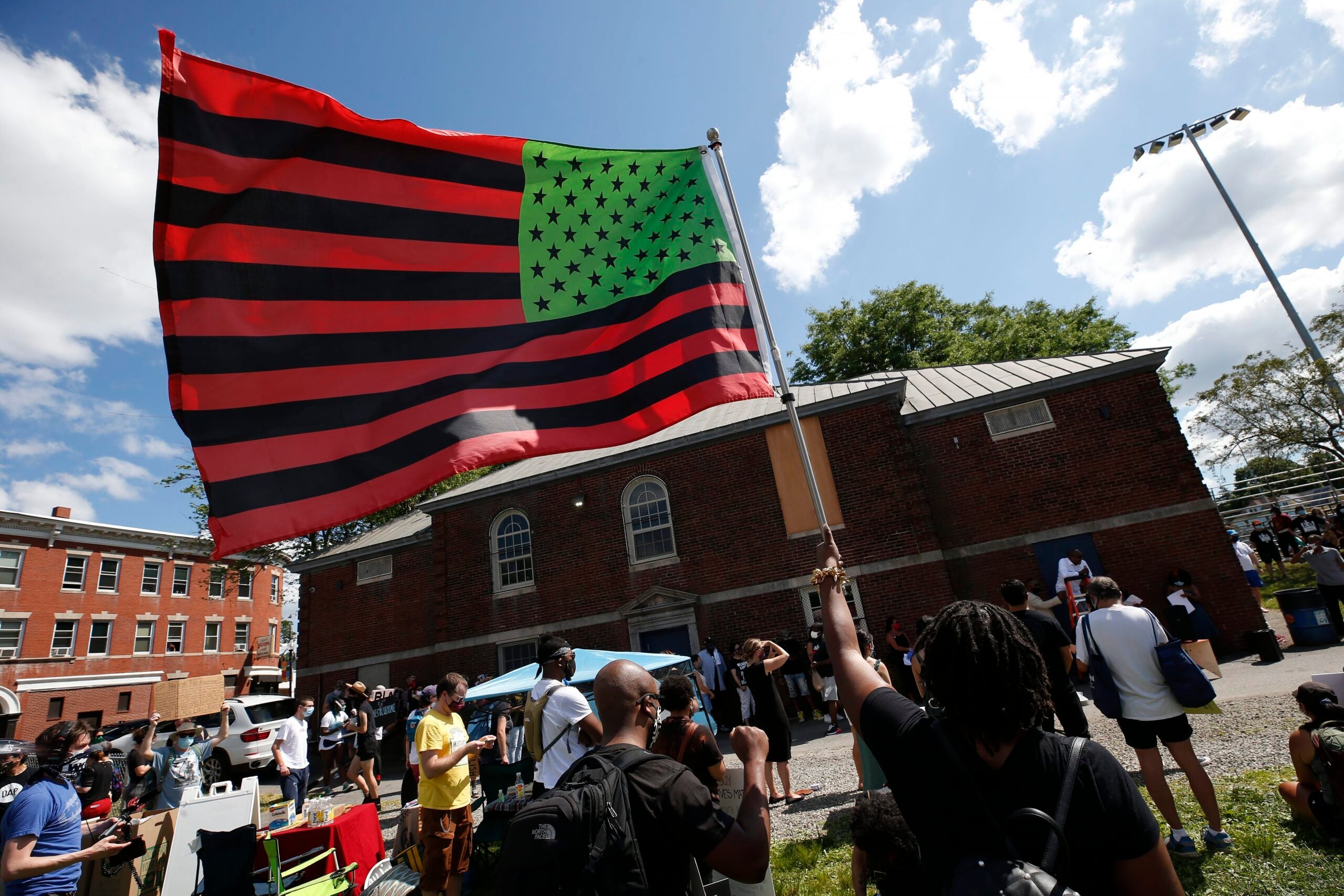
Boston holds a profound connection to the themes of freedom and justice that Juneteenth embodies. As a hub of abolitionist activity in the 19th century, the city was home to prominent figures like William Lloyd Garrison and Frederick Douglass. Landmarks such as the African Meeting House on Beacon Hill, part of the Black Heritage Trail, stand as powerful reminders of the struggle for civil rights. These historical ties make Boston an increasingly meaningful destination for those seeking to engage with the holiday’s cultural and historical importance. The city’s commitment to commemorating Juneteenth is reflected in its growing array of educational programs, cultural festivals, and community events, which naturally attract both local residents and out-of-town visitors looking to participate in or witness these observances. This convergence of historical relevance and contemporary celebration invariably contributes to heightened activity and crowd levels across various parts of the city during this period.
Analyzing Crowd Levels: Factors to Consider
Determining whether Boston will be crowded during Juneteenth requires evaluating several interconnected factors. The holiday’s timing and its status as a federal observance play pivotal roles in influencing travel patterns and local density.
Juneteenth as a Federal Holiday
The designation of Juneteenth as a federal holiday means many federal employees, and increasingly, those in the private sector, receive the day off. When Juneteenth falls on a Friday or Monday, it often creates a long weekend, which is a prime opportunity for short trips and getaways. Even when it falls mid-week, the holiday status encourages more local residents to be out and about, exploring the city, attending events, or simply enjoying the break. This increased leisure time directly translates to more foot traffic in popular areas and higher demand for services. Travelers might experience fuller public transportation, longer waits at restaurants, and more people congregating at major attractions, particularly during peak daylight hours.
Summer Travel Season
Regardless of the holiday, mid-June marks the unofficial start of the summer travel season in Boston. Schools are out, families are taking vacations, and the weather is typically pleasant, making the city a highly desirable destination. This inherent seasonal influx of tourists, combined with the Juneteenth holiday, creates a compounding effect. Boston is a popular summer destination for its historical sites, coastal access, and vibrant cultural scene. The period around Juneteenth thus sits squarely within a peak tourist window, ensuring that the city will experience elevated visitor numbers even without the holiday’s specific draw.
Specific Juneteenth Events
Boston hosts a variety of events specifically tied to Juneteenth, ranging from commemorative ceremonies and educational workshops to cultural festivals, concerts, and parades. These events are often localized to specific neighborhoods or venues, such as the Museum of African American History, Boston Common, or neighborhood community centers. While enriching and highly recommended, attending these events means congregating with larger groups, especially in and around the event sites. Information on specific events is usually released closer to the date by organizations like the City of Boston cultural affairs office or local non-profits, and travelers should consult these resources to anticipate where the largest gatherings might occur.
Typical Tourist Hotspots
Iconic Boston attractions, such as the Freedom Trail, Faneuil Hall Marketplace, and the New England Aquarium, are consistently busy during the summer. During Juneteenth, these popular sites will likely see an even greater surge in visitors. The Freedom Trail, in particular, which weaves through historic downtown Boston and Charlestown, connecting 16 historically significant sites, will experience heavy foot traffic. Similarly, areas like the Public Garden and Boston Common are gathering points for both tourists and locals, often serving as venues for various public events or simply as places to relax. The Museum of Science and other family-friendly attractions also fall within this category, bracing for higher attendance. Expect longer lines for tickets, more crowded pathways, and increased demand at nearby restaurants and shops.
Navigating Boston During Juneteenth: Travel Strategies
While the prospect of crowds might seem daunting, strategic planning can significantly enhance your Boston experience during Juneteenth. Understanding and anticipating the busiest aspects of your trip allows for proactive decisions that lead to a more enjoyable and less stressful visit.
Accommodation Booking
Given that Juneteenth falls within Boston’s peak summer season, hotels, vacation rentals, and other accommodations will be in high demand. Rooms, especially in popular districts like Back Bay, the Seaport District, and downtown, tend to book up quickly and command higher prices. It is highly advisable to book your lodging several months in advance to secure preferred rates and locations. Consider staying slightly outside the immediate city center, perhaps in neighborhoods like Cambridge or Somerville, which offer excellent public transport connections to downtown Boston via the MBTA (Massachusetts Bay Transportation Authority). These areas often provide more diverse accommodation options and potentially better value.
Transportation
Public transportation is generally the most efficient way to navigate Boston, especially during crowded periods. The MBTA subway and bus system (The T) can get you to most major attractions. However, expect trains and buses to be fuller than usual, particularly during peak commuting hours and around major event venues. Purchasing a CharlieCard or CharlieTicket for multi-day use can streamline your travel. While ride-shares are available, surge pricing can be common during high-demand times, and traffic can be heavy. Walking is an excellent option for exploring compact neighborhoods like the North End or along the Freedom Trail, allowing you to bypass vehicular congestion entirely. If you plan to rent a car, be aware that parking in Boston is notoriously expensive and often scarce, making public transport or walking the preferred methods for most tourists.
Dining Reservations
Boston boasts a vibrant culinary scene, from historic seafood restaurants to contemporary fine dining. During crowded periods like Juneteenth, popular establishments, especially in tourist-heavy areas like the North End, Faneuil Hall, and the Seaport District, will have long wait times without reservations. Plan ahead and book tables, especially for dinner, at least a few days or even weeks in advance for highly sought-after spots. For more casual meals, consider visiting restaurants during off-peak hours (early lunch, late dinner) or exploring eateries in residential neighborhoods, which might be less crowded.
Alternative Sightseeing
To escape the densest crowds, consider exploring Boston’s equally charming but less frequented neighborhoods. Charlestown, home to the Bunker Hill Monument and the USS Constitution, offers a different historical perspective and typically fewer crowds than the main Freedom Trail segments. The Fenway area offers a mix of urban green space and museums like the Isabella Stewart Gardner Museum and the Museum of Fine Arts, which might offer a more tranquil experience than the downtown core. The Emerald Necklace parks, designed by Frederick Law Olmsted, provide beautiful green spaces for walking, picnicking, and enjoying nature away from the urban hustle.
Making the Most of Your Juneteenth Visit to Boston
A visit to Boston during Juneteenth offers a unique opportunity to experience the city’s historical depth and vibrant community spirit. By adopting a proactive and flexible mindset, you can navigate the crowds and fully immerse yourself in the holiday’s significance.
Embrace the Celebration
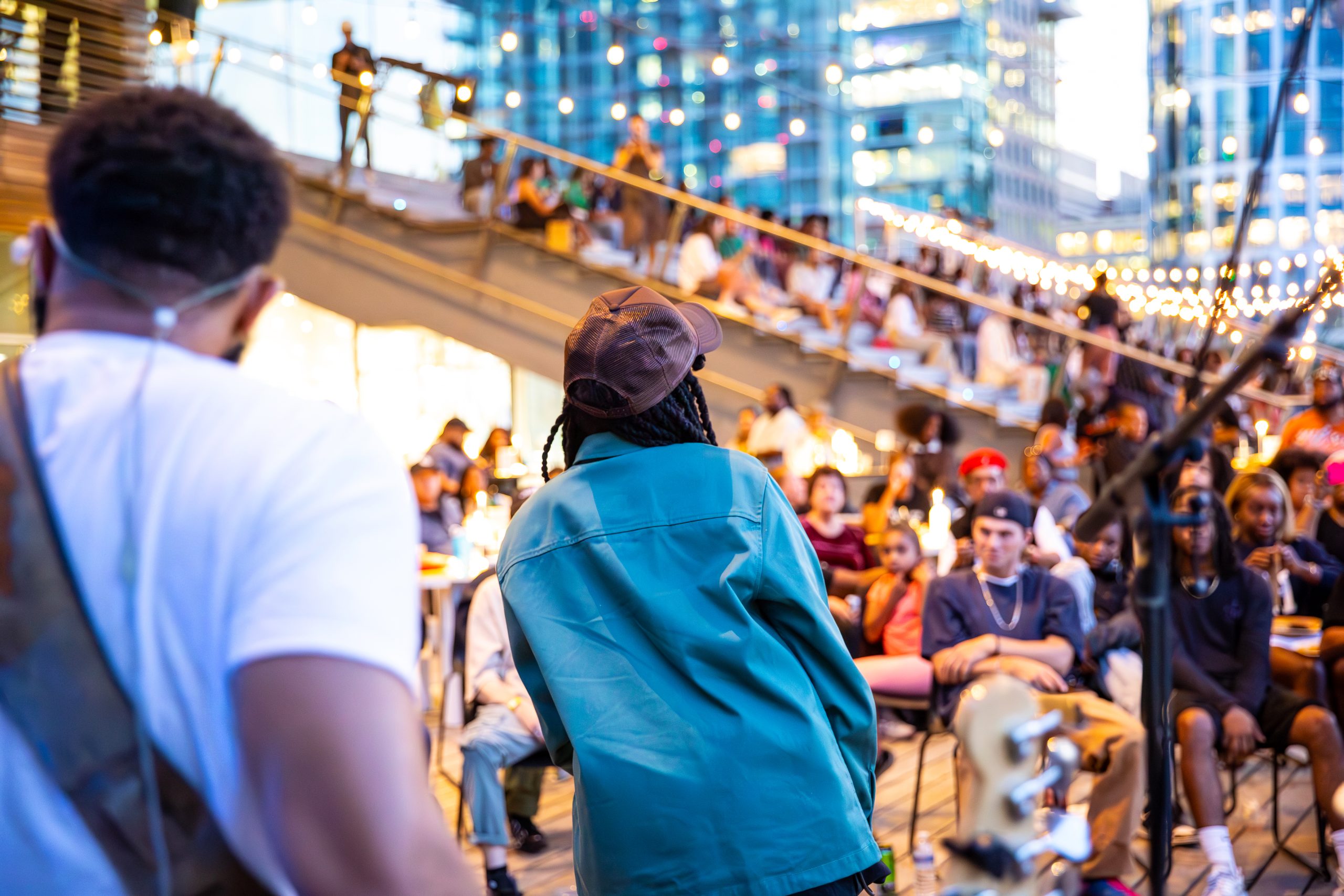
Rather than avoiding the crowds that gather for Juneteenth events, consider participating in them. Boston offers a variety of public celebrations, educational programs, and cultural performances designed to honor the holiday. Engaging with these events provides a deeper understanding of Juneteenth’s historical context and contemporary relevance. Check local event listings from organizations like the Museum of African American History or the City of Boston for schedules of parades, concerts, and community gatherings that offer an authentic cultural experience.
Flexibility is Key
Even with meticulous planning, travel during a busy holiday period can present unexpected delays or changes. Be prepared for longer lines at attractions, potential disruptions to public transportation schedules, and full restaurants. Adopting a flexible attitude and having backup plans can significantly reduce stress. If a particular museum or attraction is overwhelmingly crowded, consider visiting a different site and returning later or on another day. This adaptability ensures that minor inconveniences don’t overshadow your entire trip.
Early Bird Gets the Worm
For popular attractions, the best way to beat the crowds is to arrive right when they open. Visiting sites like the New England Aquarium, Museum of Science, or the USS Constitution in Charlestown first thing in the morning can save you significant waiting time. Similarly, exploring popular historical walks like parts of the Freedom Trail early in the day will allow for a more serene experience before the midday rush.
Explore Beyond the Obvious
While Boston’s main tourist draws are iconic for a reason, the city’s charm extends far beyond them. Venture into neighborhoods like South End with its Victorian brownstones and vibrant arts scene, or Jamaica Plain for its eclectic shops, diverse eateries, and the beautiful Arnold Arboretum. These areas offer a glimpse into local life and often host smaller, community-focused events that might be less crowded than city-wide celebrations. Discovering these hidden gems can provide a more intimate and authentic Boston experience.
Respect and Reflection
Above all, remember the solemn and celebratory nature of Juneteenth. While enjoying your travels, take a moment to reflect on the holiday’s historical significance and its message of freedom and equality. Engaging with the educational aspects, visiting relevant historical sites such as the African Meeting House or the Black Heritage Trail, and participating thoughtfully in commemorative events will enrich your visit far beyond mere sightseeing. Boston offers an unparalleled backdrop for such reflection, ensuring a meaningful and memorable Juneteenth experience.
LifeOutOfTheBox is a participant in the Amazon Services LLC Associates Program, an affiliate advertising program designed to provide a means for sites to earn advertising fees by advertising and linking to Amazon.com. Amazon, the Amazon logo, AmazonSupply, and the AmazonSupply logo are trademarks of Amazon.com, Inc. or its affiliates. As an Amazon Associate we earn affiliate commissions from qualifying purchases.