
Navigating the intricacies of vehicle customization can be a rewarding aspect of personalizing your travel experience. For those who find themselves exploring the vast and diverse landscapes of Texas, understanding the local regulations surrounding vehicle modifications is crucial. One common modification that sparks curiosity and often confusion is window tinting. Specifically, many inquire about the legality of 15 percent tint in the Lone Star State. This guide delves into the specifics of Texas window tint laws, focusing on whether a 15 percent tint meets the state’s requirements, and the implications for drivers enjoying Texas as a travel destination.
Understanding Window Tint Laws in Texas
Texas, like many states, has established specific regulations to govern the darkness of window tinting on vehicles. These laws are primarily enacted for safety reasons, aiming to ensure that law enforcement officers can clearly see into vehicles during traffic stops and that drivers have adequate visibility, especially at night. The level of tint is measured by the Visible Light Transmission (VLT) percentage, which indicates the amount of light that can pass through the tinted window. A lower VLT percentage means a darker tint.
The Texas Statute on Window Tint
The relevant legislation in Texas is often found within the Transportation Code. While specific statutes can be amended, the general framework for window tint legality has remained consistent. The law typically specifies the maximum allowable VLT for different windows on a vehicle.
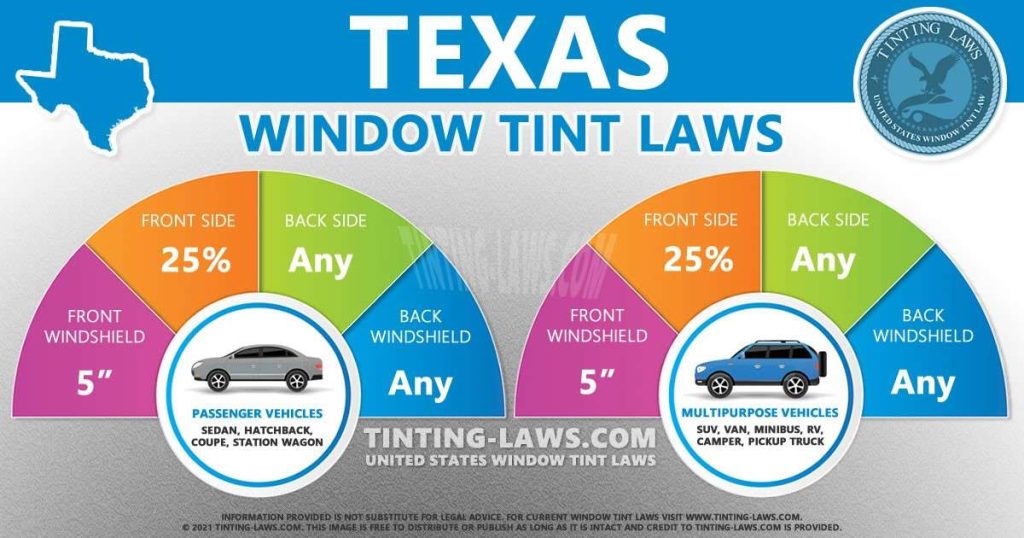
- Windshield: The top portion of the windshield is usually allowed to have a non-reflective tint, typically the top 5 inches or the AS-1 line, whichever is less. This is to avoid impairing the driver’s forward vision.
- Front Side Windows: These are the windows to the left and right of the driver and front passenger. Regulations for these windows are generally stricter.
- Rear Side Windows and Rear Window: The tint restrictions for these windows are often less stringent than for the front side windows, recognizing that they do not directly impact the driver’s immediate forward visibility.
The 15 Percent Tint Question
So, where does 15 percent tint fall within these regulations? In Texas, the legal limit for the front side windows is a VLT of 25 percent. This means that at least 25 percent of the ambient light must be able to pass through these windows.
-
15 Percent Tint and Front Side Windows: A 15 percent tint allows only 15 percent of visible light to pass through. This is darker than the legal limit of 25 percent for front side windows in Texas. Therefore, installing a 15 percent tint on the front side windows of your vehicle would be illegal.
-
15 Percent Tint and Rear Side/Rear Windows: The regulations for the rear side windows and the rear window in Texas are generally more permissive. Drivers are allowed to use tints as dark as 5 percent VLT on these windows, often referred to as “limo tint.” Consequently, a 15 percent tint is legal for the rear side windows and the rear window of a vehicle in Texas.
It is crucial to remember that these are general guidelines, and there are specific exceptions.
Exceptions and Special Circumstances
While the general rules for tinting are clear, Texas law does provide for certain exceptions, particularly for medical reasons.
Medical Exemptions
Individuals who have a medical condition that makes them sensitive to sunlight may be eligible for a medical exemption. This exemption can allow them to use darker tint levels than what is otherwise permitted by law, even on front side windows.
-
Obtaining a Medical Exemption: To qualify for a medical exemption, a licensed physician must certify the medical necessity for the darker tint. This certification typically needs to be in a specific form, often provided by the Texas Department of Public Safety (DPS), and must be carried by the driver at all times. The physician must specify the type of tint and the windows for which the exemption is granted.
-
Documentation is Key: It is imperative for drivers who have received a medical exemption to carry the proper documentation. Without it, even if they have a legitimate medical need, they could still be cited for illegal tint.
Other Exemptions

The law may also make provisions for certain types of vehicles or occupants. For instance, law enforcement vehicles, vehicles used for specific commercial purposes, or vehicles carrying certain passengers might have different tint allowances. However, for the average traveler or resident driving a personal vehicle, the primary consideration remains the VLT percentage for front and rear windows.
Consequences of Non-Compliance
Driving a vehicle with illegal window tint in Texas can lead to citations and fines. Law enforcement officers are trained to identify non-compliant tint levels, and it is a common reason for traffic stops.
Traffic Citations and Fines
If a vehicle is found to have illegal window tint, the driver may receive a ticket. The fines associated with such citations can vary depending on the jurisdiction and the specific circumstances. In addition to fines, drivers may be required to remove the illegal tint within a specified period to avoid further penalties.
Impact on Rental Vehicles
For tourists visiting Texas, it’s important to be aware that rental car companies may have their own policies regarding vehicle modifications. While most rental vehicles will comply with Texas laws, significant personal modifications could lead to issues. If you are considering tinting a rental vehicle, always consult the rental agreement and local regulations first.
Maintaining Vehicle Safety and Visibility
Beyond legal ramifications, maintaining proper visibility through your vehicle’s windows is paramount for safe driving. Overly dark tints, even if they were legal, can significantly impair a driver’s ability to see pedestrians, cyclists, and other vehicles, especially in low-light conditions or inclement weather, which are common occurrences when traversing the diverse climates of Texas.
Recommendations for Travelers and Residents
For anyone driving in Texas, whether as a resident or a visitor, adhering to window tint laws is essential for a hassle-free experience.
Verifying Tint Levels
If you are unsure about the VLT percentage of your vehicle’s tint, it is advisable to have it checked by a professional tint shop. Many shops have meters that can accurately measure the VLT of your windows. This proactive step can save you from potential fines and legal troubles.
Choosing Professional Installation
When opting for window tinting, always choose a reputable professional installer. They will be knowledgeable about Texas tint laws and can ensure that the tint applied meets the legal requirements for all windows. They can also advise on the best products that balance aesthetics, heat rejection, and legality.
Staying Informed
Laws and regulations can change. It is good practice to periodically check for updates to the Texas window tint laws. The Texas Department of Public Safety website or local law enforcement resources can be good sources of up-to-date information.
Conclusion: Navigating Texas Tint Laws with Confidence
In summary, a 15 percent window tint is not legal for the front side windows in Texas, as it violates the state’s 25 percent VLT requirement. However, a 15 percent tint is perfectly legal for the rear side windows and the rear window. For travelers and residents alike, understanding and adhering to these regulations ensures a safe and legal driving experience throughout the great state of Texas, allowing you to fully enjoy your journey without unnecessary legal entanglements. Remember to consult professionals and stay informed to maintain compliance and enjoy the benefits of window tinting responsibly.
LifeOutOfTheBox is a participant in the Amazon Services LLC Associates Program, an affiliate advertising program designed to provide a means for sites to earn advertising fees by advertising and linking to Amazon.com. Amazon, the Amazon logo, AmazonSupply, and the AmazonSupply logo are trademarks of Amazon.com, Inc. or its affiliates. As an Amazon Associate we earn affiliate commissions from qualifying purchases.