
Delving into the rich tapestry of Boston‘s local culture invariably leads to an encounter with the enigmatic concept of the Boston Brahmin. Far from being a mere historical footnote, the Brahmin class represents a cornerstone of the city’s identity, a societal stratum whose influence has shaped its architecture, institutions, and unique intellectual spirit for centuries. To understand Boston is, in many ways, to understand the legacy and characteristics of these families, whose story is deeply intertwined with the very fabric of New England.
The Genesis of an American Aristocracy
The term “Boston Brahmin” itself was coined in 1860 by the esteemed physician and author Oliver Wendell Holmes Sr. in his novel Elsie Venner. He used the word “Brahmin” – traditionally referring to the highest priestly caste in India’s ancient social system – to describe Boston’s established, educated, and aristocratic elite. These were not nobles by birthright in the European sense, but rather a class whose prominence was built upon generations of wealth, intellectual pursuit, and civic leadership, largely derived from mercantile fortunes amassed in the 17th and 18th centuries.
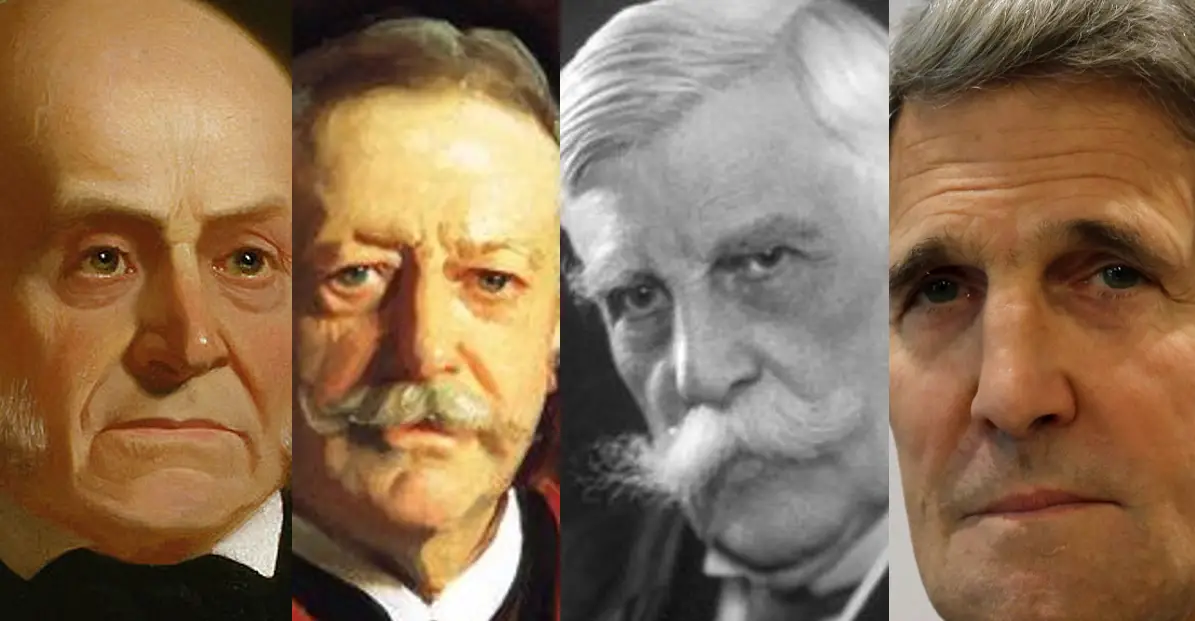
The ancestral lines of Boston Brahmins often trace back to the early Puritan settlers of Massachusetts, figures who were instrumental in the founding of the colony and later, the burgeoning United States. Families such as the Adams, Cabot, Lowell, Forbes, Saltonstall, and Lodge became synonymous with this elite. Their wealth was initially built on shipping, textiles, and trade, but their defining characteristic was not merely their financial standing, but their unwavering commitment to education, public service, and cultural refinement. They were the intellectual and moral compass of Boston, fostering an environment that valued erudition, quiet philanthropy, and a distinct sense of social responsibility. This early accumulation of capital and influence allowed them to establish and dominate many of the key institutions that still define Boston today.
Hallmarks of the Brahmin Identity
The characteristics that defined the Boston Brahmin extended far beyond mere lineage or wealth. They encompassed a specific set of values, behaviors, and cultural preferences that became deeply ingrained in the city’s identity.
Education and Intellect
Perhaps the most salient feature of the Boston Brahmin was their profound reverence for education and intellectual pursuits. Harvard University in Cambridge was, and largely remains, the quintessential Brahmin institution, serving as a cradle for generations of scholars, writers, and thinkers. Attending Harvard or one of its esteemed counterparts was not just a matter of prestige; it was seen as a duty and a natural progression for young Brahmins. This emphasis on learning fostered a culture rich in literature, philosophy, and scientific inquiry, positioning Boston and its environs as a leading intellectual hub in America. They were proponents of the Transcendentalist movement, nurturing talents like Ralph Waldo Emerson and Henry David Thoreau, whose ideas emanated from places like Concord, further cementing the region’s intellectual dominance.
Philanthropy and Public Service
While often reserved, the Boston Brahmins were deeply committed to public service and large-scale philanthropy. They believed in using their wealth and influence to uplift society, not for ostentatious display, but for the betterment of the community. They founded and generously endowed many of Boston’s most significant cultural, educational, and medical institutions. Their names adorn the wings of museums, the facades of libraries, and the halls of universities, a testament to their enduring contributions. This spirit of civic duty extended to politics, where many Brahmins served in local, state, and national offices, often advocating for progressive causes and responsible governance.
Reserved Demeanor and Understated Wealth
In stark contrast to the “new money” tycoons of other American cities, the Boston Brahmins were known for their understated elegance and reserved demeanor. Flashy displays of wealth were generally frowned upon; true refinement lay in quality, tradition, and discretion. Their homes, while grand, rarely screamed opulence. Their attire was classic and well-tailored, eschewing fleeting trends. This quiet confidence and aversion to vulgarity became a hallmark of their social conduct, reflecting a deep-seated belief in dignity, decorum, and self-restraint. This characteristic is often summarized by the old Boston saying: “The Cabots speak only to God, and the Lowells speak only to Cabots.”

Old Money and Pedigree
The concept of “old money” is central to the Brahmin identity. Their wealth was not recently acquired but inherited, often through generations of prudent management and strategic investments. This allowed for a leisure class that could devote itself to intellectual pursuits and cultural patronage, rather than the relentless pursuit of profit. Pedigree, meaning a distinguished ancestry, was also highly valued. Being able to trace one’s family back to founding fathers, prominent merchants, or Revolutionary War figures like Paul Revere or John Hancock conferred a certain undeniable status within their circles. This emphasis on lineage contributed to a strong sense of tradition and a desire to preserve ancestral homes and practices.
Where to Experience Brahmin Culture in Boston
For visitors seeking to immerse themselves in Boston’s unique cultural heritage, the legacy of the Brahmins is palpable across many key areas and institutions.
Architectural Legacy
The architectural landscape of Boston bears the unmistakable imprint of the Brahmin aesthetic. Stroll through the cobblestone streets of Beacon Hill, and you’ll encounter the quintessential Brahmin residence: elegant Federal-style row houses with their distinctive red brick, black shutters, and gas lamps. These homes, built for privacy and understated grandeur, often boast meticulously maintained interiors that speak of generations of careful stewardship. The spacious, tree-lined avenues of Back Bay also showcase the Brahmin’s preference for sophisticated Victorian brownstones and stately mansions, often designed by prominent architects and filled with art collected over decades. These neighborhoods are living museums, offering a glimpse into the domestic life of Boston’s elite.
Cultural Institutions
The Brahmins’ commitment to culture manifests in Boston’s world-class institutions. A visit to the Museum of Fine Arts reveals collections often built through Brahmin patronage and donations, reflecting their refined tastes and global outlook. The exquisite architecture and vast holdings of the Boston Public Library in Copley Square stand as a testament to their belief in accessible knowledge and beauty. Catching a performance by the Boston Symphony Orchestra at Symphony Hall provides insight into their dedication to classical music and performing arts. For a deeper dive into their historical context, the Massachusetts Historical Society houses invaluable archives and artifacts detailing the lives and contributions of these influential families. Even public spaces like Faneuil Hall, while a hub of revolutionary activity, benefited from the civic-mindedness that later defined the Brahmin ethos.
Literary Connections
Beyond the city limits, the broader New England region also reflects Brahmin influence. The intellectual spirit fostered by the Brahmins led to the flourishing of American literature. A trip to Concord, home to Walden Pond and the homes of Emerson and Thoreau, offers a direct connection to the Transcendentalist movement, which was heavily supported and influenced by the Brahmin intellectual class. Similarly, a visit to Cambridge and the grounds of Harvard University allows one to walk in the footsteps of countless Brahmin scholars and literary figures, experiencing the academic environment that was so central to their identity.

The Evolving Legacy of the Boston Brahmin
While the absolute social and political dominance of the Boston Brahmin class has waned considerably since its peak in the 19th and early 20th centuries, their enduring influence on Boston’s character remains profound. The city’s reputation for intellectual rigor, cultural sophistication, and a certain reserved charm can largely be attributed to the values instilled by these families.
Modern Boston is a vibrant, diverse metropolis, far removed from the more insular society of the Brahmins. Yet, their legacy persists in the city’s commitment to education, the arts, and responsible civic engagement. The institutions they founded continue to thrive, attracting talent and visitors from around the globe. The quiet dignity of Beacon Hill and Back Bay still whispers tales of their elegant past. Understanding “what is a Boston Brahmin” is not just about appreciating a historical social class; it’s about grasping a fundamental aspect of Boston’s soul, a cultural inheritance that continues to shape its present and future. For any traveler seeking a deeper connection with Boston, recognizing this unique cultural heritage enriches the entire experience.
LifeOutOfTheBox is a participant in the Amazon Services LLC Associates Program, an affiliate advertising program designed to provide a means for sites to earn advertising fees by advertising and linking to Amazon.com. Amazon, the Amazon logo, AmazonSupply, and the AmazonSupply logo are trademarks of Amazon.com, Inc. or its affiliates. As an Amazon Associate we earn affiliate commissions from qualifying purchases.