
Navigating the temporal landscape of any city is a fundamental aspect of planning a visit, whether for leisure, business, or a brief stopover. For many travelers, understanding the local time zone is crucial for everything from booking flights and arranging meetings to scheduling sightseeing and enjoying local experiences without missing a beat. When your destination is the vibrant metropolis of Chicago, situated in the heart of the American Midwest, this seemingly simple question about its time zone opens up a deeper appreciation for its geographical significance and its integration into a larger temporal framework.

The Central Time Zone: Chicago’s Temporal Home
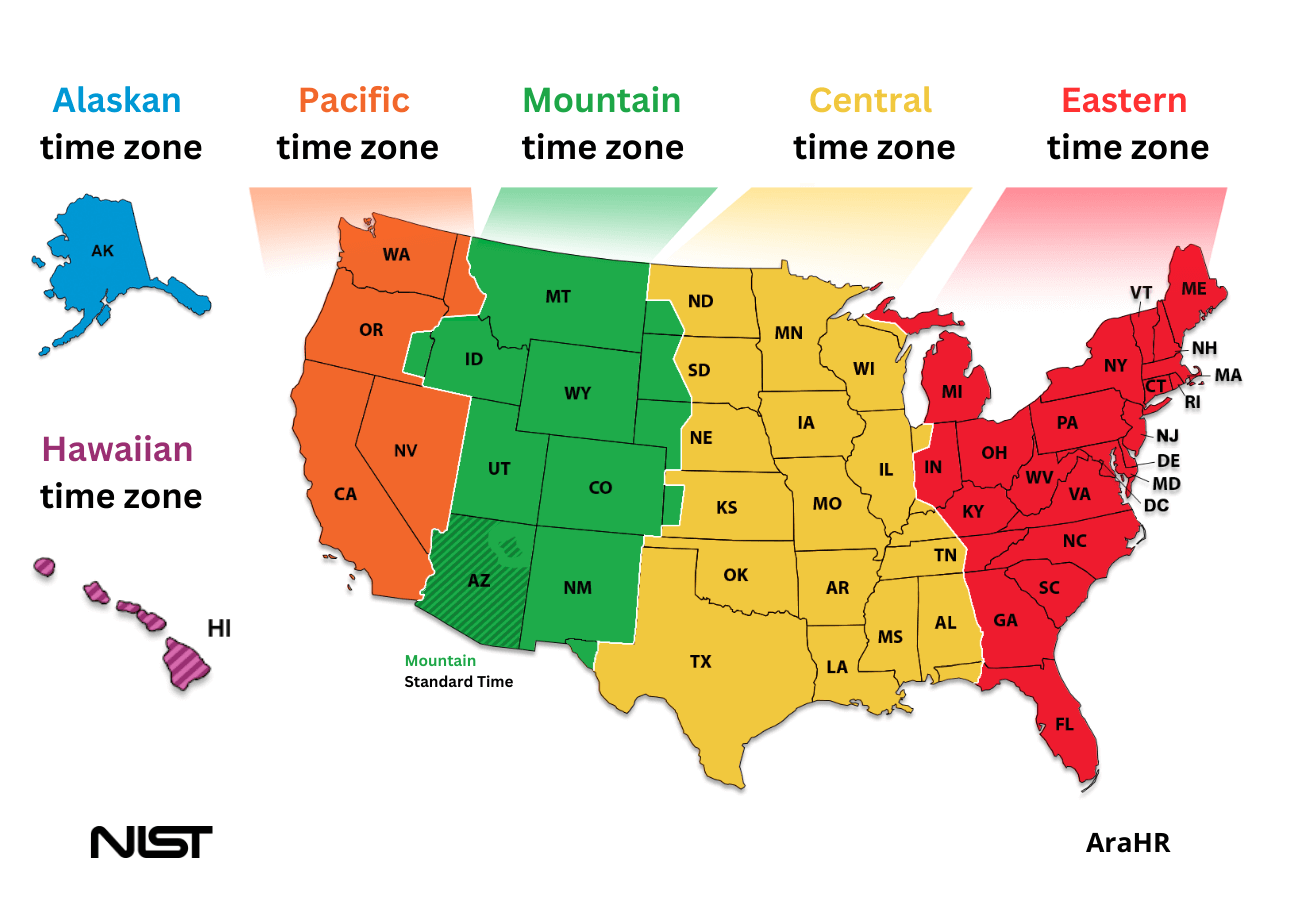
Chicago is firmly anchored in the Central Time Zone (CT). This time zone spans a significant portion of the central United States, encompassing states from Texas in the south to North Dakota in the north, and stretching eastward to include populous hubs like Chicago, St. Louis, and Minneapolis.
The Central Time Zone is defined by its offset from Coordinated Universal Time (UTC). Specifically, it observes:
- Central Standard Time (CST) during the winter months, which is UTC-6.
- Central Daylight Time (CDT) during the warmer months, which is UTC-5.
The switch between CST and CDT is a nationally observed practice in the United States, adhering to the Uniform Time Act. Daylight Saving Time typically begins on the second Sunday in March and ends on the first Sunday in November. This biannual adjustment ensures that daylight hours are better utilized during periods of longer daylight, a practice that affects the daily rhythms of life and travel across most of the United States, including Chicago.
Understanding UTC Offsets for Travelers
For international travelers or those connecting through different time zones, understanding UTC offsets is paramount. Knowing that Chicago operates on UTC-6 (CST) or UTC-5 (CDT) allows for precise calculations when coordinating with colleagues or family in other parts of the world. For instance, if you are in London, which observes Greenwich Mean Time (GMT, equivalent to UTC+0), you would be 6 hours ahead of Chicago during CST and 5 hours ahead during CDT. Conversely, if you are on the West Coast of the United States, such as in Los Angeles, which is in the Pacific Time Zone (PT), you would be 2 hours behind Chicago when it’s on Central Time.
The Impact of Time Zones on Travel Planning
The time zone of Chicago has direct implications for various aspects of travel planning.
Flight Scheduling
When booking flights to Chicago, airlines will always display arrival and departure times in local time. However, understanding the time difference is essential for making connections or planning your arrival. If you’re flying from New York City (Eastern Time, ET), which is UTC-5 (EST) or UTC-4 (EDT), you gain an hour when traveling west to Chicago. A flight departing New York at 2:00 PM ET might land in Chicago at 3:00 PM CT, even though the flight duration is only about 2.5 hours. This is because Chicago is one hour behind New York.
Business and Meetings
For business travelers, adhering to the correct time zone is non-negotiable. Scheduling conference calls, client meetings, or internal team synchronization requires meticulous attention to the time zone. A meeting scheduled for 10:00 AM in Chicago will be different for a participant in London or Tokyo. Utilizing online time zone converters or simply knowing the UTC offset can prevent costly mistakes and maintain professional credibility.
Sightseeing and Activities
Even for leisure travelers, the time zone influences how you experience Chicago. Knowing that you are in CST or CDT helps in planning your day to maximize daylight for exploring landmarks like the Willis Tower or enjoying a stroll along Navy Pier. It also helps in timing your reservations for world-class dining experiences or catching a show at one of the city’s renowned theaters.
The Midwestern Rhythms of Central Time
The Central Time Zone is not just a geographical designation; it shapes the daily rhythm of life for millions. In Chicago, this means that businesses typically open around 8:00 AM or 9:00 AM and close by 5:00 PM or 6:00 PM. News broadcasts, school schedules, and even the general pace of city life are aligned with this temporal framework. This consistency is beneficial for visitors, as it provides a predictable daily structure.
Embracing Chicago’s Energy, Regardless of the Clock
Whether you are arriving at O’Hare International Airport or Midway International Airport, the moment you step off the plane in Chicago, you are operating on Central Time. Embrace the local rhythms, adjust your watch, and let the vibrant energy of this Midwestern gem captivate you. From the architectural marvels along the Chicago River to the cultural treasures housed within the Art Institute of Chicago, Chicago offers an unforgettable experience, all timed perfectly within the Central Time Zone.
Historical Context of Time Zones in the United States
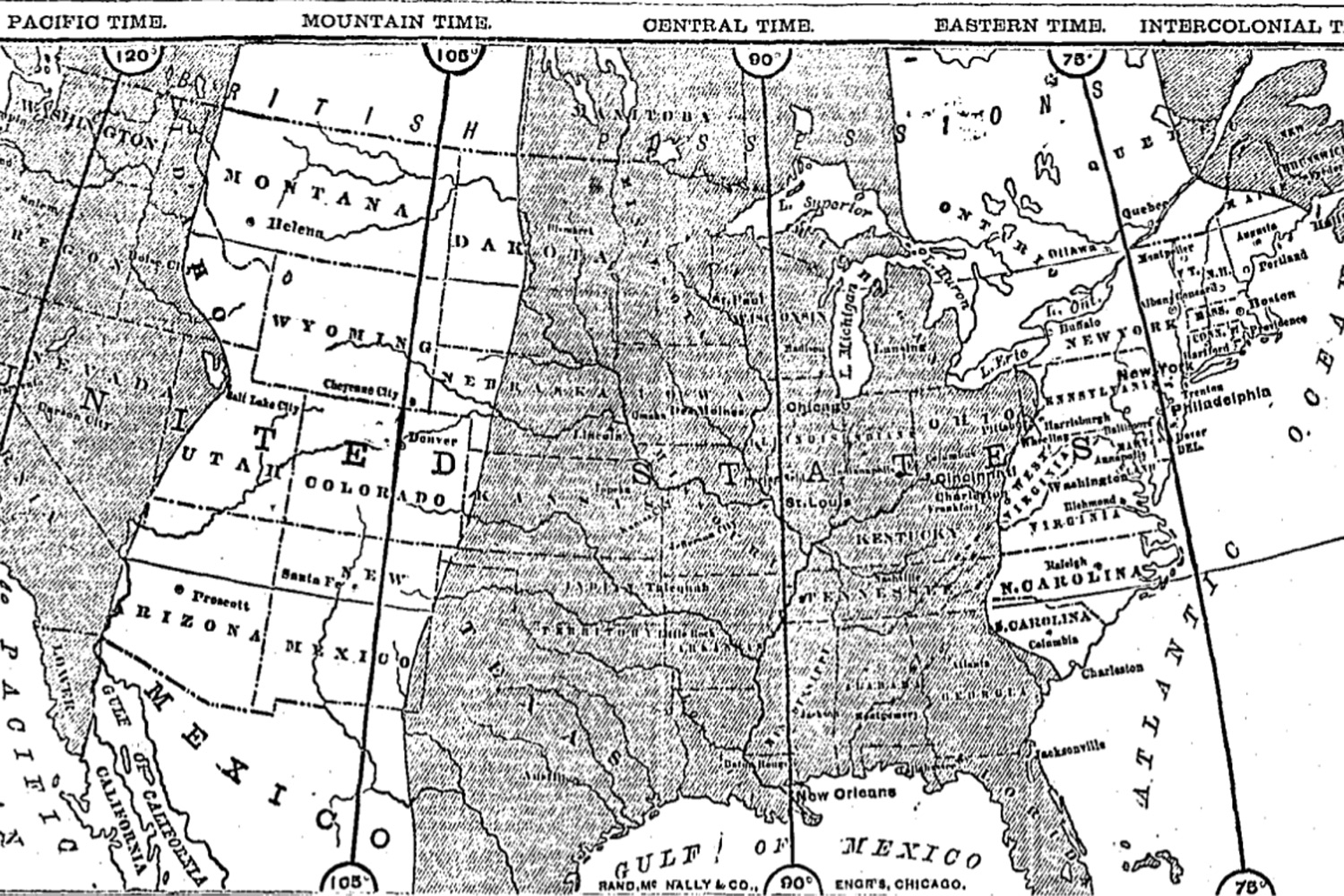
The concept of standardized time zones in the United States is a relatively modern invention, primarily driven by the expansion of railroads in the late 19th century. Before the advent of railroads, communities largely operated on local solar time, meaning noon was when the sun was highest in the sky. This led to a chaotic patchwork of times across the country, with hundreds of different local times.
The Railroads’ Need for Standardization
The burgeoning railroad industry faced immense operational challenges due to this lack of a uniform time system. Scheduling trains became a nightmare, leading to dangerous inefficiencies and potential collisions. To address this, railroad companies lobbied for a standardized system. In 1883, the railroads unofficially adopted a system of four standard time zones across the continental United States: Eastern, Central, Mountain, and Pacific. This system was largely based on longitude, with each zone generally covering about 15 degrees of longitude, roughly corresponding to one hour.
The Legalization of Time Zones
While the railroads’ system gained widespread acceptance, it wasn’t legally codified until the Standard Time Act of 1918. This act officially established the time zones and also introduced Daylight Saving Time, though the latter was repealed and reinstated several times before becoming a permanent feature with the Uniform Time Act of 1966. Chicago, as a major railroad hub, was at the forefront of adopting and benefiting from this new temporal order. The standardization of time facilitated smoother travel, more efficient commerce, and a more integrated national experience.
The Evolution of Daylight Saving Time
The practice of Daylight Saving Time (DST) has a more complex history. While the idea has been proposed for centuries, its widespread implementation in the United States is largely attributed to efforts to conserve energy during World War I and World War II. The theory behind DST is that by shifting an hour of daylight from the morning to the evening during warmer months, people will use less artificial light in the evenings, thus saving energy. However, the actual energy savings are a subject of ongoing debate, and DST often leads to disruptions in sleep patterns and other adjustments for individuals and businesses. For Chicago, this means the annual shift between CST and CDT is a predictable, if sometimes jarring, part of the year.
Navigating Chicago’s Temporal Landscape
Understanding Chicago’s time zone, the Central Time Zone, is more than just a factual detail; it’s a key piece of information that enhances any visit to this dynamic city. It influences how you connect with the rest of the world and how you structure your day to experience all that Chicago has to offer.
Practical Tips for Travelers
When you plan your trip to Chicago, whether you’re staying at a downtown hotel like the Palmer House Hilton or exploring neighborhoods like Lincoln Park, keep the Central Time Zone in mind.
- Set Your Devices: Ensure your phone, smartwatch, and any other electronic devices automatically update to the local time upon arrival. Most devices do this by default when connected to a cellular network or Wi-Fi.
- Inform Contacts: When communicating with people outside of Chicago, always specify the time zone to avoid confusion. For example, say “Let’s schedule a call for 2:00 PM Central Time.”
- Check for DST: Be aware of whether Chicago is currently observing CST or CDT. This is especially important if you are traveling around the dates when Daylight Saving Time begins or ends.
- Plan for Jet Lag: If you’re arriving from a significantly different time zone, be prepared for potential jet lag. Allowing yourself time to adjust to the Central Time Zone will help you enjoy your stay more fully.
The Benefits of Central Time for Exploration
Being in the Central Time Zone offers distinct advantages for exploring Chicago. The longer daylight hours during the summer months, enhanced by CDT, provide ample opportunities for outdoor activities. You can enjoy a morning visit to Millennium Park to see the iconic Cloud Gate sculpture, spend the afternoon exploring the Museum Campus, and still have plenty of light to take a sunset boat tour on the Chicago River. The predictable nature of the time zone also makes it easier to plan a full itinerary, ensuring you don’t miss out on key attractions or experiences.
Conclusion: A Seamless Temporal Integration
In essence, Chicago resides within the Central Time Zone, observing both Central Standard Time and Central Daylight Time. This temporal anchoring is a fundamental characteristic of the city, impacting everything from travel logistics and business operations to the daily routines of its residents and the experiences of its visitors. By understanding and respecting Chicago’s temporal home, you can ensure a smoother, more enjoyable, and more efficient journey through this magnificent American city. The temporal alignment allows for a seamless integration into the local fabric, enabling you to fully immerse yourself in the vibrant culture, rich history, and breathtaking sights that Chicago has to offer.
LifeOutOfTheBox is a participant in the Amazon Services LLC Associates Program, an affiliate advertising program designed to provide a means for sites to earn advertising fees by advertising and linking to Amazon.com. Amazon, the Amazon logo, AmazonSupply, and the AmazonSupply logo are trademarks of Amazon.com, Inc. or its affiliates. As an Amazon Associate we earn affiliate commissions from qualifying purchases.