
The majestic California grizzly bear, a creature of immense power and an indelible symbol, once roamed the vast landscapes of what is now the state of California. Its presence was so profound, so emblematic of the region’s wild grandeur, that it became forever immortalized on the California State Flag. Yet, for generations, the question has persisted, tinged with melancholy and a sense of historical loss: are California grizzly bears truly extinct? The answer, unequivocally, is yes. The last confirmed sighting of a wild California grizzly was in 1922, marking the poignant end of an era for one of North America’s most magnificent natural landmarks. This extinction narrative is not merely a biological footnote; it is a profound historical lesson embedded in the natural tapestry of the Golden State, reflecting the dramatic transformation of its wilderness.
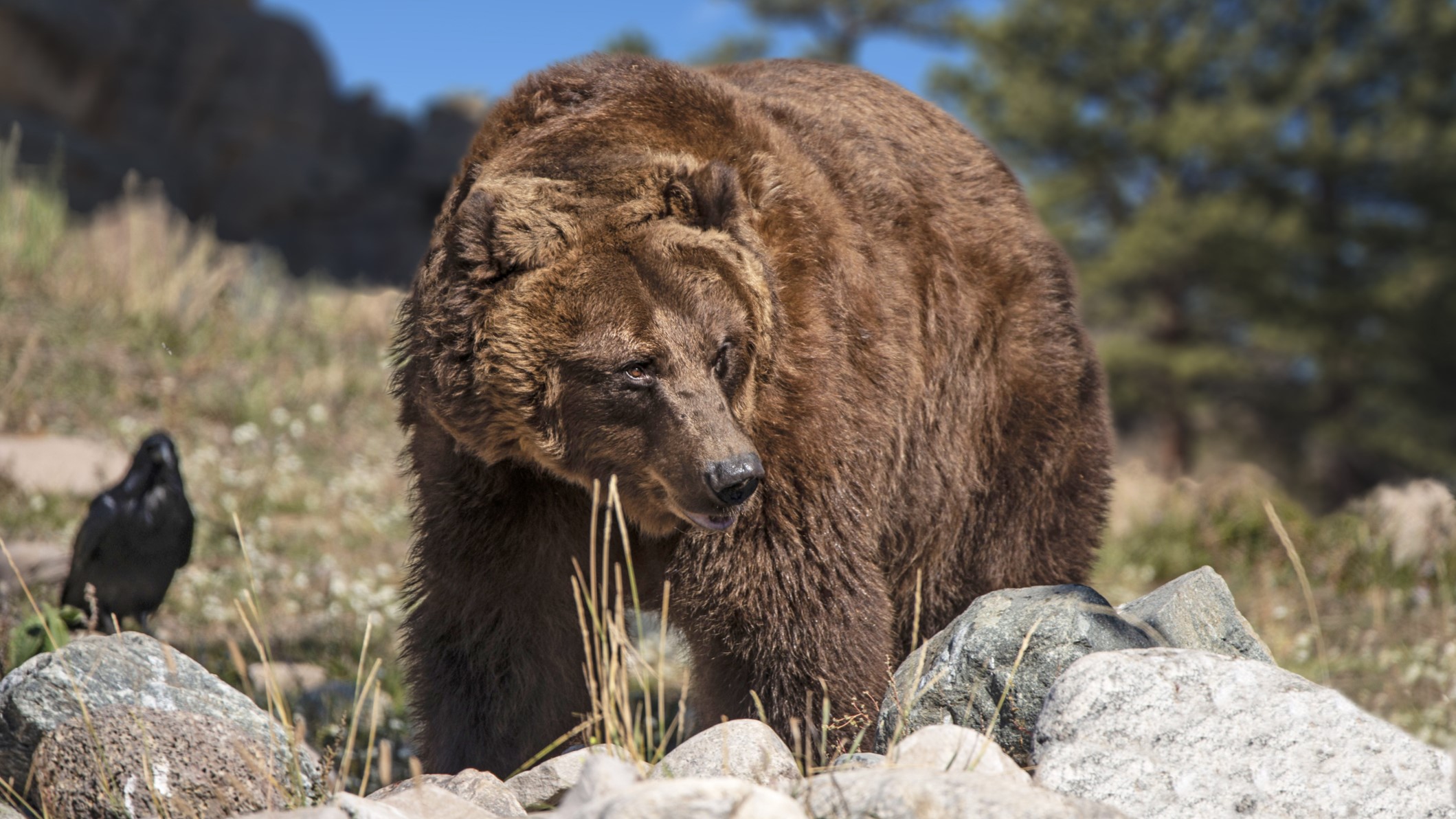
The California Grizzly: A Natural Landmark Lost
For thousands of years, the California grizzly bear (Ursus arctos californicus) was an apex predator and an integral part of California’s diverse ecosystems. These formidable animals were a distinct subspecies of the larger brown bear, known for their impressive size, often weighing over 1,000 pounds and standing over eight feet tall on their hind legs. They inhabited nearly every corner of the state, from the coastal redwood forests to the rugged Sierra Nevada mountains and the vast central valleys. Their diet was omnivorous and opportunistic, ranging from berries and nuts to salmon, deer, and even carrion, making them vital ecological engineers in their expansive habitats.
The California grizzly was more than just an animal; it was a living landmark, a symbol of untamed wilderness and power that captivated early explorers and indigenous peoples alike. Its image was woven into the lore and legends of the land long before European settlement. The bear’s strength, resilience, and often solitary nature made it a powerful emblem, representing the wild heart of California. The sight of a grizzly fishing in a pristine river or lumbering through a sun-drenched meadow would have been an awe-inspiring experience, a direct connection to the raw, natural grandeur of the region.
The decision to feature the California grizzly on the California State Flag in 1911—years before its final disappearance—speaks volumes about its significance. Known as the “Bear Flag,” it depicts a grizzly walking on a patch of green grass, embodying the state’s natural beauty and independent spirit. This artistic representation serves as a permanent memorial, a daily reminder of a majestic species that once defined the wild spirit of California. It’s a powerful testament to how deeply the bear was ingrained in the state’s identity, even as its physical presence was tragically diminishing. The flag stands as a somber monument to a natural landmark that, while gone, forever shapes the state’s cultural and historical landscape.
The Trajectory of Extinction: A Historical Overview
The demise of the California grizzly bear is a stark narrative of human expansion and its ecological consequences. Prior to the 18th century, it is estimated that approximately 10,000 grizzly bears thrived across California. However, with the arrival of Spanish missionaries and settlers, and especially the dramatic influx of prospectors during the Gold Rush of 1848, the bear’s fate was sealed.
The reasons for their extinction are multifaceted but primarily rooted in conflict with human interests. As settlements expanded, ranchers viewed grizzlies as a threat to their livestock, leading to widespread hunting and trapping. Bears were also hunted for sport, their hides, and their meat. The Gold Rush dramatically accelerated this process. Thousands of new settlers poured into the state, rapidly converting wildlands into farms, ranches, and towns. This led to habitat destruction and fragmentation, isolating grizzly populations and making them more vulnerable to hunting pressure. The bears were often perceived as dangerous predators, and bounties were frequently offered for their elimination. Bear baiting and fighting, gruesome spectacles popular at the time, also contributed to their decline.
By the late 19th century, grizzly populations had plummeted. What were once ubiquitous natural landmarks had become exceedingly rare. Efforts to protect them were non-existent, and the prevailing attitude was one of conquest over nature. The last known wild California grizzly bear was shot in Tulare County in 1922. While unconfirmed sightings persisted for a few more years, the scientific consensus points to that year as the effective end of the California grizzly in the wild. This extinction represented a significant loss of biodiversity and a fundamental alteration of California’s natural heritage. It serves as a powerful historical reminder of the fragility of even the most dominant species when faced with unchecked human impact, and underscores the critical importance of modern conservation efforts to prevent similar losses of other irreplaceable natural landmarks.

Echoes in the Wild: California’s Remaining Wildlife Landmarks
Though the California grizzly bear is gone, its legacy lives on in the wild, untamed corners of the state that mirror its former dominion. California remains a treasure trove of natural landmarks, vast wilderness areas, and national parks that offer glimpses into the rich biodiversity that once coexisted with the grizzly. These protected spaces are now critical refuges for other iconic wildlife, continuing to inspire awe and offer profound connections to nature.
One of the most notable regions where grizzlies once roamed and where nature still thrives is the Sierra Nevada range. Iconic national parks like Yosemite National Park, Sequoia National Park, and Kings Canyon National Park protect stunning landscapes of granite peaks, ancient groves of giant sequoias, and alpine meadows. While grizzlies are absent, these parks are now home to a healthy population of American black bears (Ursus americanus), a smaller, less aggressive cousin that has successfully adapted to the current ecosystem. Visitors to these parks can often spot black bears foraging for food, a living testament to the enduring presence of ursine life in the state’s wild heart. Observing these magnificent creatures, albeit a different species, allows one to imagine the awe the larger grizzlies would have inspired.
Beyond the Sierras, other natural landmarks such as Lassen Volcanic National Park in the north and the expansive wilderness areas of the Mojave Desert further south, continue to host a myriad of native species. These include the elusive mountain lion, graceful bighorn sheep navigating treacherous cliffs, and a spectacular array of birdlife. Conservation efforts in these areas have also brought back species from the brink, notably the majestic California condor, whose soaring flight over remote canyons is a symbol of successful restoration and the potential for ecological recovery.
These natural landmarks, both the grand national parks and the vast tracts of wilderness, serve as crucial reminders of what was lost and what must be fiercely protected. They offer vital habitats for surviving species and stand as monuments to California’s incredible natural heritage, inviting us to appreciate the intricate web of life that continues to thrive within their boundaries. Preserving these ecosystems is not just about protecting animals; it’s about safeguarding irreplaceable natural landmarks for future generations.

The Symbolism Endures: The Grizzly’s Place in California’s Identity
Despite its physical absence for over a century, the California grizzly bear remains an incredibly potent and cherished symbol in California. Its image transcends its biological extinction, deeply embedding itself within the state’s cultural and historical identity, essentially becoming an enduring abstract landmark. This enduring symbolism speaks to the profound impact the grizzly had on the collective imagination and the historical narrative of the region.
The most prominent example, as previously noted, is its central position on the California State Flag. This official emblem ensures that the grizzly’s legacy is recognized daily, serving as a constant reminder of the state’s wild origins and its connection to nature. Beyond the flag, the grizzly’s likeness appears everywhere in California, from municipal seals to the logos of prominent institutions. The athletic teams of the University of California, Berkeley, for instance, are famously known as the California Golden Bears, proudly displaying the grizzly as their mascot. This isn’t just a tribute to a fierce animal; it’s a nod to an ancestral inhabitant that embodied strength, resilience, and a connection to the land.
In literature, art, and popular culture, the grizzly continues to represent the untamed spirit of California. Its story is a cautionary tale, but also one of profound natural beauty and power. Memorials and historical markers occasionally commemorate its former presence, particularly in areas where the last known bears were sighted. These quiet tributes serve to keep the memory of the California grizzly bear alive, transforming its absence into a powerful lesson in conservation and environmental stewardship.
The enduring symbolism of the California grizzly underscores its significance not just as a biological entity, but as an irreplaceable natural landmark in the state’s history. It is a ghost in the wilderness, a powerful memory that continues to shape how Californians view their state’s past, its present challenges, and its future aspirations regarding wildlife and wilderness preservation. The extinct grizzly bear, therefore, is not merely forgotten; it is woven into the very fabric of California’s identity, standing as a perpetual testament to both the grandeur of its natural heritage and the solemn responsibility of its protection.
LifeOutOfTheBox is a participant in the Amazon Services LLC Associates Program, an affiliate advertising program designed to provide a means for sites to earn advertising fees by advertising and linking to Amazon.com. Amazon, the Amazon logo, AmazonSupply, and the AmazonSupply logo are trademarks of Amazon.com, Inc. or its affiliates. As an Amazon Associate we earn affiliate commissions from qualifying purchases.