
The allure of owning an exotic pet is a growing phenomenon, captivating individuals who seek a unique connection with the animal kingdom. Among the many fascinating creatures, the capybara, the world’s largest rodent, has seen a surge in popularity due to its docile nature, social intelligence, and distinctive appearance. However, the dream of having one of these gentle giants as a companion varies drastically depending on geographical location, with strict regulations often governing the ownership of non-native species. For residents and prospective residents of California, understanding the legal framework surrounding exotic pet ownership is not just recommended, but absolutely essential. The question, “Are capybaras illegal to own in California?” delves into a complex web of state and local wildlife protection laws designed to safeguard both native ecosystems and public safety.

Understanding California’s Exotic Pet Laws
California stands as one of the states with the most stringent regulations regarding exotic animal ownership. These laws are primarily enforced by the California Department of Fish and Wildlife (CDFW), operating under the purview of the California Fish and Game Code. The foundational principle behind these strictures is the prevention of ecological damage, the spread of disease, and the protection of both native wildlife and human populations. Unregulated exotic animals can pose significant threats if they escape or are released into the wild, potentially outcompeting native species, introducing pathogens, or causing property damage.
The Rationale Behind Strict Regulations
The legislative intent behind [California]’s exotic pet laws is multi-faceted. Firstly, there’s a strong emphasis on preventing invasive species. Animals not native to California could establish feral populations, disrupt delicate ecosystems, and harm native plant and animal life. Secondly, public safety is a paramount concern. Many exotic animals, regardless of how domesticated they appear, retain wild instincts that can lead to unpredictable behavior, posing risks to owners, neighbors, and the broader community. Thirdly, the welfare of the animals themselves is considered. Exotic animals often have complex dietary, environmental, and social needs that are challenging to meet in a typical domestic setting, leading to neglect or improper care. Finally, there’s the issue of disease transmission. Exotic animals can carry zoonotic diseases transmissible to humans and other animals, posing significant public health risks.
Defining “Exotic Animals” in the Golden State
Under California law, an “exotic animal” generally refers to any species that is not naturally indigenous to the state. The California Fish and Game Code maintains a comprehensive list of restricted species, often categorized by their potential threat level. This list includes a wide array of animals, from various reptiles and amphibians to numerous bird species and mammals. Animals on this list are generally illegal to import, transport, or possess without a specific permit. The categorization is not merely about whether an animal is “wild” but rather its potential impact if introduced outside its natural habitat or kept in an unsuitable environment.
The Capybara Conundrum: A Closer Look
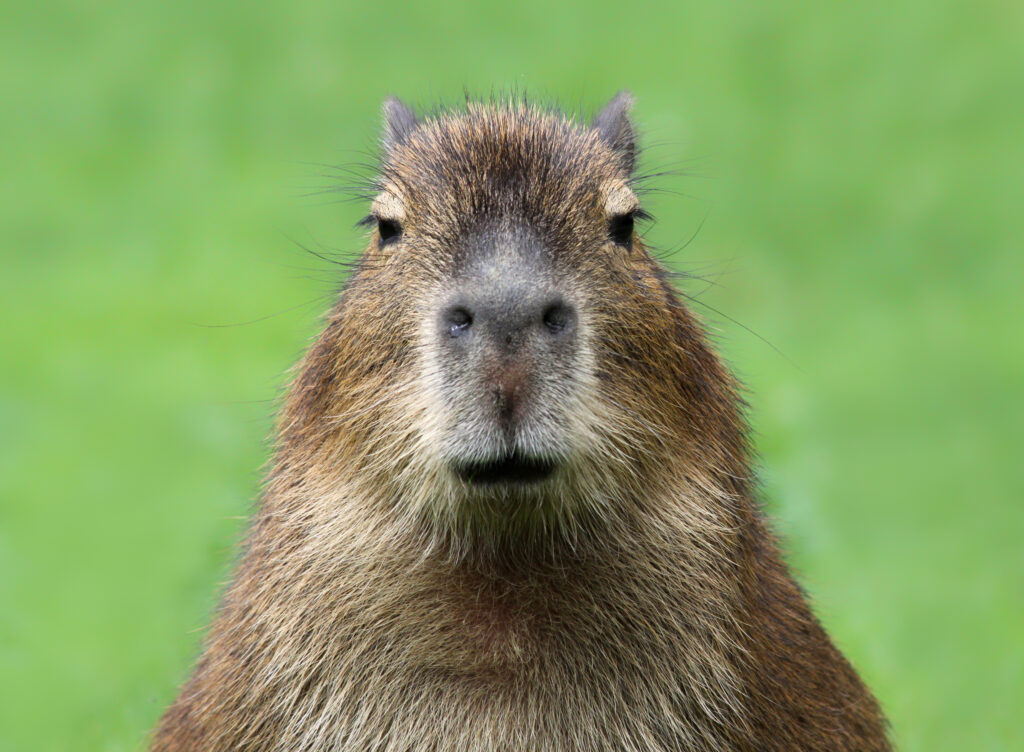
Given the context of [California]’s stringent exotic pet laws, the capybara’s legal status becomes clearer. Capybaras (Hydrochoerus hydrochaeris) are native to South America, thriving in marshy areas and dense forests. They are not indigenous to California and, as such, fall under the category of non-native, restricted species.
Why Capybaras Attract Attention
Capybaras have garnered significant attention from animal enthusiasts for several compelling reasons. Their unusually calm demeanor, often compared to that of a domesticated dog, makes them appealing as pets. They are highly social animals, known for interacting peacefully with various other species, which contributes to their gentle reputation. Their unique appearance, resembling a giant guinea pig, also adds to their charm. Videos and stories of capybaras living harmoniously with families and other pets have circulated widely online, fueling the desire for ownership. However, what works in a highly controlled or sanctuary environment often doesn’t translate safely or ethically to a typical residential setting, especially in a state like California.
Specifics of the California Fish and Game Code
Under the California Fish and Game Code, capybaras are explicitly classified as a “restricted animal.” This means that private ownership of capybaras is illegal for the general public in California. The law is quite clear on this matter, and attempts to circumvent it can lead to severe penalties. The CDFW is vigilant in enforcing these regulations to protect the state’s natural resources and ensure public safety. This classification is consistent with the broader approach to exotic animal regulation, where any animal deemed capable of causing ecological disruption or public harm is prohibited without specific authorization.
Permitting and Exceptions: Is There a Loophole?
While private ownership for personal enjoyment is prohibited, there are very limited, specific circumstances under which capybaras may be legally present in California. These exceptions are not “loopholes” for pet enthusiasts but rather tightly controlled allowances for specific, specialized purposes.
Zoological and Educational Permits
Accredited zoos, wildlife parks, and educational institutions can apply for special permits to possess capybaras. These permits are granted under strict conditions, requiring facilities to demonstrate comprehensive care plans, secure enclosures, and a clear educational or conservation purpose for possessing the animals. For instance, the San Diego Zoo or the Los Angeles Zoo might house capybaras as part of their animal collections, providing them with environments that mimic their natural habitats and offering visitors opportunities to learn about these unique creatures. The focus is always on public benefit, conservation, or scientific research, not private ownership.
Rehabilitation and Sanctuary Status
Wildlife rehabilitation centers and legitimate animal sanctuaries may also obtain permits for capybaras if they are involved in the rescue, rehabilitation, or long-term care of animals that have been confiscated, abandoned, or are otherwise in need. These organizations must meet rigorous standards for animal welfare, veterinary care, and facility security. The goal here is the welfare of the individual animal, often with the eventual aim of finding a suitable permanent placement in an approved zoological or educational setting, rather than facilitating private ownership.
Interstate Travel Considerations
Even if one legally owns a capybara in another state where it is permitted, transporting it into California is generally illegal without specific, rare permits, primarily for professional exhibition, transit, or veterinary care through the state. Individuals cannot simply drive through California with a capybara in their vehicle without risking confiscation and penalties. This is an important consideration for anyone whose lifestyle involves travel with unique pets, emphasizing that state lines represent significant legal boundaries for exotic animal ownership.
The Broader Implications for Pet Enthusiasts
The strict stance of California on capybara ownership reflects a broader philosophy regarding exotic pets. This approach has significant implications for animal lovers who are drawn to non-traditional companions.
Ethical Considerations of Exotic Pet Ownership
Beyond the legalities, there are profound ethical questions surrounding the private ownership of exotic animals. Can a capybara’s complex social and environmental needs truly be met in a backyard or even a large suburban property? Often, the answer is no. These animals thrive in specific ecological niches, require specialized diets, and benefit from interactions with their own kind. The exotic pet trade can also contribute to illegal wildlife trafficking, endanger wild populations, and result in animals ending up in unsuitable homes. [California]’s laws implicitly support the ethical stance that such animals are best left in their natural habitats or cared for by highly specialized institutions equipped to meet their needs.
Alternatives for Capybara Admirers in California
For those in California who admire capybaras, there are numerous ethical and legal ways to appreciate them without risking legal repercussions. Visiting accredited zoos like the San Diego Zoo Safari Park or the Oakland Zoo provides an opportunity to observe these animals in environments designed for their welfare, often with educational programs that deepen understanding and appreciation. Supporting reputable wildlife conservation organizations that work to protect capybaras in their native habitats is another impactful way to engage with these animals. For those seeking a unique companion, exploring less restricted but equally engaging domestic animals that can thrive in a typical home environment is always a recommended path.
Navigating the Legal Landscape of Exotic Pets
Understanding and respecting [California]’s exotic pet laws is paramount for anyone considering animal ownership in the state. The legal framework is designed to protect both human and animal welfare, as well as the delicate balance of [California]’s diverse ecosystems.
Resources for Prospective Owners
Individuals with questions about specific animal ownership laws in California should consult the California Department of Fish and Wildlife (CDFW) directly. Their official website provides detailed information on restricted species, permitting processes, and contact information for further inquiries. Additionally, local animal control agencies and veterinarians specializing in exotic animals can often provide guidance, though the CDFW remains the authoritative source for state wildlife regulations. Before acquiring any non-traditional pet, thoroughly researching its legal status at both state and local levels is a critical step in responsible pet ownership.

Penalties for Non-Compliance
Possessing a capybara or any other restricted exotic animal without the proper permits in California can lead to significant penalties. These can include substantial fines, confiscation of the animal, and even imprisonment, depending on the severity of the offense and whether there are repeat violations. The legal system in California takes these infractions seriously, underscoring the importance of adherence to wildlife protection laws. Confiscated animals often face an uncertain future, which further highlights the ethical responsibility to comply with regulations.
In conclusion, for those dreaming of sharing their California lifestyle with a capybara, the answer is a definitive no. [California]’s robust legal framework places capybaras firmly on the list of prohibited exotic animals for private ownership. While these regulations might seem restrictive to some, they are rooted in comprehensive efforts to preserve ecological integrity, ensure public safety, and promote the welfare of both wild and domestic animals.
LifeOutOfTheBox is a participant in the Amazon Services LLC Associates Program, an affiliate advertising program designed to provide a means for sites to earn advertising fees by advertising and linking to Amazon.com. Amazon, the Amazon logo, AmazonSupply, and the AmazonSupply logo are trademarks of Amazon.com, Inc. or its affiliates. As an Amazon Associate we earn affiliate commissions from qualifying purchases.