
Understanding the legal landscape surrounding various activities is crucial for anyone visiting or residing in a new place, particularly when it involves specialized equipment like crossbows. For enthusiasts of archery, hunting, or simply those curious about the regulations, the question of whether crossbows are legal in California is a common one. The short answer is yes, crossbows are legal in California, but their use is subject to specific and often nuanced regulations, particularly concerning hunting and recreational shooting. Navigating these rules is essential to ensure compliance and avoid potential legal issues, making a clear understanding paramount for responsible tourism and local engagement.
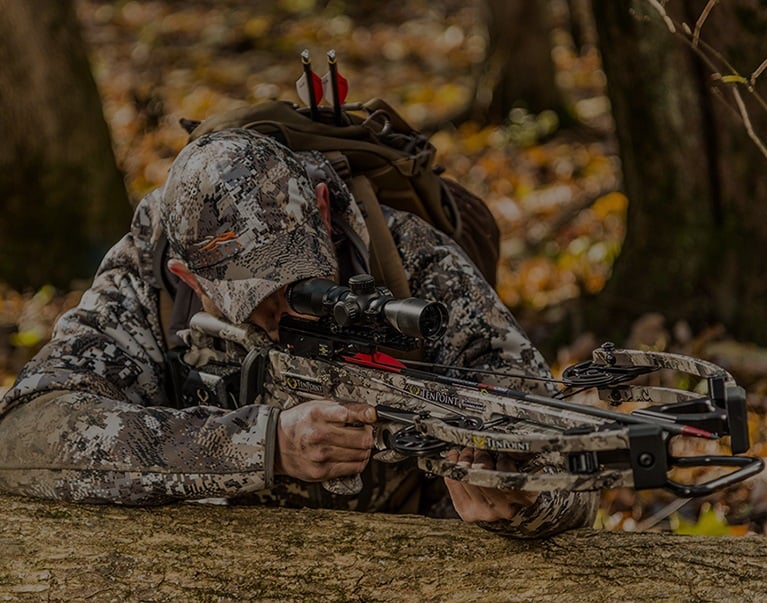
Understanding Crossbow Legality in California
The state of California permits the ownership and use of crossbows, distinguishing them from traditional firearms in many respects. However, this general legality comes with a framework of stipulations that govern how, when, and where they can be employed. It’s not a blanket approval but rather a regulated acceptance that ensures public safety, animal welfare, and responsible recreational practices. The state’s approach reflects a balance between allowing enthusiasts to pursue their interests and maintaining control over potentially dangerous equipment.
The General Legal Framework
At a fundamental level, individuals in California are allowed to own crossbows. Unlike firearms, there isn’t a requirement for registration, nor are there the same waiting periods for purchase. This makes ownership relatively straightforward for law-abiding citizens. However, similar to other weapons, certain individuals, such as convicted felons or those with specific restraining orders, are prohibited from possessing crossbows. The state’s general weapons laws still apply regarding brandishing or using a crossbow in a threatening manner, which can lead to serious legal consequences. It’s also important to note that local ordinances in specific cities or counties might impose additional restrictions, so checking municipal laws alongside state statutes is always a wise step, especially when considering activities in densely populated areas like Los Angeles or San Francisco.
Bow Hunting vs. Archery Target Practice
The primary distinction in crossbow usage legality often arises when comparing target practice with hunting. For recreational target practice on private property or at designated archery ranges, the regulations are generally less stringent, focusing primarily on safety and property boundaries. Many commercial and public archery ranges across California welcome crossbow users, offering safe environments to hone skills.
However, when it comes to hunting, the rules become significantly more detailed and restrictive. California has a well-defined set of regulations specifically for bow hunting, which includes crossbows. These regulations are designed to manage wildlife populations, ensure fair chase, and protect endangered species. Simply owning a crossbow does not grant permission to hunt; specific licenses, seasons, and equipment standards must be adhered to. This differentiation is crucial for anyone looking to engage with wildlife in California.
Specific Regulations for Hunting with Crossbows
For those looking to engage in hunting with a crossbow in California, the regulatory framework shifts from general legality to highly specific conditions overseen by the California Department of Fish and Wildlife (CDFW). Compliance with these detailed rules is not optional and serves as the backbone of responsible hunting practices within the state.
Seasons and Zones
California operates on a system of specific hunting seasons and zones for various game species. For big game like deer, elk, or bear, there are often designated archery-only seasons before the general firearms season begins. Crossbows are typically permitted during these archery seasons, but hunters must verify the specific regulations for the particular zone and species they intend to hunt. Some special hunts or areas might have even more restrictive rules or may entirely prohibit crossbows. The CDFW publishes detailed hunting regulations annually, which are the authoritative source for this information. Failing to adhere to season dates or hunting in an unauthorized zone can lead to severe penalties, including fines, license revocation, and equipment confiscation.
Licensing and Permits
Before embarking on any hunting expedition with a crossbow, a valid California hunting license is mandatory. This license is a general requirement for all hunters, regardless of the weapon used. In addition to the base hunting license, specific tags or permits are often required for certain game species (e.g., deer tags, bear tags). These tags are limited in number and typically acquired through a lottery system or direct purchase, depending on the species and demand. For bow hunting, including with crossbows, hunters must also successfully complete a hunter education course certified by the state. This course covers not only safety and ethical hunting practices but also detailed information on state regulations.
Approved Equipment and Ammunition
The CDFW also sets standards for the crossbow equipment itself. While specific draw weight requirements for crossbows are not as common as for traditional bows, there are strict regulations concerning the broadheads (the arrowheads) used for hunting. Broadheads must be fixed blade or mechanical, designed for clean kills, and must meet minimum width or cutting diameter specifications. Barbed broadheads or those containing explosives or chemicals are strictly prohibited. Using non-compliant broadheads is a serious offense. Furthermore, there are often restrictions on bolt (arrow) length and weight, all aimed at ensuring humane and ethical hunting. It is the hunter’s responsibility to ensure their equipment meets all state requirements before entering the field.
Restrictions on Public Lands
While large tracts of public land in California are open to hunting, specific restrictions apply, particularly in areas managed by different agencies. National Forests, Bureau of Land Management (BLM) lands, and some state wildlife areas managed by the CDFW generally allow hunting, subject to state regulations and any local agency-specific rules. However, national parks like Yosemite National Park or Sequoia National Park and state parks typically prohibit all forms of hunting. There can also be restrictions on shooting within certain distances of roads, trails, developed campgrounds, or private residences. Always consult the specific land management agency’s rules and signage for the area you intend to hunt, as well as the CDFW regulations.
Considerations for Tourists and Visitors
For visitors planning a trip to California who wish to engage in crossbow-related activities, an understanding of the state’s specific regulations is even more critical. Tourists might face unique challenges, from transporting equipment across state lines to understanding local purchasing laws, all of which require careful planning and adherence to legal guidelines.
Transporting Crossbows into California

Bringing a crossbow into California from another state generally presents fewer hurdles than transporting firearms, as there are no state-level registration requirements for crossbows. However, it is crucial that the crossbow is transported safely and securely. It should be unloaded, preferably in a case, and stored in a manner that prevents unauthorized access. While federal law permits the transport of sporting goods across state lines, local jurisdictions and specific travel methods (e.g., air travel) may have their own rules. Airlines, for instance, have specific packing and declaration requirements for bows and arrows. It’s always advisable to check with your chosen airline and ensure your travel plans comply with all state and local laws regarding weapon transport.
Purchasing Crossbows in the State
Purchasing a crossbow within California is generally a straightforward process for eligible individuals. Unlike firearms, there are no mandatory background checks through licensed dealers, nor are there waiting periods. Retailers can sell crossbows directly to individuals who meet the age requirements (typically 18 years old). However, it is still subject to federal age restrictions, and individual retailers may have their own internal policies. Despite the simpler purchasing process compared to firearms, buyers should still be aware of all local ordinances that might affect possession or use, especially if residing or planning to use the crossbow in specific municipalities within California.
Finding Legal Shooting Ranges and Hunting Areas
For visitors, identifying legal places to use a crossbow is paramount. Public and private archery ranges are excellent options for target practice. A quick online search for “archery range California” or “crossbow range Sacramento” will yield numerous results. Many of these facilities offer rentals and lessons, which can be a great way to experience crossbow shooting without bringing your own equipment.
For hunting, visitors must adhere to the same licensing and tag requirements as residents. This means obtaining a non-resident hunting license and any necessary tags well in advance of a planned trip. The CDFW website provides comprehensive maps and lists of public lands open to hunting. Additionally, numerous private hunting ranches and guide services across California cater to both residents and non-residents, offering guided hunts where all legal aspects are typically managed by the outfitter. This can be an ideal option for tourists unfamiliar with California’s specific hunting zones and regulations.
Evolving Regulations and Staying Informed
The legal landscape surrounding hunting and recreational activities in California is not static. Regulations can change due to new legislation, scientific findings regarding wildlife populations, or shifts in public policy. Therefore, staying informed is not a one-time task but an ongoing commitment for any responsible crossbow user, whether a resident or a visitor.
The Role of the California Department of Fish and Wildlife
The California Department of Fish and Wildlife (CDFW) is the primary authority for hunting and fishing regulations in the state. Their website is an invaluable resource, providing the latest editions of hunting regulations, season dates, zone maps, licensing information, and educational materials. The CDFW regularly updates its publications, often before new seasons begin, to incorporate any changes. Subscribing to their newsletters or regularly checking their official website is the most reliable way to ensure you are always working with the most current information. They also provide contact information for regional offices where specific questions can be addressed.
Consulting Local Authorities
While the CDFW sets statewide regulations, local jurisdictions, such as county sheriff’s departments or city police departments, may have additional ordinances that affect crossbow use, particularly concerning discharge on private property within city limits or noise regulations. Before engaging in target practice or other activities in specific local areas, it’s prudent to check with the local law enforcement agency or county clerk’s office. This is especially true for property owners who wish to set up a private shooting range, as zoning laws and neighborhood ordinances may apply. Being proactive in checking local rules can prevent misunderstandings or legal issues.
Online Resources and Communities
Beyond official government sources, a wealth of information can be found through online hunting and archery communities. Forums, blogs, and social media groups dedicated to California hunting or archery often discuss regulatory changes, share practical advice, and provide real-time insights from experienced users. While these resources should not replace official CDFW guidance, they can be excellent supplementary tools for understanding nuances, finding local spots, and connecting with a community of like-minded individuals. Always cross-reference information from unofficial sources with official CDFW publications to ensure accuracy.
Beyond Legality: Ethical Hunting and Safety
While understanding the legality of crossbows in California is foundational, responsible participation in hunting and archery extends far beyond mere compliance with the law. Ethical considerations, safety protocols, and environmental stewardship are equally vital components for any crossbow user.
Best Practices for Crossbow Users
Ethical hunting, often referred to as “fair chase,” involves respecting the animal, the environment, and the spirit of the hunt. For crossbow users, this means practicing regularly to ensure accurate shots that result in quick, humane kills. It also involves knowing your effective range and refraining from taking shots that are outside of your skill level or the crossbow’s capability. Tracking wounded game diligently and respecting property boundaries and the rights of other land users are also critical aspects of ethical conduct. For target shooting, ensuring that arrows are contained within a safe backstop and not retrieving bolts until the shooting line is clear are paramount.
Safety Precautions
Crossbows are powerful tools and demand respect. Basic safety rules must always be followed:
- Treat every crossbow as if it were loaded.
- Always point the crossbow in a safe direction.
- Be sure of your target and what is beyond it.
- Keep your finger outside the trigger guard until ready to shoot.
- Never dry fire a crossbow (firing without an arrow), as this can cause significant damage to the limbs and potentially injure the shooter.
- Wear appropriate safety gear, including eye protection and hearing protection if shooting in an enclosed area.
- Keep hands and fingers clear of the string path when firing to prevent “thumb bite” injuries.

Environmental Stewardship
Engaging with crossbows, especially in outdoor settings, comes with a responsibility to protect California’s diverse ecosystems. This includes adhering to “Leave No Trace” principles: packing out all trash, minimizing impact on trails and campsites, and respecting wildlife habitats. For hunters, this extends to proper field dressing and disposal of animal remains, ensuring that they do not attract scavengers to populated areas or contaminate water sources. Understanding and following all conservation regulations, such as bag limits and protected species lists, is also a direct contribution to the long-term health of California’s natural resources. By embracing these principles, crossbow users contribute positively to the broader outdoor community and preserve opportunities for future generations.
LifeOutOfTheBox is a participant in the Amazon Services LLC Associates Program, an affiliate advertising program designed to provide a means for sites to earn advertising fees by advertising and linking to Amazon.com. Amazon, the Amazon logo, AmazonSupply, and the AmazonSupply logo are trademarks of Amazon.com, Inc. or its affiliates. As an Amazon Associate we earn affiliate commissions from qualifying purchases.