
Exploring the sunny landscapes and charming towns of California often sparks curiosity about unique modes of transportation. For many tourists, the allure of zipping around in a golf cart offers a relaxed, open-air experience, particularly in scenic coastal communities or expansive resort areas. However, the question of whether golf carts are “street legal” in California is not a simple yes or no, and understanding the nuances is crucial for any visitor planning to utilize one during their stay. For tourists, distinguishing between a traditional golf cart and a street-legal variant is paramount to avoid potential legal issues and ensure a smooth, enjoyable trip.
Navigating California’s Roads with Golf Carts: The Legal Landscape for Tourists
The desire to explore California’s diverse attractions, from vibrant beach towns to serene desert resorts, often leads visitors to consider alternative forms of transport beyond standard automobiles. Golf carts, with their compact size and open design, appear ideal for short jaunts to local eateries, beaches, or within large complexes. Yet, the legal framework governing their use on public roads is quite specific and often misunderstood. In California, a standard golf cart, as designed primarily for golf courses and private communities, is generally not considered street legal for use on most public roads. The distinction lies in a specific category of vehicles known as Low-Speed Vehicles (LSVs) or Neighborhood Electric Vehicles (NEVs).
The Distinction Between Golf Carts and Low-Speed Vehicles (LSVs)
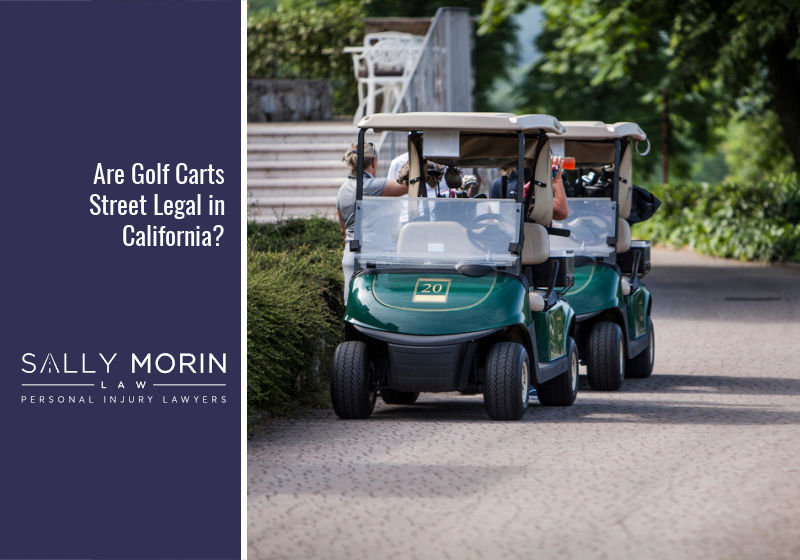
A traditional golf cart is manufactured for leisure use on private property, specifically golf courses, and lacks many of the safety features required for public road use. These typically include basic lighting, no seatbelts, and a limited top speed. In contrast, an LSV is a golf cart, or a similar small vehicle, that has been specifically designed or modified by the manufacturer to meet stringent federal and state safety standards, making it eligible for registration and use on certain public streets.
For an LSV to be deemed street legal in California, it must adhere to a comprehensive set of requirements outlined by the California Department of Motor Vehicles (DMV) and federal regulations. These critical specifications include:
- Speed Capability: An LSV must be capable of reaching a minimum speed of 20 miles per hour (mph) but cannot exceed 25 mph. This speed range allows them to integrate safely with slow-moving traffic on appropriate roads.
- Safety Equipment: Essential safety features are mandatory, including:
- Headlamps, tail lamps, and stop lamps for visibility.
- Front and rear turn signals for indicating direction.
- A rearview mirror and usually side mirrors for situational awareness.
- A windshield to protect occupants.
- Seatbelts for all designated seating positions.
- A horn for signaling.
- A Vehicle Identification Number (VIN) for registration and identification purposes.
- Parking brakes.
- Registration and Licensing: LSVs must be registered with the California DMV and display a valid license plate.
- Insurance: Proof of financial responsibility, typically through insurance, is required, just like with any other motor vehicle.
- Licensed Driver: Only individuals with a valid driver’s license can operate an LSV on public roads.
It’s important to note that even with all these requirements met, LSVs are generally restricted to roads with speed limits of 35 mph or less. They are typically prohibited from freeways, highways, and other high-speed thoroughfares. This strict differentiation is vital for tourists who might consider renting a “golf cart” for sightseeing; it must be a compliant LSV to be legally used on public streets.
Where Golf Carts Enhance the California Tourist Experience
Despite the strict regulations, Low-Speed Vehicles play a significant role in enhancing the tourist experience in several popular California destinations. Their utility for short distances, ease of parking, and the unique sense of open-air freedom make them an attractive option in specific, often picturesque, locales.
Catalina Island
Perhaps the most iconic example of golf cart prevalence in California tourism is Catalina Island, particularly in the charming town of Avalon. Here, private car ownership is severely restricted, making golf carts the primary mode of personal transport for both residents and visitors. Rental golf carts are readily available for tourists, offering a fantastic way to explore Avalon’s scenic hills, quaint streets, and coastal views. However, even here, strict rules apply regarding where they can be driven, parking, and rental durations. It’s imperative to rent from reputable local operators and adhere to all local ordinances to fully enjoy the experience.
Coastal Towns
Many of California’s picturesque coastal communities have embraced LSVs as an ideal way to navigate their beachside environments. Towns like those along the Balboa Peninsula in Newport Beach, sections of Huntington Beach, and the beautiful island city of Coronado often feature designated streets or zones where LSVs are a common sight. Tourists frequently rent them for easy access to beaches, local shops, waterfront restaurants, and other attractions without the hassle of finding traditional car parking. The slower pace encourages a more immersive exploration of the local atmosphere.
Palm Springs and Desert Communities
In the vibrant desert communities around Palm Springs, golf carts are not just a mode of transport but an integral part of the lifestyle. Within the numerous resort properties, golf courses, and gated residential communities, LSVs are ubiquitous. For tourists, renting an LSV can be an excellent way to traverse resort grounds, access nearby golf courses, visit local dining spots, or simply enjoy the unique desert landscape. Many cities in this region have specific ordinances that allow LSV use on designated public streets, complementing the relaxed pace of desert living.
Local Ordinances and Designated Routes
While California state law defines LSVs and their general requirements, local municipalities retain significant authority to further regulate or permit their use within their jurisdictions. This means that even if an LSV meets all state requirements, its use might still be restricted in certain cities or even on particular streets. Many cities have proactively identified “golf cart friendly” zones, marked specific routes, or established local ordinances to manage LSV traffic. For instance, the rules for operating an LSV in Laguna Beach might differ considerably from those in a suburban area of Sacramento. Therefore, tourists must always verify the specific local regulations for their chosen destination within California before assuming a golf cart is street legal.

Practical Tips for Tourists Considering Golf Cart Use
For tourists visiting California and contemplating the use of a golf cart (specifically an LSV) for local exploration, a few practical considerations are essential to ensure a safe, legal, and enjoyable experience. Being well-informed can make all the difference in harnessing the convenience and charm these vehicles offer.
Research Local Regulations Thoroughly
Before committing to a rental, or if you happen to be traveling with your own LSV, it is paramount to conduct detailed research into the specific city or county ordinances of your destination. While the California DMV provides state-level guidelines, local laws can impose additional restrictions or designate specific permitted routes. A quick check of the local city hall website, the police department’s traffic division, or even direct contact with local tourism boards can provide definitive information on where LSVs are permitted and under what conditions. Ignorance of local laws is not an excuse and can lead to fines or impoundment, disrupting your vacation.
Rental vs. Ownership Verification
Most tourists will opt for renting an LSV. When doing so, always ensure that the rental company is reputable and that the vehicle provided is indeed an LSV that meets all California state and local requirements for street legality. Confirm that it has all the necessary safety equipment (headlights, tail lights, turn signals, mirrors, seatbelts), valid registration, and proof of insurance. A legitimate rental company should readily provide this information and confirm the vehicle’s legal status for public road use. Never rent a standard golf cart if your intention is to drive it on public streets.
Driver Requirements and Responsibilities
Operating an LSV on public roads requires a valid driver’s license. Just like with any other motor vehicle, the driver must adhere to all traffic laws, including stop signs, traffic lights, and right-of-way rules. It is absolutely illegal and highly dangerous to operate an LSV while under the influence of alcohol or drugs. Responsible driving is key to a positive experience and ensuring the safety of yourself, your passengers, and others on the road.
Prioritize Safety Above All Else
Even though LSVs are slower than cars, safety should never be compromised.
- Use Seatbelts: Always ensure all occupants wear seatbelts if the LSV is equipped with them.
- Adhere to Speed Limits: Respect the posted speed limits for the roads you are on and the maximum speed of the LSV.
- Do Not Overload: Never exceed the manufacturer’s recommended passenger or weight capacity, as this can severely impair the vehicle’s handling and braking.
- Be Alert: Maintain constant awareness of your surroundings, especially for pedestrians, cyclists, and larger vehicles which may not expect to share the road with an LSV.
- Night Driving: Exercise extreme caution when driving at night. While LSVs have lights, their visibility can still be limited compared to full-sized vehicles.
- Children: Ensure children are seated properly and supervised, as golf carts can pose unique risks to smaller passengers.
Parking Considerations
When parking an LSV on public streets, standard parking regulations apply. Do not block sidewalks, driveways, or fire lanes. Look for designated parking spots, and be mindful of time limits or restricted zones. In busy tourist areas, parking can still be challenging, so plan accordingly.
Environmental Considerations
Opting for an electric LSV aligns well with sustainable tourism practices. These vehicles produce zero tailpipe emissions, contributing to cleaner air and a quieter environment, which can enhance the experience for everyone in a tourist-heavy area. By choosing an LSV where appropriate, tourists can enjoy convenience while minimizing their environmental footprint.

The Future of Golf Cart Mobility in California Tourism
The landscape of urban and tourist transportation is continually evolving, with a growing emphasis on flexibility, sustainability, and unique local experiences. In this context, golf carts, particularly Low-Speed Vehicles, are poised to play an increasingly significant role in California’s tourism sector. As cities explore ways to reduce traffic congestion and promote eco-friendly travel, the strategic integration of LSVs offers a compelling solution for navigating smaller distances and experiencing local attractions at a more relaxed pace.
The trend towards micromobility solutions, encompassing everything from electric scooters to compact electric vehicles, suggests a future where LSVs could see expanded designated zones or innovative transport initiatives in tourist-dense locations. Imagine more coastal cities creating dedicated LSV lanes, or resort towns developing comprehensive rental and sharing programs that simplify access for visitors. This expansion would, of course, necessitate continued careful planning and robust enforcement of safety regulations to balance convenience with public safety.
Technological advancements are also set to enhance the LSV experience. Improvements in battery life, GPS integration for navigation specific to LSV-permitted routes, and enhanced safety features like collision avoidance systems could make these vehicles even more attractive and secure for tourists. Moreover, as more individuals seek authentic and immersive travel experiences, the open-air nature of an LSV offers a distinct advantage, allowing travelers to truly soak in the sights, sounds, and scents of their California destination.
Ultimately, the future of golf cart mobility in California tourism will hinge on a collaborative effort between state and local governments, vehicle manufacturers, rental operators, and, crucially, tourists themselves. By adhering to existing regulations, advocating for sensible policy expansions, and prioritizing safe and responsible operation, visitors can continue to enjoy the unique charm and practical benefits that street-legal golf carts bring to a California getaway. This ensures that the allure of cruising through a beautiful California town in a compact, open-air vehicle remains a viable and cherished part of the travel experience for years to come.
LifeOutOfTheBox is a participant in the Amazon Services LLC Associates Program, an affiliate advertising program designed to provide a means for sites to earn advertising fees by advertising and linking to Amazon.com. Amazon, the Amazon logo, AmazonSupply, and the AmazonSupply logo are trademarks of Amazon.com, Inc. or its affiliates. As an Amazon Associate we earn affiliate commissions from qualifying purchases.