
For travelers planning an escape to the sun-drenched beaches, majestic national parks, or world-renowned wine regions, the question of California’s wildfire status is perennially relevant. While the fires themselves may not be “over” in an absolute sense due to the state’s natural fire ecology, the intense, widespread incidents that capture global headlines typically subside with the arrival of winter rains and cooler temperatures. However, understanding the annual cycle and its implications for travel remains crucial for a safe and enjoyable visit to the Golden State.
Understanding the Wildfire Season in California
California’s Mediterranean climate, characterized by hot, dry summers and mild, wet winters, creates an environment naturally prone to wildfires. This seasonal rhythm dictates when travelers can expect the highest risk and when the landscape typically offers a clearer, safer experience.
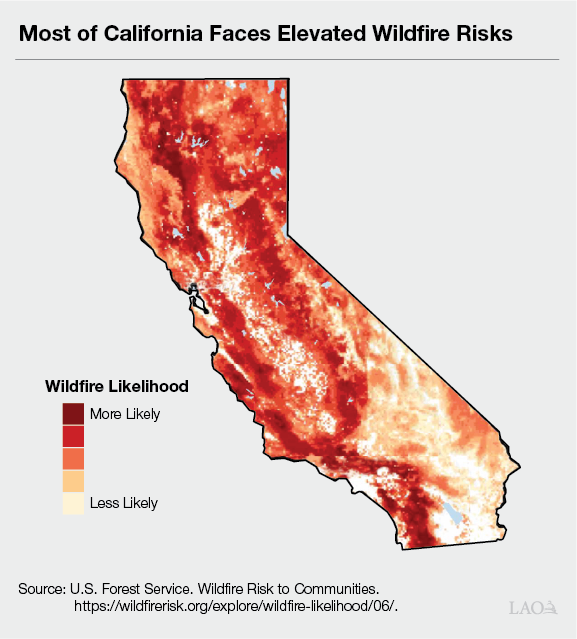
A Seasonal Reality for Golden State Travelers
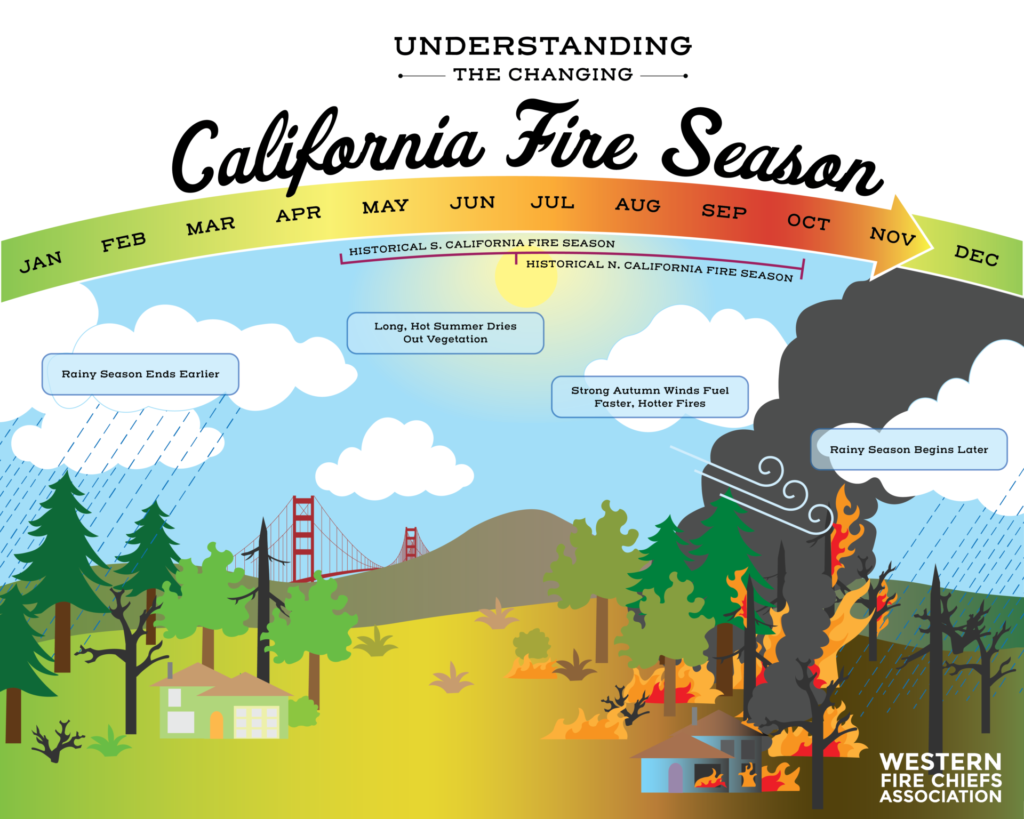
The traditional wildfire season in California historically spanned from late spring through late autumn, peaking in August, September, and October. During these months, vegetation, dried out by months of sun and minimal precipitation, becomes highly flammable. Strong, dry winds, such as the Santa Ana winds in Southern California and the Diablo winds in the north, can rapidly spread embers and intensify blazes, making them particularly destructive.
However, in recent years, climate change has significantly altered this pattern. The wildfire season has expanded, becoming longer and more severe, with some large fires occurring outside the traditional window, even into winter months in drier years. This necessitates a year-round awareness for travelers, though the peak danger period for widespread incidents usually concludes by late November or early December, contingent on the first significant rainfall.
Factors Contributing to Wildfire Risk
Several interwoven factors contribute to California’s elevated wildfire risk:
- Drought Conditions: Extended periods of drought dry out vegetation, turning forests and grasslands into potent fuel.
- Fuel Accumulation: Decades of fire suppression policies have led to an accumulation of dead trees, brush, and undergrowth, which, when ignited, can fuel catastrophic fires.
- Weather Patterns: High temperatures, low humidity, and strong winds create ideal conditions for ignition and rapid fire spread.
- Human Activity: A significant percentage of wildfires are started by human activity, including unattended campfires, sparks from equipment, downed power lines, and arson. Natural causes, primarily lightning, account for the remainder.
Understanding these dynamics helps travelers appreciate the complex challenges California faces and plan their trips accordingly, prioritizing safety and awareness.
Current Status and Impact on Travel Destinations
While specific fire activity is constantly changing, the general “over” status of the wildfire season for major destructive events typically aligns with the onset of consistent winter precipitation. Post-season, the travel landscape shifts from immediate danger to recovery and long-term implications.
Navigating Smoke and Air Quality Concerns
Even after active fires are contained, the lingering effects of smoke and ash can impact air quality for weeks or even months, especially in downwind areas. Air quality indexes (AQI) can spike to unhealthy or hazardous levels, posing risks for outdoor activities and for individuals with respiratory conditions. Travelers should monitor local air quality reports, often available from the Environmental Protection Agency (EPA) or local air quality districts, particularly when visiting natural areas or engaging in strenuous outdoor pursuits. San Francisco, Los Angeles, and even areas as far inland as Sacramento can experience degraded air quality depending on fire locations and wind patterns.
Key Regions and Their Recovery for Visitors
The impact of wildfires varies significantly across California’s diverse regions. While some areas might experience direct damage, others might only be affected by smoke or simply be unaffected.
Napa Valley and Sonoma County
These premier wine regions, while occasionally impacted by fires, demonstrate remarkable resilience. Wineries and vineyards often recover swiftly, and many have implemented advanced fire prevention and recovery strategies. Travelers post-fire season can expect most wineries and restaurants to be fully operational. Supporting these local businesses is a vital way to aid recovery.
Lake Tahoe and the Sierra Nevada
Fires in the Sierra Nevada can affect access to popular destinations like Lake Tahoe, Yosemite National Park, and Sequoia National Park. These areas are treasures for hiking, camping, and winter sports. Post-fire, some trails or sections of the parks might be closed for rehabilitation, safety assessments, or to prevent erosion. It is imperative to check the official park websites (National Park Service) or local forest service offices for the latest closures and conditions before planning a trip.

Southern California Coastal Regions
Areas near Los Angeles, San Diego, and the Central Coast can also face wildfire threats. While coastal cities themselves are often spared direct fire damage, surrounding hillsides and canyons are vulnerable. Travelers to these areas usually face temporary road closures or localized evacuations, which typically resolve quickly once fires are contained. Beaches and urban attractions often remain open, though air quality may be a temporary concern.
Northern California and Redwood Forests
The majestic Redwood National Park and surrounding areas in Northern California are generally wetter and less prone to the intense, widespread fires seen elsewhere. However, individual fires can occur, affecting specific parks or routes like the Pacific Coast Highway in sections like Big Sur or Mendocino. Always verify road conditions and park statuses through official channels.
Road Closures and Accessibility Updates
Wildfires frequently lead to road closures, both for immediate safety and to facilitate emergency vehicle access. These closures can significantly disrupt travel plans, especially when driving scenic routes like Highway 1 along the coast or state routes through national forests. Before embarking on any road trip, particularly during or shortly after the fire season, travelers should consult resources like Caltrans (for state highways) or the California Highway Patrol for real-time updates on road conditions and closures. Apps like Waze can also offer user-generated updates, though official sources are always best for critical safety information.
Planning Your California Trip Post-Wildfire Season
Traveling to California outside of the peak wildfire season (typically winter through early spring) generally offers a much lower risk. However, vigilance and thoughtful planning remain paramount.
Essential Resources for Up-to-Date Information
Reliable, real-time information is a traveler’s best friend.
- CalFire: The official source for wildfire incidents and updates in California. Their website provides maps, incident reports, and containment levels.
- National Weather Service: Critical for understanding weather forecasts, wind advisories, and red flag warnings (which indicate critical fire weather conditions).
- National Park Service / U.S. Forest Service: For updates on specific park and forest closures, trail conditions, and fire restrictions (e.g., campfires, prescribed burns).
- Local Tourism Boards: Websites for cities like Santa Cruz, Monterey, or regional tourism organizations often provide information specific to their area’s recovery and open attractions.
- AirNow.gov: For current air quality conditions across the country, including California.
Travel Insurance and Flexibility Considerations
Purchasing comprehensive travel insurance is always a wise decision, but it becomes even more pertinent when traveling to regions prone to natural disasters. Policies vary, but many offer coverage for trip interruptions or cancellations due to unforeseen events like wildfires, mandatory evacuations, or widespread road closures. It is crucial to read the fine print regarding “acts of God” or natural disaster clauses.
Beyond insurance, build flexibility into your itinerary. Consider booking accommodations and activities with generous cancellation policies. Have alternative routes or destinations in mind in case your primary plans are affected. This proactive approach can alleviate stress and ensure your trip remains enjoyable, even if minor adjustments are needed.
Supporting Local Communities Through Responsible Tourism
Post-wildfire, local communities often face significant economic challenges. Tourism is a vital part of the economy in many parts of California, and responsible travel can be a powerful force for recovery. When visiting, consider:
- Patronizing Local Businesses: Dine at local restaurants, shop at independent boutiques, and book tours with local guides.
- Volunteering (if appropriate): Some organizations may welcome volunteers for restoration efforts, though this requires specific planning and coordination.
- Respecting Damaged Areas: Avoid entering areas that are closed for recovery or pose a safety risk. Respect private property and environmental restoration efforts.
- Educating Yourself: Learn about the fire ecology and prevention efforts in the region you are visiting.
Experiencing California Safely and Responsibly
Ultimately, the answer to “Are the California wildfires over?” is nuanced. The peak season of destructive fires usually passes, but the landscape remains vulnerable, and a new season will always arrive. Traveling safely and responsibly means being prepared and informed.
Fire Safety Tips for Visitors
Even outside the peak season, or especially if traveling during dry periods, follow these safety guidelines:
- Check Fire Restrictions: Always be aware of local fire restrictions, especially concerning campfires, barbecues, and smoking.
- Be Ember Aware: Sparks from vehicles, discarded cigarettes, or even loose chains on trailers can ignite dry grasses.
- Stay on Trails: Off-roading can disturb vegetation and create fire hazards.
- Know Your Evacuation Routes: If staying in a potentially vulnerable area, familiarize yourself with local evacuation plans and escape routes.
- Have an Emergency Kit: Carry water, first aid, and communication devices.
- Report Fires Immediately: If you see smoke or fire, dial 911 immediately. Provide precise location details.
Embracing California’s Natural Resilience
Despite the challenges, California remains an extraordinarily beautiful and vibrant travel destination. Its landscapes, while sometimes scarred, also exhibit remarkable resilience. Many ecosystems, in fact, depend on fire for regeneration. The post-fire landscape can offer unique opportunities for reflection and observation of nature’s recovery process. By traveling consciously, staying informed, and supporting local communities, visitors can continue to enjoy the unparalleled experiences California offers, while contributing to its enduring health and vibrancy.
LifeOutOfTheBox is a participant in the Amazon Services LLC Associates Program, an affiliate advertising program designed to provide a means for sites to earn advertising fees by advertising and linking to Amazon.com. Amazon, the Amazon logo, AmazonSupply, and the AmazonSupply logo are trademarks of Amazon.com, Inc. or its affiliates. As an Amazon Associate we earn affiliate commissions from qualifying purchases.