
Navigating the intricacies of vehicle acquisition in the Sunshine State involves understanding not only the sticker price but also the associated taxes and fees. For anyone looking to purchase a car, motorcycle, RV, or boat in Florida, comprehending the sales tax implications is paramount. This guide delves into the specifics of Florida’s sales tax on vehicles, offering clarity for buyers and ensuring a smooth transaction process.
Understanding Florida’s Sales and Use Tax on Vehicles
Florida imposes a state sales tax on the retail sale, rental, and use of tangible personal property, including vehicles. When you purchase a vehicle, the sales tax is calculated on the total purchase price. It’s crucial to distinguish between sales tax and use tax. Sales tax is levied when a vehicle is purchased within Florida. Use tax, on the other hand, applies when a vehicle is purchased outside of Florida and then brought into the state for use, storage, or consumption. The rate for use tax is the same as the sales tax rate.
State and Local Tax Rates
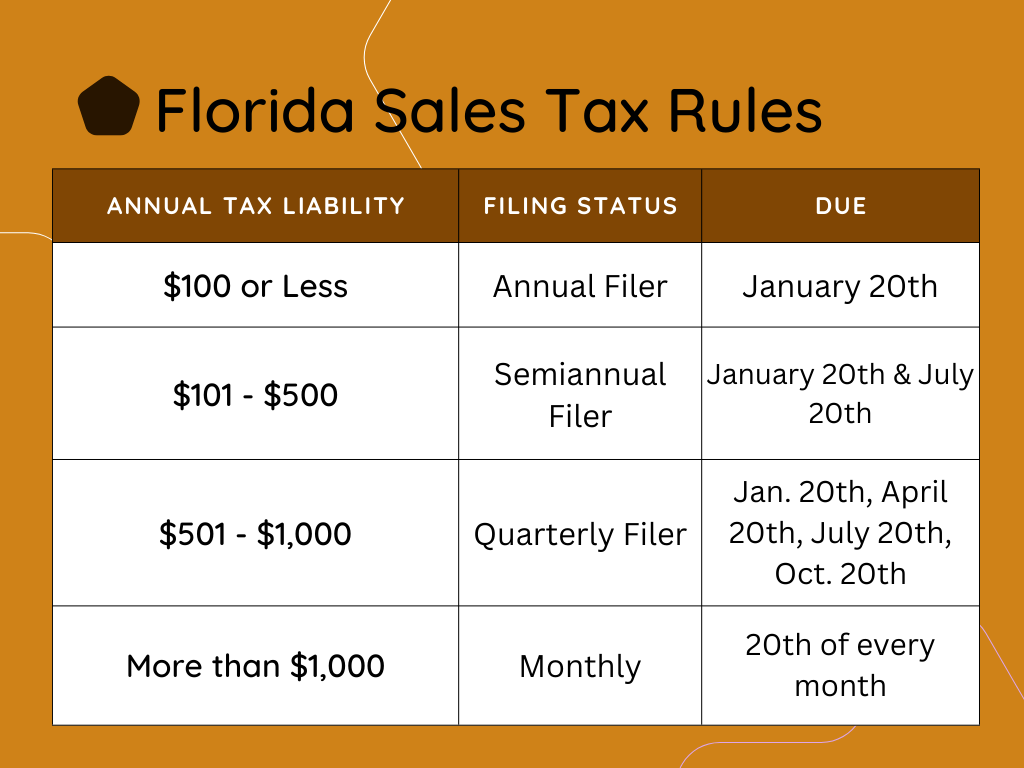
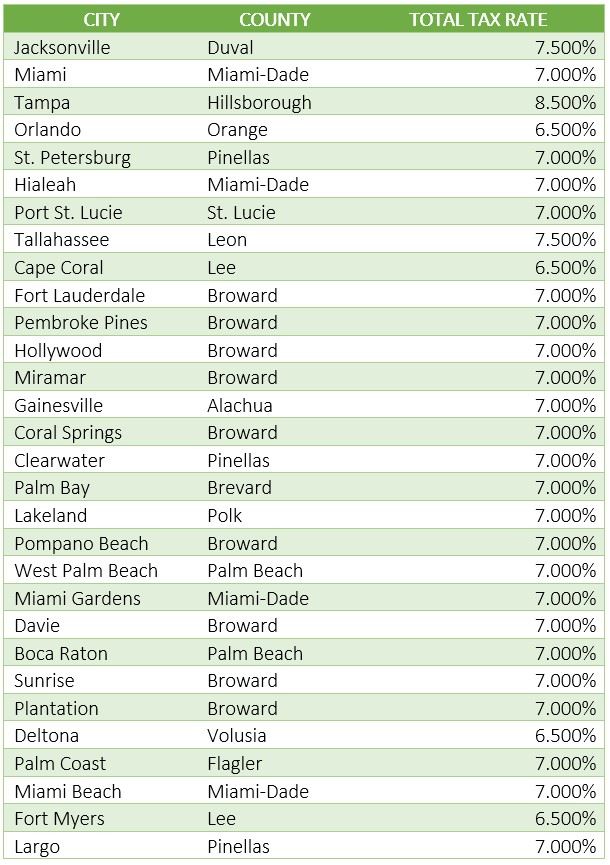
The standard statewide sales tax rate in Florida is 6%. However, this rate can be higher in certain counties due to the imposition of local discretionary sales surtaxes. These surtaxes vary by county and are often designated for specific purposes, such as infrastructure improvements, public safety, or educational facilities.
For instance, a county might add a 1% discretionary surtax, bringing the total sales tax rate in that county to 7%. Some counties have even higher surtaxes, with rates reaching up to 8.5%. When purchasing a vehicle, the sales tax rate applied will be the combined state and local rate of the county where the transaction takes place or where the vehicle will be registered.
It is essential to check the specific sales tax rate for the county in which you are purchasing or registering your vehicle. The Florida Department of Revenue provides resources to determine these rates, which are subject to change.
Calculating Sales Tax on Vehicles
The sales tax is calculated on the “taxable amount” of the vehicle. This amount typically includes the purchase price of the vehicle itself, as well as any additional charges that are considered part of the sale. This can encompass:
- Vehicle Price: The agreed-upon price between the buyer and seller.
- Dealer Fees: Many standard dealer fees, such as preparation fees or administrative charges, are subject to sales tax.
- Accessories and Options: Any factory-installed or dealer-installed accessories purchased with the vehicle are generally taxed.
However, certain charges are typically exempt from sales tax. These may include:
- Trade-in Value: If you trade in your old vehicle as part of the purchase, the value of your trade-in is usually deducted from the purchase price before sales tax is calculated. This is a significant benefit for many buyers.
- Manufacturer Rebates: Manufacturer rebates, while reducing the overall cost, are generally not deductible from the taxable sale price. The tax is calculated on the price before the rebate is applied.
- Financing Charges: Interest paid on a vehicle loan is not subject to sales tax.
Example:
Let’s assume you are purchasing a vehicle for $30,000 in a county with a combined sales tax rate of 7%.
-
Scenario 1 (No Trade-in):
- Taxable amount: $30,000
- Sales tax: $30,000 * 0.07 = $2,100
- Total cost: $30,000 + $2,100 = $32,100
-
Scenario 2 (With Trade-in):
- Suppose you trade in your old car for $5,000.
- Taxable amount: $30,000 – $5,000 = $25,000
- Sales tax: $25,000 * 0.07 = $1,750
- Total cost: $30,000 (original price) – $5,000 (trade-in) + $1,750 (sales tax) = $26,750
This highlights the significant savings a trade-in can provide.
Exemptions from Sales Tax
While most vehicle purchases are subject to sales tax, Florida law provides specific exemptions for certain individuals and entities. These exemptions are designed to provide relief in particular circumstances and are not universally applicable.
Some common exemptions include:
- Vehicles purchased for resale: Businesses that purchase vehicles for the sole purpose of reselling them to consumers are typically exempt from sales tax at the time of purchase. They will collect sales tax from the end buyer.
- Vehicles purchased by exempt organizations: Certain non-profit organizations, governmental agencies, and other exempt entities may be eligible for sales tax exemptions on vehicle purchases. Proper documentation and verification are required.
- Disabled Veterans: Florida offers a valuable exemption for disabled veterans. A qualifying disabled veteran may be exempt from paying sales tax on the purchase of a motor vehicle if the vehicle is specially equipped to accommodate their disability or if the exemption is being applied to a single vehicle purchase during their lifetime. Specific eligibility criteria and application procedures must be met.
- Certain Agricultural or Commercial Use Vehicles: In some specific instances, vehicles used exclusively for agricultural or certain commercial purposes might qualify for exemptions, though these are often highly regulated and subject to strict conditions.
It is crucial to consult with the Florida Department of Revenue or a qualified tax professional to determine eligibility for any of these exemptions. Misunderstanding or misapplying exemptions can lead to penalties and back taxes.
Sales Tax on Used Vehicles and Private Party Sales
The sales tax rules in Florida generally apply to both new and used vehicles, regardless of whether the purchase is made from a licensed dealer or a private individual.
Dealer Sales
When purchasing from a licensed dealer, the sales tax is typically collected at the point of sale and remitted to the state by the dealer. The dealer will include the calculated sales tax in your total purchase price and handle the transaction with the tax authorities. This is the most straightforward scenario, as the dealer is experienced in these matters.
Private Party Sales
Purchasing a vehicle from a private seller requires the buyer to take responsibility for remitting the sales tax to the state. When you go to register the vehicle with the Florida Department of Highway Safety and Motor Vehicles (FLHSMV), you will be required to pay the applicable sales tax based on the purchase price.
The challenge with private party sales can be establishing the accurate taxable value. While the bill of sale will indicate the price paid, the state may assess tax based on the average retail value of the vehicle if they suspect the reported price is significantly below market value. To avoid discrepancies, it’s advisable to have a clearly documented bill of sale that reflects the actual transaction price. For vehicles purchased from out-of-state private sellers and brought into Florida, the use tax would apply.
Sales Tax on Other Vehicle Types
The principles of sales tax in Florida extend beyond standard automobiles to other types of vehicles, including recreational vehicles (RVs) and boats.
Recreational Vehicles (RVs)
Purchasing an RV, whether new or used, is subject to Florida’s sales tax. The taxable base is the purchase price of the RV, with potential deductions for trade-ins. The sales tax rate applied will be the combined state and local rate of the county where the RV is purchased or registered. RV owners should also be aware of annual registration fees and other taxes, such as the tangible personal property tax on the RV, which are separate from sales tax.
Boats
Similarly, the purchase of a boat in Florida is subject to sales tax. The tax is calculated on the total purchase price, minus any trade-in value. For boats purchased out-of-state and brought into Florida for use, the use tax will apply. Boat owners are also subject to annual registration fees and other maritime-related taxes. The Florida Fish and Wildlife Conservation Commission (FWC) oversees boat registration and related fees.
Frequently Asked Questions and Considerations
When embarking on a vehicle purchase, it’s natural to have questions. Understanding common scenarios can help streamline the process.
What if I buy a vehicle out of state and bring it to Florida?
If you purchase a vehicle outside of Florida and subsequently bring it into the state for use, storage, or consumption, you are generally liable for Florida’s use tax. The use tax rate is equivalent to the sales tax rate in your county of residence. You will typically pay this tax when you register the vehicle with the FLHSMV. Proof of sales tax paid in the other state may be credited against Florida’s use tax liability to prevent double taxation, provided the other state’s tax rate was equal to or higher than Florida’s.
Are there any caps on sales tax for vehicles in Florida?
Unlike some states that have a cap on the maximum sales tax amount an individual must pay for a vehicle, Florida does not have a statewide cap on the sales tax for most vehicle purchases. The tax is calculated as a percentage of the taxable sale price. However, specific exemptions, like those for disabled veterans, can effectively reduce or eliminate the tax.
Where can I find the most up-to-date tax rates?
The most reliable source for current sales and use tax rates in Florida is the official website of the Florida Department of Revenue. They provide searchable databases and publications detailing state and county tax rates. Additionally, your local county tax collector’s office can also provide specific information for your area.
What happens if I don’t pay sales tax on a vehicle purchase?
Failing to pay the required sales or use tax on a vehicle purchase in Florida can lead to significant consequences. When you attempt to register the vehicle, the FLHSMV will flag the unpaid tax liability. You will be required to pay the overdue tax, along with accrued interest and potential penalties. In more severe cases, this could also impact your ability to legally operate the vehicle.
By understanding these nuances of Florida’s sales tax on vehicles, buyers can approach their purchase with confidence, ensuring they are prepared for all associated costs and compliance requirements.
LifeOutOfTheBox is a participant in the Amazon Services LLC Associates Program, an affiliate advertising program designed to provide a means for sites to earn advertising fees by advertising and linking to Amazon.com. Amazon, the Amazon logo, AmazonSupply, and the AmazonSupply logo are trademarks of Amazon.com, Inc. or its affiliates. As an Amazon Associate we earn affiliate commissions from qualifying purchases.