
The Allure of Alaskan Glacier Water and Its Complex Reality
For many travelers venturing into the vast wilderness of Alaska, the image of crystal-clear meltwater cascading from ancient glaciers presents an irresistible temptation. The idea of cupping your hands and drinking directly from a pristine glacial stream, untouched by human development, embodies the ultimate communion with nature. This romantic ideal of purity is a powerful draw for those seeking authentic experiences in one of the world’s last great wild frontiers. However, the reality of consuming untreated Alaskan glacier water is far more nuanced and, in many cases, carries significant health risks that travelers must understand before venturing into the backcountry.
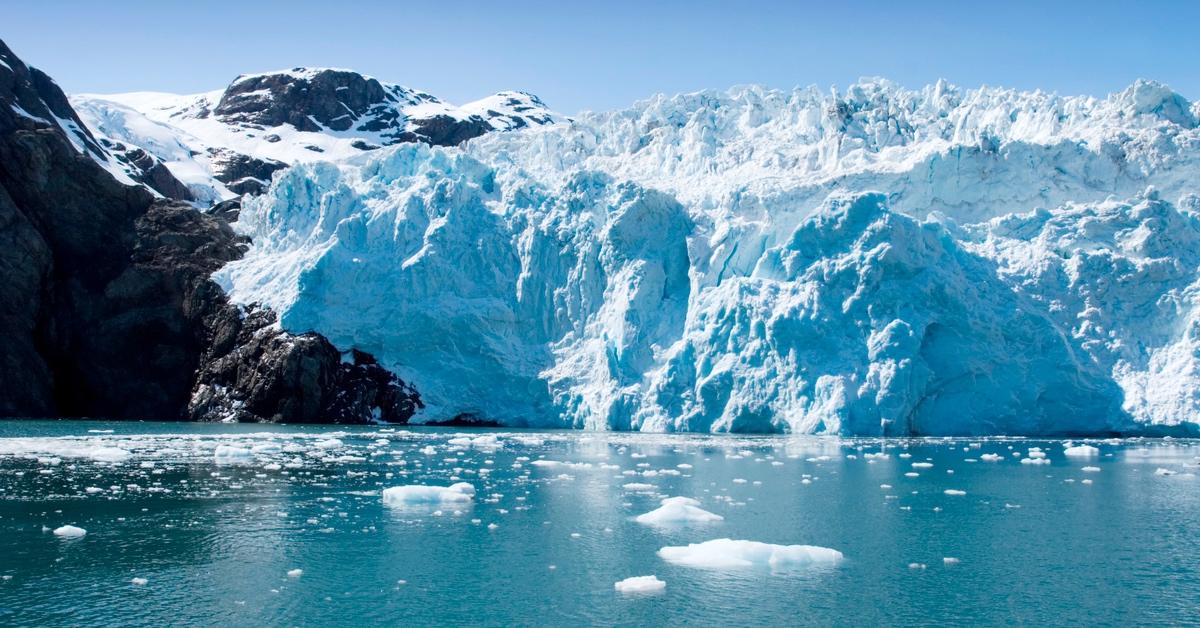
The Romantic Ideal vs. Scientific Fact
The perception of glacier water as inherently safe stems from its origins: ancient ice formed over millennia, seemingly far removed from contemporary pollution. This imagery often conjures notions of untouched natural filtration, where pollutants are frozen out, leaving behind only the purest H2O. While glacier ice itself can be remarkably clean, the moment it begins to melt and flow across the landscape, it becomes susceptible to a host of contaminants. The sheer visual clarity and cold temperature of glacial streams, while refreshing, are not reliable indicators of potable water. What appears pristine to the naked eye can harbor invisible threats that can quickly turn a memorable wilderness adventure into a distressing medical emergency.
Why Glacier Water Seems Pure
The aesthetic appeal of Alaskan glacier water is undeniable. Its vivid blue or turquoise hue, a result of light scattering off finely ground rock particles (glacial flour), coupled with its often frigid temperature, creates an illusion of invigorating cleanliness. This visual spectacle, combined with the often remote and uninhabited areas where glaciers are found, reinforces the belief in its safety. Travelers often rationalize that if there are no factories or dense populations upstream, the water must be safe. This assumption, however, overlooks the ubiquitous presence of microscopic life and other natural contaminants that thrive in virtually all natural water sources.
The Journey of Meltwater: From Ice to Stream
As glacial ice melts, the water embarks on a journey. It flows over rocks, through soil, picks up organic matter from decaying vegetation, and interacts with wildlife. Along this path, it can accumulate various contaminants. Even though the initial ice may be pure, the meltwater system itself creates an environment where pathogens can flourish. From the high alpine reaches of the Chugach Mountains to the coastal flows near Juneau or Anchorage, the water is constantly picking up new elements. Understanding this dynamic process is key to appreciating why caution is paramount.
Hidden Hazards: Understanding Contaminants in the Wild
The primary concern when considering drinking untreated glacier water revolves around biological and particulate contaminants. These invisible threats can cause severe gastrointestinal distress, dehydration, and potentially life-threatening illnesses, especially for those with compromised immune systems.
Microbial Threats: Giardia, Cryptosporidium, and E. coli
The most common culprits in wilderness water contamination are microscopic parasites and bacteria.
- Giardia lamblia: This protozoan parasite is widespread in natural water sources globally, including Alaska. Ingesting water contaminated with Giardia can lead to giardiasis, an intestinal infection characterized by severe diarrhea, abdominal cramps, bloating, and nausea. Symptoms can appear anywhere from 1 to 3 weeks after exposure and can last for several weeks or even months if untreated.
- Cryptosporidium parvum: Another resilient protozoan parasite, Cryptosporidium causes cryptosporidiosis, an illness with symptoms similar to giardiasis but often more severe, particularly in individuals with weakened immune systems. What makes Cryptosporidium especially concerning for wilderness travelers is its resistance to chlorine disinfection, making traditional chemical treatments less effective.
- Escherichia coli (E. coli): While many strains of E. coli are harmless and naturally found in the intestines of humans and animals, certain pathogenic strains can cause severe food poisoning, bloody diarrhea, and kidney failure. The presence of E. coli often indicates fecal contamination from animals (wildlife like moose, bears, caribou, and birds) that frequent water sources upstream.
These pathogens are shed in the feces of infected animals and humans and can persist in cold water environments for extended periods, ready to infect an unsuspecting drinker.
Sediment and Particulates
Beyond microorganisms, glacier water often contains fine glacial flour – pulverized rock particles that give glacial rivers their characteristic milky appearance. While not directly harmful in small quantities, these particulates can:
- Clog purification devices: Filters can quickly become inefficient or entirely blocked by high levels of sediment, rendering them useless.
- Reduce effectiveness of treatments: Turbidity (cloudiness) caused by sediment can shield microbes from UV light purification, reducing its efficacy. It can also interfere with the action of chemical treatments.
- Cause gastrointestinal upset: Drinking highly turbid water, even if free of pathogens, can cause stomach upset due to the abrasive nature of the particles on the digestive tract.
Chemical Runoff and Environmental Factors
While less common than microbial contamination in remote Alaskan wilderness, chemical pollutants are still a consideration. These can include:
- Heavy metals: Naturally occurring heavy metals can leach into water from certain rock formations.
- Agricultural runoff: In areas closer to human habitation or agricultural activity, pesticides and fertilizers could find their way into water sources.
- Industrial pollutants: While Alaska’s vastness generally protects its wilderness from widespread industrial contamination, localized mining or other operations could pose risks.
- Meltwater from areas impacted by human activity: Even remote glaciers can show traces of atmospheric deposition from distant industrial centers, or localized impacts from human waste left by previous visitors.
Essential Water Purification Strategies for Alaskan Adventures
Given the inherent risks, treating all natural water sources in the Alaskan wilderness as potentially contaminated is the only safe approach. Travelers must be prepared with reliable water purification methods.
Boiling: The Gold Standard
Boiling is the most effective and universally recommended method for killing all common waterborne pathogens, including bacteria, viruses, and parasites.
- Method: Bring water to a rolling boil for at least one minute. At higher altitudes (above 6,500 feet or approximately 2,000 meters), boil for three minutes to ensure effective purification.
- Pros: Kills everything, no special equipment beyond a pot and heat source.
- Cons: Time-consuming, uses fuel, water must cool before drinking, can be impractical for large quantities.
Advanced Filtration Systems
Filters designed for backcountry use can remove bacteria and protozoa, and some even remove viruses.
- Types: Pump filters, squeeze filters, gravity filters.
- Mechanism: Physical barriers (pores) trap contaminants. Pore sizes are critical: 0.1 to 0.2 microns are generally effective against bacteria and protozoa.
- Pros: Relatively fast, improves taste and clarity, removes sediment.
- Cons: Do not remove viruses (unless specifically designed for it, which are often slower and more expensive), can clog with turbid water, requires maintenance.
- Recommendation: Always pre-filter highly turbid glacier water through a cloth to remove larger sediment before using a fine filter.
Chemical Treatments and UV Sterilization
These methods kill or inactivate pathogens rather than physically removing them.
Chemical Treatments
- Iodine or Chlorine Dioxide: These chemical tablets or drops are effective against bacteria and viruses, and chlorine dioxide also works against Cryptosporidium given sufficient contact time.
- Pros: Lightweight, compact, relatively inexpensive.
- Cons: Can leave an unpleasant taste (especially iodine), requires a specific contact time (often 30 minutes to 4 hours), less effective in very cold or turbid water, iodine is not recommended for pregnant women or individuals with thyroid conditions.
UV Sterilization
- UV Light Pens/Devices: These devices use ultraviolet light to scramble the DNA of microbes, rendering them unable to reproduce and cause illness.
- Pros: Fast (typically 60-90 seconds per liter), no chemicals, no taste alteration.
- Cons: Requires clear water (pre-filtration necessary for turbid glacial melt), battery dependent, ineffective if water is murky or contains sediment that shields microbes.
Best Practices for Water Sourcing
Even with purification gear, strategic water sourcing is crucial.
- Choose moving water: Streams and rivers are generally safer than stagnant pools or lakes, as flowing water helps dilute contaminants.
- Go upstream: Whenever possible, collect water from upstream locations, away from campsites, trails, and animal trails to minimize human and wildlife contamination.
- Avoid run-off: Do not collect water directly downstream from melting snow patches where animals might congregate or defecate.
- Consider melting snow/ice: In some high-altitude or deep backcountry scenarios, melting snow or ice can be a viable option, but the resulting water still needs to be purified if there’s any doubt about its source or contact with surfaces.
Planning Your Hydration: A Critical Component of Alaska Travel
Proper hydration is non-negotiable for any wilderness excursion. In Alaska, where distances are vast, weather can be unpredictable, and rescue can be hours or days away, a robust hydration plan is as important as navigation skills and appropriate clothing.
Packing Smart: Carrying Water and Purification Gear
Every traveler to the Alaskan backcountry should carry a personal water purification kit. This typically includes a reliable filter or purifier, chemical tablets for backup, and a means to boil water (e.g., a lightweight stove and pot). Additionally, carrying enough water to last for at least several hours of hiking, even when water sources are expected, is a prudent measure. A common recommendation is to carry at least two liters of water per person for a day hike, with more for longer excursions or strenuous activity.
Understanding Local Conditions and Risks
Before embarking on any trip, research the specific area you plan to visit. Resources such as National Park Service websites for Denali National Park or other protected areas, the Alaska Department of Environmental Conservation, and local guide services can provide up-to-date information on water safety, known hazards, and recommended practices for that specific region. Some areas might have historically clean springs, while others are known for higher pathogen loads due to concentrated wildlife populations.

Emergency Preparedness
What happens if your primary purification method fails? Or if you unexpectedly run out of water? This is where redundancy in your gear and knowledge becomes critical.
- Backup purification: Always carry at least two different methods of water purification. For example, a filter for daily use and chemical tablets or a small amount of fuel and a pot for boiling as a backup.
- Knowledge of alternative methods: Understand how to use improvised purification methods if necessary, such as solar water disinfection (SODIS) in an emergency, though this is less reliable and slower.
- Communicate your plans: Inform someone of your itinerary, including your expected return time and routes, so that if you encounter an emergency, help can be dispatched.
In conclusion, while the allure of drinking directly from an Alaskan glacial stream is powerful, the prudent and safe approach for any traveler is to treat all natural water sources. The small effort and minimal weight of carrying water purification equipment are a worthwhile investment in your health and the enjoyment of your incredible journey through Alaska’s magnificent wilderness.
LifeOutOfTheBox is a participant in the Amazon Services LLC Associates Program, an affiliate advertising program designed to provide a means for sites to earn advertising fees by advertising and linking to Amazon.com. Amazon, the Amazon logo, AmazonSupply, and the AmazonSupply logo are trademarks of Amazon.com, Inc. or its affiliates. As an Amazon Associate we earn affiliate commissions from qualifying purchases.