
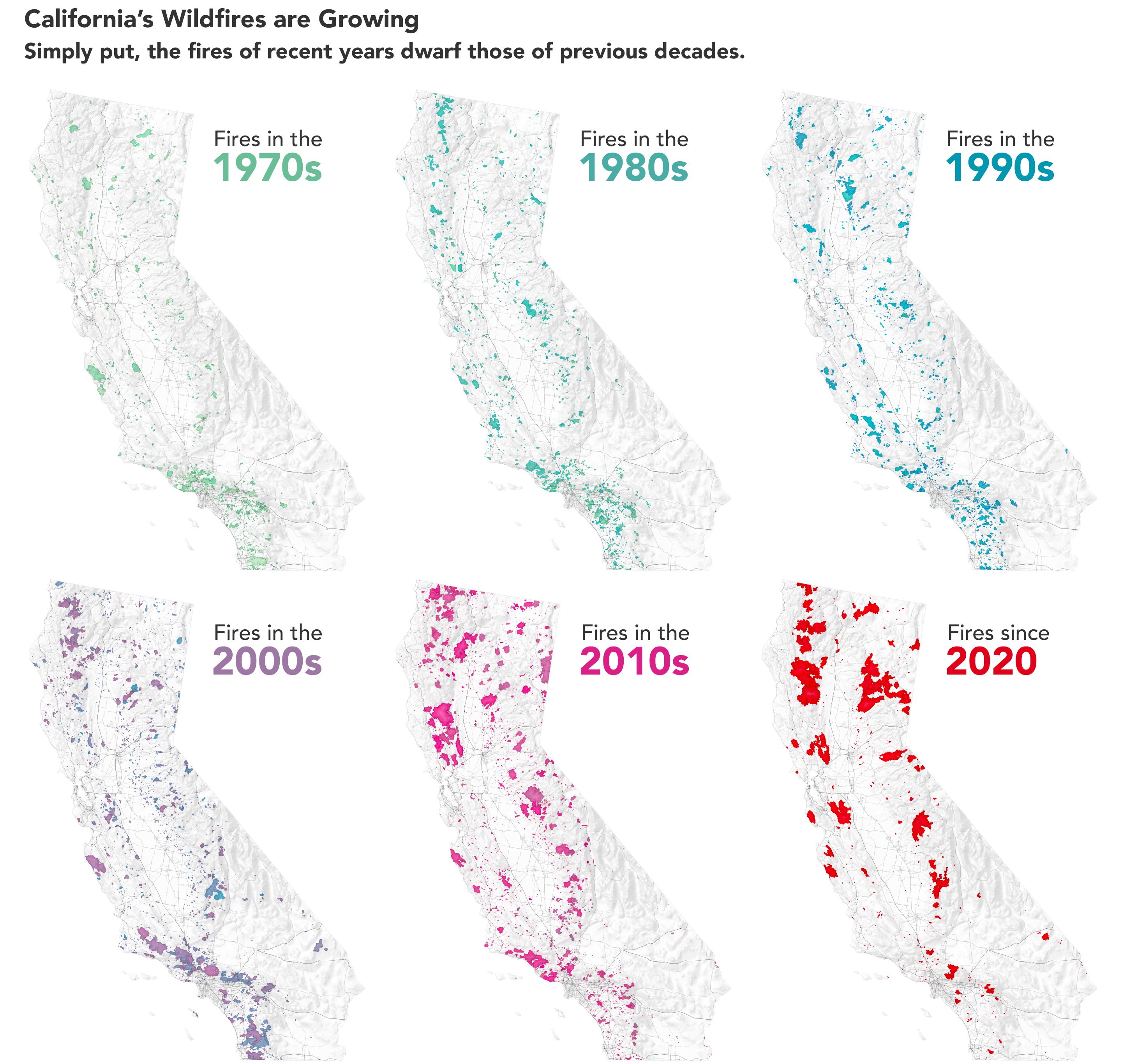
California has long captivated travelers with its diverse landscapes, from sun-drenched beaches to towering redwood forests and vibrant cities. However, in recent years, a recurring question has emerged, casting a shadow over the golden state’s allure: are wildfires increasing, and what does this mean for the future of tourism? The simple answer is complex, but data and firsthand experience suggest a discernible trend towards more frequent and intense fire seasons. This evolving reality necessitates a deeper understanding for anyone planning to explore California, requiring tourists to adapt their expectations, planning, and on-the-ground behavior.
The Evolving Landscape of California Tourism
For decades, California’s appeal has been intrinsically linked to its natural beauty and outdoor experiences. From scenic drives along Highway 1 through Big Sur to hiking trails in Yosemite National Park and wine tastings in Napa Valley, the state offers an unparalleled array of activities. However, the narrative is shifting. Scientific consensus points to a combination of climate change, historical land management practices, and an expanding wildland-urban interface as primary drivers behind more destructive fire seasons. For tourists, this translates into a need for heightened awareness, flexible itineraries, and an appreciation for the efforts underway to mitigate risks and restore affected areas.
The perception of California as a fire-prone region can deter visitors, yet it’s crucial to understand the localized nature of these events. While headlines often sensationalize widespread devastation, many popular tourist destinations remain unaffected or recover remarkably quickly. The challenge for tourism is managing this perception and providing accurate, real-time information to allow informed decision-making. The industry is adapting, focusing on sustainable practices, and emphasizing the resilience of communities and ecosystems. Visiting California now involves not just enjoying its wonders but also being a responsible and informed traveler, contributing to the local economies that often bear the brunt of these natural challenges.
Impact on Popular Tourist Destinations and Activities
The increase in wildfires undeniably impacts many of California’s most beloved attractions, affecting accessibility, air quality, and the overall visitor experience.
National Parks and Wilderness Areas
California is home to an incredible nine national parks, alongside numerous state parks and vast wilderness areas that draw millions of visitors annually for hiking, camping, and scenic beauty. These natural treasures, often characterized by dense forests and chaparral, are particularly vulnerable.
Iconic destinations like Yosemite National Park and Sequoia National Park have faced temporary closures or partial access restrictions during severe fire seasons. Smoke plumes can travel significant distances, obscuring the stunning vistas of the Sierra Nevada and diminishing air quality even in areas not directly threatened by flames. For backpackers and hikers, trail closures are common, and for campers, reservations can be canceled on short notice. Post-fire landscapes, while eventually recovering, can look dramatically different, impacting the aesthetic experience for several years.
Beyond the immediate danger, wildfires can devastate unique ecosystems, such as the ancient Giant Sequoias, some of which are thousands of years old. While these trees have evolved with fire, the intensity and frequency of modern blazes pose a new threat. Tourists seeking pristine wilderness must be prepared for potential alterations to their plans and understand that supporting these parks post-fire is crucial for their long-term health and restoration efforts.
Wine Country and Coastal Getaways
California’s world-renowned Wine Country, encompassing regions like Napa Valley and Sonoma County, has repeatedly been in the path of destructive wildfires. While vineyards themselves are often less flammable than surrounding wildlands, wineries, restaurants, and hotels within these regions have suffered significant losses.
For tourists, this can mean canceled wine tours, closures of popular tasting rooms, and smoky conditions affecting the sensory experience of wine tasting. The economic impact on these communities, heavily reliant on tourism, is profound. However, these regions have shown incredible resilience, rebuilding and reopening with renewed determination. Visitors play a vital role in their recovery by continuing to patronize local businesses.

Even coastal areas, seemingly distant from forest fires, can be affected by drifting smoke. The iconic drive along Highway 1 might be interrupted by visibility issues, or coastal towns might experience reduced air quality, impacting outdoor activities like beach visits or al fresco dining. While direct fire threat to many coastal destinations is lower, the secondary effects of large inland fires can still alter a planned vacation.
Navigating California Safely: Tips for Tourists
With the reality of increased wildfires, tourists visiting California must adopt a more proactive and flexible approach to their travel planning. Responsible tourism is not just about environmental impact but also about personal safety and supporting local resilience.
Pre-Trip Planning and Information
Thorough research is paramount. Before embarking on a California adventure, especially during peak fire season (typically late summer through fall), consult official sources for fire information. Websites for Cal Fire (the California Department of Forestry and Fire Protection) and the National Weather Service provide real-time updates on active fires, air quality, and red flag warnings. Many national and state parks also have dedicated pages for current conditions and closures.
Flexibility is key. Consider building contingencies into your itinerary. Instead of rigid bookings, look for accommodations and activities with flexible cancellation policies. Have alternative destinations in mind if your primary choice becomes inaccessible or impacted by smoke. Travel insurance that covers natural disaster disruptions can also offer peace of mind, though always check the policy details carefully regarding wildfire-related events.
Consider the time of year. While summer and fall offer pleasant weather for many activities, they are also historically the most active wildfire months. Visiting in spring, when landscapes are lush and fire risk is generally lower, can be an excellent alternative for certain regions.
During Your Visit
Once in California, staying informed remains crucial. Download local news apps or follow reputable local news sources on social media for timely updates. Pay attention to air quality indices (AQI) reports, especially if you have respiratory sensitivities or plan strenuous outdoor activities. Even if there’s no fire nearby, smoke can travel hundreds of miles.
Always respect official closures and evacuation orders. These directives are in place for your safety and the safety of emergency responders. Do not attempt to bypass barriers or enter restricted areas, even if they appear calm. Ignoring such warnings can put yourself and others at unnecessary risk.
Practice extreme fire safety, especially when in natural areas. Heed all fire bans, which often restrict campfires, smoking in specific zones, and the use of off-road vehicles. Ensure any permitted campfires are completely extinguished, and never toss cigarette butts. Even a spark can ignite a catastrophic blaze in dry conditions. Your responsible actions directly contribute to protecting California’s natural beauty and communities.

The Future of California Tourism Amidst Changing Climates
The increasing frequency and intensity of wildfires represent a significant challenge for California’s tourism industry, but it’s also a catalyst for innovation and adaptation. The state and its tourism stakeholders are actively investing in fire prevention, landscape resilience, and sustainable tourism models.
Many tourist-dependent communities are enhancing their emergency preparedness and communication systems to better inform and protect visitors. There’s also a growing emphasis on promoting less fire-prone regions or activities during peak season, diversifying the tourism offerings, and educating visitors about the importance of responsible environmental stewardship. Eco-tourism initiatives are gaining traction, focusing on restoration efforts and showcasing the incredible biodiversity that exists beyond the immediate fire zones.
Despite the challenges, California’s allure remains potent. The state’s natural beauty, cultural richness, and vibrant cities will continue to draw travelers. However, a visit now comes with an implicit understanding of the environmental context. By being prepared, informed, and responsible, tourists can not only enjoy their experience but also contribute positively to the resilience and recovery of the communities and landscapes that make California such a remarkable destination. The future of California tourism will undoubtedly be shaped by these evolving environmental realities, but its spirit of innovation and adaptation ensures it will continue to thrive, albeit in a more conscious and sustainable manner.
LifeOutOfTheBox is a participant in the Amazon Services LLC Associates Program, an affiliate advertising program designed to provide a means for sites to earn advertising fees by advertising and linking to Amazon.com. Amazon, the Amazon logo, AmazonSupply, and the AmazonSupply logo are trademarks of Amazon.com, Inc. or its affiliates. As an Amazon Associate we earn affiliate commissions from qualifying purchases.