
The intersection of memorialization practices and personal expression has evolved significantly, particularly in progressive regions like California. As individuals seek more unique and meaningful ways to honor their loved ones, the traditional boundaries of remembrance are being pushed. Among these innovative approaches is the increasingly considered practice of incorporating cremated remains into tattoos. This fascinating and deeply personal activity raises practical questions, especially concerning the relatively newer method of water cremation, or aquamation, and its viability for such a unique form of commemorative art within California’s regulatory landscape.
The Evolving Landscape of Memorialization in California
California, known for its forward-thinking approach to many aspects of life and death, has been at the forefront of embracing alternative memorial practices. The traditional options of burial and flame cremation are being supplemented by methods that offer greater environmental consciousness and personalized tributes.
Understanding Water Cremation (Aquamation)
Water cremation, scientifically known as alkaline hydrolysis or aquamation, is an increasingly popular and environmentally friendly alternative to traditional flame cremation. The process involves placing the deceased’s body in a stainless-steel vessel filled with water and a small amount of alkaline chemicals. Over several hours, gentle water flow, temperature, and alkalinity work to break down organic matter, leaving behind only sterile bone fragments and a nutrient-rich effluent. The bone fragments are then processed into a fine white powder, much like the “ashes” from flame cremation, which can be returned to the family.
The appeal of aquamation in California stems from its significantly lower environmental impact. It uses less energy, produces no atmospheric emissions, and conserves natural resources compared to traditional methods. For families seeking a greener alternative, aquamation presents a compelling choice, offering a clean, respectful, and sustainable end-of-life option. The resulting “ashes” are typically whiter and finer than those from flame cremation, due to the different process of decomposition and bone processing.
The Rise of Personalized Memorials
Modern memorialization has shifted dramatically towards personalization. Gone are the days when a limited set of options dictated how loved ones were remembered. Today, families and individuals seek to honor the deceased in ways that truly reflect their unique lives, passions, and relationships. This includes everything from scattering ashes in significant locations to creating bespoke memorial jewelry, planting trees, and, increasingly, memorial tattoos.
These personalized approaches are an integral part of California’s cultural landscape, reflecting a desire for more intimate and lasting connections to those who have passed. Incorporating a loved one’s cremated remains into a tattoo is perhaps one of the most profound and permanent forms of this personalization, transforming grief into a living piece of art worn forever on the skin. This activity, while deeply personal, forms a unique aspect of memorial culture within the state, offering a tangible connection that resonates deeply with many.
Tattooing with Cremated Remains: A Unique Commemorative Activity
The concept of infusing cremated remains into tattoo ink is not new, though its practice remains niche. It represents a potent blend of remembrance, art, and personal ritual. The crucial question for those considering this path with water-cremated remains is whether the resulting “ashes” are suitable for the process.
The Process: Infusion and Application
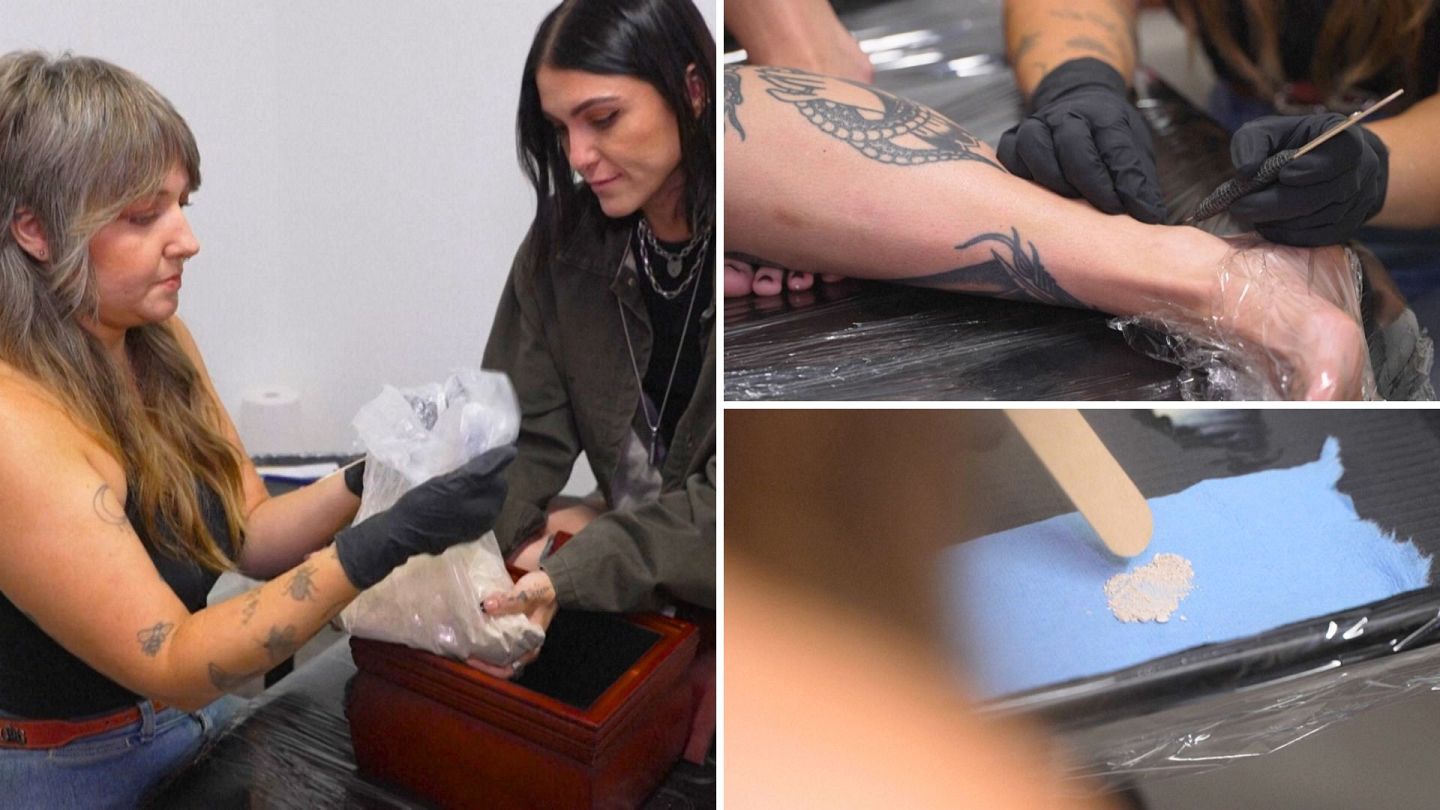
Regardless of whether the remains come from flame cremation or aquamation, the process for incorporating them into tattoo ink is largely the same. First, a small amount of the cremated remains—typically a teaspoon or less—is sterilized. While cremated remains are generally sterile due to the high temperatures or chemical processes involved, secondary sterilization by the artist or a specialist is often recommended for peace of mind and to ensure the purest form possible.
Once sterilized, the fine, powdered remains are mixed with the chosen tattoo ink. It is crucial to understand that the ashes are not “dissolved” but rather suspended within the ink. This mixture is then used by a professional tattoo artist, following standard tattooing procedures. The goal is to create a discreet, almost imperceptible inclusion of the loved one’s essence within the tattoo design. The fine texture of aquamated ashes is generally considered ideal for this purpose, as their particulate size can be even finer than flame-cremated ashes, making them easier to suspend evenly in the ink without significantly altering its consistency or affecting the tattooing process.
Artistic and Ethical Considerations
Choosing to get a memorial tattoo with ashes is a deeply personal decision that carries significant emotional weight. From an artistic perspective, the presence of the cremated remains typically does not alter the appearance or longevity of the tattoo, provided the mixture is properly prepared. The skill of the tattoo artist is paramount, not only in executing the design but also in handling the sacred material with the utmost respect and care.
Ethical considerations are equally important. Reputable tattoo artists who undertake this specialized work often have extensive experience and a profound understanding of the sensitivity involved. They should be transparent about their process, sterilization protocols, and the potential (though rare) risks. The decision to carry a loved one’s physical remains permanently on one’s body is a significant one, and the chosen artist should be capable of guiding clients through the practicalities with empathy and professionalism. This specialized “activity” demands a high degree of trust and shared understanding between client and artist.

Legal and Regulatory Framework in California
The legality of water cremation itself, and subsequently the use of its remains in tattoos, is a critical aspect for anyone considering this unique memorial practice in California. California has specific regulations governing mortuary practices and cremation.
Legality of Aquamation in California
Water cremation (alkaline hydrolysis) has been legally permitted in California since 2017. This landmark decision positioned California as a leader in offering environmentally conscious end-of-life options. Licensed funeral establishments and crematories that offer aquamation must adhere to strict state regulations concerning the process, handling of remains, and environmental discharge. This means that obtaining water-cremated ashes is a fully regulated and legitimate process within the state. Families can confidently choose aquamation knowing that the resulting remains are legally acquired and processed according to high standards.
Regulations for Incorporating Ashes into Tattoos
While California regulates the handling of human remains by funeral homes and crematories, there are no specific state laws or regulations that directly address the practice of incorporating cremated remains into tattoo ink. This legal gray area often means that the practice is neither explicitly permitted nor prohibited.
However, tattoo artists and parlors are subject to various health and safety regulations from local health departments and the California Department of Public Health’s Tattooing Program. These regulations primarily focus on hygiene, sterilization of equipment, safe handling of inks, and prevention of bloodborne pathogens. While ashes are sterile, their introduction into a tattooing environment still necessitates meticulous attention to cleanliness to avoid any potential contamination or adverse reactions. Given the lack of specific guidance, most reputable tattoo artists who offer this service will apply the highest standards of sterilization and caution, treating the remains with the same rigor as any other foreign substance introduced into the body via tattoo. This self-regulation within the professional tattooing community helps ensure safety within this specialized “activity.”
Choosing a Reputable Artist and Provider
Due to the sensitive nature and lack of explicit regulation regarding ashes in tattoos, selecting a highly reputable and experienced tattoo artist is paramount. Prospective clients should seek out artists who:
- Have prior experience with memorial tattoos involving cremated remains.
- Are transparent about their sterilization procedures for both the ashes and their equipment.
- Are licensed and operate in a clean, state-inspected studio.
- Demonstrate empathy and understanding of the emotional significance of the request.
- Can clearly explain the process and any potential risks, however small.
Similarly, when choosing an aquamation provider in California, ensure they are a licensed facility with a strong track record of professional and compassionate service. Verifying the legitimacy of both the cremation service and the tattoo artist is a crucial “tip” for anyone considering this unique form of remembrance.
Embracing a New Form of Remembrance: Tips for the Interested
For those considering a memorial tattoo with water-cremated remains in California, approaching the decision with careful thought and thorough preparation is essential. This unique “activity” demands both emotional readiness and practical diligence.
Research and Due Diligence
Begin by thoroughly researching both aquamation providers and tattoo artists who specialize in or are open to working with cremated remains. Consult reviews, check licenses, and speak directly with professionals to understand their processes and philosophies. Ask detailed questions about how they handle the remains, their sterilization protocols, and their experience with similar requests. A reputable professional will be happy to provide comprehensive answers and ensure you feel comfortable and informed. This due diligence is a fundamental “tip” for ensuring a respectful and safe experience.
Emotional and Personal Readiness
The decision to carry a part of a loved one on your skin forever is a profound emotional commitment. Take time to reflect on your motivations, your grief process, and how this tattoo will serve as a permanent memorial. Discuss your intentions with trusted family members or friends. While the tattoo is for you, understanding its emotional impact can help solidify your resolve and ensure it brings comfort and remembrance rather than further distress. This personal journey is as much a part of the “activity” as the physical tattooing itself.

Beyond the Tattoo: Other Creative Memorials
While a memorial tattoo is a deeply personal and permanent tribute, it is just one of many ways to honor a loved one. California’s diverse culture offers numerous options for creative memorialization, from memorial diamonds made from ashes, to living reefs, or even space burials. The choice to incorporate water-cremated remains into a tattoo represents a particular cultural shift towards intimate, enduring, and tangible connections to those who have passed. It exemplifies the evolving landscape of remembrance, offering a unique and poignant activity for those navigating grief and seeking lasting tribute.
LifeOutOfTheBox is a participant in the Amazon Services LLC Associates Program, an affiliate advertising program designed to provide a means for sites to earn advertising fees by advertising and linking to Amazon.com. Amazon, the Amazon logo, AmazonSupply, and the AmazonSupply logo are trademarks of Amazon.com, Inc. or its affiliates. As an Amazon Associate we earn affiliate commissions from qualifying purchases.