
Navigating the landscape of identification in any state can be complex, and for non-citizen residents, understanding the specific provisions available is crucial for daily life, including travel within the state, accessing services, and proving identity. The question of whether undocumented individuals can obtain an official identification card in California is a nuanced one, primarily addressed through specific legislative initiatives rather than a general state ID card program for this population. In essence, while a standard state identification card akin to those issued to citizens might not be directly available, California has pioneered a pathway for undocumented residents to obtain a driver’s license, which serves as a widely accepted form of identification.
The Unique Identification Landscape in California
California has long been at the forefront of crafting policies aimed at integrating its diverse population, including undocumented residents. This progressive stance recognizes the practical needs of all individuals living and working within the state, regardless of their immigration status. The ability to drive legally, and by extension, possess a valid state-issued identification, is fundamental for many aspects of daily life, from commuting to work or school to performing everyday tasks like grocery shopping or attending appointments.
The Significance of Official Identification
An official ID is more than just a piece of plastic; it is a gateway to numerous necessities and conveniences. For undocumented residents, obtaining a state-issued driver’s license in California can significantly enhance their ability to navigate the state. It offers a level of legitimacy and security that foreign identification documents might not provide within the United States. This includes identifying oneself to law enforcement, enrolling children in school, accessing certain medical services, and even renting an apartment or opening a bank account (though specific requirements vary). For those traveling within California, a driver’s license can streamline interactions with hotels, car rental agencies, and various activity providers, making for a smoother experience.
Understanding California’s AB 60 Law
The pivotal legislation that addresses the question of identification for undocumented residents in California is Assembly Bill 60, commonly known as AB 60. Enacted in 2013 and implemented in 2015, AB 60 allows all California residents, regardless of their immigration status, to apply for a driver’s license if they meet all other eligibility requirements. This law marked a significant shift in state policy and provided a practical solution for millions of individuals.
A Landmark Legislative Initiative
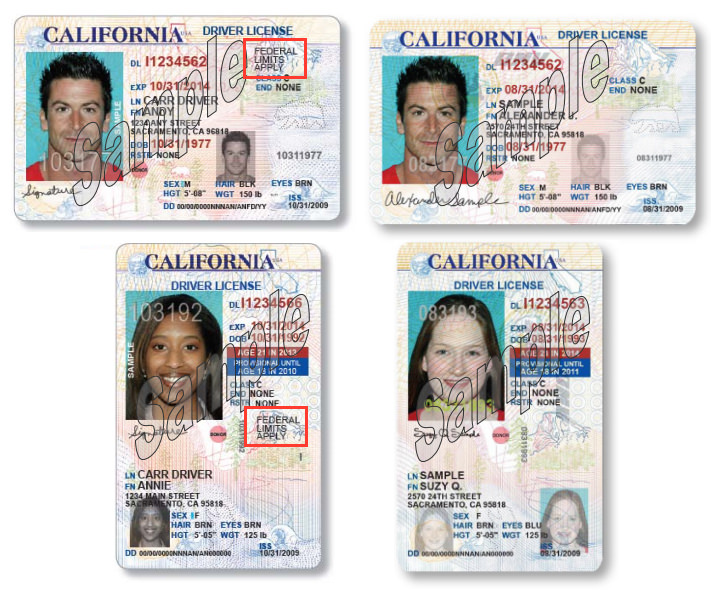
Before AB 60, undocumented residents in California were unable to obtain a legal driver’s license, leading to a high rate of unlicensed drivers on the roads. This presented significant public safety concerns and challenges for law enforcement. The passage of AB 60 was a response to these issues, aiming to improve road safety by ensuring that all drivers, regardless of status, are tested, licensed, and insured. It also addressed the humanitarian aspect, recognizing the integral role that many undocumented residents play in the state’s economy and social fabric. The license issued under AB 60 is distinct from a federally compliant REAL ID, bearing a notation indicating it is “not valid for official federal purposes,” but it is a fully valid state-issued driver’s license for all state-level purposes.
Eligibility Requirements and Documentation
To apply for an AB 60 driver’s license, applicants must meet the same requirements as any other driver in California, with specific provisions for proving identity and residency without requiring a Social Security number or proof of legal presence in the U.S.
Key requirements include:
- Proof of Identity: Applicants must provide documentation that establishes their identity. The California Department of Motor Vehicles (DMV) accepts a range of documents for this purpose. Common forms of acceptable identification include a foreign passport, a consular identification card, or an official birth certificate from the applicant’s country of origin. The DMV maintains a list of primary and secondary documents, and applicants often need to present a combination to satisfy identity verification requirements.
- Proof of California Residency: Applicants must demonstrate that they reside in California. This can be proven through utility bills, rental agreements, school documents, or other official mail addressed to the applicant in California.
- Knowledge Test: All applicants must pass a written knowledge test based on the California Driver Handbook. This test assesses understanding of traffic laws and road signs.
- Driving Test: After passing the knowledge test and obtaining a learner’s permit, applicants must pass a behind-the-wheel driving test administered by the DMV.
- Fingerprints: All applicants are required to have their thumbprint taken.
- Application Fee: There is a standard fee for the driver’s license application.
It’s important to note that the DMV has specific guidelines regarding the types and combinations of documents required for identity and residency. Potential applicants are strongly advised to review the official DMV website or visit a local DMV office for the most up-to-date and comprehensive list of acceptable documents.
The Application Process for an AB 60 License
The process of obtaining an AB 60 driver’s license involves several steps, similar to applying for a standard driver’s license in California, with particular attention to document verification.
Preparing Your Documents

The most critical first step is gathering all necessary identification and residency documents. Since foreign documents are often involved, ensuring they are current, original, and potentially translated if required by the DMV (though usually not for standard foreign passports or consular IDs) is paramount. Many community organizations and legal aid services in California offer assistance to undocumented residents in preparing their applications, which can be invaluable given the specific requirements.
The Written and Driving Tests
Once documents are prepared and an appointment is made, the applicant will visit the DMV. After submitting the application, paying the fee, and undergoing an eye exam, the written knowledge test is administered. The California Driver Handbook is available in multiple languages and is the primary resource for studying. Upon passing the written test, a learner’s permit is issued, allowing the applicant to practice driving with a licensed adult over 18. After a period of practice and gaining confidence, an appointment can be scheduled for the behind-the-wheel driving test. Successful completion of this test leads to the issuance of a temporary license, with the permanent license mailed within a few weeks.
What to Expect at the DMV
Visiting the DMV can be an intimidating experience for anyone, and particularly for undocumented residents. However, DMV staff are trained to process AB 60 applications and verify foreign documents. Applicants should be prepared for potentially longer wait times and thorough verification processes for their documents. It is always advisable to make an appointment in advance to reduce wait times. Patience and preparedness with all required documents are key to a smooth process.
Beyond the Driver’s License: Other Forms of ID and Their Uses
While the AB 60 driver’s license is the primary state-issued identification available to undocumented residents in California, other forms of identification may be used for various purposes, though their acceptance varies.
Consular IDs and Foreign Passports
Many countries issue consular identification cards or national passports to their citizens residing abroad. These documents are recognized by some entities in California, particularly for proving identity to foreign consulates, certain financial institutions, or community organizations. However, their acceptance as general identification for state-level services or for routine interactions with law enforcement is not universal and often depends on the specific context and the discretion of the entity requiring identification. For example, while they might suffice for some banking transactions, they typically won’t allow you to legally drive or board a domestic flight.
Practical Applications for Undocumented Residents
The AB 60 driver’s license has broad practical applications for undocumented residents. It facilitates safer roads for everyone by ensuring more drivers are trained, tested, and insured. It helps integrate undocumented residents more fully into the community by enabling them to conduct daily activities with greater ease and confidence. For those seeking to explore California’s myriad attractions, from the vibrant urban centers of Los Angeles and San Francisco to its stunning natural parks and coastline, a valid driver’s license offers independence and accessibility. While not a REAL ID, it functions as a critical piece of state identification for everything from renting a car within the state to verifying identity for local services.
Challenges and Considerations
Despite the significant benefits of the AB 60 program, undocumented residents with these licenses, or other forms of identification, still face specific challenges.
Federal vs. State Recognition
A key distinction of the AB 60 license is its notation that it is “not valid for official federal purposes.” This means it cannot be used to board domestic flights, enter federal facilities, or for any other purpose requiring a federally compliant REAL ID or other federal identification. This limitation is a crucial aspect to understand for anyone planning to travel beyond California’s borders or access federal buildings. For travel within California itself, however, the license is fully valid.

Protecting Your Information
Applicants for an AB 60 license often express concerns about their personal information being shared with federal immigration authorities. California state law includes robust privacy protections for individuals applying for or holding an AB 60 license. The DMV is generally prohibited from sharing applicant information with federal immigration enforcement agencies unless required by a warrant or court order. This commitment to privacy is vital in encouraging undocumented residents to apply, thereby contributing to safer roads for all.
In conclusion, while the term “illegal immigrants” might imply a lack of access to any form of official identification, California has created a clear and accessible pathway through its AB 60 program. This initiative allows undocumented residents to obtain a state-issued driver’s license, which serves as a crucial form of identification for navigating daily life and participating in various activities across the state. Understanding these specific laws and processes is an essential “tip” for anyone seeking to comprehend the diverse socio-legal landscape of California.
LifeOutOfTheBox is a participant in the Amazon Services LLC Associates Program, an affiliate advertising program designed to provide a means for sites to earn advertising fees by advertising and linking to Amazon.com. Amazon, the Amazon logo, AmazonSupply, and the AmazonSupply logo are trademarks of Amazon.com, Inc. or its affiliates. As an Amazon Associate we earn affiliate commissions from qualifying purchases.