
Navigating Emergency Services as a Visitor in California
Exploring the vibrant cities, stunning coastlines, and majestic national parks of California is an unforgettable experience for any tourist. From the bustling streets of Los Angeles and the iconic Golden Gate Bridge in San Francisco to the serene beauty of Yosemite National Park, the Golden State offers an unparalleled array of attractions. However, like any travel destination, understanding local emergency protocols is paramount to ensuring a safe and stress-free adventure. One of the most common questions travelers have regarding safety is about emergency communication: Can you text 911 in California?
The Importance of Knowing Emergency Protocols
For visitors, especially those from international destinations, navigating unfamiliar emergency systems can add significant stress during an already critical situation. Knowing whether you can text 911, and when it’s appropriate to do so, is not merely a convenience—it can be a lifesaver. While calling 911 has been the standard for decades, technological advancements have introduced text-to-911 capabilities in many regions. Understanding these options empowers tourists to act swiftly and effectively should an emergency arise, whether it’s a medical crisis, a crime, or a natural disaster. Being prepared allows you to focus on the immediate needs of the situation rather than fumbling with communication methods.
When Every Second Counts: Text vs. Call
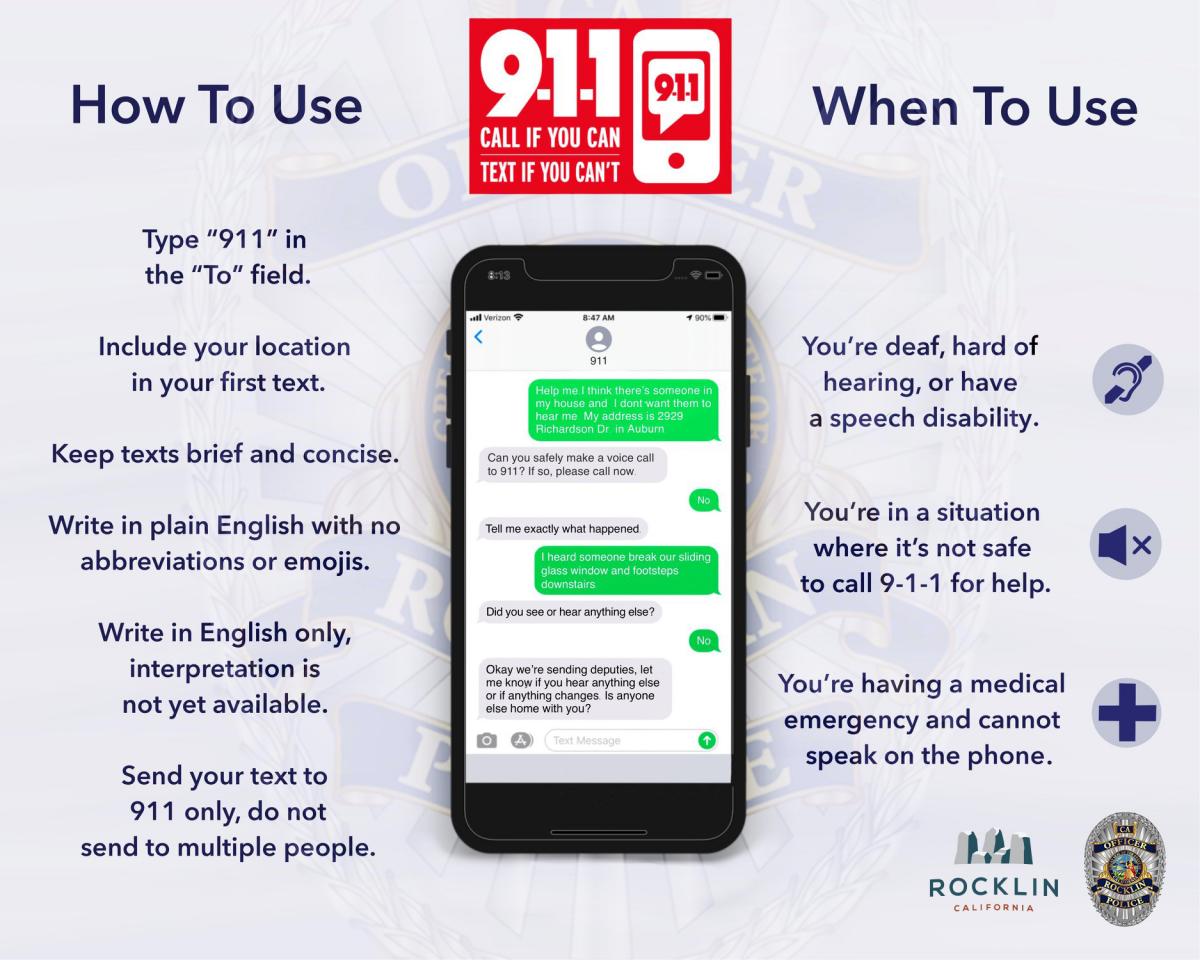
The definitive answer for California is yes, you can text 911 in most parts of the state. The vast majority of Public Safety Answering Points (PSAPs), which are the call centers that answer 911 calls, are equipped to receive text messages. This statewide rollout has been a significant step forward in emergency communication accessibility. However, it’s crucial to understand that calling 911 is always the preferred method if you are able to do so. A voice call typically allows dispatchers to gather information more quickly, assess the situation more accurately through vocal cues, and often pinpoint your location more precisely, especially if your device has voice location services enabled. Text-to-911 is an invaluable alternative, but it comes with specific considerations and is best utilized in particular circumstances.
Text-to-911: Understanding the System in California
While text-to-911 is widely available across California, its effectiveness and limitations are important for tourists to grasp. The system relies on mobile carriers and local dispatch centers being able to receive and process text messages.
Statewide Implementation and Limitations
The Federal Communications Commission (FCC) has worked to encourage and facilitate the deployment of text-to-911 services nationwide. California has been at the forefront of this initiative, with a robust infrastructure largely in place. However, certain limitations persist:
- “Call if you can, text if you can’t”: This remains the golden rule. Texting may take longer due to slower information exchange and the potential for network congestion.
- No Photos or Videos: Currently, most 911 text systems do not support the transmission of photos or videos. Stick to plain text descriptions of the emergency.
- Language Barriers: While some PSAPs may have access to translation services, real-time text translation can be challenging. Calling often provides more immediate access to a translator.
- Location Accuracy: Text messages may not always provide the precise location information that voice calls do. This means you’ll need to be explicit about your whereabouts.
- Wireless Carrier Support: While major carriers support text-to-911, ensure your specific carrier (especially if you’re using an international SIM or a less common provider) does. If a text-to-911 message fails to go through, you should receive a bounce-back message advising you to call 911.
Who Should Use Text-to-911?
Text-to-911 is not designed to replace voice calls but to supplement them, especially for vulnerable populations and in specific emergency scenarios. It is particularly critical for:
- Individuals who are Deaf, Hard of Hearing, or Speech Impaired: This service provides an essential direct line to emergency services, eliminating reliance on third-party relay services in urgent situations.
- Situational Safety: There are times when making a voice call could put you in greater danger. For instance, during a home invasion, an active shooter event, or domestic violence, speaking aloud could alert an assailant to your presence. Texting allows for silent communication.
- Medical Emergencies where Speaking is Difficult: If you are experiencing a medical event that impairs your ability to speak (e.g., choking, stroke, severe asthma attack), texting 911 can be your only option to call for help.
- When in an Area with Poor Cell Signal for Voice, but Sufficient for Text: In some fringe areas or crowded venues, a data signal strong enough for a text might be available even if a clear voice connection is not.
Essential Information to Include in Your Text
When sending a text to 911, clarity and conciseness are key. Remember that this is not a casual text message. Provide critical information upfront to help dispatchers understand and respond effectively:
- WHAT is happening: Clearly describe the emergency (e.g., “Car accident with injuries,” “Medical emergency, person unconscious,” “Suspicious activity, possible break-in”).
- WHERE it is happening: This is paramount. Provide the exact street address, cross streets, nearest landmark, city, and zip code if possible. For example, “2400 Main Street, Santa Monica, near Ocean Ave.” If you are on a highway, state the highway number, direction of travel, and nearest mile marker or exit number. In a park like Griffith Park, provide trail names or specific landmarks.
- WHO needs help: State your name, phone number, and any relevant details about the victim(s) or suspect(s).
- WHEN it happened: Provide a timestamp if the event is not ongoing (e.g., “Happened 5 minutes ago”).
- WHY you need help: Briefly explain the urgency or severity.
Start your text with the most critical information. Do not use abbreviations, emojis, or slang. Be prepared to answer follow-up questions from the dispatcher.
Best Practices for Tourists and Travelers

For those exploring California, adopting specific safety practices can significantly enhance your trip and ensure you’re prepared for any eventuality.
Pre-Trip Preparation: What to Know Before You Go
Before you even arrive in California, a little research can go a long way.
- Understand Local Area Codes: Familiarize yourself with the general area codes for the regions you plan to visit, as this can sometimes help in identifying your location during an emergency.
- Emergency Contact List: Create a physical and digital list of important contacts, including family members, your accommodation’s front desk, and your country’s embassy or consulate if you are an international traveler.
- Medical Information: Carry a card with essential medical information (allergies, medications, conditions) translated into English, especially if you have chronic health issues.
- Travel Insurance: Ensure you have comprehensive travel insurance that covers medical emergencies, evacuation, and trip interruption.
- Phone Compatibility: Confirm your cell phone will work in the US, especially if you are using an international roaming plan or an unlocked phone with a local SIM card. Some older phones or specific international models might not be fully compatible with US networks or text-to-911 services.
Location, Location, Location: Pinpointing Your Whereabouts
As previously mentioned, location is the single most important piece of information you can provide in an emergency.
- Stay Aware of Your Surroundings: Make a conscious effort to note street names, building numbers, and prominent landmarks.
- Use GPS Features: Modern smartphones have excellent GPS capabilities. Learn how to quickly access your current location coordinates or share your live location through mapping apps like Google Maps or Apple Maps. Many devices also have a built-in “Emergency SOS” feature that can share your location.
- Hotel/Accommodation Details: Always keep a business card or the full address of your hotel, Airbnb, or resort readily accessible.
- Hiking/Outdoor Activities: When venturing into natural areas like Lake Tahoe or the Redwood Forests, inform someone of your itinerary. Carry a map, compass, or a reliable GPS device, and be aware that cell service can be spotty in remote locations.
Beyond 911: Other Emergency Resources
While 911 is for life-threatening emergencies, other resources are available for less urgent situations.
- California Highway Patrol (CHP): For non-emergency roadside assistance or to report traffic hazards that are not immediate threats, you can call their non-emergency line or use the call box found on many highways. For immediate threats on highways, however, 911 is appropriate.
- Non-Emergency Police Numbers: Most cities and counties have a non-emergency police number for incidents that require law enforcement but are not life-or-death situations, such as reporting a stolen wallet (after the fact) or a noise complaint. Look up these numbers for your specific travel destinations beforehand. For instance, the non-emergency line for the Los Angeles Police Department is 1-877-ASK-LAPD (1-877-275-5273).
- Medical Facilities: If you need medical attention for a non-emergency, knowing the location of urgent care centers or hospitals (like Kaiser Permanente or UCSF Medical Center in San Francisco) can save time. Many pharmacies also offer minor health services.
Specific Scenarios and Considerations
California’s diverse landscape and vibrant populace present unique considerations for visitors.
Natural Disasters
California is known for its susceptibility to natural disasters, including earthquakes, wildfires, and floods.
- Earthquakes: If an earthquake occurs, “Drop, Cover, and Hold On.” Only call 911 if there are serious injuries or immediate threats (e.g., gas leaks, collapsed structures). During a major quake, 911 lines may be overwhelmed.
- Wildfires: Be aware of fire season (typically summer and fall), especially when visiting drier, inland areas or national parks. Heed all evacuation orders immediately.
- Floods: During heavy rains, particularly in canyon areas or near rivers, be mindful of flash flood warnings. Never drive through flooded roads.
- Emergency Alerts: Sign up for local emergency alerts (e.g., Nixle, reverse 911 systems) for the areas you are visiting. These often provide critical, real-time information and instructions via text message or phone call.
Language Barriers and How to Cope
For international visitors, a language barrier can significantly complicate an emergency.
- Prepared Phrases: Learn a few basic English phrases for emergencies (“I need help,” “Where is the hospital?”).
- Translation Apps: Keep a reliable translation app on your phone. While not perfect, they can assist in basic communication.
- Bystander Assistance: Don’t hesitate to seek help from English-speaking bystanders, especially if you are in immediate distress. Pointing to your phone with “911” displayed might signal your need for assistance.
- During a 911 Call: If you manage to make a voice call, clearly state your language. Dispatchers typically have access to language translation services, though this may add a slight delay.
International Travelers: Roaming and Phone Compatibility
International travelers face specific challenges when it comes to emergency services.
- Roaming Charges: Be aware that calling or texting 911 while roaming internationally usually does not incur charges, but subsequent communication with non-emergency numbers or family members might.
- Dialing Codes: From an international phone, you generally dial 911 directly. No country code is needed for emergency services within the US.
- Unlocked Phones and Local SIMs: If using an unlocked phone with a US SIM card, ensure the SIM card is properly activated and the phone is compatible with the US network. An unactivated phone, even with a SIM, might only be able to dial 911 for emergencies.
- Wi-Fi Calling: If your international phone supports Wi-Fi calling, it can be a reliable alternative for 911 calls, especially in areas with poor cellular reception but good Wi-Fi.
Empowering Your California Adventure with Safety Knowledge
Visiting California should be a joyous and memorable experience. By understanding the capabilities and limitations of emergency services, including the option to text 911, you equip yourself with vital knowledge. While the hope is never to need these services, being prepared is an essential part of responsible tourism. Prioritize safety, stay aware of your surroundings, and know that help is available through various channels, ensuring your California adventure remains positive and secure.
LifeOutOfTheBox is a participant in the Amazon Services LLC Associates Program, an affiliate advertising program designed to provide a means for sites to earn advertising fees by advertising and linking to Amazon.com. Amazon, the Amazon logo, AmazonSupply, and the AmazonSupply logo are trademarks of Amazon.com, Inc. or its affiliates. As an Amazon Associate we earn affiliate commissions from qualifying purchases.