
The Unspoken (and Often Spoken) Rule: Canine Etiquette in the Golden State
Traveling with pets, particularly dogs, is an increasingly popular way to explore new destinations. California, with its vast landscapes ranging from sun-drenched beaches to towering redwood forests, offers myriad opportunities for adventure with canine companions. However, enjoying these experiences responsibly means understanding and adhering to local customs and regulations. When it comes to the question of whether you need to pick up after your dog, the answer in California is an unequivocal yes. This isn’t merely a suggestion; it’s a widely enforced standard of public hygiene, environmental protection, and community respect that significantly impacts the tourism experience for all.
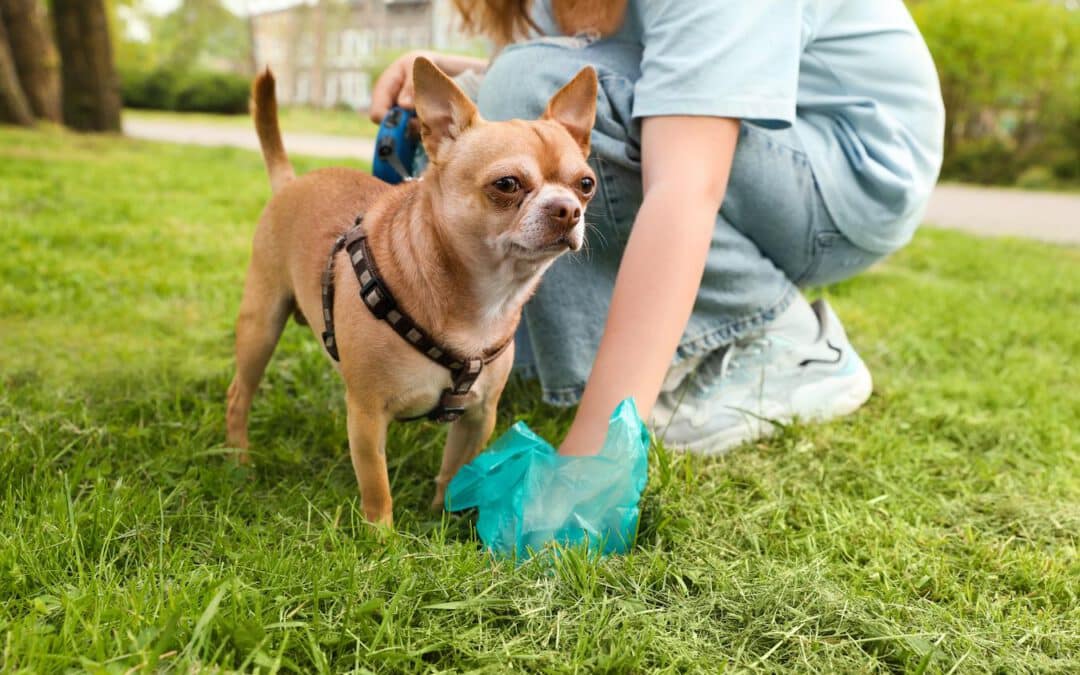
For visitors and locals alike, maintaining the cleanliness of public spaces is paramount. Dog waste, often considered an unsightly nuisance, carries potential health risks and detracts from the natural beauty and urban charm that draw millions to the state each year. From the bustling streets of San Francisco to the serene hiking trails of Yosemite National Park, the expectation for dog owners is consistent: pack it in, pack it out. This principle is woven into the fabric of responsible tourism and local culture, ensuring that California’s attractions remain inviting and pristine for generations of visitors. Ignoring this fundamental rule not only risks legal penalties but also tarnishes the experience for others and creates a negative impression of pet owners in general. Responsible pet ownership is a key component of harmonious coexistence in shared public environments, directly contributing to a positive overall impression of your visit and the hospitality of your hosts.
Understanding California’s Leash and Litter Laws
California prides itself on its cleanliness and environmental stewardship. This commitment extends to the management of pet waste, which is why laws and ordinances are firmly in place across the state. Understanding these legal frameworks is crucial for any tourist traveling with a dog, as compliance is not just about avoiding fines but also about contributing positively to the local environment and community.
State-wide Mandates vs. Local Ordinances
While there isn’t one single overarching state law that dictates every aspect of pet waste removal, California does provide a framework for local jurisdictions to enact and enforce their own “pooper scooper” laws. This means that while the general expectation to pick up after your dog is universal, the specifics can vary slightly from city to city, or even within different parks or districts of the same city. For instance, most cities, including major tourist hubs like Los Angeles, San Diego, and Sacramento, have specific ordinances requiring dog owners to remove and properly dispose of their pet’s waste. These local laws often mandate that dog owners carry suitable means for waste removal (e.g., plastic bags) whenever they are in public with their pets.
Beyond city limits, many county parks, state beaches, and national park areas also have clear regulations. While some areas might be entirely off-limits to dogs, those that permit them almost universally require waste removal. National parks such as Joshua Tree or Sequoia National Park often have very strict “Leave No Trace” policies, which include pet waste. Tourists should always check the specific rules of their destination, as ignorance of the law is not considered a valid defense. Websites for individual cities, county park systems, and national parks are excellent resources for specific pet policies.
Fines and Consequences for Non-Compliance
The penalties for failing to pick up after your dog in California can range from moderate to substantial, depending on the local jurisdiction and the specific circumstances. Typically, a first offense might result in a fine of $100 to $250. Repeat offenses, or incidents in environmentally sensitive areas, can lead to much higher fines, sometimes exceeding $500. Enforcement is usually handled by local animal control officers, park rangers, or even police departments.
Beyond the monetary penalties, there are less tangible but equally significant consequences for tourists. Being cited for a “pooper scooper” violation can interrupt your travel plans, add stress to your vacation, and create a negative impression of your visit. More broadly, consistent non-compliance by visitors can lead to stricter regulations, fewer pet-friendly areas, or even a diminished reputation for certain tourist destinations regarding their cleanliness and appeal. Therefore, adhering to these laws is not just about legal obligation; it’s about being a conscientious visitor and ensuring California remains a welcoming place for all travelers, including those with furry companions.
Navigating Public Spaces with Your Pooch
California’s diverse public spaces offer an incredible array of experiences for dog owners. From urban green spaces to vast wilderness areas, knowing where your dog is welcome and the specific etiquette required can significantly enhance your travel experience. Responsible waste management is a cornerstone of this etiquette.

Parks, Beaches, and Hiking Trails
California boasts numerous parks, beaches, and trails that are dog-friendly, though rules vary. Many city parks, such as those in San Francisco’s Golden Gate Park or Los Angeles’s Runyon Canyon Park, welcome dogs on leash and provide waste stations with bags and disposal bins. However, some areas within these parks, particularly playgrounds or sensitive botanical gardens, may restrict canine access.
Beaches are a huge draw for dog owners, but rules are often stringent. While some stretches of sand, like Huntington Dog Beach or specific sections of Santa Monica Beach, are famously dog-friendly, many others prohibit dogs entirely or only allow them during certain hours, often requiring them to be leashed. Regardless of the specific access rules, the expectation to pick up after your dog is universal on all California beaches. The ocean currents can spread waste, impacting marine life and human health, making responsible disposal paramount.
Hiking trails also present varying rules. National parks generally have strict limitations on where dogs can go, often restricted to paved roads or developed areas, and seldom on wilderness trails. State parks and local open spaces, however, frequently offer extensive dog-friendly trails. Always check trailheads for signage indicating leash requirements and waste disposal expectations. Carrying extra waste bags is always a good practice, especially in natural areas where bins may be scarce. Proper disposal into designated receptacles, not left on the trailside, is non-negotiable for preserving the natural beauty that attracts tourists.
Pet-Friendly Establishments and Expectations
Beyond outdoor spaces, California has embraced pet-friendly tourism with a growing number of hotels, restaurants with outdoor patios, wineries, and shops welcoming well-behaved dogs. When bringing your dog into such establishments, the expectation of cleanliness and control is heightened.
For restaurants, cafes, and breweries with outdoor seating, owners are invariably expected to keep their dogs leashed, calm, and, crucially, to immediately address any accidents. Having waste bags on hand is essential, even if you don’t anticipate your dog needing to relieve itself. Any mess must be cleaned promptly and thoroughly. Similarly, when staying at pet-friendly hotels or vacation rentals, understanding their specific pet policies, which always include waste disposal, is part of being a respectful guest. Some hotels may even have designated “pet relief areas” and provide bags as a courtesy. Adherence to these expectations ensures that these businesses continue to offer pet-friendly options, enriching the tourism landscape for future dog-owning visitors. A clean, well-behaved dog reflects positively on its owner and contributes to a welcoming atmosphere for all patrons.
The Broader Impact: Why It Matters to Locals and Visitors
The seemingly simple act of picking up after your dog carries a significant weight in the context of tourism and local community relations. Its importance extends far beyond aesthetics, influencing public health, environmental sustainability, and the overall visitor experience in California.
Dog waste is not just an eyesore; it’s a carrier of bacteria and parasites, including E. coli, Giardia, and roundworms, which can pose serious health risks to humans and other animals. When left on the ground, especially in urban areas or near water bodies, these pathogens can contaminate soil, storm drains, and ultimately, local waterways. This directly impacts the quality of California‘s beaches, rivers, and lakes, which are prime attractions for tourists engaging in swimming, surfing, or fishing. For a state that relies heavily on its natural beauty and outdoor recreation for its tourism industry, mitigating these health risks through proper waste disposal is an ecological imperative and a public health priority. Responsible pet ownership is a direct contributor to maintaining the health and safety of California’s treasured ecosystems and the communities that depend on them.
From a social perspective, the presence of dog waste in public spaces creates tension between dog owners and non-dog owners. Locals take pride in their communities and expect visitors to respect their environment. Seeing dog waste frequently left behind can breed resentment towards tourists and pet owners, potentially leading to fewer dog-friendly policies and a less welcoming atmosphere. Conversely, when visitors diligently pick up after their dogs, it reinforces positive perceptions, fostering a sense of shared responsibility and respect for the local culture. This positive interaction enhances the visitor’s own experience, making them feel more integrated and welcome within the community. It also ensures that California continues to be seen as a clean, enjoyable destination for everyone.

Essential Tips for Responsible Dog Owners in California
To ensure a smooth, enjoyable, and respectful visit to California with your canine companion, consider these essential tips:
- Always Carry Waste Bags: This is the golden rule. Never leave home without an adequate supply of waste bags. Attach a dispenser to your leash or carry them in your pocket or a dedicated dog walking bag.
- Dispose Properly: Once you’ve bagged the waste, ensure it goes into a designated trash receptacle. Do not leave bags on the ground, hang them from trees, or abandon them beside trails. If no bin is immediately available, be prepared to carry the waste until you find one. Many parks and public areas in California are equipped with pet waste stations, which are a convenient resource.
- Research Ahead: Before visiting a specific attraction, park, or beach, always check its pet policy. Websites for cities, counties, and state/national parks are invaluable resources for understanding where dogs are allowed, leash requirements, and waste disposal rules. This proactive approach can prevent surprises and ensure you’re always compliant.
- Observe Leash Laws: In addition to waste removal, adhering to leash laws is critical. Most public spaces in California require dogs to be on a leash. This ensures the safety of your dog, other people, and wildlife.
- Control Your Dog: A well-behaved dog is a welcome guest. Ensure your dog is trained to respond to commands, does not bother other people or animals, and refrains from excessive barking. This goes a long way in creating a positive impression.
- Pack Water and Bowls: Especially in California’s often warm climate, keeping your dog hydrated is vital. Bring a portable water bowl and sufficient water for both you and your pet.
- Consider a Pet-Friendly Tour Operator: Some tour companies specialize in pet-friendly excursions, taking the guesswork out of finding suitable locations and navigating local rules.
By following these guidelines, you not only comply with California’s expectations but also contribute to a positive, clean, and welcoming environment for all tourists and residents. Responsible dog ownership is an integral part of enjoying the Golden State’s unparalleled beauty and vibrant culture.
LifeOutOfTheBox is a participant in the Amazon Services LLC Associates Program, an affiliate advertising program designed to provide a means for sites to earn advertising fees by advertising and linking to Amazon.com. Amazon, the Amazon logo, AmazonSupply, and the AmazonSupply logo are trademarks of Amazon.com, Inc. or its affiliates. As an Amazon Associate we earn affiliate commissions from qualifying purchases.