
Understanding the civic landscape of any destination is a crucial aspect of truly appreciating its local culture and nuances. While many travelers focus on attractions, cuisine, and scenery, delving into the governmental and electoral processes of a region like California offers a richer perspective on the community’s values and how its society functions. For those considering a longer stay, or even simply engaging deeply with the local fabric, comprehending the state’s voting requirements is an insightful tip. One of the most common questions revolves around identification: is it mandatory to show ID to vote in California? The answer, like much of California’s approach to civic engagement, is distinctly nuanced, reflecting a commitment to broad participation.
Unpacking California’s Unique Electoral Landscape
California stands out among U.S. states for its progressive and often innovative approach to elections and voter access. While some states have strict voter ID laws, California has historically prioritized making it easier for eligible citizens to cast their ballots, believing that voting is a fundamental right that should not be encumbered by overly restrictive requirements. This philosophy shapes much of the voter experience within the Golden State, from registration to the actual casting of a vote.
The Philosophy Behind California’s Voting System
The bedrock of California’s electoral system is rooted in the belief that every eligible citizen should have unfettered access to the ballot box. This commitment is reflected in various legislative decisions, including automatic voter registration, widespread availability of vote-by-mail options, and the specific rules surrounding voter identification. The state aims to minimize barriers, ensuring that diverse populations across its vast and varied counties—from bustling Los Angeles to the agricultural heartlands of the Central Valley and the tech hubs of Silicon Valley—can participate effectively. This open approach is a defining characteristic of California’s political culture, making it a compelling study for anyone interested in democratic processes within a highly diverse society.
The General Rule: No ID Required for Most Voters
For the vast majority of voters in California, showing photo identification at a polling place is not a requirement. When you arrive at your designated polling location, election officials will ask for your name and address. They will then locate your name on the roster, and once confirmed, you will be asked to sign a poll book or roster. This signature is then compared to the signature on file with the county elections office, serving as the primary method of identity verification. This system is designed to be efficient and inclusive, ensuring that citizens are not disenfranchised simply because they do not carry a specific form of ID on Election Day. This stands in contrast to many other states where a driver’s license or state ID card is a prerequisite for voting in person. Understanding this fundamental difference is key to appreciating the local civic experience in California.
Key Requirements for Casting Your Ballot in California
While the ID requirement is minimal, there are specific conditions that all voters must meet to be eligible and to ensure their ballot is counted. These requirements are standard across the state and are overseen by the Secretary of State of California in conjunction with county election officials. Familiarity with these guidelines is essential for anyone looking to fully participate in California’s democratic process.
Registration and Eligibility
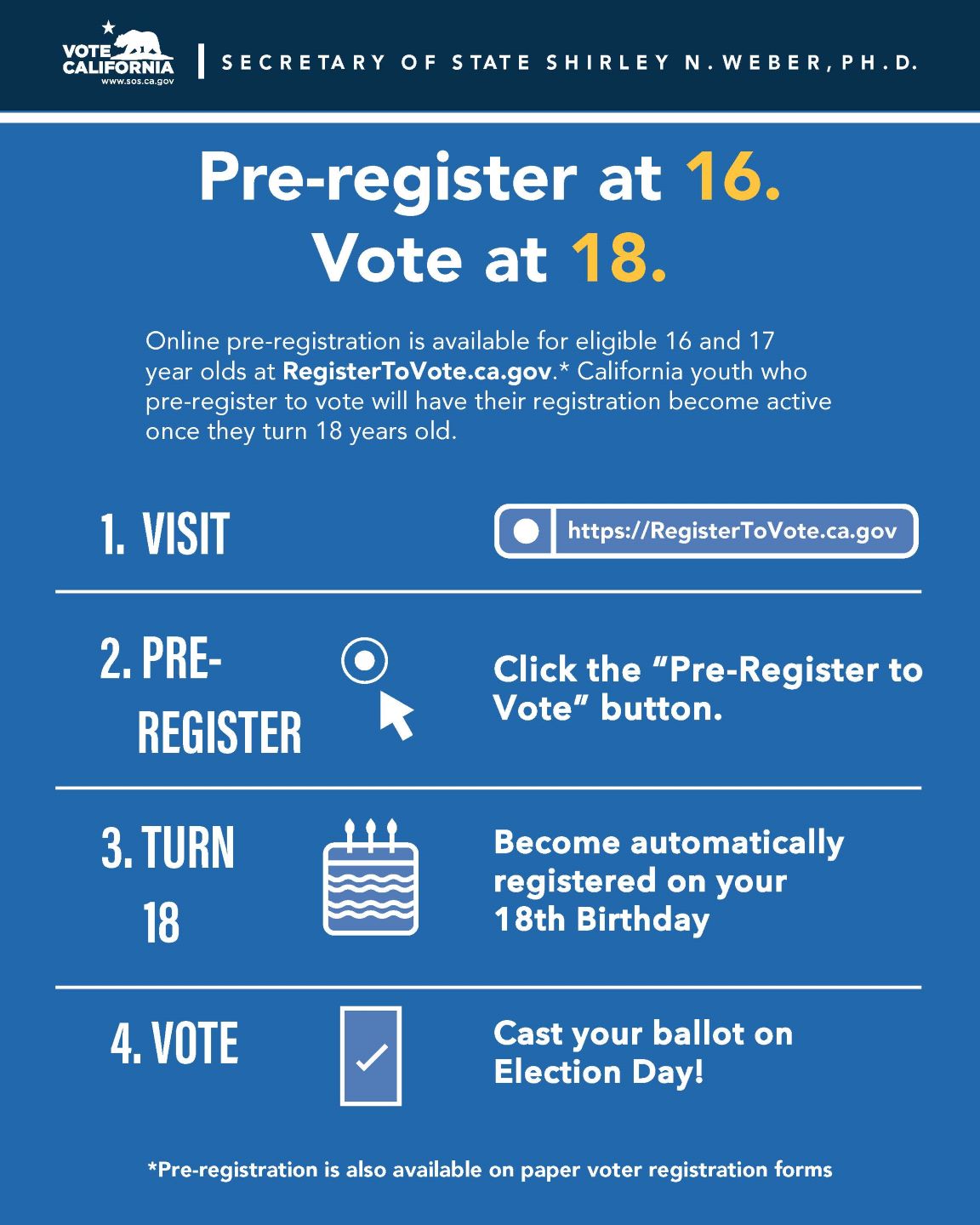
Before you can even consider heading to a polling place or mailing in a ballot, you must be a registered voter in California. To be eligible to register, you must meet the following criteria:
- Be a United States citizen.
- Be a resident of California.
- Be at least 18 years old by the date of the election.
- Not currently be imprisoned or on parole for a felony conviction.
- Not currently be found mentally incompetent to vote by a court.
California offers same-day voter registration, also known as “Conditional Voter Registration.” This means that even if you miss the standard registration deadline (typically 15 days before an election), you can go to your county elections office or a designated vote center, register, and cast a provisional ballot on the same day. This provision further underscores the state’s commitment to maximizing voter participation, allowing individuals to correct oversights right up until Election Day.
The ID Question: Specific Circumstances for Requesting Identification
While a general ID is not required, there are specific, limited circumstances in which election officials may ask for identification. This is primarily for first-time voters who registered by mail and did not provide identification information when they registered. If you fall into this category, you may be asked to show a form of ID when you vote in person. Acceptable forms of ID typically include:
- A driver’s license or California ID card.
- A passport.
- An employee ID card.
- A student ID card.
- A credit or debit card.
- Any form of government-issued identification.
- Utility bill, bank statement, government check, or government document showing your name and address.
Even in these specific cases, if you do not have identification, you still have the right to cast a provisional ballot. This ballot will be counted after your eligibility and identity are verified by the county election officials. This safeguard ensures that no eligible voter is turned away from the polls solely due to a lack of immediate identification. It’s a crucial aspect of California’s “tips” for understanding and navigating the local election system.
Navigating the Polling Place Experience and Beyond
For those accustomed to different voting procedures, the California system might feel distinct. Understanding the flow of the polling place and the resources available can make the experience seamless and contribute to a deeper appreciation of local civic engagement.
What to Bring (Beyond ID)
Since a photo ID is generally not required, what should you bring to the polls?
- Your Sample Ballot and Voter Information Guide: These documents, mailed to every registered voter, contain crucial information including your polling place location, candidates, propositions, and instructions on how to mark your ballot. They are incredibly helpful references.
- A Pen: While pens are provided, some voters prefer to bring their own.
- Your Mail-in Ballot (if you received one but prefer to vote in person): If you received a vote-by-mail ballot but decide to vote in person at a polling place or vote center, bring your mail-in ballot with you. You can surrender it and receive a new ballot to fill out at the polling place. If you forget your mail-in ballot, you can still vote provisionally.
- Proof of Residency (if registering conditionally): If you are utilizing conditional voter registration, having a document that shows your current California residence (like a utility bill or rental agreement) can be helpful, though not always strictly required at the point of registration if other information suffices.
The ease of the process reflects a local culture that values participation and aims to minimize bureaucratic hurdles.
Vote-by-Mail: California’s Preferred Method
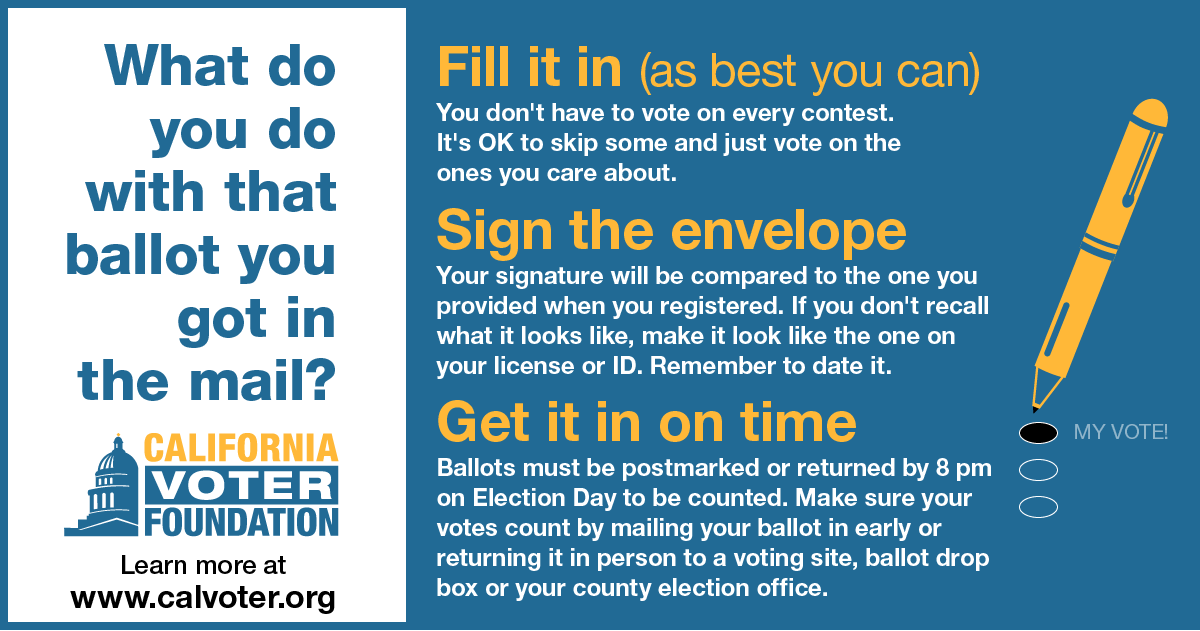
It’s worth noting that California has embraced vote-by-mail as its primary method of voting. For all statewide elections, every registered voter automatically receives a mail-in ballot. This system allows voters to cast their ballot from the comfort of their home, research candidates and propositions at their leisure, and return it via mail or a designated drop box. This approach further reduces the need for in-person ID checks, as the signature verification process for mail-in ballots serves as the primary security measure. This widespread adoption of vote-by-mail is a significant aspect of California’s local electoral “culture” and is a key “tip” for anyone wanting to understand how the state conducts its elections.
Provisional Ballots and Their Role
The provisional ballot is a vital safety net in California’s electoral system. If there’s any question about your eligibility, registration, or if you don’t have the requested ID in the specific circumstances mentioned above, you can still cast a provisional ballot. This ensures that no one is turned away from the polls. After Election Day, county election officials will verify your eligibility using the information you provided when registering and on the provisional ballot envelope. If your eligibility is confirmed, your ballot will be counted. This mechanism underscores the state’s dedication to ensuring every eligible vote is counted.
Engaging with Local Democracy: Beyond the Ballot Box
Understanding California’s voting ID requirements is more than just a procedural detail; it’s a window into the state’s civic character. For those exploring California for its local culture, its innovative spirit, or even as a potential place of residence, grasping these elements offers a fuller picture.
Civic Participation and Community Integration
The relative ease of voting in California reflects a broader cultural emphasis on civic participation. Engaging with local elections, understanding ballot propositions, and even attending local government meetings can offer profound insights into the issues that matter most to communities from San Diego to San Francisco. For new residents or long-term visitors, actively participating or simply observing these processes is a powerful way to integrate and understand the “local culture” beyond its more visible tourist attractions. It fosters a sense of belonging and provides context for the social and political dynamics at play.
Resources for Voters and New Residents
The California Secretary of State website is an invaluable resource for all things related to elections, voter registration, and detailed information about voting requirements. County elections offices also provide localized information, including polling place lookups and ballot drop-off locations. For those new to California or considering residency, these resources are crucial “tips” for navigating the civic landscape, ensuring they are well-informed and able to exercise their rights effectively. Understanding the local electoral system is an integral part of understanding the vibrant, diverse, and often progressive culture that defines California.
LifeOutOfTheBox is a participant in the Amazon Services LLC Associates Program, an affiliate advertising program designed to provide a means for sites to earn advertising fees by advertising and linking to Amazon.com. Amazon, the Amazon logo, AmazonSupply, and the AmazonSupply logo are trademarks of Amazon.com, Inc. or its affiliates. As an Amazon Associate we earn affiliate commissions from qualifying purchases.