
California, a state renowned for its sprawling beaches, iconic landmarks, diverse landscapes, and vibrant cultural scene, stands as a global beacon for tourism. Millions flock to its shores, deserts, mountains, and cities annually, contributing significantly to its economy. However, periodic discussions about the state’s budgetary health, often highlighted by projections of deficits, raise pertinent questions about the long-term sustainability and quality of its tourism offerings. While financial reports can be complex, understanding the implications of California’s fiscal landscape is crucial for anyone invested in or planning to experience its rich tourism tapestry.
Understanding California’s Fiscal Landscape and Its Tourism Nexus
The Golden State operates one of the world’s largest economies, characterized by innovation, a robust tech sector, agriculture, and, critically, a thriving tourism industry. State budgets are immense and influenced by a myriad of factors, from tax revenues and federal funding to economic cycles and policy decisions. When discussions around a “deficit” emerge, it typically refers to a situation where projected expenditures exceed projected revenues for a given fiscal year. These projections can fluctuate, leading to different scenarios for state policymakers.
The Current Budgetary Climate
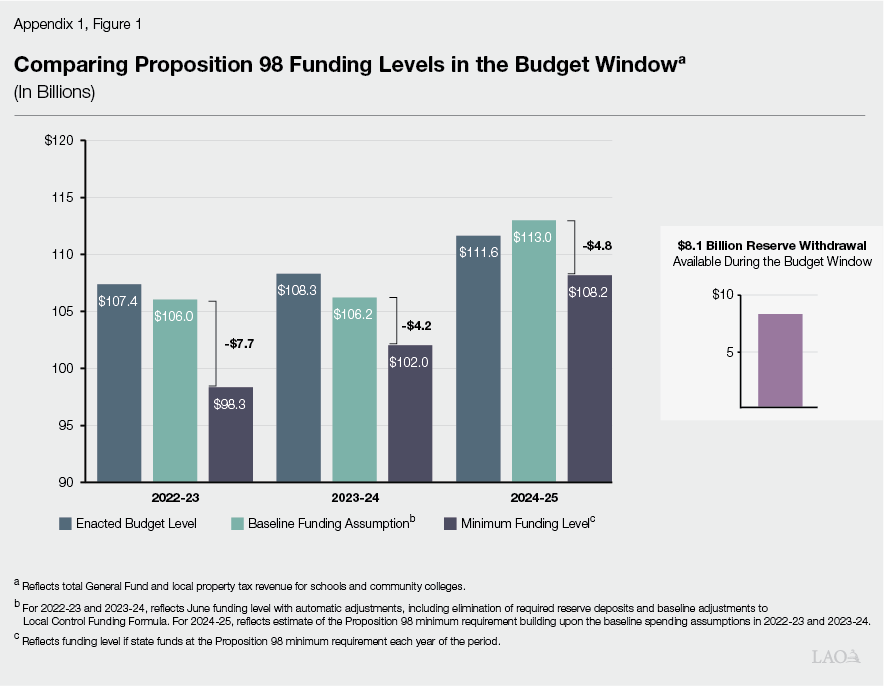
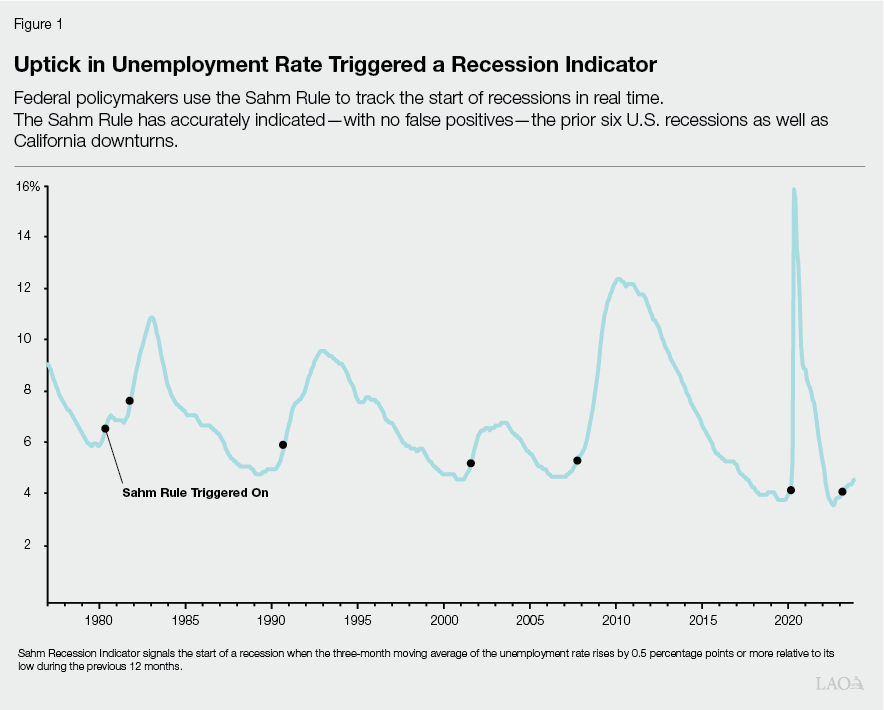
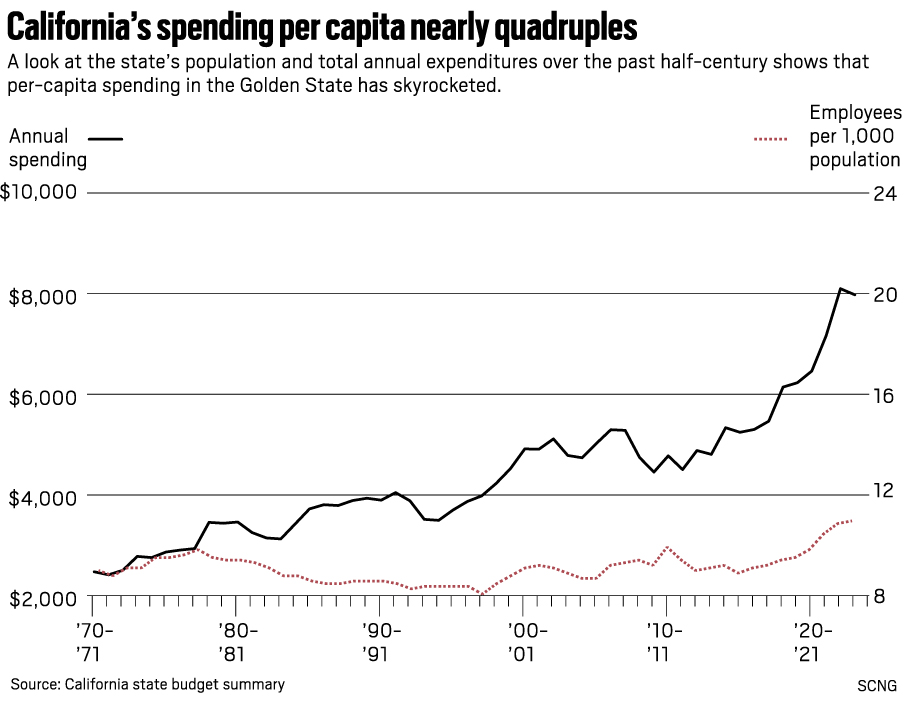
California’s budget is often subject to significant volatility due to its progressive tax system, which relies heavily on income taxes from high earners and capital gains. This means state revenues can surge during economic booms but contract sharply during downturns. A projected deficit prompts careful consideration in the state capital, Sacramento, regarding where budget cuts might be necessary or where new revenue streams could be generated. For the tourism sector, this scrutiny can translate into re-evaluations of public funding for everything from destination marketing to the maintenance of state parks.
Interconnectedness of State Finances and Tourism Infrastructure
Tourism in California is not merely an aggregation of private businesses; it is deeply intertwined with public infrastructure and services. State-funded roads lead to destinations like Yosemite National Park, public transportation systems serve major cities like San Francisco and Los Angeles, and state parks offer unparalleled natural experiences. A deficit, therefore, is not an abstract financial term for the tourism industry. It represents potential constraints on investments that directly enhance the visitor experience, such as infrastructure upgrades, preservation efforts, and promotional campaigns designed to keep California competitive in the global tourism market.
Potential Impacts on California’s Tourism Sector
Should California face a significant and sustained deficit, the tourism industry could experience several ripple effects, ranging from reduced promotional efforts to strains on maintaining the very attractions that draw visitors.
Funding for Destination Marketing and Promotion
One of the most immediate and visible impacts of a budget deficit can be on the state’s tourism marketing arm, Visit California. This organization plays a pivotal role in showcasing the state’s diverse attractions to national and international audiences. A reduction in its funding could lead to fewer campaigns, less presence at international travel shows, and a decreased ability to compete with other destinations for tourist dollars. This directly affects visitor numbers and, consequently, the revenue generated for local businesses and the state economy. Without robust marketing, even the most spectacular destinations can struggle to attract new visitors and maintain their appeal.
Preservation of Natural and Cultural Attractions
Many of California’s most cherished tourism assets are public lands, state parks, historical sites, and cultural institutions. Maintaining these invaluable resources requires ongoing investment. A deficit could necessitate cuts to park rangers, maintenance crews, interpretive programs, or even delayed repairs to critical infrastructure at sites such as state beaches or historical missions. The Golden Gate Bridge, while largely self-funded, still benefits from the surrounding public amenities and infrastructure that make visiting it an enjoyable experience. Any degradation of these public assets could diminish the quality of the visitor experience and potentially impact California’s reputation as a top-tier destination.
Support for Local Tourism Economies and Small Businesses
Beyond large-scale attractions, California’s tourism is fueled by countless small businesses: boutique hotels, local restaurants, tour operators, artisan shops, and cultural event organizers. State support, whether through grants, regulatory frameworks, or promotional partnerships, can be vital for their growth and survival. A deficit might lead to reduced state assistance for these local economies, making it harder for small businesses, especially in lesser-known but equally charming areas like the Napa Valley wine region or coastal towns, to thrive. This could limit the diversity of experiences available to tourists and weaken the fabric of local communities dependent on tourism.
Navigating Challenges: Strategies for Sustaining Tourism Growth
While a deficit presents challenges, California has a history of adapting and innovating. The tourism sector, in particular, often demonstrates resilience and creativity in the face of economic headwinds.
Innovation in Tourism Funding
To counter potential public funding shortfalls, the tourism sector can explore innovative funding mechanisms. This might include dedicated tourism improvement districts (TIDs) where local businesses contribute to collective marketing and maintenance efforts, or the strategic use of transient occupancy taxes (TOT) to directly fund local tourism initiatives. Cities like San Diego often leverage such mechanisms to ensure a steady stream of funding for visitor-related services and promotions, regardless of broader state budget fluctuations.
Public-Private Partnerships
Collaboration between state agencies and private entities becomes even more critical during times of fiscal constraint. Private companies, from hotel chains to theme parks, have a vested interest in California’s continued appeal. Partnerships could involve co-funding marketing campaigns, sponsoring park maintenance, or investing in infrastructure projects that benefit both visitors and residents. For example, private sector investment has been crucial in developing many of Hollywood‘s attractions, enhancing the overall tourist experience. Such collaborations can bridge funding gaps and leverage private sector efficiency and innovation.
Emphasizing Sustainable and Resilient Tourism
A deficit can also serve as a catalyst for promoting more sustainable and resilient tourism practices. Focusing on high-value, low-impact tourism can maximize economic benefits while minimizing environmental strain. Encouraging visitors to explore off-peak seasons or lesser-known destinations can help distribute tourism revenue more evenly and reduce pressure on popular sites. California’s commitment to environmental stewardship can be integrated into its tourism narrative, attracting travelers who prioritize responsible travel.
The Traveler’s Perspective: What a Deficit Could Mean for Visitors
For the average traveler planning a trip to California, a state deficit might not be immediately apparent, but its indirect effects could shape their experience.
Changes in Visitor Experience
Visitors might notice subtle changes over time. Perhaps a state park entrance fee increases slightly to offset maintenance costs, or certain interpretive programs become less frequent. Road construction or public transport projects might face delays. However, California’s core appeal – its natural beauty, diverse cities, and vibrant culture – is deeply ingrained and resilient. Even with financial constraints, the state’s fundamental attractions remain. Travelers may need to do a bit more research on specific attraction statuses or funding levels if they are concerned, but generally, the high quality of experience is maintained through various means.
Opportunities for Engaged Tourism
A deficit could also present opportunities for travelers to engage more directly with the places they visit. Supporting local businesses, choosing accommodations that contribute to local tourism initiatives, or even volunteering at state parks can be ways for visitors to have a positive impact. Understanding the state’s financial context can foster a more mindful approach to travel, where tourists appreciate the effort required to maintain world-class destinations.
Conclusion: The Enduring Appeal of California Tourism
While California may periodically grapple with budgetary deficits, the state’s tourism industry is robust and adaptable. The dialogue around deficits is an ongoing part of governing such a large and dynamic economy. For the tourism sector, these fiscal challenges underscore the importance of strategic planning, innovative funding, and strong partnerships to safeguard and enhance the unparalleled visitor experience that California offers. Despite the financial ebbs and flows, the allure of California’s diverse landscapes, cultural richness, and vibrant cities remains a powerful draw, ensuring its place as a premier global destination for generations to come.
LifeOutOfTheBox is a participant in the Amazon Services LLC Associates Program, an affiliate advertising program designed to provide a means for sites to earn advertising fees by advertising and linking to Amazon.com. Amazon, the Amazon logo, AmazonSupply, and the AmazonSupply logo are trademarks of Amazon.com, Inc. or its affiliates. As an Amazon Associate we earn affiliate commissions from qualifying purchases.