
Navigating the intricacies of road regulations can be a crucial part of planning any California road trip or extended stay. Among the most frequently pondered questions for both seasoned travelers and new residents is the requirement for front license plates. The simple answer, which carries significant implications for anyone driving within the Golden State, is a resounding yes. Understanding this mandate, its origins, and its practical consequences is essential for a smooth and compliant journey through California’s diverse landscapes.
The Legal Mandate in the Golden State
California is one of the states that mandates the display of two license plates: one on the front and one on the rear of most vehicles. This regulation is firmly embedded in the California Vehicle Code and is not merely a suggestion but a legal requirement. For visitors, especially those driving their own vehicles from states with different regulations or renting a car, being aware of this specific law is paramount to avoiding unnecessary complications.

Vehicle Code Section 5200
The primary legal foundation for the front license plate requirement in California is found in Vehicle Code Section 5200. This section explicitly states, “When two license plates are issued by the department for a vehicle, they shall be attached to the vehicle for which they were issued, one in the front and one in the rear.” This phrasing leaves little room for ambiguity, clearly establishing the dual-plate system as standard practice across the state. The Department of Motor Vehicles (DMV) issues two plates for virtually all passenger vehicles, trucks, and most commercial vehicles, ensuring compliance with this code.
Rationale Behind Dual Plate Requirements
The mandate for front and rear license plates isn’t arbitrary; it serves several critical functions that enhance public safety and law enforcement capabilities. Primarily, two plates double the chances of a vehicle being identified, which is crucial in various scenarios.
Firstly, for law enforcement, a front plate significantly aids in identification. Whether it’s for traffic enforcement, identifying vehicles involved in crimes, or tracking down stolen cars, having a visible plate from both directions provides a crucial tool. Automated toll booths, red-light cameras, and parking enforcement systems also frequently rely on front plate recognition technology, especially in urban centers like Los Angeles and San Francisco.
Secondly, in the unfortunate event of a hit-and-run accident, a witness may only catch a glimpse of the front of a vehicle. A front license plate provides immediate, tangible evidence that can be instrumental in identifying the responsible party, ensuring accountability and aiding victims. This dual visibility contributes significantly to overall road safety and the efficient functioning of the state’s traffic management systems.
Implications for Travelers and Visitors
For individuals planning a visit to California, especially those embarking on scenic drives along the Pacific Coast Highway or exploring national parks like Yosemite and Joshua Tree, understanding this regulation is paramount. The type of vehicle you drive or rent will dictate your specific responsibilities.
Rental Cars and Compliance
The vast majority of reputable car rental companies operating in California will provide vehicles that are fully compliant with state law, meaning they will have both a front and rear license plate properly affixed. When picking up your rental at Los Angeles International Airport (LAX) or San Francisco International Airport (SFO), you generally won’t need to worry about this issue. However, it’s always good practice to quickly check the vehicle before driving off, ensuring all regulatory requirements are met. This proactive step can prevent any unforeseen issues with local law enforcement during your trip. If you rent from a smaller, independent dealership or a peer-to-peer car-sharing service, verifying compliance becomes even more important.
Out-of-State Vehicles: Reciprocity and Risk
If you are driving your personal vehicle into California from another state, the rules of reciprocity generally apply. This means that if your vehicle is legally registered in your home state and that state does not require a front license plate, California law enforcement typically recognizes your home state’s regulations. However, this reciprocity is primarily intended for short-term visitors.
The crucial caveat arises for those planning an extended stay or considering residency. If you establish residency in California (e.g., accepting employment, enrolling children in school, leasing an apartment), you are generally required to register your vehicle with the California DMV within 20 days. At that point, your vehicle will be subject to all California regulations, including the front license plate mandate, regardless of your previous state’s laws. Attempting to circumvent this by keeping an out-of-state registration can lead to significant fines and penalties. While short-term visitors are usually exempt from California’s two-plate rule, understanding the transition point to residency is vital to avoid legal entanglements.
Buying a Car in California
For those considering purchasing a vehicle while in California, whether as a new resident or for an extended period, the front license plate requirement is non-negotiable from the moment of registration. When you buy a new or used car from a dealership, they will typically handle the registration process and ensure the vehicle is compliant. They will either install a front plate bracket or advise you on how to do so once your permanent plates arrive. If purchasing privately, you are responsible for ensuring compliance once the vehicle is registered in your name.
Consequences of Non-Compliance
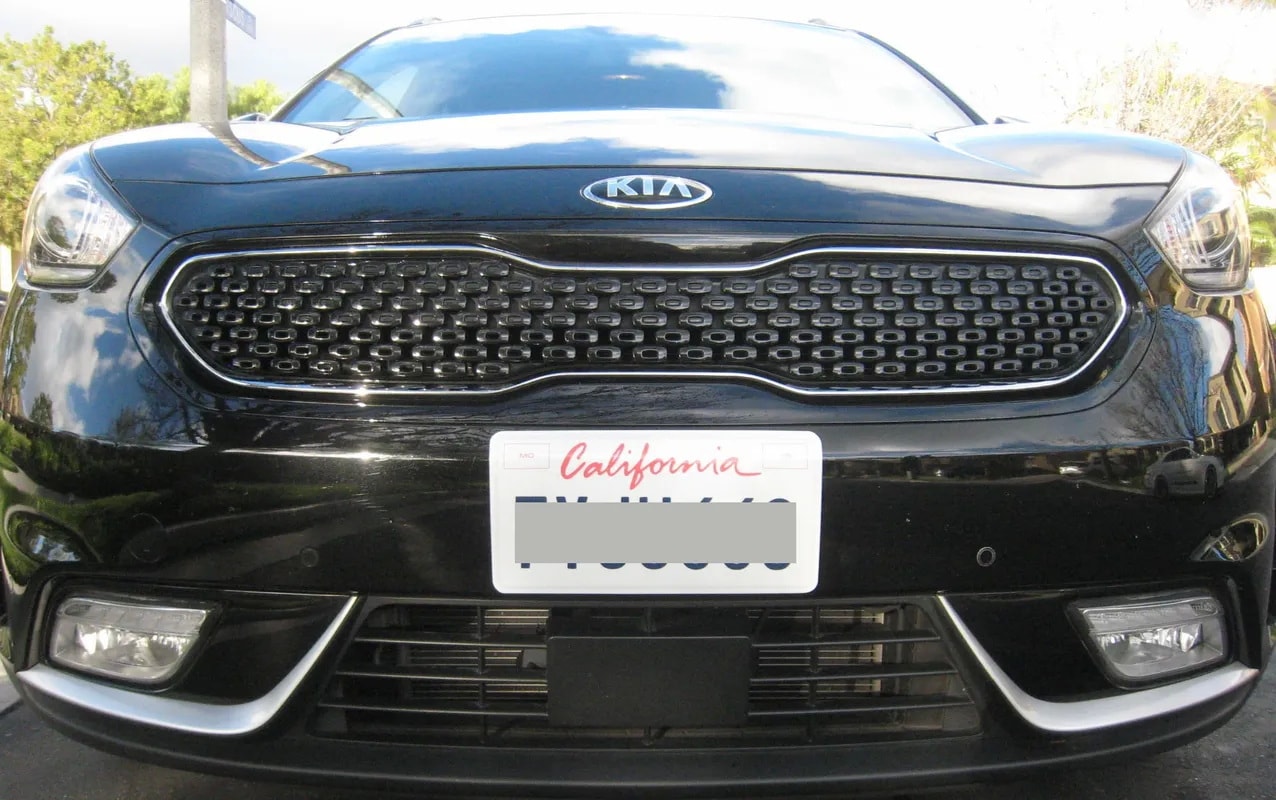
Ignoring the front license plate requirement in California is not advisable. Law enforcement takes this regulation seriously, and non-compliance can lead to a range of inconveniences and financial penalties that can quickly detract from your travel experience.
Fines and Penalties
Driving without a front license plate in California is considered a “fix-it ticket” or an “equipment violation.” While it’s generally not a moving violation that adds points to your driving record, the initial fine can be substantial, often in the range of $100 to $200. Moreover, a fix-it ticket requires you to correct the violation and then have it signed off by a law enforcement officer or court. If you fail to correct the issue or provide proof of correction within the allotted time, the penalties can escalate significantly, potentially leading to additional fines and even a misdemeanor charge. For travelers, dealing with these administrative tasks from afar can be particularly cumbersome and stressful.
Traffic Stops and Further Complications
The absence of a front license plate provides law enforcement with a legitimate reason to initiate a traffic stop. While the initial reason for the stop might be minor, any subsequent interactions with an officer could uncover other potential issues, such as an expired registration, an impaired driver, or even more serious infractions. What begins as a simple equipment violation can quickly become a more complex and time-consuming encounter, particularly if you are unfamiliar with California’s laws or cannot readily provide proper identification and documentation. For visitors, such stops can disrupt travel plans, cause delays, and lead to an overall negative perception of their California experience.
Navigating Exceptions and Special Cases
While the rule is generally clear, there are a few specific exceptions and nuances concerning the front license plate requirement in California. Understanding these can provide clarity for certain vehicle owners.
Historical and Special Interest Vehicles
Certain historical vehicles, particularly those designated as “Year of Manufacture” plates, may have specific exemptions or different requirements. If a vehicle qualifies for a Year of Manufacture plate, and only one such plate was issued for the year the vehicle was manufactured, then only a single plate may be required, typically mounted on the rear. However, these are specialized cases for antique and classic car enthusiasts and do not apply to the vast majority of vehicles on California roads today. Owners of such vehicles typically go through a specific application process with the DMV to confirm their exemption.
Dealership Plates and Temporary Tags
When you purchase a new vehicle, it will often come with temporary paper plates issued by the dealership. These temporary tags are typically displayed in the rear window or where the permanent rear plate would go. During the period when you only have these temporary tags, the front plate requirement is temporarily waived, as the permanent plates (both front and rear) have not yet been issued by the DMV. Once your permanent metal plates arrive, usually within a few weeks, both must be affixed to the vehicle immediately.
Electric Vehicles and Aesthetic Concerns
Some modern vehicles, particularly certain electric models, are designed with minimal front grilles, which can make attaching a front license plate bracket aesthetically challenging or seem to interfere with sensors. While vehicle manufacturers may offer creative solutions, the legal requirement for a front plate remains. The California DMV has experimented with “sticker plates” or decals for specific electric vehicle models, which can be affixed to the front bumper. However, these are niche programs and don’t negate the fundamental requirement for some form of front identification. Owners of such vehicles should consult the DMV for approved alternative solutions rather than simply going without a plate.
Practical Advice for a Seamless California Road Trip
For anyone embarking on a journey through California, a little preparation can go a long way in ensuring a stress-free travel experience. Being informed about local regulations, including the front license plate rule, is a key component of responsible travel.
Check Your Rental Agreement
If you are renting a car, quickly confirm with the rental agency that the vehicle is fully compliant with California’s laws, including the presence of both front and rear license plates. While it’s standard practice, a quick check provides peace of mind and ensures you won’t encounter any surprises on the road.
Understand Local Enforcement
Awareness of the front license plate rule is particularly relevant when driving in densely populated areas like San Diego, San Francisco, or Los Angeles, where traffic enforcement is generally more stringent and automated systems are prevalent. In more rural areas, while the law still applies, the likelihood of being pulled over solely for a missing front plate might be lower, though still a possibility. Always assume full enforcement across the state.

Prioritize Compliance for Peace of Mind
Ultimately, the easiest way to avoid any issues related to front license plates is to ensure your vehicle is compliant. For California residents, this is a straightforward adherence to the DMV’s requirements. For out-of-state travelers, respect the reciprocity laws for short visits but be prepared to register and comply if you plan an extended stay. A little attention to detail before hitting the road can save you time, money, and unnecessary stress, allowing you to fully immerse yourself in the unparalleled beauty and experiences that California has to offer.
LifeOutOfTheBox is a participant in the Amazon Services LLC Associates Program, an affiliate advertising program designed to provide a means for sites to earn advertising fees by advertising and linking to Amazon.com. Amazon, the Amazon logo, AmazonSupply, and the AmazonSupply logo are trademarks of Amazon.com, Inc. or its affiliates. As an Amazon Associate we earn affiliate commissions from qualifying purchases.