
Colorado, a state renowned for its majestic Rocky Mountains and breathtaking natural beauty, might not be the first place that springs to mind when considering tornado activity. Images of sweeping plains and dramatic weather often conjure up memories of the central United States, popularly known as “Tornado Alley.” However, the Centennial State, with its diverse topography ranging from high plains to rugged peaks, does experience its share of these powerful atmospheric phenomena. Understanding the nuances of Colorado’s tornado potential is crucial for any traveler planning a visit or resident seeking to be informed about local weather patterns.
Tornado Climatology in Colorado
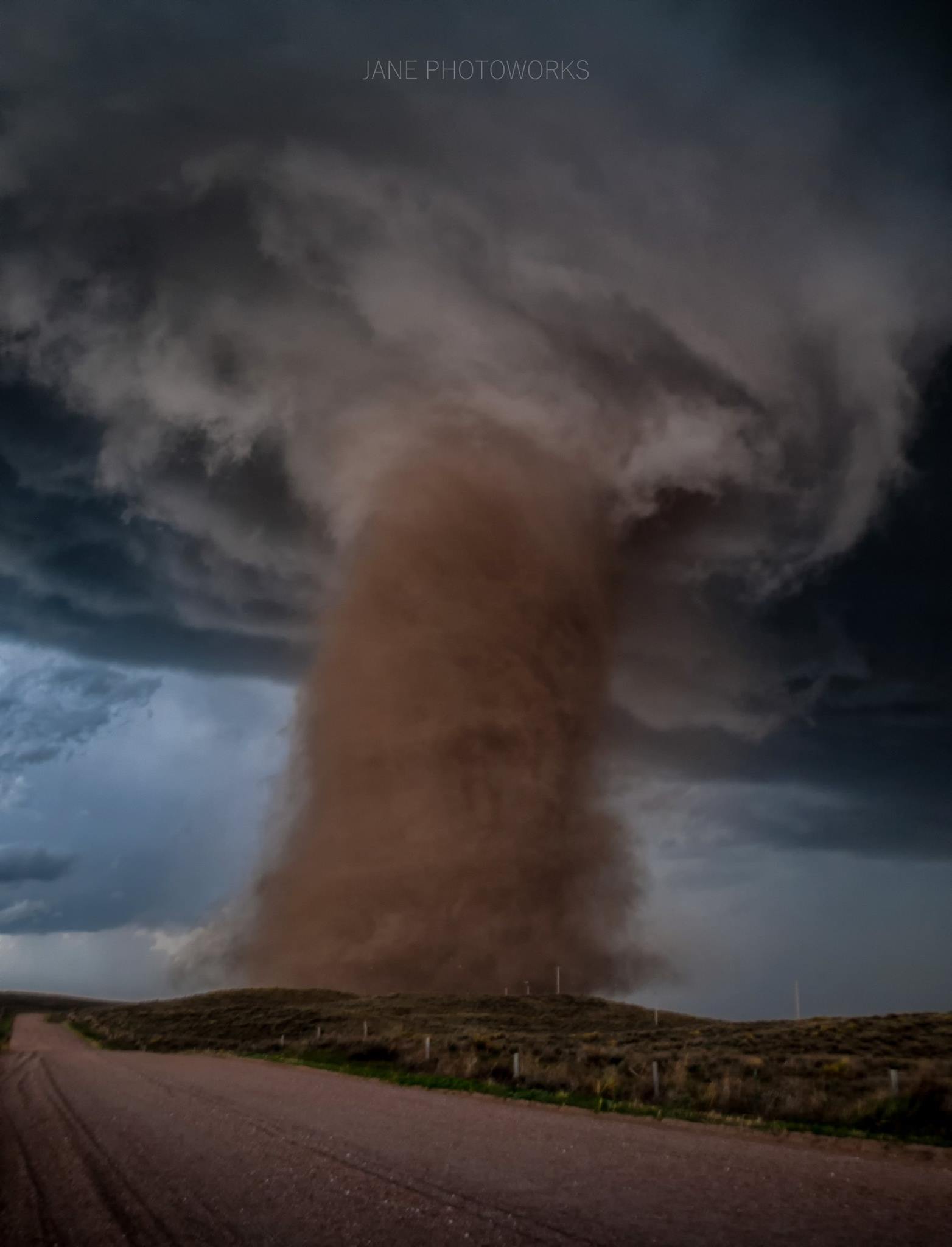
While Colorado doesn’t fit the classic mold of the Great Plains tornado regions, its eastern plains, bordering Kansas and Nebraska, are indeed susceptible to tornadoes. The unique geographical features of the state play a significant role in shaping its weather. The interaction between the dry air masses from the arid West and the moist, warm air from the Gulf of Mexico, coupled with strong atmospheric instability, creates conditions conducive to severe thunderstorms, which can, in turn, spawn tornadoes.
When Tornadoes Occur
The prime season for tornadoes in Colorado typically runs from late spring through early summer, with May and June being the most active months. During this period, the sun’s energy heats the ground, leading to significant atmospheric instability. When this instability combines with a weather system that provides lift and wind shear (changes in wind speed and direction with height), the ingredients for supercell thunderstorms, the most common producers of tornadoes, are present.
These powerful storms often develop in the afternoon and evening, when the atmosphere is most energized. While tornadoes can occur at any time of day or night, the peak activity is usually observed between 2 PM and 8 PM local time.
Types of Tornadoes in Colorado
Colorado experiences various types of tornadoes, though the most impactful are often the classic supercell tornadoes. These are characterized by their rotating mesocyclone, which is a violently rotating column of air within a thunderstorm. Other less common but still possible phenomena include landspouts, which form from the ground up without a pre-existing mesocyclone in the cloud base, and waterspouts, which occur over bodies of water. Given Colorado’s arid climate, true waterspouts are rare, but landspouts can occur during certain convective events.
Regions Most Affected by Tornadoes
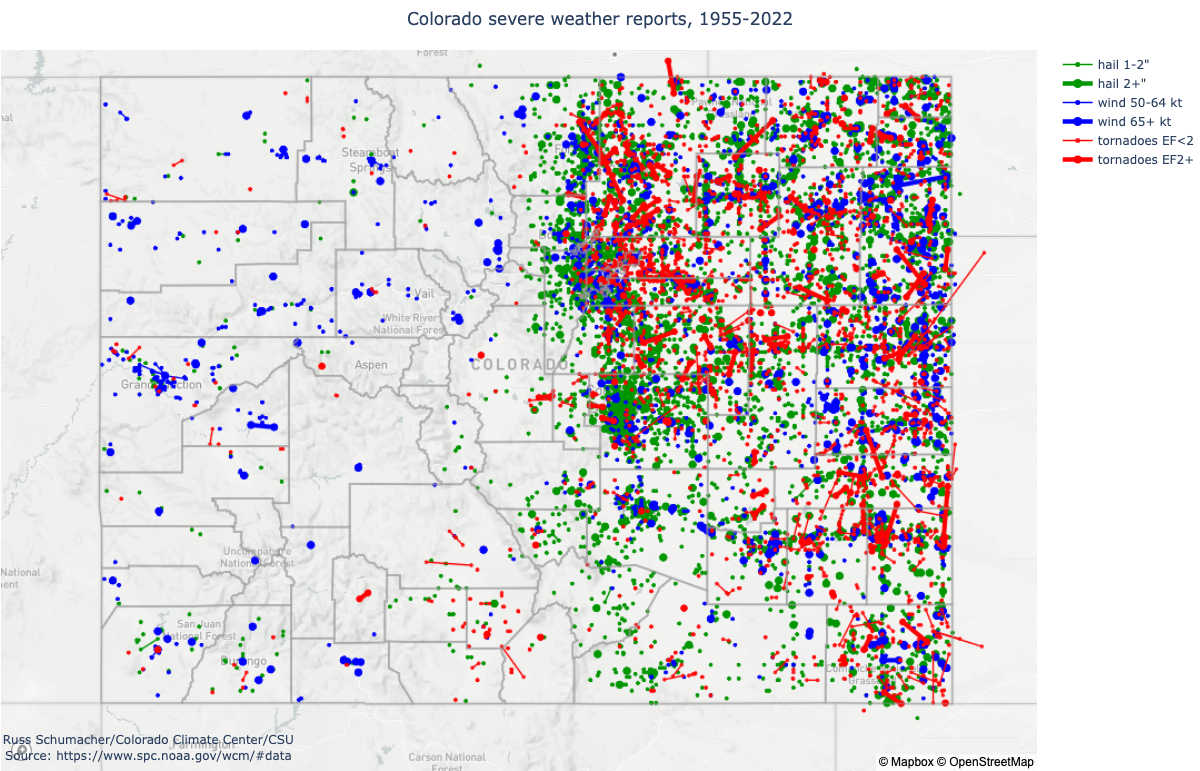
The eastern plains of Colorado are the most likely areas to witness tornado activity. This region, characterized by its relatively flat terrain and open skies, allows for the unimpeded development and movement of severe thunderstorms. Cities and towns within this zone, such as Denver, Aurora, Colorado Springs, Fort Collins, and towns like Limon and Sterling, are part of Colorado’s tornado-prone areas.
The High Plains and Their Vulnerability
The High Plains east of the Front Range are particularly vulnerable. Here, the land rises gradually from the eastern border of the state. When warm, moist air from the south collides with cooler, drier air from the west, and a strong upper-level disturbance passes overhead, the atmosphere becomes extremely unstable. This setup is a recipe for the development of supercells, which can produce significant tornadoes. The lack of significant topographical barriers on the plains allows these storms to maintain their intensity and track for longer distances, increasing the risk to communities in their path.
Influence of the Rockies

Conversely, the western and mountainous regions of Colorado are far less prone to tornado formation. The rugged terrain and the elevation of the Rocky Mountains tend to disrupt the atmospheric conditions necessary for tornado development. While severe thunderstorms can and do occur in the mountains, they rarely produce tornadoes. The complex terrain can alter wind patterns and atmospheric stability in ways that suppress the formation of the organized, rotating updrafts characteristic of supercell thunderstorms.
Safety and Preparedness for Travelers and Residents
Knowing that tornadoes can occur in Colorado, especially in its eastern regions, underscores the importance of being prepared. Travelers and residents alike should be aware of the potential for severe weather and take appropriate precautions.
Staying Informed
The most crucial aspect of tornado safety is staying informed about weather conditions. During the tornado season, it’s advisable to monitor local weather forecasts regularly. The National Weather Service (NWS) provides essential information through its local offices and online resources. Paying attention to Tornado Watches, which indicate that conditions are favorable for tornadoes to develop, and Tornado Warnings, which signify that a tornado has been sighted or indicated by radar, is paramount.
Emergency Plans and Shelters
Having an emergency plan in place is vital. For residents, this means identifying a safe place within their home, such as a basement or an interior room on the lowest floor, away from windows. For travelers staying in hotels or other accommodations, understanding the building’s emergency procedures and the location of designated shelter areas is crucial. Many hotels have protocols in place for severe weather events, and staff can provide guidance. In rural areas or when outdoors, seeking shelter in sturdy buildings or ditches if no substantial shelter is available and a tornado is imminent can be life-saving.
What to Do During a Tornado Warning
If a Tornado Warning is issued, immediate action is necessary.
- Indoors:
- Go to your pre-designated safe place immediately.
- Stay away from windows and exterior walls.
- Protect your head and neck with your arms or a helmet if available.
- In a Vehicle:
- Vehicles are not safe during a tornado. Evacuate the vehicle and seek shelter in a substantial building if possible.
- If no shelter is available, lie down in a ditch or other low-lying area, protecting your head.
- Outdoors:
- Seek immediate shelter in a sturdy building.
- If no shelter is available, lie flat in a ditch or other low-lying area and cover your head.
Notable Tornado Events in Colorado
While the risk might be lower than in some other states, Colorado has experienced its share of notable tornado events that have impacted communities and serve as reminders of the power of these storms. Documented tornado outbreaks have occurred, particularly affecting the eastern plains. These events, though infrequent, can cause significant damage to property and pose a serious threat to life. Studying historical tornado data can provide valuable insights into the patterns and frequencies of these events in specific areas of the state. Understanding these past occurrences helps in forecasting and preparedness efforts for the future.
Conclusion
In conclusion, while Colorado is not synonymous with widespread tornado activity in the same vein as some Midwestern states, it is a state where tornadoes do occur, primarily along its eastern plains. The unique meteorological conditions created by the interplay of geography and atmospheric dynamics can lead to severe thunderstorms capable of producing these dangerous vortices. For anyone visiting or residing in Colorado, particularly in the eastern half of the state, staying informed about weather forecasts and having a clear understanding of tornado safety procedures is a prudent measure. The beauty of Colorado’s landscapes, from its urban centers to its vast open plains, is best enjoyed with an awareness of and respect for its natural forces.
LifeOutOfTheBox is a participant in the Amazon Services LLC Associates Program, an affiliate advertising program designed to provide a means for sites to earn advertising fees by advertising and linking to Amazon.com. Amazon, the Amazon logo, AmazonSupply, and the AmazonSupply logo are trademarks of Amazon.com, Inc. or its affiliates. As an Amazon Associate we earn affiliate commissions from qualifying purchases.