
Travelers eyeing the golden state of California often envision sun-drenched beaches, majestic national parks, and vibrant cities. However, a crucial aspect of planning a trip to this diverse region, particularly during certain seasons, involves understanding the ongoing wildfire situation. Wildfires are a natural, albeit often devastating, part of California’s ecosystem, and their prevalence and intensity can significantly impact travel plans, safety, and the overall visitor experience. Staying informed is paramount for any responsible traveler.
Understanding the Current Wildfire Landscape in California
Wildfires in California are influenced by a complex interplay of factors, including prolonged drought, high temperatures, dry vegetation, and strong winds, often exacerbated by climate change. The fire season typically runs from late spring through late autumn, peaking in the hottest and driest months. However, with changing climatic patterns, significant fire activity can occur almost year-round.
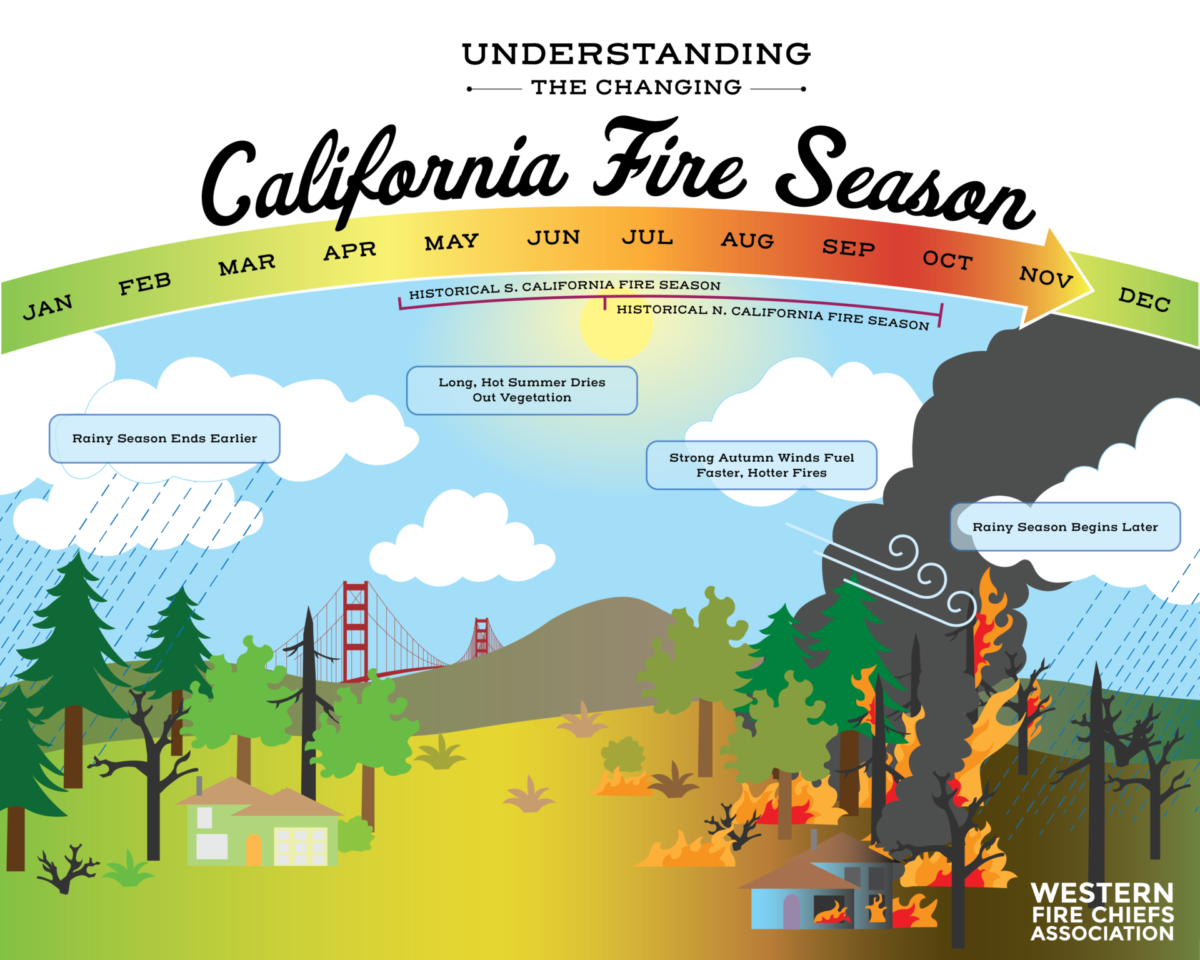
Currently, the state is in a dynamic phase regarding wildfire activity. While some years see historic, record-breaking blazes, others might experience more localized or manageable incidents. It’s crucial to understand that “how are the fires doing” isn’t a single, static answer but rather a constantly evolving situation. There could be multiple fires burning simultaneously across different parts of the vast state, each with its own trajectory and impact. Some fires might be quickly contained, while others could grow large and persist for weeks or even months.
The immediate impact on travel is often localized. A fire burning in a remote forest might not directly affect major urban centers or coastal tourist hubs, but its smoke plume could travel hundreds of miles, causing air quality issues and hazy skies. This can obscure scenic views, affect outdoor activities, and pose health risks, especially for individuals with respiratory conditions. Conversely, a fire near a popular destination, like a national park or a wine region, can lead to immediate closures, evacuations, and significant disruption for visitors and residents alike.
Key Factors Influencing Fire Behavior
- Weather Conditions: High temperatures, low humidity, and strong winds (such as the Santa Ana winds in Southern California or Diablo winds in Northern California) are critical drivers of fire spread and intensity.
- Vegetation: Decades of fire suppression have led to an accumulation of dense, dry fuels, making fires more intense and difficult to control.
- Topography: Steep slopes and canyons can accelerate fire spread and create dangerous conditions for firefighters.
- Ignition Sources: While natural causes like lightning strikes initiate some fires, human activity (accidental or intentional) accounts for a significant portion, particularly near populated areas.
Monitoring these factors is key to anticipating and understanding the potential for fire activity and its implications for travel throughout the state.
Navigating Travel Safety and Restrictions Amidst Wildfires
For travelers, the most important advice regarding California wildfires is to prioritize safety and stay informed. Relying on official, up-to-date sources is non-negotiable. Information from local authorities, fire agencies, and park services provides the most accurate picture of active fires, containment efforts, and any associated restrictions.
Essential Resources for Travelers
- CalFire: The California Department of Forestry and Fire Protection is the primary agency for wildfire information. Their website (CalFire) provides incident maps, updates on current fires, and detailed reports.
- National Park Service (NPS): If visiting national parks like Yosemite National Park, Sequoia National Park, or Joshua Tree National Park, check their official websites for alerts, closures, and air quality advisories specific to the park.
- Local County Sheriff and Emergency Services: For localized information, especially regarding evacuation orders or specific road closures, county-level emergency websites are invaluable.
- Air Quality Monitoring: Websites like AirNow.gov provide real-time air quality data, which is crucial for planning outdoor activities, even if fires are far away. High AQI (Air Quality Index) values can indicate unhealthy air.
- Caltrans QuickMap: For real-time road conditions and closures, Caltrans QuickMap is an indispensable tool, especially when navigating areas prone to fire-related road impacts.
Travelers should always heed evacuation orders and official warnings. Attempting to enter or remain in an evacuation zone is not only dangerous but can also hinder emergency response efforts. Flexibility in travel plans is also vital. If a planned destination becomes affected by fire or smoke, be prepared to adjust your itinerary or choose an alternative destination. Many travel insurance policies may offer coverage for trips disrupted by natural disasters, so reviewing your policy’s terms is advisable.
Impact on Popular California Destinations
The sheer size and varied geography of California mean that while one region might be grappling with fire, another could remain entirely unaffected and open for visitors. Understanding typical patterns of fire activity can help travelers make more informed decisions.

National Parks and Wilderness Areas
Natural landscapes, particularly forests and wildlands, are most susceptible. Iconic destinations such as Yosemite National Park, Sequoia National Park, Kings Canyon National Park, and areas of the Sierra Nevada are frequently impacted. Fires can lead to partial or full park closures, trail closures, and significant smoke intrusion that diminishes air quality and views. For example, a fire might close access roads to Yosemite Valley or threaten the ancient giant sequoias in Sequoia National Park. Even after a fire is contained, areas may remain closed for restoration or due to hazardous conditions like falling trees.
Coastal regions, while generally less prone to large-scale, intense fires due to higher humidity, can still be affected. Areas like Big Sur have experienced significant wildfires, leading to closures of the Pacific Coast Highway (Highway 1) and damage to resorts and natural attractions.
Wine Country and Agricultural Regions
Napa Valley and Sonoma Valley have seen their share of devastating fires. Beyond direct damage to vineyards and wineries, smoke taint can affect grape harvests, and poor air quality can deter visitors from wine-tasting tours and outdoor dining experiences. While these regions are resilient and rebuild quickly, it’s always wise to check local tourism board websites for updates on specific winery operations.
Urban Centers and Desert Landscapes
Major cities like Los Angeles, San Francisco, and San Diego are generally safer from direct fire impact due to extensive defensible space and rapid response capabilities. However, they can still experience severe air quality issues from fires burning in surrounding wildlands. This can affect outdoor activities, alter flight schedules due to reduced visibility, and impact the overall urban experience. Desert parks such as Death Valley National Park and Joshua Tree National Park have unique fire risks due to dry desert vegetation, but the spread behavior differs from forested areas.
Adapting Your California Travel Plans
Flexibility is the traveler’s best friend when planning a trip to California, especially during fire season. Rather than cancelling a trip entirely, consider adapting your itinerary to visit unaffected areas or focusing on indoor activities during periods of poor air quality.
Embrace Alternative Destinations
If your intended destination is impacted, explore California’s vast array of other attractions. For instance, if the Sierra Nevada parks are experiencing closures or heavy smoke, you might pivot to the pristine beaches of San Diego, the cultural vibrancy of San Francisco, or the desert beauty of Palm Springs. Coastal drives north of San Francisco through Mendocino National Forest or to Redwood National and State Parks might offer clear skies, depending on prevailing winds and fire locations.
Focus on Indoor and Less Affected Activities
During periods of compromised air quality, shift your focus to indoor attractions. California boasts world-class museums, aquariums, theaters, and dining experiences. Explore the Getty Center in Los Angeles, the California Academy of Sciences in San Francisco, or the numerous art galleries and historical sites across the state. Spa days, shopping excursions, and culinary tours can also provide excellent travel experiences without exposure to smoke.
Support Local Communities
When a community is affected by wildfires, tourism often takes a hit, even in areas that escape direct damage. If you do visit an area recovering from fire, or a nearby unaffected town, consider supporting local businesses. Dine at local restaurants, shop at independent boutiques, and stay at local accommodations. Your tourism dollars can play a vital role in their recovery and resilience. Be respectful of residents who may have been impacted and understand that some areas may be in a state of recovery.
Resources for Informed Travelers
Staying current with the wildfire situation is an ongoing commitment for anyone traveling to or within California. Building a routine of checking reliable information sources will empower you to make safe and enjoyable travel decisions.
Key Information Hubs
- Official Fire Agency Websites: Beyond CalFire, consult websites for the U.S. Forest Service and Bureau of Land Management for fires on federal lands.
- National Weather Service: Provides critical weather forecasts, including wind patterns and red flag warnings, which indicate conditions conducive to extreme fire behavior.
- State and Local Tourism Boards: Websites like Visit California, along with city and county tourism bureaus, often provide consolidated information for visitors, including alerts and recommended alternatives.
- Social Media (Official Accounts Only): Follow official CalFire, National Park Service, and local emergency services accounts on platforms like X (formerly Twitter) for rapid updates. Be wary of unofficial sources or rumors.

Travel Insurance Considerations
Before booking your trip, research travel insurance options that specifically cover natural disasters or “cancel for any reason” policies. Understand the terms and conditions regarding wildfires, evacuation orders, and air quality impacts. While not always directly covered, some policies might provide reimbursement for non-refundable expenses if a significant event forces changes to your itinerary.
By remaining vigilant, flexible, and informed, travelers can continue to enjoy the unparalleled beauty and diverse experiences that California offers, even during fire season. The state is vast, and with careful planning, memorable adventures await in its many unaffected and resilient regions.
LifeOutOfTheBox is a participant in the Amazon Services LLC Associates Program, an affiliate advertising program designed to provide a means for sites to earn advertising fees by advertising and linking to Amazon.com. Amazon, the Amazon logo, AmazonSupply, and the AmazonSupply logo are trademarks of Amazon.com, Inc. or its affiliates. As an Amazon Associate we earn affiliate commissions from qualifying purchases.