
Navigating significant financial distress can profoundly impact one’s lifestyle, from daily choices to long-term aspirations. For residents of California facing overwhelming debt, understanding the process of filing bankruptcy isn’t just a legal necessity; it’s a critical step toward a lifestyle reset, offering a path to financial stability and the restoration of a sustainable way of living. This guide aims to demystify the process within the Golden State, framing it as a crucial element in managing and reclaiming your financial lifestyle.
Understanding Bankruptcy as a Lifestyle Reset
Bankruptcy, while often perceived negatively, can be a strategic financial tool designed to provide individuals and families with a fresh start. It allows debtors to either discharge certain debts or reorganize their financial obligations under the protection of the federal court. For those whose current lifestyle is burdened by insurmountable debt, bankruptcy offers a structured pathway to shed that weight and begin rebuilding. This isn’t just about debt relief; it’s about regaining control over your financial narrative and re-establishing a lifestyle free from constant financial anxiety.
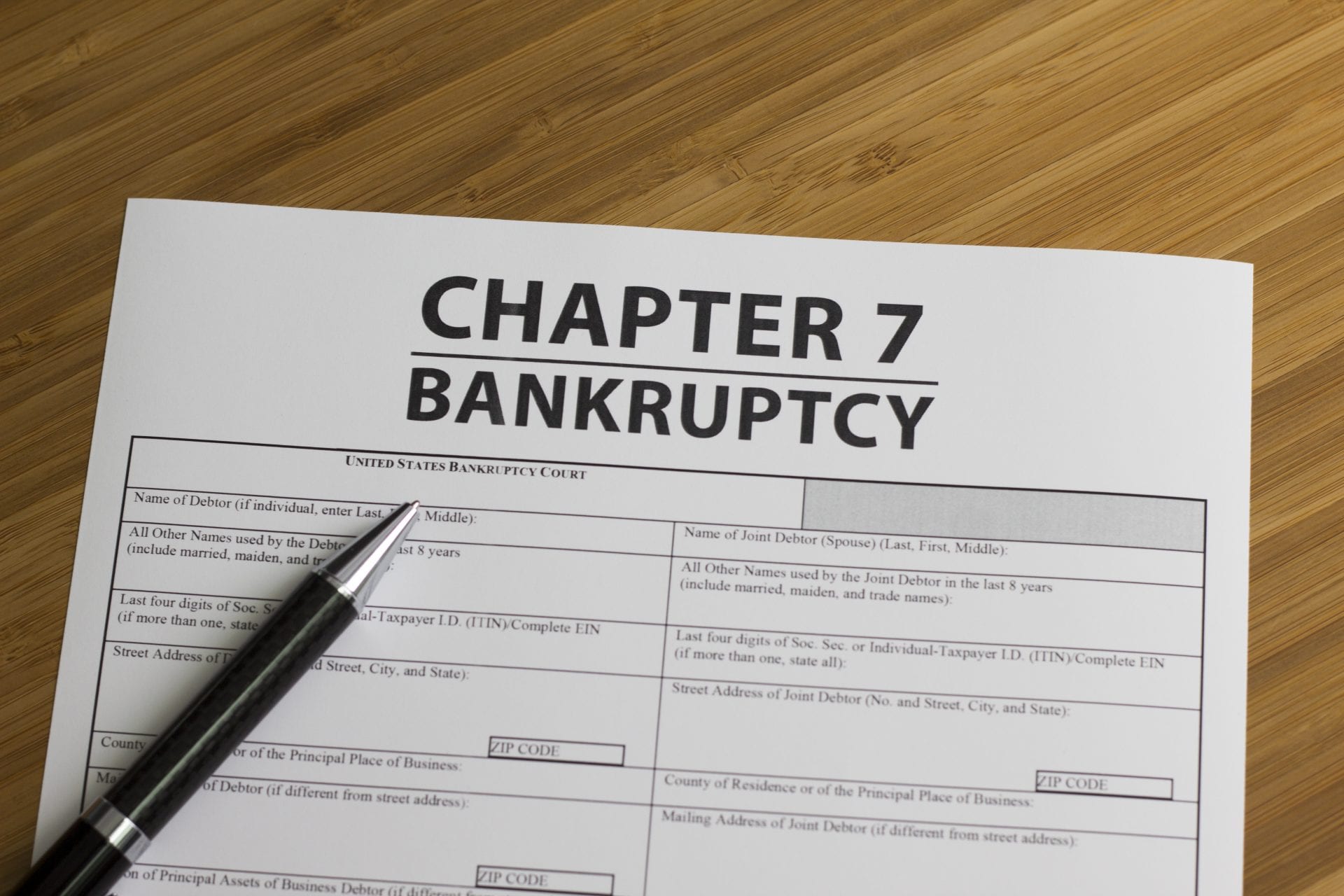
Chapter 7: A Fresh Start for Your Financial Lifestyle
Chapter 7 bankruptcy, often referred to as “liquidation bankruptcy,” is designed for individuals with limited income who cannot realistically repay their debts. It allows for the discharge of most unsecured debts, such as credit card balances, medical bills, and personal loans. For many, this offers the quickest route to a financial fresh start. The process involves a court-appointed trustee who may sell non-exempt assets to repay creditors, though most California filers find that all their property is exempt under state or federal laws.
The implications for one’s lifestyle under Chapter 7 are immediate and significant. The discharge of debt can provide immense psychological relief, freeing individuals from creditor harassment and the constant stress of juggling payments. This newfound freedom allows for a refocus on essentials and gradual rebuilding, potentially opening doors to future lifestyle choices that were previously impossible due to debt constraints. It’s a clean slate, enabling a deliberate reconstruction of one’s financial habits and the pursuit of a more stable, stress-free daily life.
Chapter 13: Reorganizing Your Financial Life
Chapter 13 bankruptcy, known as “reorganization bankruptcy,” is typically chosen by individuals with a regular income who wish to repay some or all of their debts over a three-to-five-year period. This chapter is particularly beneficial for those who want to save their homes from foreclosure, make up for missed car payments, or protect non-exempt assets that would be lost in a Chapter 7 filing. Under Chapter 13, the debtor proposes a repayment plan to the court, which, if approved, consolidates debts into manageable monthly payments.
The lifestyle impact of Chapter 13 is one of structured discipline and future planning. While it requires adherence to a strict repayment plan, it offers a powerful framework for financial restructuring. It allows debtors to maintain their assets and work towards a resolution that is sustainable within their income. For those with a desire to maintain a particular standard of living, especially regarding homeownership or vehicle retention, Chapter 13 provides the tools to reorganize and stabilize their financial landscape over time, ultimately leading to a more secure and predictable lifestyle once the plan is completed.
The Initial Steps: Assessing Your Financial Lifestyle
Before filing for bankruptcy in California, a thorough assessment of your financial situation is paramount. This involves more than just tallying debts; it’s about understanding the entirety of your financial lifestyle, including income, expenses, assets, and liabilities. This initial phase is crucial for determining the most appropriate type of bankruptcy and preparing for the legal journey ahead.
Pre-Filing Credit Counseling and Debtor Education
A mandatory step for all individuals filing for bankruptcy, regardless of chapter, is to complete an approved credit counseling course within 180 days before filing. This course, offered by approved agencies, aims to educate debtors on alternatives to bankruptcy, assist in creating a budget, and help them understand the implications of their financial decisions. Post-filing, debtors must also complete a debtor education course focusing on personal financial management.
These counseling and education requirements are vital for a holistic lifestyle reset. They provide practical tools and knowledge to prevent future financial pitfalls, encouraging responsible budgeting, saving, and debt management. By engaging with these courses, individuals are better equipped to navigate their post-bankruptcy financial landscape, laying the groundwork for a more resilient and informed lifestyle.
Means Test and Eligibility for a New Lifestyle
To qualify for Chapter 7 bankruptcy in California, debtors must pass the “means test.” This test compares your average monthly income over the past six months to the median income for a household of your size in California. If your income is below the median, you generally qualify for Chapter 7. If it’s above, further calculations are made to determine if you have sufficient disposable income to repay a portion of your debts, which might lead to a recommendation for Chapter 13.

The means test is essentially a gatekeeper to a Chapter 7 lifestyle reset. It ensures that this swift form of relief is directed towards those who genuinely lack the means to repay their debts. For those who don’t qualify, Chapter 13 offers an alternative, providing a structured path to reorganizing their financial lifestyle rather than outright discharging debts. Understanding your eligibility is the first practical step in charting your new financial course.
Navigating the Legal Landscape of California
Filing bankruptcy in California is a complex legal process with specific state and federal requirements. While the federal Bankruptcy Code governs the overall process, California state laws often dictate property exemptions and other specifics, influencing how your bankruptcy proceeds and what assets you can protect to maintain your lifestyle.
Finding the Right Legal Partner for Your Financial Journey
While it is possible to file bankruptcy without an attorney, it is highly recommended to seek professional legal counsel. A qualified bankruptcy attorney in California can guide you through the intricacies of the law, ensure all paperwork is correctly filed, represent you in court, and help you maximize your exemptions to protect your assets. They are instrumental in tailoring the bankruptcy process to your unique financial situation and lifestyle goals.
Choosing the right attorney is like selecting a trusted guide for a challenging journey. They can clarify complex legal jargon, anticipate potential issues, and advocate on your behalf, reducing stress and increasing the likelihood of a successful outcome. This partnership is crucial for transitioning effectively from financial distress to a more stable lifestyle.
The Automatic Stay and Immediate Lifestyle Relief
Upon filing for bankruptcy, an “automatic stay” immediately goes into effect. This legal injunction prevents most creditors from taking collection actions against you, including wage garnishments, lawsuits, foreclosures, and repossessions. It provides an immediate reprieve from the constant pressure of collection efforts, offering invaluable breathing room.
This automatic stay can provide instant lifestyle relief. It stops the daily barrage of calls and letters, allowing individuals to focus on their bankruptcy proceedings and personal well-being. This temporary calm is essential for regaining mental clarity and beginning the process of envisioning and planning for a post-bankruptcy lifestyle.
Post-Bankruptcy: Rebuilding Your Lifestyle and Future
Filing bankruptcy is not the end of your financial journey; it’s a new beginning. The period following bankruptcy is a critical time for rebuilding credit, establishing sound financial habits, and planning for a resilient future. Your lifestyle post-bankruptcy will be defined by the choices you make during this recovery phase.
Credit Restoration and Future Financial Health
Bankruptcy significantly impacts your credit score, remaining on your credit report for seven to ten years. However, this doesn’t mean you can’t rebuild your credit and regain financial health. Many individuals see their credit scores begin to improve within a year or two post-discharge by adopting responsible financial practices. This includes securing a secured credit card, making all payments on time, keeping credit utilization low, and monitoring your credit report regularly.
Rebuilding credit is an integral part of restoring your financial lifestyle. A healthy credit score is vital for obtaining loans for major life purchases, securing housing, and even for certain employment opportunities. It’s about demonstrating renewed financial responsibility and paving the way for future lifestyle aspirations.

Planning for a Sustainable Lifestyle Post-Bankruptcy
The most important aspect of a post-bankruptcy life is establishing and maintaining a sustainable financial lifestyle. This involves creating a realistic budget, living within your means, building an emergency fund, and avoiding new debt where possible. It’s an opportunity to implement the lessons learned from credit counseling and debt education.
This phase is about intentional lifestyle design. By making conscious financial choices, individuals can regain financial independence and stability. This might mean making different choices about travel, leisure, or consumption than before, but these choices are now made from a position of control and freedom, rather than necessity. Bankruptcy in California, when approached strategically, serves as a powerful catalyst for a profound and positive transformation in one’s overall lifestyle and financial future.
LifeOutOfTheBox is a participant in the Amazon Services LLC Associates Program, an affiliate advertising program designed to provide a means for sites to earn advertising fees by advertising and linking to Amazon.com. Amazon, the Amazon logo, AmazonSupply, and the AmazonSupply logo are trademarks of Amazon.com, Inc. or its affiliates. As an Amazon Associate we earn affiliate commissions from qualifying purchases.