
Navigating periods of job transition can significantly impact one’s lifestyle, demanding a strategic approach to financial stability and resource management. For residents of California facing involuntary unemployment, understanding the state’s Unemployment Insurance (UI) program is a crucial step towards maintaining a stable financial foundation during a challenging time. The California Unemployment Insurance system is designed to provide temporary financial relief to eligible workers who have lost their jobs through no fault of their own, allowing individuals to focus on re-employment without immediate overwhelming financial pressure. Accessing these benefits is a key aspect of managing one’s personal lifestyle during economic shifts, ensuring basic needs can be met while pursuing new career opportunities.
Understanding the California Unemployment Insurance System
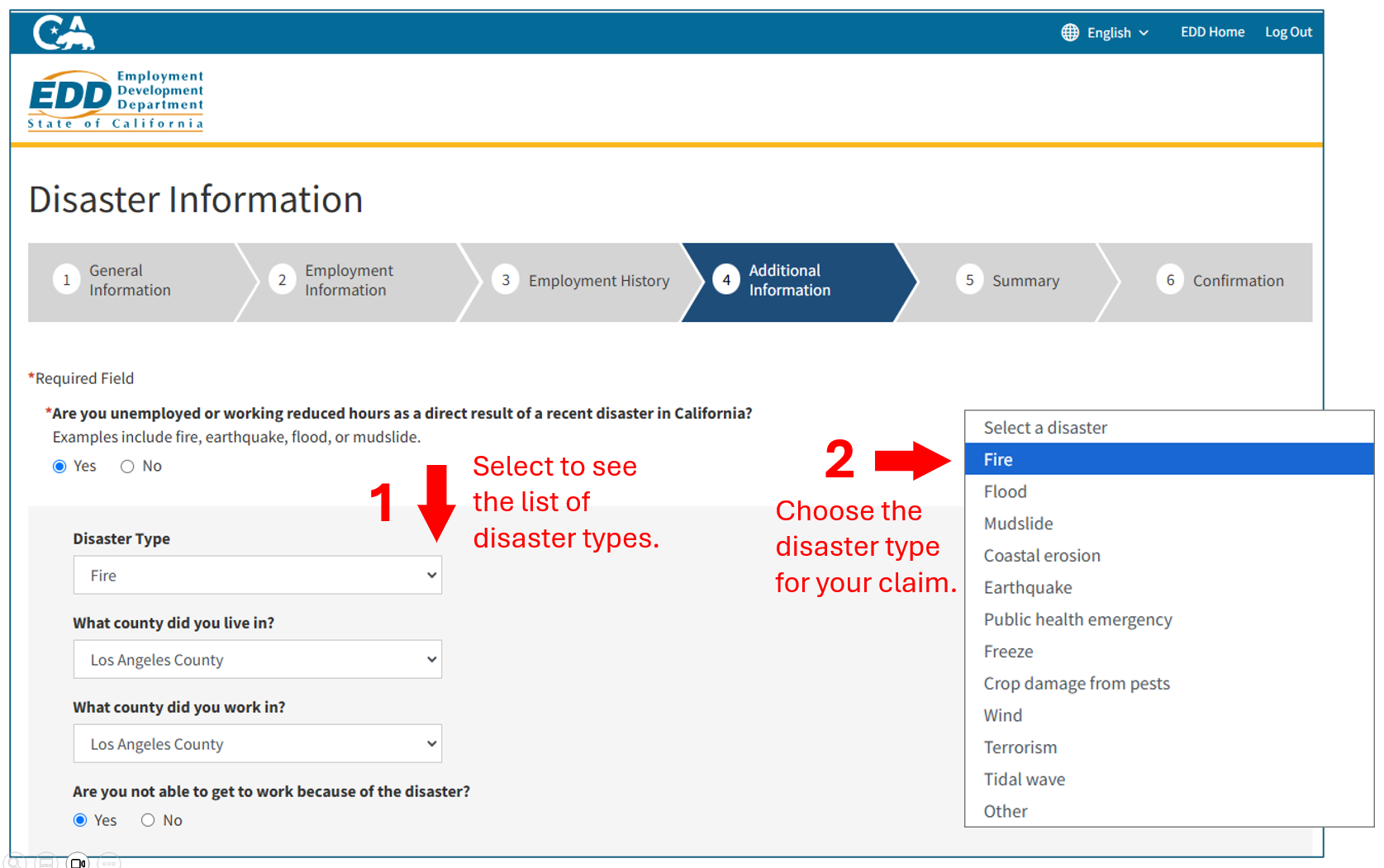
The California Unemployment Insurance program is administered by the Employment Development Department (EDD). It’s a state-federal partnership that provides weekly benefits to eligible individuals. These benefits are not an entitlement but are funded by taxes paid by employers, specifically on the wages they pay. Therefore, to qualify, an applicant must have a history of insured employment and meet specific eligibility criteria set forth by state and federal laws. Understanding the foundational principles of this system is the first step in ensuring your personal financial lifestyle remains resilient. The UI program is a safety net, but it requires proactive engagement and adherence to its rules to be effective. It is designed to bridge financial gaps, not replace a full income, highlighting the importance of concurrently seeking new employment opportunities.
What is Unemployment Insurance?
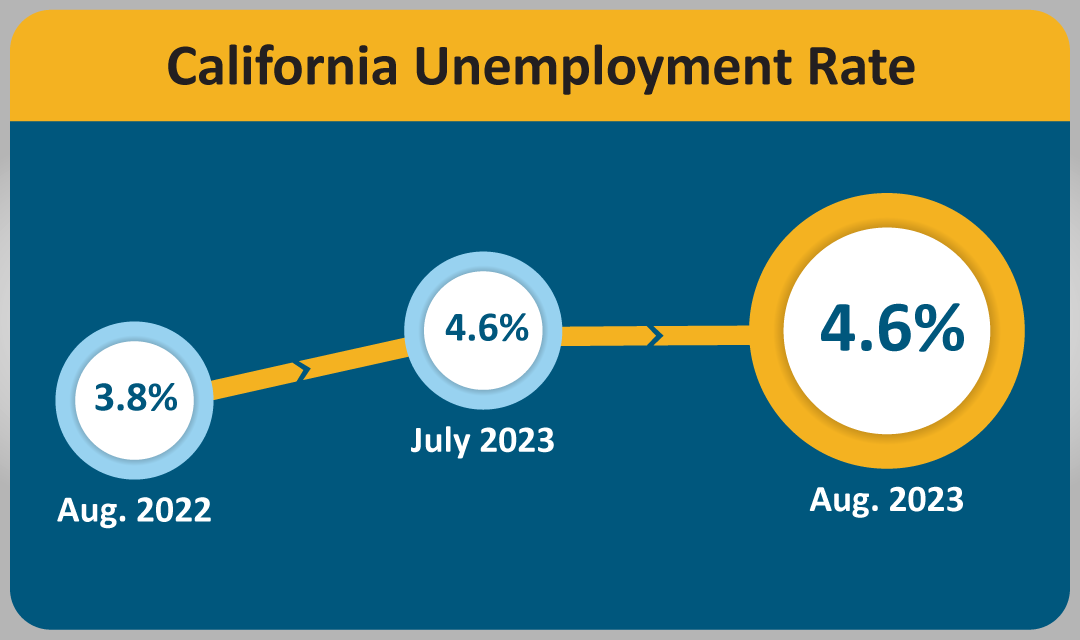
Unemployment Insurance (UI) is a government-mandated insurance program designed to provide temporary financial support to workers who have lost their jobs involuntarily. In California, this means if you’re laid off, your employer reduces your hours, or your job is eliminated, you may be eligible for weekly benefits. The amount of these benefits and the duration for which they are paid depend on your past earnings and the economic conditions, potentially including extended benefits during periods of high unemployment. The core purpose is to stabilize the economic circumstances of individuals and, by extension, communities, thereby supporting a continuous standard of living as much as possible during unforeseen career interruptions.
Common Misconceptions About UI
Many misconceptions surround Unemployment Insurance. Firstly, it’s not a welfare program; it’s an earned benefit based on prior employment and employer contributions. Secondly, qualifying isn’t automatic; strict criteria must be met and maintained. Thirdly, receiving benefits comes with responsibilities, primarily the active search for new employment and regular reporting to the EDD. Dispelling these myths is crucial for anyone considering applying, as a clear understanding paves the way for a smoother application process and helps manage expectations regarding financial support for one’s lifestyle.
Key Eligibility Criteria for UI Benefits
To qualify for Unemployment Insurance in California, applicants must satisfy several fundamental conditions. These criteria ensure that benefits are directed to those who genuinely need them and meet the program’s intent. Meeting these requirements is paramount for individuals seeking to maintain financial equilibrium and sustain their lifestyle during the job search.
Reason for Job Separation
The most critical factor for eligibility is the reason for job separation. You must have lost your job through no fault of your own. This typically includes:
- Layoffs: Your employer no longer has work for you.
- Lack of work: Similar to a layoff, your position may be eliminated or hours reduced due to economic conditions.
- Termination without cause: You were fired, but not for misconduct (e.g., poor performance that was beyond your control, or if you were not adequately warned).
- Voluntary Quit with Good Cause: If you quit your job, you must demonstrate “good cause.” This is a high bar and typically involves situations such as unsafe working conditions, discrimination, harassment, a medical condition that prevents you from doing your job (with a doctor’s note), or to care for a severely ill family member. Quitting for personal reasons or to take another job that falls through generally does not qualify.
Wage Requirements
The EDD reviews your earnings during a specific “base period” to determine if you earned enough wages to establish a claim. The base period is a 12-month timeframe. For claims filed in California, it typically looks at the earliest four of the last five completed calendar quarters before you filed your claim. You must have earned at least a minimum amount in your base period. This ensures that only individuals with a recent work history contribute to the system and can draw from it, reflecting the program’s insurance-like nature.
Availability and Search for Work
To receive benefits, you must be “able and available” for work and “actively seeking” suitable employment. This means:
- Able to work: You must be physically and mentally capable of performing work.
- Available for work: You must be ready and willing to accept suitable work immediately. This may involve being willing to work standard hours, travel, or relocate if reasonable.
- Actively seeking work: You must make a reasonable effort to find a new job each week, typically documenting your job search activities. The EDD provides guidance on what constitutes a reasonable job search, which can include applying for jobs, attending interviews, or participating in job fairs. This requirement is fundamental to the UI program’s goal of temporary support, encouraging individuals to transition back into employment swiftly and maintain an active professional lifestyle.
The Application Process and What to Expect
Applying for Unemployment Insurance in California involves a structured process that, while manageable, requires attention to detail and timely responses. Initiating your claim promptly after job loss is vital to avoid delays in receiving benefits, which are essential for maintaining your financial lifestyle.
How to File a Claim
Claims are typically filed online through the EDD website. You’ll need to gather essential information before you start, including:
- Last employer’s name, address, and phone number.
- Dates of employment and reason for separation.
- Total gross wages paid to you in the last 18 months.
- Your Social Security number, driver’s license or state ID number, and mailing address.
- If you are not a U.S. citizen, your Alien Registration Number and expiration date of your work authorization.
After filing, the EDD will review your application and likely contact your former employer to verify the information you provided regarding your separation and wages.
The Waiting Period and First Payment
California typically has a “waiting week” for Unemployment Insurance benefits. This means the first week you are eligible and meet all requirements, you will not receive payment. However, the EDD may waive this waiting week during times of high unemployment or specific legislative changes, such as those seen during the COVID-19 pandemic. Once your claim is processed and approved, you’ll begin to receive weekly benefit payments, often through a debit card or direct deposit. Planning for this initial delay is a critical part of managing your finances and lifestyle post-job loss.
Potential Denials and Appeals
It’s possible for a claim to be denied if the EDD finds that you don’t meet the eligibility criteria (e.g., you voluntarily quit without good cause, or were fired for misconduct). If your claim is denied, you have the right to appeal the decision. The appeal process involves submitting a written appeal and, often, attending a hearing where you can present your case and evidence. Navigating an appeal can be complex, and understanding your rights and the procedural steps is essential for those who believe an initial denial was incorrect.
Maintaining Your Eligibility and Reporting Requirements
Receiving Unemployment Insurance benefits is not a passive process; it comes with ongoing responsibilities. To continue qualifying for payments and uphold your end of the agreement, you must actively participate in reporting and job search activities. Adherence to these requirements is crucial for sustained financial support and for keeping your lifestyle plans on track.
Certifying for Benefits
Each week (or bi-weekly), you must “certify” for benefits. This involves answering questions about your job search, any wages you earned, and your continued availability for work during the previous period. It’s vital to be honest and accurate in your certifications, as providing false information can lead to penalties, including repayment of benefits and potential fraud charges. This regular reporting confirms your ongoing eligibility and commitment to re-employment.
Job Search Requirements
As mentioned, you must actively search for work each week you claim benefits. The EDD provides guidance on the number of job contacts expected and what documentation you should keep. Failure to meet job search requirements can lead to a suspension or denial of benefits. Maintaining a detailed record of your job applications, interviews, and other job-seeking activities is a fundamental part of your responsibility. This ensures you are continuously working towards re-establishing your full professional lifestyle.
Reporting Earnings and Other Income
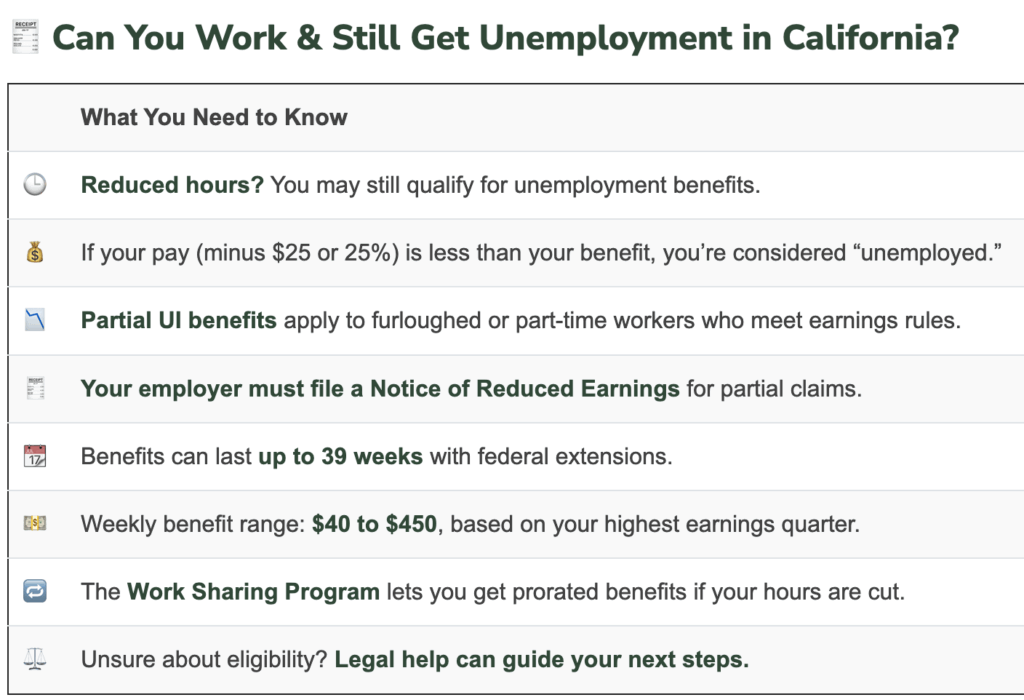
If you perform any work or receive any income while claiming Unemployment Insurance, you must report it to the EDD. This includes part-time work, temporary assignments, severance pay, vacation pay, and certain pensions. Your weekly benefit amount may be reduced based on your earnings, but some earnings might be disregarded. Accurate reporting prevents overpayments that you would later have to repay.
Beyond Benefits: Strategic Financial Planning for Lifestyle Stability
While Unemployment Insurance provides a critical lifeline, it is a temporary solution. Integrating these benefits into a broader strategic financial plan is essential for maintaining and eventually enhancing your lifestyle after a job loss. This forward-thinking approach is what truly underpins long-term lifestyle stability.
Budgeting During Unemployment
Developing a strict budget is paramount. Identify all essential expenses and cut back on non-essential spending. Prioritize housing, food, utilities, and healthcare. Understanding where every dollar from your UI benefits goes is crucial for making it last and reducing financial stress. This period often necessitates a temporary shift towards a more budget-conscious lifestyle.
Skill Development and Re-employment Resources
The period of unemployment can also be an opportunity for growth. Explore resources offered by the EDD and other California agencies for skill development, job training programs, and résumé workshops. Enhancing your qualifications can improve your chances of securing new employment that aligns with your desired career path and contributes to a more fulfilling professional lifestyle.
Long-Term Financial Health
Beyond the immediate crisis, unemployment benefits should be viewed as part of a larger plan for financial resilience. This includes building an emergency fund, reviewing insurance coverage, and exploring investment strategies when you are re-employed. Proactive management of your finances, even during challenging times, lays the groundwork for a secure and adaptable lifestyle in the future, enabling you to pursue various life goals and experiences, whether they involve luxury travel or simply a comfortable domestic existence.
Qualifying for Unemployment Insurance in California requires a clear understanding of the rules, diligent application, and ongoing commitment to job searching. By proactively engaging with the system and integrating benefits into a comprehensive financial strategy, individuals can mitigate the impact of job loss and effectively manage their lifestyle during the transition back to stable employment.
LifeOutOfTheBox is a participant in the Amazon Services LLC Associates Program, an affiliate advertising program designed to provide a means for sites to earn advertising fees by advertising and linking to Amazon.com. Amazon, the Amazon logo, AmazonSupply, and the AmazonSupply logo are trademarks of Amazon.com, Inc. or its affiliates. As an Amazon Associate we earn affiliate commissions from qualifying purchases.