
Navigating Wellness: Understanding California’s Medical Cannabis Framework
California stands as a pioneering state in cannabis legislation, being the first to legalize medical marijuana in 1996 with Proposition 215, also known as the Compassionate Use Act. While recreational cannabis has been legal since 2016 through Proposition 64, the Medical Marijuana Identification Card (MMIC) program remains a vital resource for residents managing specific health conditions. For individuals whose lifestyle includes or could benefit from medical cannabis, understanding the process of obtaining an MMIC is paramount. This card is not merely a formality; it grants cardholders specific legal protections, tax exemptions, and access to higher purchasing limits, differentiating their experience significantly from recreational users.
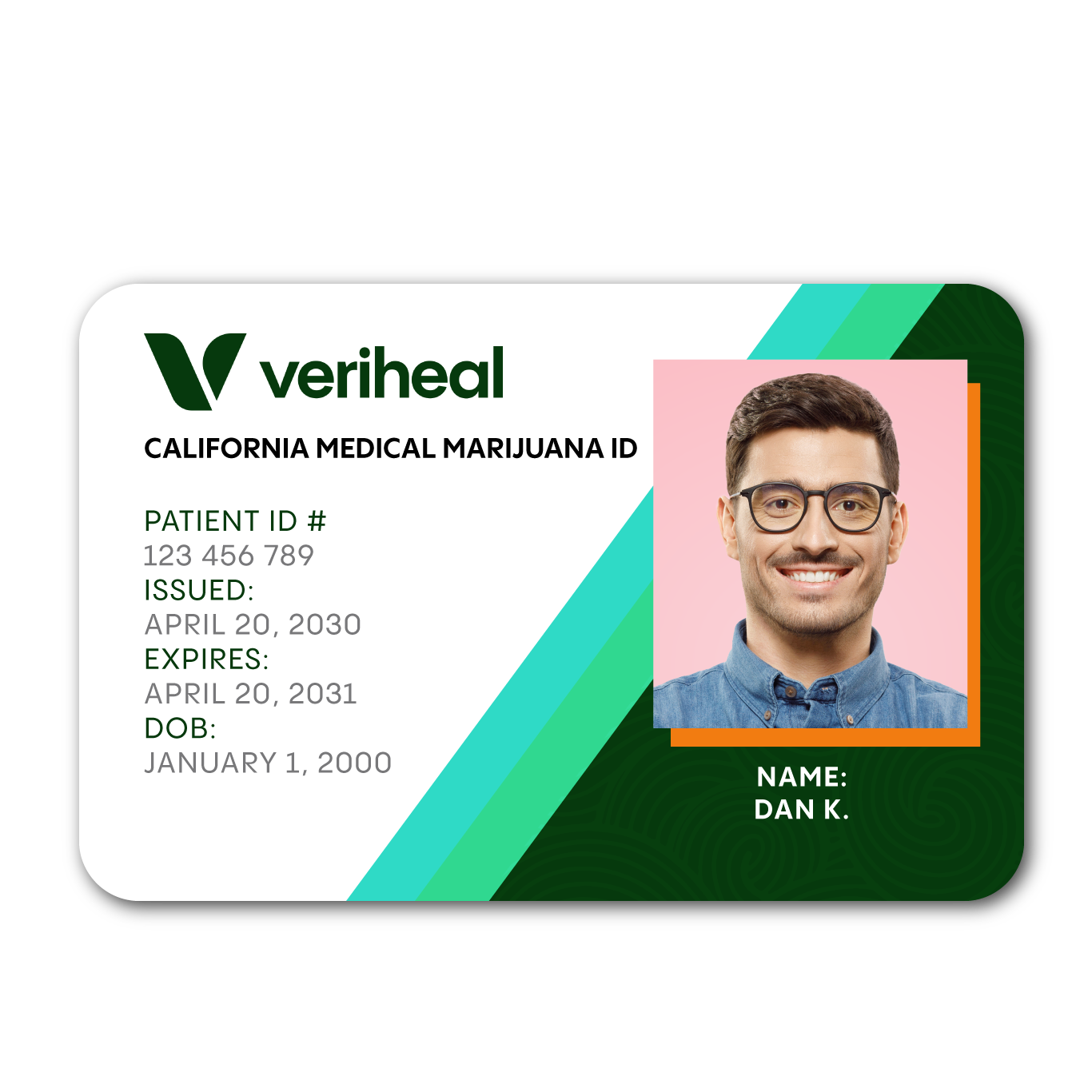
The MMIC program is overseen by the California Department of Public Health (CDPH), with applications processed at the county level. It’s designed to provide qualified patients and their primary caregivers with official identification that verifies their eligibility to possess, cultivate, and use medical cannabis under state law. This distinction is crucial for those who integrate cannabis into their health and wellness routines, ensuring their access and use align with legal parameters. The journey to obtaining an MMIC involves several distinct steps, each requiring careful attention to detail and adherence to state regulations. It’s a proactive step towards a legally secure and medically supported lifestyle within the golden state.
The Evolution of Cannabis Laws in California
Understanding the current landscape requires a brief look at its history. Prior to Proposition 64, the medical cannabis program was the sole legal avenue for cannabis access. When recreational adult-use cannabis became legal, many assumed the MMIC would become obsolete. However, the state recognized the distinct needs of medical patients. The MMIC continues to offer substantial advantages, such as exemption from sales and use taxes on cannabis products, which can lead to significant savings for long-term patients. Furthermore, MMIC holders often face fewer restrictions on possession limits and may access a wider range of high-potency products, crucial for certain medical conditions. This nuanced legal environment ensures that medical cannabis remains an integral part of the lifestyle for thousands of California residents who prioritize it for their well-being.
Qualifying for Your California MMIC: Integrating Health Needs with Legal Access
The cornerstone of obtaining a California MMIC is demonstrating a legitimate medical need. The state outlines specific qualifying medical conditions for which cannabis can be recommended. This is where the intersection of personal health and state regulation becomes clear, enabling individuals to integrate medical cannabis into their lifestyle legally and safely.
Recognized Medical Conditions
The Compassionate Use Act originally listed several debilitating conditions. Over time, interpretations and additions have expanded the scope. Currently, conditions that typically qualify for an MMIC include, but are not limited to:
- AIDS
- Anorexia
- Arthritis
- Cachexia (wasting syndrome)
- Cancer
- Chronic pain
- Glaucoma
- Migraine
- Persistent muscle spasms (e.g., those associated with multiple sclerosis)
- Seizures (e.g., those associated with epilepsy)
- Severe nausea
- Any other chronic or persistent medical symptom that either substantially limits the ability of the person to conduct one or more major life activities as defined in the Americans with Disabilities Act of 1990, or if not alleviated, may cause serious harm to the person’s safety or physical or mental health.
It’s important to note that a diagnosis alone isn’t enough; a licensed California physician must provide a legitimate recommendation stating that cannabis use is appropriate for your specific condition. This emphasis on a physician’s recommendation underscores the medical rather than recreational aspect of the MMIC.
Residency Requirements and Primary Caregiver Designation
To be eligible for a California MMIC, you must be a resident of California. Proof of residency, such as a California driver’s license or state ID, along with utility bills or other official documents, will be required during the application process. This ensures that the program serves the state’s residents who have established a lifestyle within its borders.
For patients who are minors or require assistance, the program allows for the designation of a primary caregiver. This individual must be 18 years or older and consistently responsible for the patient’s housing, health, or safety. Caregivers also apply for an MMIC and are subject to similar residency and identification verification as the patient, enabling them to legally assist in the patient’s medical cannabis regimen. This provision highlights the program’s commitment to supporting the diverse needs within the patient community, ensuring that even those with limited mobility or capacity can integrate medical cannabis into their care plan.
The Application Journey: A Guide to Seamless Access
Obtaining a California MMIC is a structured process that requires attention to detail. This step-by-step guide aims to demystify the application, helping individuals seamlessly integrate this legal protection into their health-conscious lifestyle.
Step 1: Obtain a Physician’s Recommendation
The first and most critical step is to consult with a licensed California physician. This doctor must conduct a legitimate medical examination and determine that medical cannabis is an appropriate treatment for your qualifying condition.
- Finding a Qualified Doctor: Many medical cannabis clinics specialize in evaluations for MMICs. You can also consult your primary care physician if they are comfortable recommending cannabis. Ensure the doctor is licensed to practice medicine in California.
- Medical Records: Be prepared to provide relevant medical records that document your qualifying condition. This helps the physician make an informed recommendation.
- The Recommendation: If approved, the physician will provide you with a written recommendation for medical cannabis. This document is essential for the MMIC application.
Step 2: Gather Required Documents
Once you have your physician’s recommendation, collect the following documents for your MMIC application:
- Original Physician’s Recommendation: The written recommendation from your California-licensed physician.
- Proof of Identity: A valid government-issued photo ID, such as a California driver’s license or ID card.
- Proof of California Residency: Documentation like a utility bill, vehicle registration, or a rental agreement with your name and current California address.
- Application Form: The official MMIC application form, usually provided by your county’s public health department.
- Application Fee: There is a fee for the MMIC application, which varies by county but is capped by the state. Patients on Medi-Cal may qualify for a 50% reduction in the fee.

Step 3: Apply at Your County Health Department
The MMIC application is submitted directly to your county’s health department.
- Schedule an Appointment: Many counties require an appointment for MMIC applications. Check your specific county’s public health department website for their process.
- Submission and Verification: At your appointment, you will submit all collected documents, including your physician’s recommendation, proof of identity, and proof of residency. A representative from the county health department will review your application for completeness and accuracy. They will also verify your physician’s recommendation directly with the doctor’s office.
- Photo: A photo will typically be taken at the health department for your MMIC.
- Processing Time: The processing time can vary, but once approved, your MMIC will be mailed to you. The card is typically valid for one year from the date of issuance.
This meticulous process ensures that only eligible individuals receive the MMIC, upholding the integrity of California’s medical cannabis program and allowing cardholders to confidently pursue their chosen lifestyle with legal protections.
Embracing the Benefits: How an MMIC Enhances Your California Lifestyle
Holding a California Medical Marijuana Identification Card goes beyond mere legality; it significantly enhances the lifestyle of patients who rely on cannabis for their well-being. The MMIC offers tangible benefits that are not available to recreational users, providing greater access, financial relief, and legal security.
Financial Savings Through Tax Exemptions
One of the most compelling benefits of an MMIC is the exemption from state sales and use taxes on medical cannabis purchases. In California, cannabis products are subject to a significant sales tax, in addition to excise taxes. For patients who regularly purchase cannabis, these tax exemptions can lead to substantial annual savings, making ongoing treatment more affordable and sustainable for their lifestyle. This financial relief allows patients to allocate their resources more effectively, reducing the economic burden often associated with chronic health conditions.
Increased Purchase and Possession Limits
MMIC holders are typically allowed to possess and purchase higher quantities of cannabis compared to recreational users. While recreational limits are generally set at 28.5 grams of flower and 8 grams of concentrate, medical patients, as recommended by their physician, may be authorized to possess up to 8 ounces of dried cannabis or an equivalent amount of concentrates. This increased limit is crucial for patients with severe or chronic conditions who require larger quantities for their treatment regimen, ensuring they have consistent access without fear of legal repercussions. This flexibility provides peace of mind and allows patients to manage their consumption patterns effectively within their lifestyle needs.
Cultivation Rights and Protections
For those who prefer to cultivate their own medicine, the MMIC provides enhanced cultivation rights. While recreational users can grow up to six plants per household, MMIC holders, with a doctor’s recommendation, may be authorized to cultivate a larger number of plants, often exceeding the recreational limit, if medically necessary. This allows patients to control the quality, strain, and growing conditions of their cannabis, which is a significant lifestyle benefit for many. Moreover, the MMIC offers stronger legal protections under state law against arrest and prosecution for cannabis-related offenses, provided they adhere to the limits and guidelines of the medical program. This robust legal framework allows patients to integrate cannabis cultivation into their personal lifestyle with greater confidence and security.
Access to Specific Products and Dispensaries
Some dispensaries or specific cannabis products might be exclusively available to medical patients. This can include higher potency products or specialized formulations that are tailored to medical conditions and are not marketed for general adult use. The MMIC ensures access to this broader range of therapeutic options, which can be critical for managing complex health issues and finding the most effective treatment for one’s personal lifestyle and wellness goals.
Sustaining Your Access: Renewals and Ongoing Considerations
An MMIC is not a permanent credential; it requires periodic renewal to maintain its validity and the associated benefits. Integrating medical cannabis into your lifestyle in California means understanding the ongoing responsibilities of maintaining your card.
The Renewal Process
Typically, a California MMIC is valid for one year from its issuance date. To renew your card, you will need to repeat a process similar to your initial application:
- Obtain a New Physician’s Recommendation: Before your current card expires, you will need to schedule another consultation with a licensed California physician to obtain a new medical cannabis recommendation. This ensures that your qualifying condition is still present and that cannabis remains an appropriate treatment.
- Gather Updated Documents: Ensure all your identification and residency proofs are current.
- Reapply at Your County Health Department: Submit your renewed physician’s recommendation and updated documents to your county health department, along with the required renewal fee.
It’s advisable to start the renewal process several weeks before your current MMIC expires to avoid any lapse in coverage and access. This proactive approach ensures uninterrupted integration of medical cannabis into your daily lifestyle.
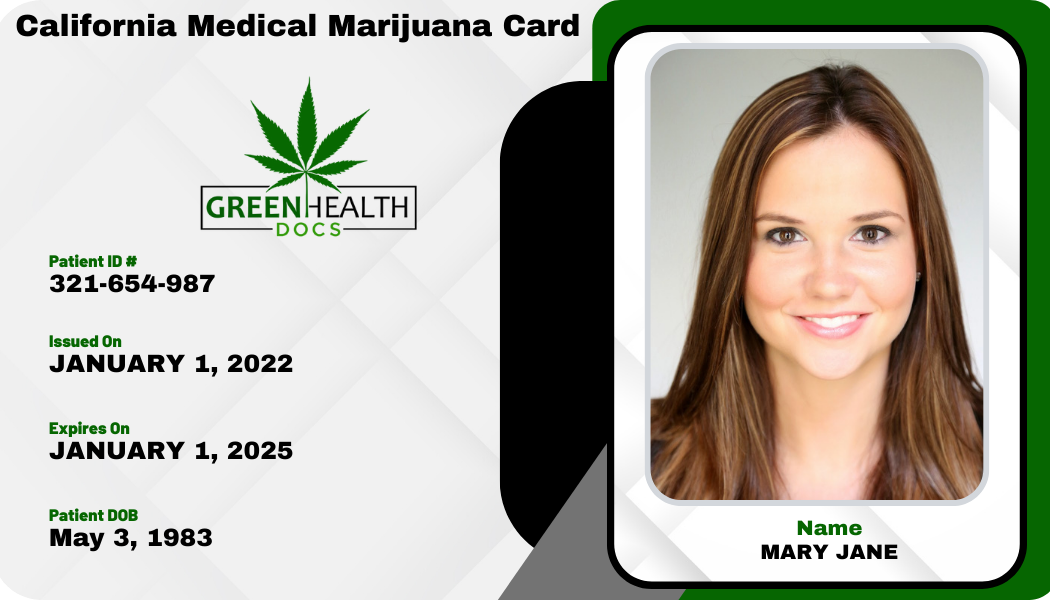
Important Considerations for MMIC Holders
Beyond renewal, there are several other aspects for MMIC holders to consider:
- Privacy: While the MMIC offers legal protection, information about your medical cannabis status is confidential. The California Department of Public Health maintains a secure online verification system for law enforcement, but patient information is not publicly accessible.
- Federal Law: It is crucial to remember that cannabis remains illegal under federal law. This means that MMIC holders may still face federal penalties, especially on federal lands or in airports. This dichotomy is an important aspect of managing a cannabis-inclusive lifestyle in California.
- Traveling Outside California: Your California MMIC is generally not recognized in other states or countries. If you travel, research the cannabis laws of your destination thoroughly.
- Changes in California Law: Cannabis laws can evolve. Staying informed about any legislative changes from the state or local municipalities is vital for MMIC holders to ensure continued compliance and security in their lifestyle.
By understanding these ongoing responsibilities and considerations, MMIC holders can confidently and legally incorporate medical cannabis into their health and wellness lifestyle, maximizing the benefits and protections offered by California’s robust medical cannabis program.
LifeOutOfTheBox is a participant in the Amazon Services LLC Associates Program, an affiliate advertising program designed to provide a means for sites to earn advertising fees by advertising and linking to Amazon.com. Amazon, the Amazon logo, AmazonSupply, and the AmazonSupply logo are trademarks of Amazon.com, Inc. or its affiliates. As an Amazon Associate we earn affiliate commissions from qualifying purchases.