
Navigating the financial landscape of a new destination is a crucial part of any well-planned trip, and understanding local taxes is a key component for tourists and visitors alike. When exploring the vibrant culture, diverse food scene, and myriad activities across California, knowing how sales tax is calculated can help you budget effectively and avoid surprises. California’s sales tax system, while seemingly complex due to varying local rates, is straightforward once you grasp its core components. This guide provides insightful tips for understanding and calculating sales tax as you experience all that the Golden State has to offer.
Understanding the California Sales Tax Landscape
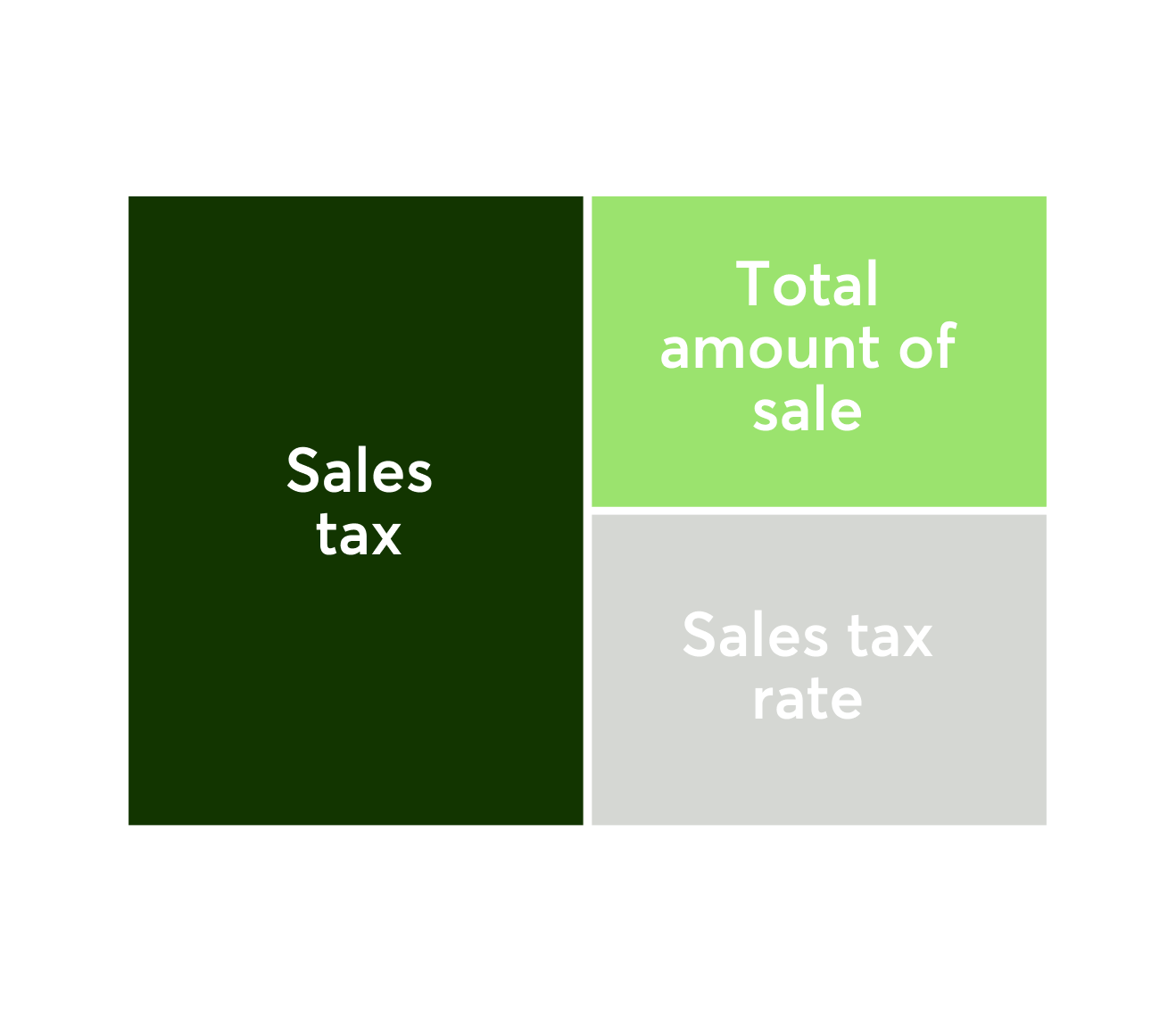
California’s sales tax system is a critical revenue source for both state and local governments, funding essential services that benefit residents and visitors alike. Unlike a flat rate across the entire state, the sales tax you pay can vary significantly depending on your specific location within California. This variation is due to a combination of statewide and local district taxes.
The Statewide Base Rate
The foundation of California’s sales tax is a uniform statewide rate set by the state legislature. This rate applies to the retail sale of tangible personal property within California unless an exemption applies. Currently, the statewide base sales tax rate is a significant portion of what you’ll typically pay. This base rate remains constant regardless of whether you’re shopping in bustling Los Angeles, enjoying the scenic beauty of San Francisco, or exploring the beaches of San Diego. It’s the starting point for every sales tax calculation in the state.
Local District Taxes: Why They Matter
Where the complexity and variation come into play is through local district taxes. Many cities and counties in California have adopted additional sales taxes to fund specific local services, such as transportation improvements, public safety, or community programs. These district taxes are added on top of the statewide base rate, resulting in a higher combined sales tax rate for purchases made within those districts.
For example, while the statewide rate applies everywhere, a purchase made in Sacramento might incur a different total sales tax than an identical purchase made in Oakland or a rural area in Inyo County. These district taxes are typically expressed as fractions of a cent (e.g., 0.25%, 0.5%, 1%), but they add up, making a noticeable difference in the final price, especially on larger purchases. It’s not uncommon for combined rates in some of the more populated areas, like parts of the Bay Area or Los Angeles County, to reach well over 9% or even 10%. This variation is crucial for tourists to understand, as it impacts the cost of souvenirs, dining out, and other purchases.
Sales Tax vs. Use Tax
While the primary focus for tourists will be sales tax, it’s worth briefly understanding the concept of use tax. Sales tax is collected by the seller at the point of sale on items purchased within California. Use tax, on the other hand, is a self-assessed tax by the buyer on items purchased outside California but brought into and “used” within the state, where sales tax was not collected (or collected at a lower rate than California’s). For most casual tourist purchases, this distinction is less relevant, as retailers are responsible for collecting sales tax. However, if you were to, for instance, order a significant item online from another state and have it shipped to your California hotel, you might theoretically owe use tax if the out-of-state vendor didn’t collect California sales tax.
Step-by-Step Calculation for Tourists and Consumers
Calculating California sales tax is a straightforward process once you have the correct information. For visitors, the key is knowing how to find the applicable rate for your current location.
Identifying the Applicable Tax Rate
The first and most critical step is to determine the combined sales tax rate for the specific city or county where your purchase is being made. You cannot simply assume a statewide rate.
- Ask the Vendor: The easiest method for tourists is to simply ask the cashier or sales associate at the store. They are required to know and charge the correct rate.
- Check Online Resources: Before or during your trip, you can use online tools provided by the California Department of Tax and Fee Administration (CDTFA). Many websites offer sales tax rate lookup tools where you can enter a zip code, city, or county to find the current combined sales tax rate. This is particularly useful if you’re planning a large purchase or simply want to be well-informed as you move between different regions, such as from Orange County to Riverside County.
- Observe Posted Signs: Some larger retailers or specific districts may post signs indicating the local sales tax rate, especially if it’s a unique district tax.
Once you have identified the correct combined sales tax rate (e.g., 8.75%, 9.5%), you’re ready to calculate.
Applying the Rate to Your Purchase
The calculation itself is simple multiplication:
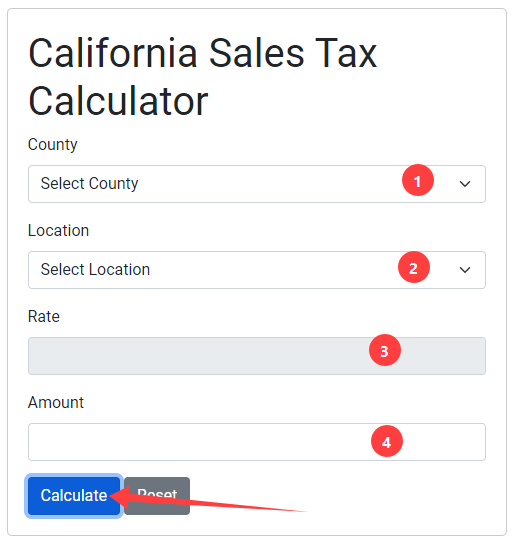
Sales Tax Amount = (Item Price) x (Combined Sales Tax Rate)
Total Cost = Item Price + Sales Tax Amount
Let’s use an example:
Imagine you’re in a city with a combined sales tax rate of 9.25%. You want to buy a souvenir for $50.00.
- Convert the percentage to a decimal: 9.25% = 0.0925
- Multiply the item price by the decimal rate: $50.00 x 0.0925 = $4.625
- Round to the nearest cent: $4.63 (Sales tax is typically rounded to the nearest cent; half cents are usually rounded up).
- Add the sales tax to the item price for the total cost: $50.00 + $4.63 = $54.63
So, your $50 souvenir would cost $54.63 after sales tax. This same method applies to a meal at a restaurant (excluding tips, which are not subject to sales tax, but including any mandatory service charges that are part of the food price), clothing, electronics, or any other tangible goods you purchase.
Common Exemptions and Special Cases
While most tangible personal property is subject to sales tax, there are some notable exemptions and special cases that visitors might encounter:
- Groceries: Most unprepared food items (groceries) are exempt from sales tax in California. So, if you’re buying fresh produce, meats, or packaged foods from a supermarket to prepare yourself, you generally won’t pay sales tax on these items.
- Prepared Food: Ready-to-eat food, whether from a restaurant, a deli, or a hot food bar in a grocery store, is subject to sales tax. This includes most meals you’d buy while exploring California’s culinary scene.
- Services: Pure services, such as a haircut, a car repair (labor portion), or an admission ticket to an attraction (like a museum or theme park), are generally not subject to sales tax. However, if a service involves the transfer of tangible personal property (e.g., parts used in a car repair, merchandise sold at an attraction), that tangible portion is taxable.
- Prescription Medications: Prescription drugs are exempt from sales tax.
- Resale Certificate Holders: If you are a business operating in California and purchase items for resale, you may provide a resale certificate to avoid paying sales tax. This is typically not relevant for tourists.
Understanding these distinctions can help you anticipate costs, particularly when planning your dining experiences or shopping excursions.
Practical Tips for Navigating Sales Tax in California
Armed with knowledge about how California sales tax works, you can navigate your visit with greater confidence and financial clarity. Here are some practical tips to make the process even smoother.
Checking Receipts for Accuracy
Always take a moment to review your receipts, especially for larger purchases. Ensure that the correct sales tax rate has been applied to your taxable items. Mistakes can happen, and quickly identifying an overcharge or undercharge can save you hassle later. The receipt should clearly list the subtotal of taxable items, the sales tax amount, and the total. If you notice a discrepancy, politely bring it to the attention of the vendor. Most businesses in California are diligent about correctly applying sales tax, but it’s always good practice to double-check.
Planning Your Budget with Tax in Mind
When setting your budget for a trip to California, remember that the price tags you see on goods often do not include sales tax. Factor in an additional 7.25% to over 10% on top of the listed price for most purchases, depending on your location. For example, if you’re shopping in Santa Clara and see an item for $100, be prepared to pay $109.25 or more. This is particularly important for significant purchases like electronics, high-end souvenirs, or multiple dining experiences. By accounting for sales tax, you can avoid depleting your travel funds unexpectedly and ensure you stick to your budget.
Resources for Up-to-Date Information
Tax rates can change, albeit typically not frequently, but local district taxes are sometimes added or expire. For the most current and accurate sales tax rates, particularly if you are in a less common or very specific jurisdiction like Modoc County, it’s advisable to consult the official resources.
- California Department of Tax and Fee Administration (CDTFA) Website: The CDTFA is the primary state agency responsible for administering sales and use tax in California. Their website (cdtfa.ca.gov) provides official information, including a sales and use tax rate lookup tool that allows you to search by city, county, or zip code. This is the definitive source for current rates.
- Local Government Websites: Sometimes, city or county government websites will also provide details on their specific district taxes.
By utilizing these resources, you can ensure you always have the most accurate information at your fingertips, making your financial planning for your California adventure as seamless as possible. Understanding how to calculate sales tax isn’t just a technicality; it’s a practical tip that enhances your overall travel experience by giving you clearer insight into the true cost of enjoying the Golden State.
LifeOutOfTheBox is a participant in the Amazon Services LLC Associates Program, an affiliate advertising program designed to provide a means for sites to earn advertising fees by advertising and linking to Amazon.com. Amazon, the Amazon logo, AmazonSupply, and the AmazonSupply logo are trademarks of Amazon.com, Inc. or its affiliates. As an Amazon Associate we earn affiliate commissions from qualifying purchases.