
Navigating life, particularly when embracing unique lifestyles such as extended stays, remote work, or even settling down in new places, often brings unforeseen challenges. While the allure of the California dream—be it its vibrant cities, stunning natural landscapes, or innovative spirit—is undeniable, sometimes life takes an unexpected turn, leading to legal disputes. Whether you’re a long-term resident, a seasonal visitor, or an entrepreneur establishing a presence, understanding the civil lawsuit process in California is a crucial aspect of responsible lifestyle management. This guide aims to demystify the process, framing it within the context of maintaining your peace of mind and protecting your interests as you live out of the box.

Understanding Civil Disputes in Your California Lifestyle
For many who choose a flexible or unconventional lifestyle, legal matters can seem daunting and distant from their day-to-day pursuits. However, civil disputes can arise from a myriad of situations that directly impact your chosen way of living. Imagine disputes over a rental agreement for your apartment in San Francisco, a service contract for a local business you engaged while setting up your remote office in Los Angeles, a boundary disagreement if you’ve purchased a vacation home in Palm Springs, or even a consumer issue with a tour operator after an adventure in Yosemite National Park. These are not isolated incidents but potential disruptions to your carefully crafted lifestyle.
Proactive legal awareness isn’t about expecting the worst, but about empowering yourself with knowledge. It’s about building a resilient lifestyle that can withstand unforeseen legal challenges, allowing you to focus on your passions and pursuits. Recognizing when a situation might escalate to a civil dispute is the first step in protecting your time, resources, and emotional well-being. Understanding the basic framework of California civil law can help you make informed decisions, whether it’s opting for alternative dispute resolution or initiating a formal lawsuit. This foresight becomes an invaluable component of a truly free and secure lifestyle.
Common Scenarios Impacting Lifestyle
- Rental and Property Disputes: From security deposit issues in a short-term rental to more complex disputes with landlords over habitability or eviction notices, property matters are frequent causes of civil action. For those embracing a transient lifestyle, understanding tenant rights in California is paramount.
- Consumer Protection Issues: Whether it’s a faulty product purchased in San Diego, a misleading service from a local vendor, or a deceptive travel package, consumer grievances often fall under civil law. Protecting your consumer rights ensures your lifestyle budget is respected.
- Contractual Breaches: If you’re a freelancer, a small business owner, or someone engaging in various services as part of your lifestyle, understanding contract law is crucial. A breach of contract by another party can severely impact your financial stability and planned activities.
- Personal Injury: Accidents happen, and if you suffer an injury due to someone else’s negligence—be it in a public space, a private establishment, or a traffic incident—a civil lawsuit might be necessary to recover damages and ensure your long-term health and financial security.
Initial Steps: Is a Lawsuit Right for Your California Life?
Before embarking on the complex journey of a civil lawsuit, it’s vital to assess whether it’s the most appropriate path for your specific situation and lifestyle. Litigation can be time-consuming, expensive, and emotionally taxing. As someone who values freedom and efficiency, considering alternatives is often a wiser first move.
Pre-Filing Considerations: Beyond the Courtroom
- Negotiation: Often, direct communication with the other party can resolve disputes without legal intervention. Clearly articulating your concerns and desired outcomes can open doors to an amicable solution.
- Mediation: A neutral third-party mediator can facilitate discussions between disputing parties, helping them reach a mutually acceptable agreement. This process is confidential, less formal than court, and often faster and less costly. For those prioritizing peace and swift resolution to maintain their lifestyle flow, mediation is an attractive option.
- Arbitration: Similar to mediation, but with a key difference: an arbitrator (or panel) hears both sides and makes a decision, which can be binding or non-binding depending on the agreement. This is a more formal alternative to court but generally quicker than litigation.
- Small Claims Court: For disputes involving relatively smaller amounts of money (up to $12,500 for individuals as of the current California limit), small claims court offers a simplified and more accessible pathway. Attorneys are generally not allowed, making it easier for individuals to represent themselves. This can be an excellent option for minor lifestyle disruptions that require legal resolution without the full burden of superior court.
Determining Jurisdiction and Venue
If these alternatives prove unfruitful or unsuitable, and you decide to proceed with a lawsuit, understanding jurisdiction and venue is critical.
- Jurisdiction refers to the court’s authority to hear a case. In California, civil lawsuits typically fall under the California Superior Court system.
- Venue refers to the specific geographical location (county) where the lawsuit should be filed. Generally, this is where the defendant lives, where the contract was entered into, or where the injury occurred. For someone whose lifestyle involves movement, correctly identifying the venue in California is essential to avoid procedural delays.
Navigating the California Civil Court System
Once you’ve decided to file a civil lawsuit in California, a series of structured steps await. While this process can appear intricate, understanding each phase can help manage expectations and reduce stress, allowing you to maintain focus on your broader lifestyle goals.
The Initial Filing: Complaint and Summons
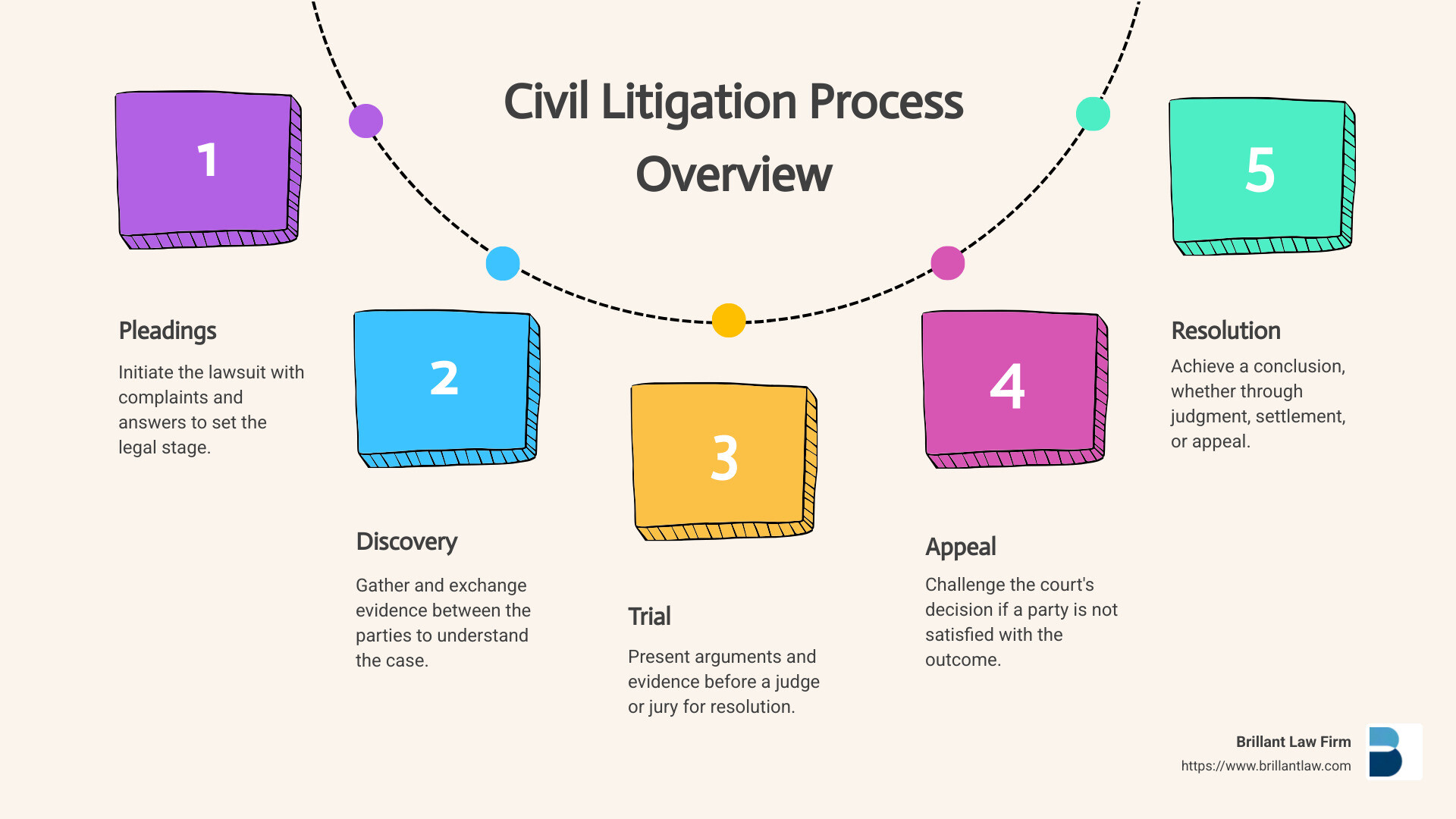
The journey begins with drafting and filing a Complaint. This document formally outlines your legal claims against the defendant(s), specifying the facts of the dispute and the relief you are seeking (e.g., monetary damages, specific performance). The complaint must adhere to specific legal formatting and content requirements set by the California Rules of Court.
Simultaneously, a Summons is issued by the court. The summons formally notifies the defendant that a lawsuit has been filed against them and instructs them to respond within a specified timeframe (usually 30 days in California).
Service of Process
After filing, the complaint and summons must be formally “served” on the defendant. This isn’t as simple as mailing a letter; it involves specific legal procedures to ensure the defendant officially receives notice. Acceptable methods of service in California include personal service by a sheriff or process server, substituted service, or sometimes service by mail under specific conditions. Proper service is paramount; without it, the court cannot proceed with your case. This step often requires diligence and adherence to rules, which a legal professional can navigate efficiently.
Defendant’s Response and Discovery
Once served, the defendant has a limited time to file a response, typically an “Answer” to your complaint, admitting or denying your allegations and potentially raising affirmative defenses. If the defendant fails to respond, you might be able to seek a default judgment.
Following the defendant’s response, the discovery phase begins. This is a crucial and often extensive period where both parties gather information and evidence to support their cases. Discovery tools include:
- Interrogatories: Written questions sent to the other party, which must be answered under oath.
- Requests for Production of Documents: Demands for relevant documents, emails, contracts, or other physical evidence.
- Depositions: Out-of-court sworn testimony taken from witnesses or parties involved in the case.
This phase can be lengthy and requires meticulous organization, which can impact your daily schedule and lifestyle significantly. Understanding its demands upfront allows for better planning.
Pre-Trial and Trial
Before a trial, courts often encourage or mandate various pre-trial procedures, such as settlement conferences or mandatory settlement programs. The goal is to resolve the dispute without the need for a full trial, again, aligning with a lifestyle that seeks efficient resolution.
If settlement isn’t reached, the case proceeds to trial. A trial involves presenting evidence, examining witnesses, and making legal arguments before a judge or jury. This is the most formal and intensive stage, demanding your full attention and potentially long periods in court. The outcome of a trial can have significant financial and personal implications, underscoring the importance of robust preparation and skilled legal representation.

Lifestyle Implications and Post-Lawsuit Life
Engaging in a civil lawsuit is more than just a legal procedure; it’s a profound experience that can have far-reaching effects on your personal, professional, and financial lifestyle. Acknowledging these impacts is crucial for anyone considering litigation, especially those who value agility and freedom in their lives.
The emotional and financial toll of a lawsuit cannot be understated. The stress of litigation, the uncertainty of the outcome, and the demands on your time can be significant. Legal fees, expert witness costs, and court expenses can quickly accumulate, making budgeting for legal assistance a critical component of responsible lifestyle planning. It’s an investment, not just an expense, aimed at protecting your current and future well-being.
Seeking qualified legal counsel is not merely a recommendation; it’s an investment in your peace of mind and the integrity of your lifestyle. An experienced California attorney can navigate the complexities of the legal system, articulate your case effectively, and ensure all procedural requirements are met. This allows you to delegate the intricate legal battles, freeing you to focus on your work, travel, and personal pursuits. A lawyer becomes a crucial ally in maintaining the balance of your chosen lifestyle during challenging times.
Ultimately, resolving legal issues contributes to a clearer, more secure lifestyle. While the process itself can be arduous, reaching a resolution—whether through settlement or trial—can bring closure and protect your rights and assets. Moving forward post-lawsuit involves recalibrating your focus, learning from the experience, and reinforcing strategies to mitigate future risks. It’s about ensuring that legal challenges, when they arise, serve as lessons rather than permanent impediments to living a rich, fulfilling life on your own terms in the dynamic landscape of California.
LifeOutOfTheBox is a participant in the Amazon Services LLC Associates Program, an affiliate advertising program designed to provide a means for sites to earn advertising fees by advertising and linking to Amazon.com. Amazon, the Amazon logo, AmazonSupply, and the AmazonSupply logo are trademarks of Amazon.com, Inc. or its affiliates. As an Amazon Associate we earn affiliate commissions from qualifying purchases.