
Becoming a resident of California is a process that extends far beyond a temporary visit, fundamentally centering on the establishment of a permanent home and intent to remain. For those looking to transition from a transient guest to a long-term inhabitant, understanding the nuances of what constitutes residency, especially concerning your primary dwelling and associated logistics, is paramount. This intricate journey involves not just finding a place to live, but integrating your life into the state’s fabric through official channels, financial commitments, and daily routines that firmly declare your intent for a long-term stay.
Understanding California Residency: Beyond a Visit
Establishing residency in California is primarily about demonstrating intent to make it your permanent home, rather than just a temporary abode. While there isn’t a single checklist that instantly confers resident status for all purposes (tax, tuition, driver’s license, etc., each may have slightly different criteria), the core concept revolves around domicile. Domicile refers to the place where an individual has their true, fixed, and permanent home and principal establishment, and to which, whenever they are absent, they have the intention of returning. For individuals focused on a long-term stay, proving this intent is crucial and heavily relies on the establishment of a primary residence.
The distinction between a temporary stay and permanent residency is vital, especially concerning the type of accommodation you seek. While short-term rentals, hotels, or vacation homes serve visitors well, becoming a resident necessitates securing accommodation that signals a commitment to the region. This might mean signing a long-term lease, purchasing property, or establishing a consistent mailing address that becomes your legal and physical locus. The state evaluates a combination of factors, including where you sleep, receive mail, register your vehicles, and generally conduct your daily life, all pointing back to your accommodation choices as foundational evidence of your residential status. Without a stable and verifiable long-term dwelling, establishing legitimate residency can become an arduous task.
Securing Your Long-Term Home in California
The first and most critical step in becoming a California resident is securing appropriate long-term accommodation. This choice dictates much of your initial integration and provides the physical evidence needed to establish domicile. California’s diverse landscape offers a spectrum of housing options, each with its own advantages and considerations for a long-term stay.
Renting: Leases and Logistics
For many new arrivals, renting is the most accessible path to establishing a long-term home. California’s rental market is vast, ranging from apartments and condominiums in bustling urban centers like Los Angeles and San Francisco to single-family homes in suburban communities such as Orange County or San Diego. When seeking a rental, prioritize long-term leases (typically 12 months or more) as these provide stable proof of your intent to reside. Be prepared for competitive markets, especially in major metropolitan areas, often requiring good credit, proof of income, and sometimes references.
Understanding tenant rights and responsibilities under California law is also essential. Familiarize yourself with local rent control ordinances, eviction protections, and security deposit regulations. Websites like Zillow, Apartments.com, and Craigslist (with caution) are popular platforms for finding rentals, alongside local real estate agents who specialize in leasing.
Purchasing Property: A Permanent Commitment
Buying a home is the ultimate declaration of intent for a long-term stay and a direct pathway to establishing residency. California’s real estate market is notoriously dynamic, with prices varying significantly by region. Major cities like San Jose or Sacramento present different price points and housing styles. Engaging a local real estate agent who understands the specific market you’re interested in is invaluable.
The home-buying process in California involves several steps: pre-approval for a mortgage, searching for properties, making an offer, inspections, and closing. Property taxes are a significant consideration and are generally assessed at 1% of the home’s purchase price, plus locally approved bonds and fees. For those ready for such a commitment, homeownership firmly anchors your residency status and often provides a sense of community stability.
Temporary vs. Permanent Accommodation
While hotels, extended-stay suites, or short-term vacation rentals might seem convenient initially, they generally do not satisfy the criteria for establishing long-term residency. These options are designed for temporary visitors. To truly become a resident, your accommodation must demonstrate an intent to establish a permanent living arrangement. This means opting for leases, property ownership, or other arrangements that provide a stable, long-term address where you receive mail, register vehicles, and conduct the bulk of your daily life. The continuity of your accommodation is a key piece of evidence in proving your domicile.
The Administrative Pillars of Permanent Accommodation
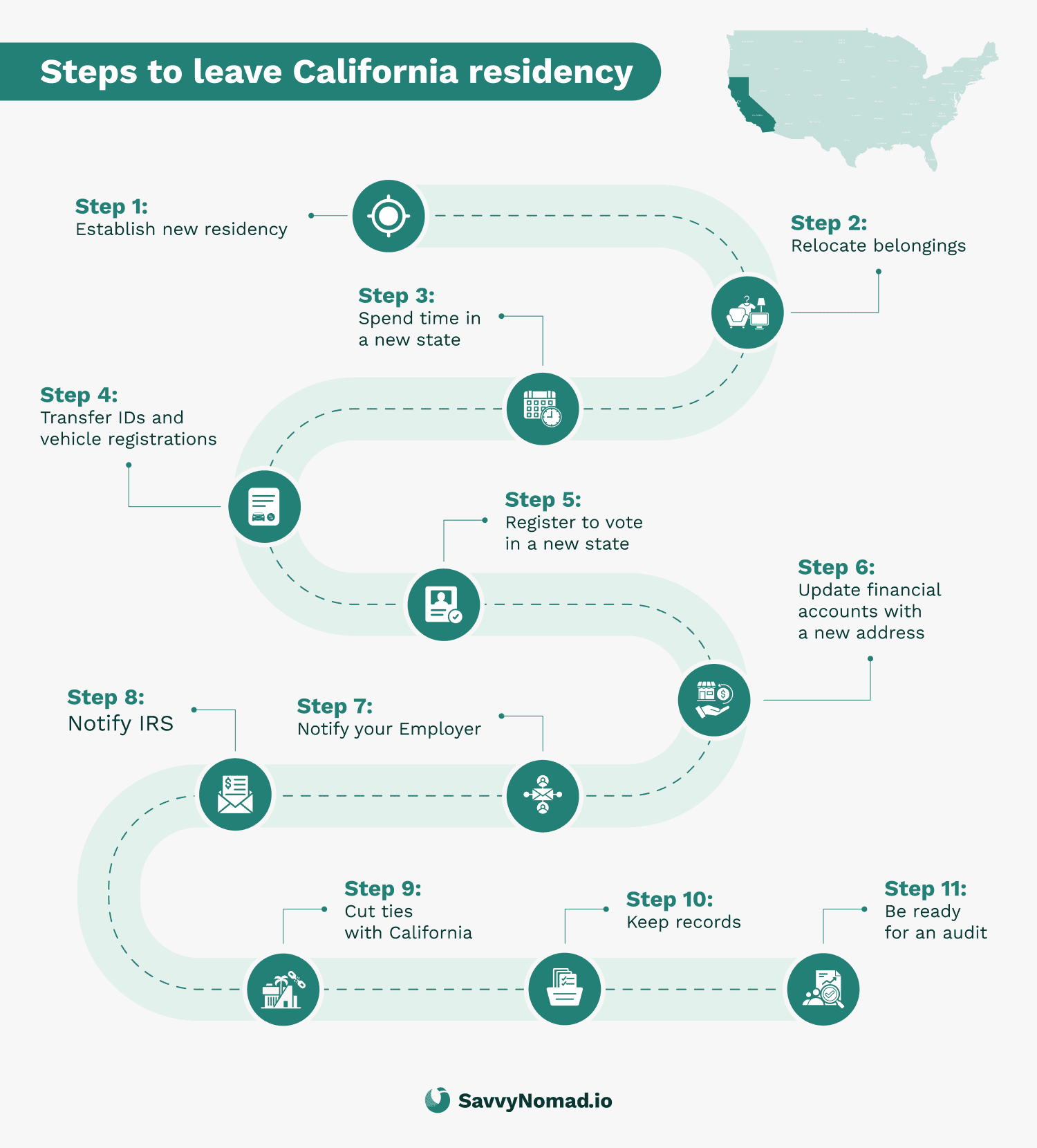
Once you’ve secured your long-term dwelling, a series of administrative actions become necessary to fully cement your residency status. These steps are directly tied to your physical address and are crucial for proving your intent to remain in California.
Utility Setup and Mail Forwarding
Setting up essential utilities in your name at your new California address is a foundational step. This includes electricity, gas, water, internet, and trash services. Companies like Pacific Gas and Electric Company (PG&E) for northern California or Southern California Edison for southern California provide electricity, while natural gas is often handled by SoCalGas or PG&E. Having these accounts under your name at your long-term address provides tangible proof of your physical presence and commitment to that location.
Equally important is establishing a reliable mail system. File a change of address with the United States Postal Service to ensure all your correspondence is directed to your new California home. This not only ensures you receive important documents but also contributes to the paper trail of your residency.

Vehicle Registration and Driver’s License
If you own a vehicle, you are generally required to register it with the California Department of Motor Vehicles (DMV) within 20 days of establishing residency. This process involves proving ownership, undergoing an emissions inspection (smog check), and paying applicable fees. Your vehicle’s registration will be tied to your new California address, serving as another official indicator of your domicile.
Similarly, obtaining a California driver’s license within 10 days of establishing residency is a crucial step. You’ll need to pass a knowledge test and a driving test, as well as provide proof of identity, legal presence, and – critically – two documents proving your California residency (e.g., utility bills, rental agreements, mortgage statements, bank statements showing your local address). The DMV website provides a comprehensive list of acceptable documents. These steps are not merely bureaucratic hurdles; they are explicit ways the state tracks and acknowledges your permanent establishment.
Voter Registration and Financial Accounts
Registering to vote in California is a clear and public declaration of your intent to be a resident. You can register online, by mail, or in person at the DMV or county elections office. Your voter registration card will be sent to your California address.
Opening local bank accounts and updating your address for credit cards and other financial institutions to your new California home further solidifies your residency. Financial statements displaying your California address are frequently accepted as proof of residency for various official purposes. The accumulation of these official documents and accounts, all linked to your long-term accommodation, creates a robust portfolio of evidence for your resident status.
Financial Considerations for Your California Home
Understanding the financial landscape is critical when planning a long-term stay in California. The cost of living, particularly housing, can be significantly higher than in many other states, directly impacting your accommodation choices and overall budget for permanent living.
Cost of Living and Housing Expenses
California’s average cost of living is considerably above the national average, largely driven by housing expenses. Rent for a one-bedroom apartment in a major metropolitan area like San Francisco or Los Angeles can easily range from $2,000 to over $3,500 per month, while purchasing a median-priced home can be upwards of $800,000 statewide, and well over $1 million in many coastal or tech hubs. Even in more affordable regions like the Central Valley or parts of Northern California, housing costs often exceed national averages.
Budgeting for utilities, property taxes (if buying), homeowner’s insurance (or renter’s insurance), and potential HOA fees is crucial. These ongoing costs are directly tied to your accommodation and represent a substantial portion of your monthly expenses as a California resident. Thorough research into the specific housing market you intend to enter is paramount to ensure your long-term accommodation is financially sustainable.
State Income and Property Taxes
As a resident, you will be subject to California state income tax, which is levied at various progressive rates depending on your income. Property taxes, as mentioned, are also a significant financial consideration for homeowners. These taxes contribute to local services and infrastructure, which in turn supports the community surrounding your long-term home. Understanding your tax obligations is an integral part of becoming a fully integrated resident. Seeking advice from a tax professional familiar with California tax laws is highly recommended to ensure compliance and proper financial planning for your permanent stay.
Settling In: Practicalities of Long-Term California Living
Beyond the paperwork and financial obligations, truly becoming a resident involves integrating into the day-to-day life of your chosen California community. This means connecting with local services, enrolling in schools, and establishing routines that reflect a permanent presence, all radiating from your established long-term accommodation.
Local Services and Community Engagement
Once you’ve settled into your long-term home, explore the local services available in your neighborhood. This includes familiarizing yourself with local government resources, public libraries, parks and recreation facilities, and emergency services. Engaging with your community, whether through local events, volunteer opportunities, or neighborhood associations, helps solidify your roots and fosters a sense of belonging that goes beyond merely having an address. Connecting with your neighbors and understanding local amenities will enhance your experience of long-term living.
Education and Healthcare Access
For families, enrolling children in California public schools is a significant step in establishing residency. School districts typically require proof of address within their boundaries, directly linking to your long-term accommodation. Similarly, accessing healthcare services often involves establishing care with local providers. While insurance is typically handled separately, having a local doctor, dentist, and pharmacy in your area reinforces your long-term commitment to living in California.
Becoming a resident of California is a deliberate and multi-faceted process centered on the establishment of a permanent home and intent. From securing your ideal long-term accommodation to meticulously handling administrative tasks and managing financial responsibilities, each step reinforces your commitment to the Golden State. By thoughtfully navigating these practicalities, you can seamlessly transition from visitor to a valued long-term resident, enjoying all the benefits of calling California your home.
LifeOutOfTheBox is a participant in the Amazon Services LLC Associates Program, an affiliate advertising program designed to provide a means for sites to earn advertising fees by advertising and linking to Amazon.com. Amazon, the Amazon logo, AmazonSupply, and the AmazonSupply logo are trademarks of Amazon.com, Inc. or its affiliates. As an Amazon Associate we earn affiliate commissions from qualifying purchases.