
Navigating the complexities of the justice system can be an overwhelming experience, especially when attempting to locate a loved one or an individual within the correctional facilities of California. For families, legal professionals, or concerned individuals, understanding the precise steps to find an inmate is an essential life skill that empowers them to manage personal affairs and maintain crucial connections. This guide offers a professional and insightful overview of the systems in place, detailing how to effectively search for incarcerated individuals across state prisons and county jails, ensuring clarity in what can often be a confusing process. It is a critical piece of information for anyone whose life circumstances require them to interact with the correctional system, providing the necessary tools to navigate this challenging aspect of modern life.

Navigating the California Correctional System
The first step in locating an inmate in California involves understanding the fundamental distinction between state prisons and county jails. These facilities operate under different jurisdictions and utilize separate databases for inmate information. State prisons, managed by the California Department of Corrections and Rehabilitation (CDCR), house individuals who have been convicted of felonies and sentenced to longer terms. County jails, conversely, are run by individual county sheriff’s departments and typically hold individuals awaiting trial, those serving shorter sentences for misdemeanors or less serious felonies, or those awaiting transfer to a state prison. Recognizing which type of facility an individual is likely to be held in will significantly streamline your search, saving valuable time and reducing frustration. The decentralized nature of the county jail system means that a statewide search for pretrial detainees or short-term inmates is not possible through a single platform; instead, each county must be approached individually. This necessitates a strategic approach, often beginning with the last known location or the county where the alleged offense occurred.
Understanding Inmate Search Databases
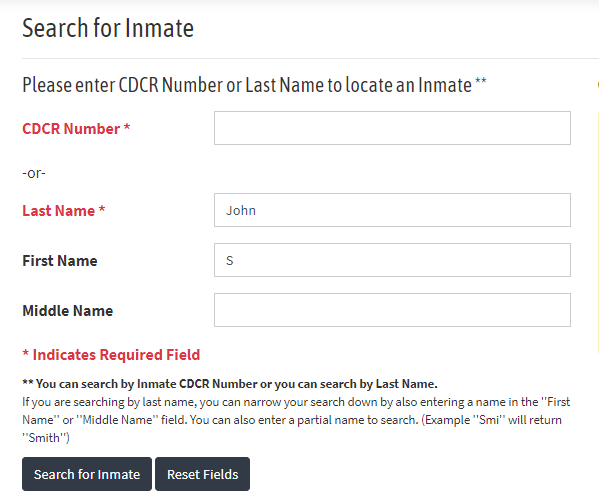
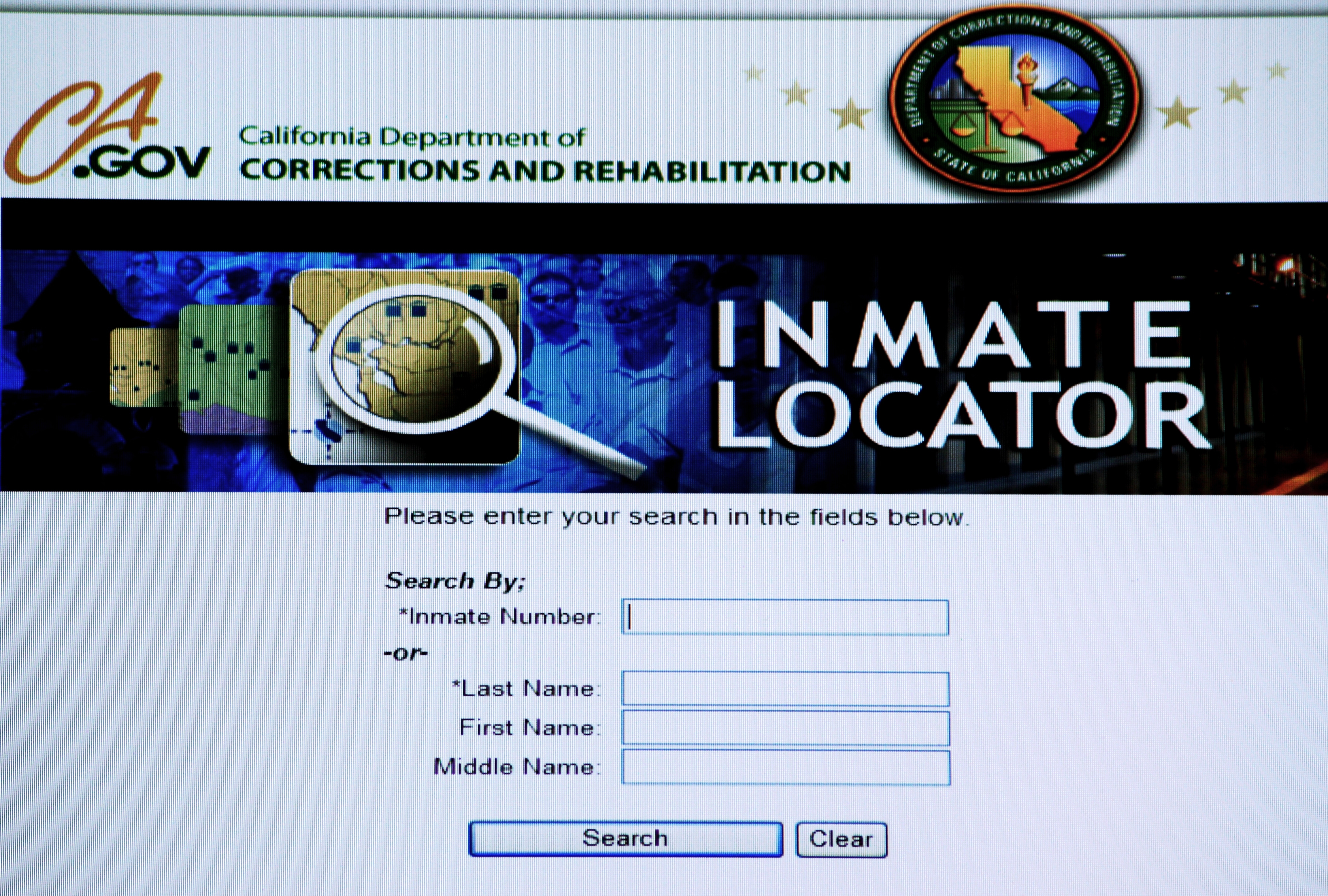
For state prisons, the primary tool for locating an inmate is the CDCR Inmate Locator. This online database provides public access to information regarding individuals currently incarcerated in California state prisons. It is a robust system designed to be user-friendly, allowing for searches based on several key identifiers. The information available typically includes the inmate’s full name, date of birth, and their CDCR identification number. For county jails, the process is more localized. Most California counties maintain their own online inmate search portals, usually accessible via the respective sheriff’s department website. These local databases are crucial for finding individuals in pretrial detention or those serving short sentences. Additionally, VINElink (Victim Information and Notification Everyday) serves as a valuable resource across both state and county levels. While primarily designed for victims of crime to track offender status, it can also be used by the public to search for inmates across various jurisdictions nationwide, including California. VINElink provides critical information such as custody status, release dates, and transfer information, making it a comprehensive tool for those needing to monitor an inmate’s journey through the correctional system.
Key Information for a Successful Search
To ensure a successful and efficient inmate search, gathering as much accurate information as possible beforehand is paramount. The most effective pieces of information include the inmate’s full legal name, including any middle names or known aliases, and their date of birth. These two data points are often sufficient for a preliminary search through most inmate locator systems. If available, additional identifiers such as the inmate’s CDCR number (for state prison inmates), booking number (for county jail inmates), or even their Social Security number can significantly narrow down results and help distinguish between individuals with similar names. Knowing the approximate date of arrest or the county where the arrest or conviction occurred can also be incredibly helpful, especially when dealing with the fragmented nature of county jail databases. Without this key information, searches can become broad and time-consuming, potentially yielding multiple false positives or no results at all. Furthermore, understanding that information in these databases is updated regularly but not always instantaneously is important. There might be a slight delay between an event (like an arrest, transfer, or release) and its reflection in the online system, requiring patience and sometimes multiple attempts over a short period.
State Prisons vs. County Jails: Different Search Paths
Understanding the distinct pathways for searching between state prisons and county jails is fundamental to successfully locating an incarcerated individual in California. The jurisdictional differences dictate entirely separate search methodologies, each with its own specific tools and requirements. For families and legal teams, knowing which system to approach first saves considerable time and emotional strain. The state prison system, designed for long-term incarceration, has a more centralized information system, while the county jail system, focused on temporary detention, relies on localized databases managed by individual sheriff’s departments. This bifurcation necessitates a targeted approach based on the presumed status and location of the individual.
Searching for Inmates in California State Prisons
If you suspect an individual has been sentenced to a state prison term, your primary resource is the California Department of Corrections and Rehabilitation (CDCR) Inmate Locator. This online tool is accessible directly through the CDCR website. To initiate a search, you will typically need the inmate’s first name, last name, and date of birth. While the system allows for partial name searches, providing accurate and complete information will yield the most precise results. If you have the inmate’s unique CDCR number, this will provide the quickest and most direct path to their information. The results from the CDCR Inmate Locator will generally include the inmate’s current facility, their CDCR number, and their commitment offense. It’s important to remember that individuals are often transferred between facilities based on various factors, including security level, medical needs, or program participation. The CDCR database is generally updated regularly to reflect these changes. Examples of major state prisons include San Quentin State Prison, Folsom State Prison, and Chino Institute for Men. The CDCR system is designed for broad public access to facilitate communication and transparency, making it the definitive resource for individuals within the state prison system.
Locating Individuals in County Jails
Searching for an inmate in a county jail requires a more localized approach, as each of California’s 58 counties operates its own jail system independently. The most effective way to find someone in a county jail is to visit the website of the sheriff’s department for the specific county where the individual was arrested or is presumed to be held. Most county sheriff’s departments provide an “inmate search” or “custody search” feature on their official websites. For instance, if you believe someone is held in Los Angeles County, you would visit the Los Angeles County Sheriff’s Department website. Similarly, for someone in Orange County, you would consult the Orange County Sheriff’s Department. These county-specific portals typically allow searches by name and sometimes by booking number or date of birth. The information provided often includes the inmate’s booking status, charges, bail amount, and upcoming court dates.
It is crucial to note that county jail databases may not retain information indefinitely once an inmate has been released or transferred. For those without a specific county in mind, starting with the county where the alleged crime occurred or the inmate’s last known residence is a practical strategy. If an individual is transferred from a county jail to a state prison after sentencing, their information will eventually appear in the CDCR system, making it essential to check both avenues if a person’s status changes. Additionally, the VINElink system can be particularly useful for county jail searches, as it aggregates data from participating agencies, offering a broader search capability when the specific county is unknown or when monitoring transfers between facilities.
Essential Considerations Beyond the Search
Locating an inmate is often just the initial step in a broader process of maintaining connection and support. For many, finding an inmate is inextricably linked to managing personal relationships and providing ongoing assistance, which are significant aspects of one’s lifestyle. Once an inmate’s location is confirmed, understanding the procedures for visitation and communication becomes paramount. These aspects are governed by strict regulations that vary between facilities and jurisdictions, requiring careful attention to detail and adherence to established protocols. Ignoring these essential considerations can lead to frustration and missed opportunities to connect with the incarcerated individual, impacting both their morale and the well-being of their support network.
Visiting an Inmate
Visiting an inmate in California state prisons or county jails involves a structured process that demands preparation and strict adherence to rules. For state prisons, all visitors must be approved in advance. This typically involves completing a visitor application form, which undergoes a background check. Once approved, visits must be scheduled, often through an online portal or by phone, significantly in advance due to limited availability. Each facility, such as San Quentin State Prison or California State Prison, Corcoran, has its own specific visiting hours, dress codes, and regulations regarding what items are permitted. It is essential to consult the specific prison’s website or contact their visiting department directly before planning a visit. For county jails, visitation policies tend to be equally stringent but may vary more widely. Some county jails, like those in Riverside County or San Diego County, may offer video visitation as an alternative or supplement to in-person visits, allowing for more flexible communication options. Always verify the latest policies, as they can change without extensive public notice, to ensure a smooth and successful visit.
Communicating with an Inmate
Beyond in-person visits, several avenues exist for communicating with inmates, each subject to specific rules and potential costs. Mail is a common and often preferred method, offering a tangible connection. All mail sent to inmates in both state prisons and county jails is subject to inspection, with strict prohibitions on certain items and content. Ensure you include the inmate’s full name, CDCR number (for state prisons), or booking number (for county jails), and the facility’s address. Telephone calls are another vital link. Inmates typically have access to phones during specific hours, and they can make collect calls or use prepaid accounts set up by family and friends. These calls are almost always monitored and recorded, and call rates can vary significantly. Some facilities also utilize third-party communication services, which may offer features like secure messaging or video calls for a fee. Understanding these communication platforms and their associated costs is critical for maintaining regular contact. For individuals managing their personal and family affairs, keeping communication channels open can be a crucial element in providing support and staying informed about an inmate’s well-being and legal proceedings.
Resources and Support for Families
Navigating the correctional system extends beyond simply locating an inmate; it often involves a journey of emotional, financial, and logistical challenges for families. As an integral part of their lifestyle, families often seek guidance and support during this difficult period. Fortunately, numerous resources are available in California to assist individuals and families affected by incarceration. These resources aim to provide information, advocacy, and a sense of community for those facing similar circumstances.
Non-profit organizations dedicated to family support for incarcerated individuals offer invaluable assistance. Organizations such as the Friends and Family of Incarcerated Persons or groups specializing in legal aid can provide guidance on visitation procedures, communication methods, and inmate rights. They often host support groups, which are crucial for sharing experiences and receiving emotional encouragement from peers who understand the unique challenges of having a loved one in prison or jail. These groups can be found through local community centers, religious institutions, or by searching online directories for inmate family support.
Furthermore, governmental agencies often publish guides and FAQs that demystify aspects of the correctional system. The California Department of Corrections and Rehabilitation website, for instance, provides extensive information on everything from visiting policies to inmate welfare and rehabilitation programs. Similarly, individual county sheriff’s departments for areas like Sacramento or Alameda County often have sections on their websites dedicated to family resources, including details on commissary accounts, medical care, and re-entry programs.
For legal questions, connecting with legal aid societies or pro bono attorneys is essential. They can offer advice on court processes, parole hearings, and other legal matters that directly impact an inmate’s future and, by extension, their family’s lifestyle. Knowing where to turn for accurate legal information can alleviate significant stress and ensure that the inmate’s rights are protected. Understanding and utilizing these resources is not merely about finding an inmate, but about comprehensively navigating a complex life situation with informed support and resilience.
LifeOutOfTheBox is a participant in the Amazon Services LLC Associates Program, an affiliate advertising program designed to provide a means for sites to earn advertising fees by advertising and linking to Amazon.com. Amazon, the Amazon logo, AmazonSupply, and the AmazonSupply logo are trademarks of Amazon.com, Inc. or its affiliates. As an Amazon Associate we earn affiliate commissions from qualifying purchases.