
Navigating the administrative necessities of living in and traveling through California can sometimes feel like deciphering a complex roadmap. Among the essential tasks for any resident or visitor who drives is ensuring their driver’s license is up-to-date. The question of “When to renew driver’s license in California?” is not just about avoiding penalties; it’s about seamless mobility, whether you’re embarking on a cross-country road trip, exploring the scenic coastline, or simply running daily errands in cities like Los Angeles or San Francisco. Understanding the renewal timelines, procedures, and options available through the California Department of Motor Vehicles (DMV) is crucial for maintaining your legal driving privileges and ensuring your adventures in the Golden State are unimpeded.
Understanding Your Driver’s License Expiration
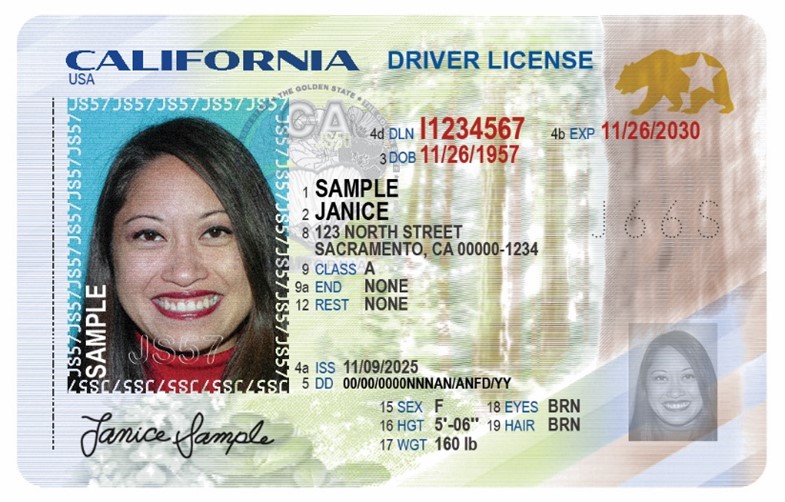
The expiration date on your California driver’s license is more than just a number; it’s a critical deadline that dictates when you must initiate the renewal process. For most drivers, the license is valid for a period of five years from the date of issuance or last renewal. However, there are specific circumstances and age groups that have different renewal cycles.
Standard Renewal Period
The standard renewal period for a California driver’s license is five years. This means that roughly every half-decade, you will need to go through the renewal process. The expiration date is clearly printed on the front of your license, typically in a MM/YY format. It’s essential to mark this date on your calendar and begin planning your renewal well in advance to avoid any last-minute complications.
Age-Related Considerations
As drivers age, the California DMV implements specific requirements for license renewals to ensure continued driving competency.
Drivers Aged 70 and Over
For drivers who have reached the age of 70, the renewal requirements become more frequent. Instead of a five-year validity period, licenses for drivers 70 and older are typically renewed every two years. This shorter renewal cycle necessitates more regular check-ins with the DMV. Furthermore, these renewals often require an in-person visit to a DMV office to undergo a vision test and may include additional tests to assess driving ability. The DMV aims to balance the independence of senior drivers with the paramount importance of public safety.
Provisional and Learner’s Permits
While not a renewal in the same sense as a driver’s license, provisional and learner’s permits also have expiration dates. These are typically valid for a shorter period, often one year, and must be renewed if the driver has not yet met the requirements for a full driver’s license. The process for renewing these permits is generally simpler than for a full license renewal.
Non-Resident and Visitor Drivers
For individuals who are not permanent residents of California but hold a valid driver’s license from another U.S. state or territory, you can generally drive in California with that license until it expires. However, if you establish residency in California, you are required to obtain a California driver’s license within a specific timeframe, usually 10 days after establishing residency. This involves surrendering your out-of-state license and going through the application process for a new California license. International visitors with valid foreign licenses may drive in California for a limited period, often up to one year, depending on their visa status and any reciprocity agreements.
The Renewal Process: Options and Requirements
The California DMV offers several avenues for renewing your driver’s license, aiming to make the process as convenient as possible. Understanding which method best suits your situation is key to a smooth renewal.
Online Renewal
For many drivers who meet specific criteria, online renewal is the most efficient and preferred method. The California DMV website provides a secure portal for eligible individuals to renew their licenses. To qualify for online renewal, you generally must:
- Have a non-commercial driver’s license.
- Not be required to take a vision test.
- Not have a medical condition that requires a review by the DMV.
- Not have had your license suspended or revoked.
- Have a renewal notice that indicates you are eligible for online renewal.
The online process typically involves verifying your identity, answering a few questions, paying the renewal fee electronically, and then your renewed license will be mailed to your address on file. This method is ideal for those who are comfortable with online transactions and meet the eligibility requirements, allowing them to renew from the comfort of their home or office, saving a trip to a bustling DMV office.
Mail Renewal
Similar to online renewal, certain individuals may receive a renewal notice that allows them to renew by mail. This option is usually for those who are eligible for renewal but may not have easy access to the internet or prefer a traditional method. The renewal packet will contain instructions, a form to complete, and information on where to mail the required documentation and payment. It’s crucial to send your application and payment well in advance of your expiration date to ensure it is processed in time.

In-Person Renewal
An in-person renewal is typically required for drivers who do not qualify for online or mail renewal, or if they simply prefer to handle the process face-to-face. This is also mandatory for drivers aged 70 and over. When you visit a California DMV office for an in-person renewal, you will generally need to:
- Complete the Driver’s License or ID Card Application form (DL 44). This form can often be pre-filled online to save time at the office.
- Present your expiring driver’s license.
- Pass a vision test. This is a standard requirement for all in-person renewals.
- Have your photograph taken. This is part of the process for issuing a new license.
- Provide your thumbprint.
- Pass any required tests. Depending on your age or circumstances, you may need to take a knowledge test (written exam) or a driving test. Drivers 70 and older often face more rigorous testing.
- Pay the renewal fee. Acceptable payment methods vary by office but typically include cash, check, or money order. Some offices may accept credit or debit cards.
It is highly recommended to schedule an appointment online before visiting a DMV office, as wait times can be considerable, especially for services that require an in-person visit.
Key Deadlines and Potential Penalties
Procrastination when it comes to renewing your driver’s license can lead to significant inconveniences and penalties. Understanding the critical deadlines and the consequences of missing them is vital.
Grace Periods and Expiration
While your license is valid until the date printed on it, it is your responsibility to renew it before it expires. California does not offer an extended grace period after the expiration date for legally operating a vehicle. Once your license expires, you are effectively driving without a valid license.
Consequences of Driving with an Expired License
Driving with an expired license can result in serious repercussions. These may include:
- Traffic Citations: You can be pulled over and issued a ticket for driving with an expired license. This can lead to fines and points on your driving record.
- Vehicle Impoundment: In some cases, law enforcement may have the authority to impound your vehicle if you are caught driving with a significantly expired license.
- Insurance Issues: Your auto insurance policy may be invalidated or premiums could significantly increase if you are involved in an accident while driving with an expired license.
- Difficulty Renewing: If your license has been expired for an extended period, you may be required to retake all parts of the licensing exam, including the written test and the driving test, regardless of your driving history. The specific requirements for re-licensing after an expired period are determined by the DMV.
Advance Renewal Notices
The California DMV typically mails a renewal notice to drivers approximately 90 days before their license is set to expire. This notice serves as a reminder and often indicates your eligibility for online or mail renewal. However, it is crucial not to rely solely on these notices. Mail can be lost, or your address on file might be outdated. Therefore, it is advisable to proactively track your license’s expiration date and initiate the renewal process as soon as you are eligible, ideally 60 to 90 days before it expires.
Preparing for Your Renewal
A little preparation can go a long way in ensuring your driver’s license renewal process is as smooth and stress-free as possible.
Gathering Necessary Documents
The specific documents required can vary slightly depending on your situation, but generally, you will need:
- Your current driver’s license: This is essential for identification and for the DMV to access your records.
- Renewal Notice: If you received one, it can expedite the process at the DMV office and often contains important information.
- Proof of Identity and Legal Presence: For initial applications or if your information has changed, you might need documents like a U.S. birth certificate, U.S. passport, or Permanent Resident Card.
- Proof of Residency: For in-person renewals or if your address has changed, you may need utility bills, bank statements, or rental agreements showing your California address.
- Social Security Number: While not always required to be physically present, you will need to provide it.
Fees and Payment Methods
The renewal fee for a California driver’s license is subject to change and can be found on the DMV website. Ensure you have the correct amount and acceptable form of payment. As mentioned, online renewals are typically paid via credit or debit card, while in-person renewals may have a broader range of acceptable payment methods.

Scheduling an Appointment
For those who must visit a DMV office, scheduling an appointment online through the California DMV website is highly recommended. This can significantly reduce your waiting time and ensure you are seen in a timely manner. Walk-in customers are accommodated, but appointment holders are generally prioritized.
By understanding the timelines, renewal options, and necessary preparations, you can ensure that your driver’s license remains valid, allowing you to continue exploring the diverse landscapes and vibrant cities of California without interruption. Whether you’re planning a trip to Yosemite National Park or heading down the iconic Pacific Coast Highway, a current driver’s license is your key to freedom on the road.
LifeOutOfTheBox is a participant in the Amazon Services LLC Associates Program, an affiliate advertising program designed to provide a means for sites to earn advertising fees by advertising and linking to Amazon.com. Amazon, the Amazon logo, AmazonSupply, and the AmazonSupply logo are trademarks of Amazon.com, Inc. or its affiliates. As an Amazon Associate we earn affiliate commissions from qualifying purchases.