
The journey from California to Las Vegas is one of the most frequently traveled routes in the United States, particularly for residents of Southern California seeking a weekend escape to the vibrant entertainment capital of Nevada. While the question “how far” seems straightforward, the answer depends significantly on your starting point within California, your chosen mode of transportation, and whether you prioritize speed or scenic exploration. Understanding these variables is key to planning an efficient and enjoyable trip.
The Core Distance: A Tale of Two Cities (and Many Miles)
At its heart, the distance between California and Las Vegas is primarily dictated by the specific city you depart from. The most common point of origin is Los Angeles due to its proximity and population density.

From Los Angeles, the driving distance to Las Vegas is approximately 270 miles (435 kilometers). This journey typically takes 4 to 5 hours under ideal driving conditions, following the direct route via Interstate 15. However, factors such as traffic, especially during peak travel times like Friday afternoons or Sunday evenings, can easily extend this to 6 or even 7 hours.
If your starting point is further north, such as San Francisco, the distance significantly increases. From San Francisco to Las Vegas, the drive spans approximately 560 miles (900 kilometers), translating to a driving time of 8 to 10 hours without major stops. This longer duration often prompts travelers from Northern California to consider flying or breaking up the drive with an overnight stay.
Other major California cities fall within this spectrum:
- San Diego to Las Vegas: Approximately 330 miles (530 km), 5-6 hours driving.
- Palm Springs to Las Vegas: Approximately 230 miles (370 km), 3.5-4 hours driving.
- Sacramento to Las Vegas: Approximately 570 miles (917 km), 9-10 hours driving.
The vast expanse of the Mojave Desert characterizes much of the landscape between Southern California and Las Vegas, offering long stretches of open road but also presenting challenges such as extreme heat in summer and limited services in certain areas.
Driving Routes: More Than Just Mileage
For most travelers, driving is the preferred method to get from California to Las Vegas due to its flexibility and the ability to carry more luggage. While Interstate 15 is the primary artery, nuances exist that can impact your journey.
The Classic Interstate 15 Experience
The drive along Interstate 15 from Southern California is straightforward and well-marked. Beginning in San Bernardino (or connecting from various points in Los Angeles via other freeways), I-15 cuts northeast through the Mojave Desert directly into Las Vegas.
Key towns and landmarks you’ll encounter on this route include:
- Barstow: A common refueling and rest stop, home to several fast-food restaurants and the Barstow Station, which houses a McDonald’s in old train cars.
- Baker: Known for the “World’s Tallest Thermometer” and a good spot for gas before the longest stretch of desert without major services.
- Primm: Located just across the Nevada border, Primm offers the first taste of Las Vegas-style entertainment with casinos, hotels, and outlet shopping.
Considerations for the I-15 drive:
- Traffic: The biggest variable. Avoid driving on Friday afternoons/evenings towards Las Vegas and Sunday afternoons/evenings returning to California. Holiday weekends are notoriously congested.
- Fuel: Fill up your tank before entering the long desert stretches. Gas prices tend to be higher in remote areas like Baker or Primm.
- Weather: Summer temperatures in the Mojave Desert can exceed 100°F (38°C). Ensure your vehicle is in good condition, especially tires and cooling system. Carry extra water. Winter can occasionally bring cold winds, but snow is rare on I-15 itself.
Scenic Detours and Alternative Paths
While I-15 is the most direct, some travelers opt for more scenic, albeit longer, routes. These detours are typically not about reducing distance but about enhancing the journey with unique natural attractions.
- Via Death Valley National Park: From Southern California, one can head north towards Death Valley National Park before looping back southeast to Las Vegas. This route adds several hours and considerable mileage (e.g., from Los Angeles, it could be a 7-8 hour drive not including stops within the park), but offers unparalleled desert landscapes, extreme temperatures, and unique geological formations. This is best done as an overnight trip.
- Through Mojave National Preserve: Situated south of I-15, the Mojave National Preserve offers a quieter, more rugged alternative. Roads through the preserve are well-maintained but less trafficked. This route adds a minimal amount of mileage but provides a more remote desert experience with features like the Kelso Dunes and Hole-in-the-Wall. It’s an excellent choice for those with extra time who appreciate solitude and nature.
These alternative routes significantly change the “how far” calculation in terms of travel time, transforming a simple point-to-point journey into a multi-day adventure.
Beyond the Wheel: Other Transportation Options
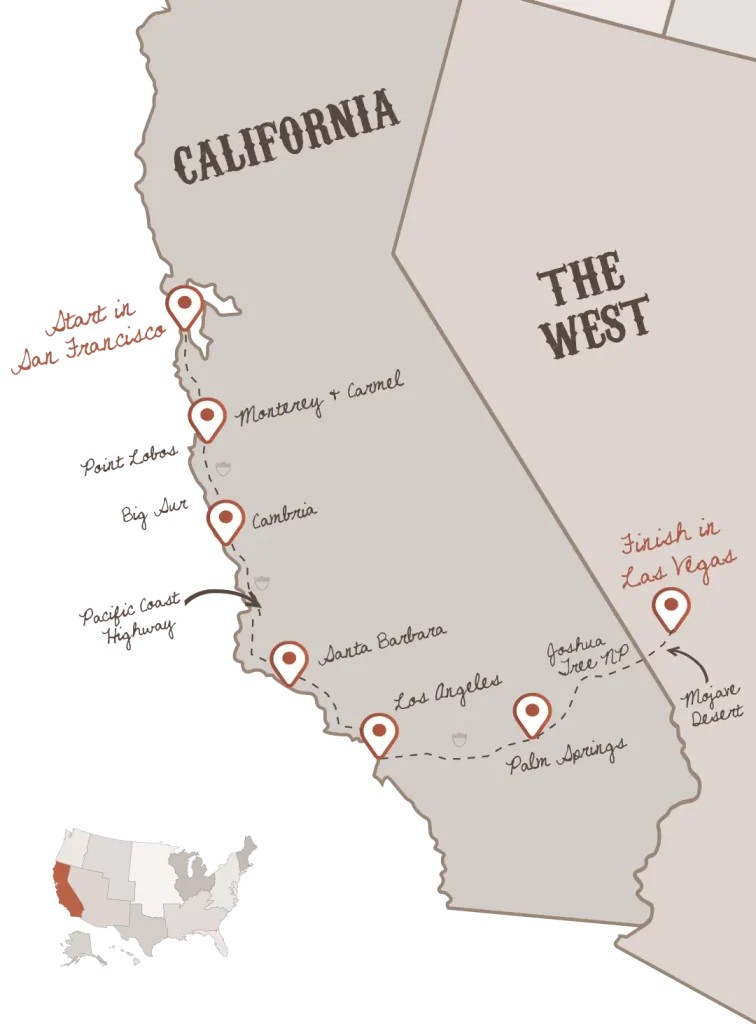
Driving isn’t the only way to get from California to Las Vegas. Depending on your budget, time constraints, and preference, other modes of transport offer different advantages.
Flying Between California and Las Vegas
For those short on time or originating from Northern California, flying is often the most efficient option. Direct flights from major California airports to Harry Reid International Airport (formerly McCarran International Airport) in Las Vegas are frequent and relatively short.
- From Los Angeles (LAX): Flight time is typically around 1 hour to 1 hour 15 minutes. When accounting for airport check-in, security, and travel to/from airports, the total door-to-door time might be comparable to driving from Southern California for solo travelers or small groups.
- From San Francisco (SFO) / San Jose (SJC) / Oakland (OAK): Flight time is approximately 1 hour 30 minutes to 1 hour 45 minutes. This is significantly faster than the 8-10 hour drive, making flying the clear winner for Northern California travelers.
- Other California Airports: Flights are also available from Ontario International Airport (ONT), John Wayne Airport (SNA) in Orange County, and San Diego International Airport (SAN), providing convenient options for various regions.
While flights are quick, costs can vary widely based on booking in advance, time of year, and airline. Budget airlines often offer competitive fares, but factor in baggage fees and ground transportation to your hotel in Las Vegas.
Bus and Train Services
For budget-conscious travelers or those who prefer not to drive or fly, bus and train services offer alternatives.
- Bus Services: Companies like Greyhound provide regular service from various California cities to Las Vegas. The journey from Los Angeles typically takes 5.5 to 7 hours, depending on stops. From San Francisco, it can be 12-15 hours or more, often requiring transfers. While economical, bus travel is generally the slowest option.
- Train Services: Amtrak does not offer direct service to Las Vegas. The closest Amtrak station is in Kingman, Arizona, requiring a bus connection to Las Vegas. A more common rail option involves taking an Amtrak train to Barstow and then connecting with a bus service for the remainder of the journey. This is generally a long and multi-modal process, making it less practical for most travelers unless experiencing the rail journey itself is part of the appeal.
Planning Your Journey: Essential Considerations
Regardless of your chosen mode of transport, a well-planned trip enhances the experience and helps mitigate potential issues.
Best Time to Travel
- Driving: To avoid traffic from Southern California, depart early on a weekday morning. Returning to California, consider leaving Las Vegas very early on Sunday or Monday morning, or even mid-week.
- Weather: The desert heat between late May and early September can be intense. Cooler months (October to April) offer more comfortable driving conditions. Be aware that during winter, some mountain passes in Northern California can experience snow, affecting longer routes.
Packing and Preparation
- Vehicle Check (if driving): Ensure your car is serviced, tires are properly inflated, and fluids are topped off, especially if traveling in summer. Carry an emergency kit, including water, snacks, and basic tools.
- Hydration: Always carry plenty of water, regardless of the season, particularly when driving through the Mojave Desert.
- Navigation: While cell service is generally reliable on I-15, pockets exist with limited coverage. Download offline maps as a backup.
- Entertainment: Long stretches of desert highway can be monotonous. Prepare playlists, podcasts, or audiobooks for the journey.
Budgeting for the Trip
- Fuel: Estimate fuel costs based on your vehicle’s mileage and current gas prices. From Los Angeles, expect to spend roughly $30-60 one-way, depending on gas prices.
- Flights/Bus Tickets: Book in advance for the best fares. Compare options across different airlines and bus companies.
- Tolls: There are generally no major tolls on the direct routes from California to Las Vegas.
- Accommodation: If planning a multi-day drive from Northern California, factor in an overnight stay.

Maximizing Your Travel Experience
Understanding the distance is merely the first step. The journey from California to Las Vegas offers an opportunity to transition from the bustling cities of California to the unique landscape of the Mojave Desert before arriving at the glittering oasis of Las Vegas.
If driving, consider integrating a brief stop at attractions like the Calico Ghost Town near Barstow or grabbing a famous date shake in Cabazon if coming from Palm Springs. While these add a bit of time, they transform the drive from a mere transit into a part of the adventure.
Ultimately, “how far” from California to Las Vegas is a question best answered by considering your personal travel preferences. Whether you opt for the swiftness of air travel, the flexibility of a road trip, or the economy of bus service, a diverse range of options ensures a suitable journey for every traveler heading to the entertainment capital of the world.
LifeOutOfTheBox is a participant in the Amazon Services LLC Associates Program, an affiliate advertising program designed to provide a means for sites to earn advertising fees by advertising and linking to Amazon.com. Amazon, the Amazon logo, AmazonSupply, and the AmazonSupply logo are trademarks of Amazon.com, Inc. or its affiliates. As an Amazon Associate we earn affiliate commissions from qualifying purchases.