
The question of distance between Pasadena, California and Los Angeles is a common one for travelers, commuters, and those planning to explore the vibrant landscape of Southern California. While Pasadena is often considered an integral part of the greater Los Angeles metropolitan area, it maintains its own distinct identity, culture, and economic pulse. Understanding the actual distance and, more critically, the travel time, is essential for efficient trip planning and maximizing one’s experience in this dynamic region.
Geographically, Pasadena is situated approximately 10 to 12 miles northeast of Downtown Los Angeles. This seemingly short distance, however, can translate into vastly different travel durations depending on a multitude of factors, primarily the mode of transportation chosen and the prevailing traffic conditions, which are notoriously variable across Los Angeles County. The journey between these two significant urban centers is a frequent route for business, leisure, and daily commutes, making the logistics of the trip a key consideration for countless individuals.
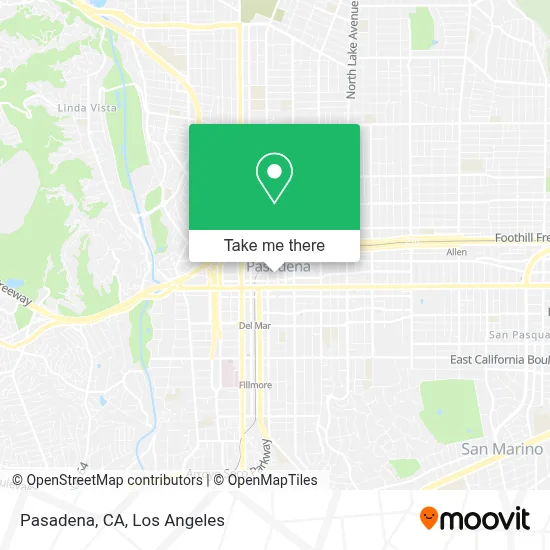
The Geographic Proximity and Travel Time Dynamics
While the direct, linear distance between Pasadena and Los Angeles is quite modest, the practical travel distance, especially by road, typically spans between 10 to 12 miles. This measurement accounts for navigating urban streets and integrating with the complex freeway system that crisscrosses the metropolitan area. The primary thoroughfares connecting Pasadena to central Los Angeles include the I-110 (Pasadena Freeway) and the I-10 (Santa Monica Freeway) for eastbound/westbound connections, and the SR-134 (Ventura Freeway) for those heading west towards Glendale and Burbank.
Factors Influencing Travel Time
The actual time it takes to travel between Pasadena and Los Angeles can fluctuate dramatically. Under ideal conditions, such as late nights or early mornings with minimal traffic, the drive can be as quick as 15 to 20 minutes. However, during peak rush hours, particularly between 6:00 AM and 10:00 AM and again from 3:00 PM to 7:00 PM on weekdays, this journey can extend significantly, often taking 45 minutes to over an hour, and sometimes even longer in the event of accidents or major roadwork.
Several elements contribute to these variations:
- Time of Day and Week: As noted, rush hour traffic is the primary culprit for extended travel times. Weekends generally offer lighter traffic, though special events in either city can lead to localized congestion.
- Specific Route Taken: Depending on the exact starting point in Pasadena and destination in Los Angeles, different freeway segments or surface streets might be utilized, each with its own traffic patterns and potential bottlenecks. Apps providing real-time traffic updates are indispensable for selecting the most efficient route.
- Public Transit Schedules: While public transit offers a predictable schedule, the total travel time can be influenced by transfer times, station proximity to final destinations, and service frequency.
Understanding these dynamics is crucial for anyone needing to commute or travel frequently between these two key areas of Southern California. Planning ahead with real-time traffic applications and considering alternative transit options can greatly mitigate potential delays and frustrations.
Navigating the Journey: Transportation Options
Travelers have several viable options for making the journey between Pasadena and Los Angeles, each offering distinct advantages in terms of cost, convenience, and travel experience.
Driving: The Most Common Method
Driving remains the preferred mode of transport for many, offering the greatest flexibility and door-to-door convenience. The primary routes typically involve the I-110 Pasadena Freeway directly into Downtown Los Angeles or connecting to other major freeways like the US-101 (Hollywood Freeway) or the I-5 (Golden State Freeway) for destinations further afield, such as Hollywood or Santa Monica.
Advantages of Driving:
- Flexibility: Depart and arrive on your own schedule.
- Directness: Allows for direct travel to specific addresses, bypassing public transit stops.
- Cargo Capacity: Ideal for those traveling with luggage, equipment, or multiple passengers.
Considerations for Drivers:
- Traffic Congestion: As previously discussed, traffic can significantly extend travel times, especially during peak hours.
- Parking: Finding and paying for parking in Los Angeles, particularly in popular districts, can be challenging and expensive.
- Fuel Costs: The cumulative cost of gasoline can add up for frequent travelers.
Public Transportation: Metro Rail
For those looking to avoid traffic and parking hassles, Los Angeles’s Metro Rail system provides a reliable and increasingly comprehensive public transit option. The Metro L Line (formerly known as the Gold Line) directly connects Pasadena to Downtown Los Angeles, with numerous stops in between.
Route Details: The Metro L Line originates in Azusa, passes through Pasadena (with popular stops like Memorial Park, Del Mar, and Lake Avenue), and continues into Downtown Los Angeles, terminating at Union Station. From Union Station, travelers can transfer to other Metro rail lines (Red, Purple, B, D Lines) to reach diverse parts of Los Angeles, including Hollywood, Koreatown, and Santa Monica (via the Expo Line).
Advantages of Public Transit:
- Predictable Travel Times: While there can be minor delays, rail schedules are generally more consistent than road travel during rush hour.
- Cost-Effective: A single fare or a day pass offers economical travel.
- Reduced Stress: No need to worry about driving in traffic or finding parking.
- Environmental Benefit: A more sustainable travel choice compared to driving solo.
Considerations for Public Transit Users:
- Limited Directness: Requires walking or using additional modes of transport (bus, ride-share) from stations to final destinations.
- Schedule Adherence: Travel is dictated by the train schedule, which may not align perfectly with individual itineraries.
- Crowding: Trains can be crowded during peak hours.

Ride-Sharing and Taxis
Services like Uber, Lyft, and traditional taxis offer a convenient middle ground between driving one’s own car and using public transit. These services provide door-to-door transportation without the responsibilities of driving or parking.
Advantages:
- Convenience: On-demand service eliminates the need for personal vehicle ownership or parking.
- Comfort: Private ride offers a comfortable and often quiet journey.
- Flexibility: Available 24/7, adaptable to last-minute changes.
Considerations:
- Cost: While often more affordable than traditional taxis, ride-sharing fares can surge during peak demand or adverse weather conditions, potentially making it the most expensive option.
- Traffic Dependence: Like driving a personal vehicle, ride-sharing services are still subject to Los Angeles’s traffic patterns.
Why Travel Between Pasadena and Los Angeles?
The frequent movement between Pasadena and Los Angeles is driven by a myriad of motivations, highlighting the interconnectedness of these two significant urban centers within California. Understanding these travel purposes provides context to the importance of efficient transportation options.
Commuting and Business Travel
Many residents of Pasadena commute daily to various business districts within Los Angeles, including Downtown Los Angeles, Hollywood, Century City, or the San Gabriel Valley. Conversely, professionals living in Los Angeles may travel to Pasadena for its thriving technology sector, educational institutions, or corporate headquarters. This consistent flow underscores the need for dependable and diverse transportation infrastructure. The proximity makes daily commutes feasible, albeit with the caveat of managing traffic.
Day Trips and Weekend Escapes
For leisure travelers, the relatively short distance makes Pasadena an ideal destination for a day trip or a weekend getaway from the bustling heart of Los Angeles, and vice-versa. Pasadena offers a distinct charm, with its historic architecture, vibrant Old Town, and renowned cultural institutions, providing a pleasant contrast to the broader Los Angeles experience. Likewise, Pasadena residents frequently travel to Los Angeles for its world-class museums, entertainment venues, beaches, and diverse culinary scene, easily accessible within a short travel window.
Events and Special Occasions
Both Pasadena and Los Angeles host numerous events that draw attendees from across the region. Pasadena is famously known for the Rose Parade and the Rose Bowl game, which attract hundreds of thousands of visitors, many of whom travel from Los Angeles. Similarly, major concerts, sporting events, and cultural festivals in Los Angeles see significant attendance from Pasadena residents. The manageable distance facilitates participation in these events, making transportation planning a critical component of the overall experience.
Practical Travel Tips for the Route
Navigating the journey between Pasadena and Los Angeles can be seamless with a few strategic tips that factor in the nuances of Southern California travel.
Best Times to Travel
To minimize travel time, aim to depart outside of typical rush hour windows. Weekday mornings before 6:30 AM or after 10:00 AM, and evenings after 7:00 PM, generally offer clearer roads. On weekends, early mornings are usually the best bet, though traffic can be unpredictable depending on local events. Utilizing real-time navigation apps like Google Maps or Waze is highly recommended, as they provide up-to-the-minute traffic conditions and can suggest alternative routes to circumvent unexpected congestion.
Parking Considerations
If driving, research parking options at your destination in Los Angeles beforehand. Many areas, especially Downtown Los Angeles and Hollywood, have parking structures or metered street parking, but costs and availability vary. Consider parking further away and utilizing ride-sharing or local public transit for the final leg of your journey to save on both time and expense. In Pasadena, parking is generally more accessible, particularly in Old Town, with multiple parking garages available.

Exploring Beyond the City Centers
The travel dynamics between Pasadena and Los Angeles extend to the broader region. If your travel plans involve connecting to other parts of Southern California, such as Orange County, the Inland Empire, or destinations further north like Santa Barbara, consider how your initial journey integrates with the larger network. Union Station in Downtown Los Angeles serves as a major hub for regional commuter trains (Metrolink) and long-distance Amtrak services, making it a critical interchange for broader travel. Planning your journey with an awareness of these connections can open up a wider range of travel possibilities and optimize your time spent exploring California.
LifeOutOfTheBox is a participant in the Amazon Services LLC Associates Program, an affiliate advertising program designed to provide a means for sites to earn advertising fees by advertising and linking to Amazon.com. Amazon, the Amazon logo, AmazonSupply, and the AmazonSupply logo are trademarks of Amazon.com, Inc. or its affiliates. As an Amazon Associate we earn affiliate commissions from qualifying purchases.