
When planning a trip to the Centennial State, especially around celebratory periods like the Fourth of July or New Year’s Eve, many visitors and residents alike ponder the availability of spectacular pyrotechnic displays. Among these, mortar fireworks, known for their powerful aerial bursts and impressive effects, are particularly sought after. Understanding the regulations surrounding their purchase and use in Colorado is crucial for a safe and legal experience. This exploration delves into the specific laws governing these types of fireworks within the state, offering clarity for those looking to add a dazzling element to their festivities.
Understanding Colorado Fireworks Laws
The legal landscape of fireworks in the United States is a complex patchwork of federal, state, and local ordinances. Colorado, like many states, has specific statutes that dictate which types of fireworks are permissible for consumer use. Generally, the distinction lies between “consumer fireworks” and “display fireworks.” Consumer fireworks are those typically sold to the public for personal use, while display fireworks are professional-grade pyrotechnics reserved for licensed pyrotechnicians.
The Distinction Between Consumer and Display Fireworks
In Colorado, the key legislation that governs fireworks is Senate Bill 19-200, which was enacted to provide a clearer framework. This bill, and subsequent interpretations, distinguish between fireworks based on their potential hazard.
- Consumer Fireworks: These are generally defined as small fireworks designed for direct use by the public. Examples include fountains, sparklers, poppers, and certain types of aerial devices that do not propel a projectile higher than 200 feet or explode with a report exceeding 1.4 grams of explosive material.
- Display Fireworks: These are large, powerful fireworks intended for use in professional public displays. They often involve sophisticated launching systems and are designed for significant aerial effects. Mortar fireworks, when referring to the powerful, large-caliber devices that launch explosive shells high into the sky, often fall into this category, or at least a category with significant restrictions for consumer use.
The critical factor for consumers is whether a specific type of firework is classified as legal for sale to the general public. If a firework is deemed too dangerous for unsupervised use, it will likely be restricted.
Mortar Fireworks: A Closer Look at Legality
The term “mortar fireworks” can sometimes be ambiguous. In common parlance, it often refers to aerial shells launched from a tube (the mortar) that explode in the sky. These are the kinds of fireworks that create the dramatic, multi-colored bursts seen in professional shows.
The Role of the “Mortar Tube”
The launching mechanism itself, the mortar tube, is often associated with more powerful pyrotechnics. In many jurisdictions, fireworks that require a separate mortar tube for launch are considered display fireworks or are otherwise regulated due to their inherent power and potential for misuse. The shells themselves, which contain the explosive charge and effects, are the primary concern for regulators.
Colorado’s Stance on Aerial Shells
Colorado law, specifically referencing the types of fireworks that can be sold by licensed distributors, generally prohibits the sale of fireworks that:
- Explode with a report of more than 1.4 grams of explosive composition.
- Are designed to be used with a mortar and pestle.
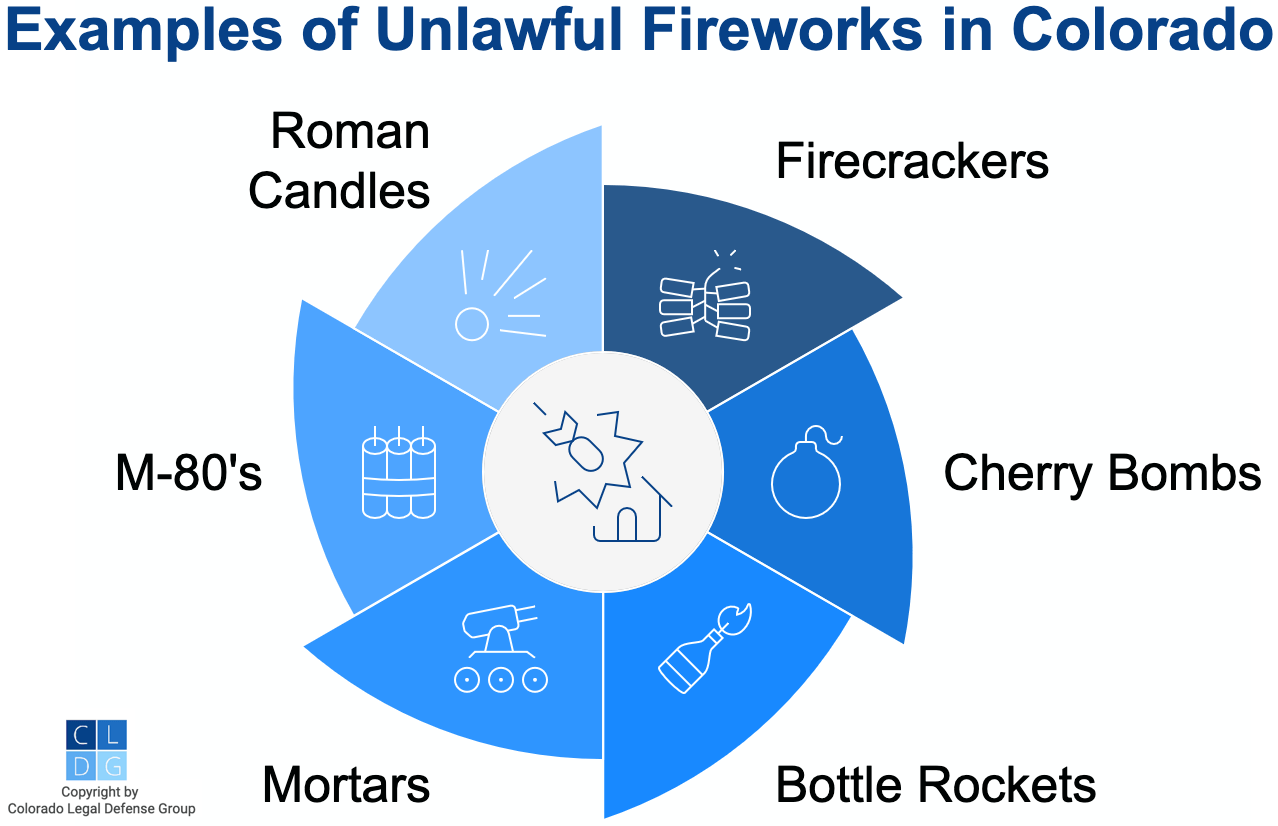
- Are classified as rockets, missiles, or multiple break aerial shells.
This means that the quintessential “mortar fireworks” – those powerful, large shells launched from sturdy tubes that produce significant aerial displays – are typically not legal for general consumer purchase and use in Colorado. The emphasis is on safety and preventing the sale of items that could cause widespread harm if mishandled.
However, it’s important to distinguish between these professional-grade shells and smaller, less potent aerial devices that might be permitted. Some fireworks might be described as “aerial” and launch small effects, but if they don’t meet the criteria for being too powerful or requiring specific launching mechanisms that are restricted, they might be permissible. The key is always to check the specific classification and characteristics of the firework in question against state law.

Where to Find Permitted Fireworks in Colorado
While the most impressive mortar fireworks are generally off-limits for individual purchase, there are still avenues for consumers to acquire legal fireworks for personal celebrations in Colorado. The state has legalized the sale of certain consumer fireworks, provided they meet the safety standards and are sold by licensed vendors.
Licensed Fireworks Distributors
In Colorado, the sale of consumer fireworks is regulated and typically occurs through licensed distributors. These businesses are authorized to sell specific types of fireworks that have been deemed safe for public use. When visiting such a vendor, consumers can inquire about the fireworks available and, importantly, ask about their legality. Reputable distributors will be knowledgeable about state and local laws and will only offer products that comply with them.
Types of Legal Consumer Fireworks
Permitted consumer fireworks in Colorado often include:
- Sparklers: Handheld devices that emit sparks.
- Fountains: Ground-based fireworks that produce a spray of sparks or lights.
- Poppers and Snappers: Small novelty items that make a popping sound.
- Wheeled Fountains: Ground devices that spin and produce a shower of sparks.
- Certain Novelty Fireworks: Such as smoke balls and spinners, provided they do not explode.
These items, while not as grand as professional mortar displays, can still contribute to a festive atmosphere when used responsibly.
Local Ordinances and Usage Restrictions
Even if a particular type of firework is legal for sale under state law, its use can be further restricted by local municipalities. Colorado grants cities and counties the authority to enact their own ordinances regarding fireworks. This means that what might be permissible in one town could be prohibited in another.
Navigating City and County Regulations
It is imperative for anyone intending to use fireworks to research the specific ordinances of the area where they plan to set them off. This research should cover:
- Type of Fireworks Allowed: Some areas might permit only sparklers and novelty items, while others might allow a broader range of consumer fireworks.
- Dates and Times of Permitted Use: Fireworks are often restricted to specific dates, such as around the Fourth of July and New Year’s Eve, and specific hours of the day.
- Prohibited Zones: Certain areas, such as parks, open spaces prone to wildfires, or densely populated neighborhoods, may be completely off-limits for fireworks.
Ignoring local ordinances can lead to fines, confiscation of fireworks, and other legal repercussions. Always check with your local fire department or city/county government for the most accurate and up-to-date information.

Fire Danger and Bans
During periods of high fire danger, Colorado authorities may implement temporary fireworks bans, even for types of fireworks that are typically legal. These bans are crucial for public safety, especially in drier regions or during drought conditions. Staying informed about local fire restrictions is as important as understanding the general fireworks laws.
In summary, while the powerful, large-scale mortar fireworks that launch impressive aerial shells are generally not available for purchase by consumers in Colorado due to their classification as display fireworks, there are still many types of legal consumer fireworks that can be enjoyed. Always prioritize safety, adhere to all state and local laws, and understand the specific types of fireworks you are purchasing and where you intend to use them. Responsible enjoyment ensures that celebrations remain safe and memorable for everyone.
LifeOutOfTheBox is a participant in the Amazon Services LLC Associates Program, an affiliate advertising program designed to provide a means for sites to earn advertising fees by advertising and linking to Amazon.com. Amazon, the Amazon logo, AmazonSupply, and the AmazonSupply logo are trademarks of Amazon.com, Inc. or its affiliates. As an Amazon Associate we earn affiliate commissions from qualifying purchases.