
The vibrant pulse of Chicago’s culinary and cultural scene can be acutely felt at its diverse farmers markets. These bustling hubs are more than just places to procure fresh produce; they are immersive experiences offering a direct connection to local farmers, artisans, and the very essence of Midwestern bounty. As seasons shift, so too does the offering, ensuring that each visit provides a unique and delightful discovery. Exploring what’s available now at Chicago’s farmers markets unveils a tapestry of flavors, crafts, and community spirit that enriches any visitor’s journey.
A Cornucopia of Seasonal Produce
The heart of any farmers market lies in its produce, and Chicago’s markets are no exception. From the peak of summer’s abundant harvest to the hardy offerings of fall and the early glimpses of spring, the selection is a testament to the region’s agricultural prowess.

Spring’s Awakening
As the snow melts and the earth begins to stir, Chicago’s farmers markets herald the arrival of spring with an array of tender greens and early root vegetables. Expect to find delicate asparagus spears, crisp radishes, vibrant spinach, and peppery arugula. The first shoots of green onions and young lettuce varieties also make their debut, offering a refreshing change from winter fare. While the selection might be more limited than in later months, the purity and sweetness of these early offerings are unparalleled, a true taste of renewal. Look for early-blooming herbs like chives and parsley to add a fresh zest to your spring dishes.
Summer’s Zenith
Summer is when Chicago’s farmers markets truly explode with color and flavor. This is the season of peak abundance, with a staggering variety of fruits and vegetables available. Juicy heirloom tomatoes in every conceivable hue, sweet corn dripping with nectar, plump berries like strawberries, blueberries, and raspberries, and an array of stone fruits including peaches, plums, and cherries are staples. Bell peppers, zucchini, cucumbers, and a vast selection of beans fill the stalls. The air itself is perfumed with the scent of ripe melons and fragrant herbs. This is the time to stock up for canning, preserving, and enjoying the freshest possible meals. Don’t miss the chance to sample different varieties of the same fruit or vegetable; the subtle differences are often remarkable.
Autumn’s Rich Harvest
As the days grow shorter and the air carries a crisp chill, autumn brings a different kind of abundance to Chicago’s markets. This season is characterized by hearty root vegetables, robust squashes, and the last of the summer’s bounty before the frost. Pumpkins and gourds of all shapes and sizes become prominent, perfect for decorating or for culinary creations. You’ll find sweet potatoes, robust carrots, earthy beets, parsnips, and turnips. Apples, in countless varieties, are a highlight, ideal for pies, sauces, or simply enjoying as a crisp snack. Brussels sprouts, cauliflower, and hardy greens like kale and collard greens also thrive in the cooler weather. This is a season for warming soups, roasted vegetables, and comforting baked goods.
Year-Round Staples and Specialties
While the seasonal produce is the star, many Chicago farmers markets also offer a range of year-round staples and specialty items. These can include:
- Mushrooms: Cultivated and wild varieties, offering diverse textures and flavors.
- Gourmet Garlic: Beyond the standard bulb, you might find unique varietals with distinct profiles.
- Specialty Greens: Including microgreens, edible flowers, and less common leafy vegetables.
- Artisan Cheeses: Locally produced cheeses, often paired with the market’s produce.
- Local Meats and Poultry: Sustainably raised and ethically sourced options.
- Fresh Eggs: From free-range chickens, often with vibrantly colored yolks.
Beyond the Produce: Artisanal Foods and Crafts
The appeal of Chicago’s farmers markets extends far beyond fresh fruits and vegetables. They are curated collections of local talent, showcasing artisanal foods, handcrafted goods, and unique culinary creations.
Baked Goods and Sweet Treats
The aroma of freshly baked bread is a signature scent at most farmers markets. You’ll find a delightful array of baked goods, from rustic sourdough loaves and crusty baguettes to delicate pastries, flaky croissants, and decadent cookies. Local bakers often experiment with seasonal ingredients, offering fruit tarts bursting with berries in the summer or apple pies spiced with cinnamon in the fall. Gluten-free and vegan options are increasingly common, catering to diverse dietary needs. Beyond pastries, look for homemade jams, jellies, honey, and syrups, perfect for sweetening your morning toast or drizzling over yogurt.
Prepared Foods and International Flavors
Many markets feature vendors offering delicious prepared foods, providing a perfect opportunity for a ready-to-eat lunch or a gourmet picnic. These can range from classic comfort foods like artisanal pizzas and gourmet sandwiches to international delights such as empanadas, tacos, and freshly made pasta. Some vendors specialize in specific cuisines, offering a culinary tour of Mexico, Italy, or Asia right at the market. These prepared foods are often made with the same fresh, local ingredients found throughout the market, ensuring quality and flavor.
Handcrafted Beverages
Quench your thirst with a variety of locally produced beverages. You might find freshly squeezed juices, artisanal sodas, locally roasted coffee, and even craft beers or wines from nearby breweries and wineries. In the warmer months, vendors often offer refreshing iced teas and lemonades. Some markets also feature kombucha brewers, offering a healthy and flavorful probiotic drink. These beverages are perfect accompaniments to your market haul or a welcome treat while you browse.
Artisan Crafts and Unique Gifts
While food is a primary draw, many farmers markets also support local artisans by providing a platform for their handcrafted goods. You can discover unique, handmade items such as:
- Jewelry: From delicate silver pieces to bold, statement necklaces.
- Pottery and Ceramics: Functional and decorative pieces for your home.
- Textiles: Hand-knitted scarves, woven blankets, and unique clothing items.
- Soaps and Candles: Made with natural ingredients and delightful scents.
- Woodwork: Carved items, cutting boards, and small furniture pieces.
- Art Prints and Paintings: Showcasing the talent of local artists.
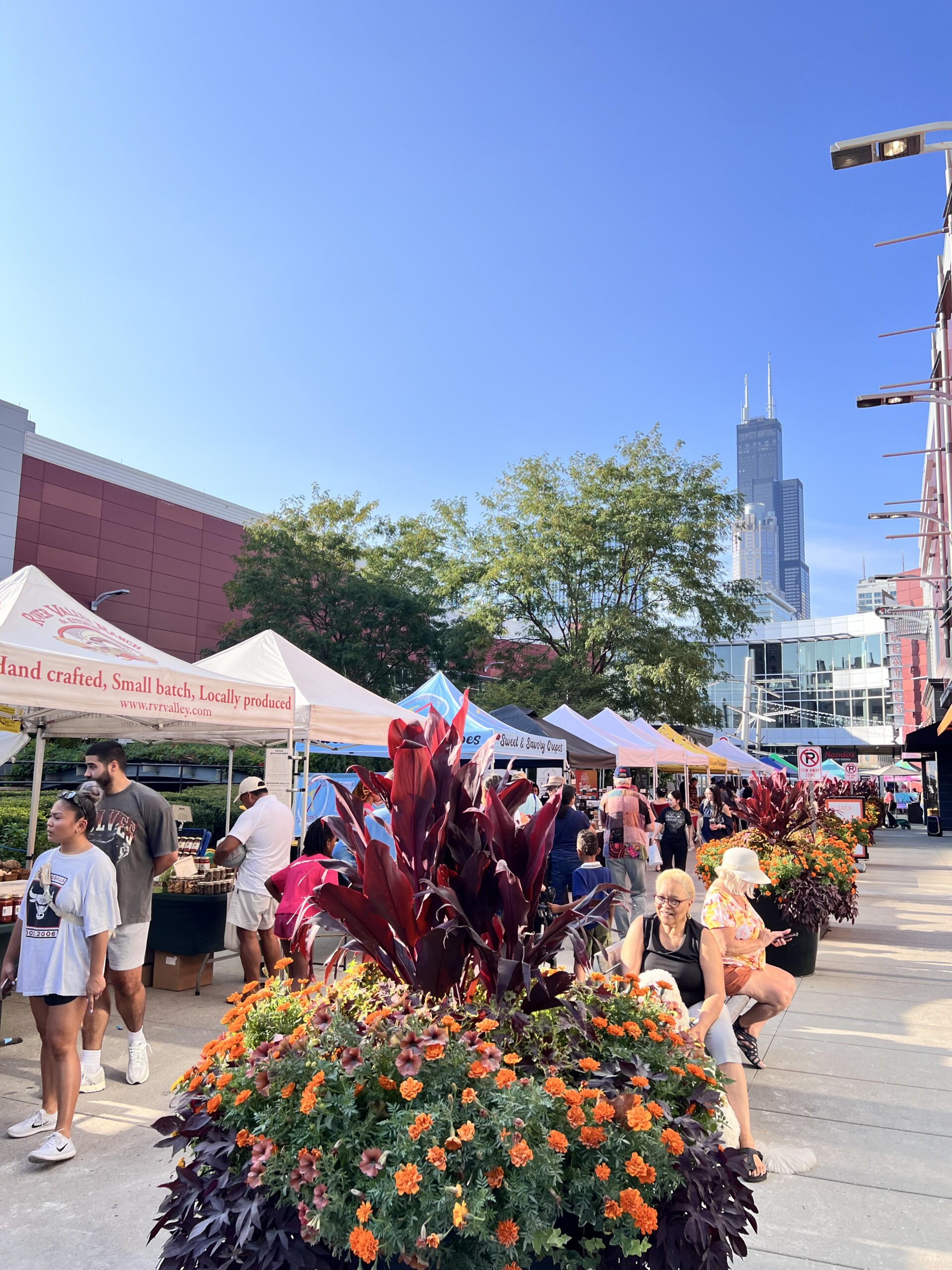
These handcrafted items make for thoughtful souvenirs or unique gifts, offering a tangible connection to the local creative spirit.
Experiencing the Farmers Market Community
Visiting a farmers market in Chicago is an experience that transcends mere shopping. It’s about engaging with the community, learning about sustainable practices, and enjoying the vibrant atmosphere.
Connecting with Farmers and Producers
One of the most rewarding aspects of attending a farmers market is the opportunity to interact directly with the people who grow your food and create your products. Farmers are often eager to share their knowledge about their crops, farming methods, and how best to prepare their produce. This direct connection fosters a deeper appreciation for where food comes from and supports the livelihoods of local agricultural businesses. Asking questions about seasonality, growing practices, or recipe ideas can lead to fascinating insights and personalized recommendations.
Live Music and Entertainment
Many Chicago farmers markets feature live music, adding a lively soundtrack to your shopping experience. Local musicians often perform, ranging from folk and bluegrass to jazz and blues, creating a festive and engaging atmosphere. This entertainment elevates the market from a transactional space to a true community gathering spot, encouraging visitors to linger, relax, and soak in the ambiance.
Cooking Demonstrations and Workshops
Some markets host cooking demonstrations, where chefs or local food enthusiasts showcase how to prepare dishes using seasonal ingredients available at the market. These demonstrations offer valuable culinary inspiration and practical tips for using produce in new and exciting ways. Occasionally, workshops on topics like gardening, composting, or artisanal food production may also be offered, providing educational opportunities for attendees.
Family-Friendly Activities
Farmers markets are generally very family-friendly. Many have designated areas for children, or activities like face painting, balloon animals, or simple craft stations, especially during seasonal festivals. The open space and abundance of interesting sights and smells make it an engaging outing for all ages. It’s a wonderful way to introduce children to fresh foods and the concept of local agriculture.
Supporting Local and Sustainable Economies
By shopping at Chicago’s farmers markets, you are directly contributing to the local economy and supporting sustainable agricultural practices. This choice helps reduce the carbon footprint associated with long-distance food transportation, fosters biodiversity by encouraging the cultivation of heirloom varieties, and builds a more resilient and community-oriented food system. It’s a conscious decision to invest in the health of both people and the planet.
Navigating Chicago’s Farmers Markets
With numerous farmers markets scattered throughout the city and its surrounding suburbs, understanding what to expect and how to make the most of your visit is key.
Popular Market Locations
Chicago boasts a rich network of farmers markets, each with its own unique character and offerings. Some of the most popular and well-established include:
- Lincoln Park Farmers Market: A long-standing favorite, known for its extensive selection of produce and artisan goods, set against the backdrop of the Lincoln Park neighborhood.
- Old Town Farmers Market: Another historic market, offering a curated selection of vendors and a charming neighborhood atmosphere.
- South Shore Farmers Market: Serving the south side of the city, this market is a vital hub for fresh food access and community engagement.
- Logan Square Farmers Market: A vibrant and bustling market that has become a weekend destination for many Chicagoans, featuring a wide array of food vendors and local artisans.
- Green City Market: Located in Lincoln Park and the West Loop, this market is renowned for its commitment to sustainable and organic farming practices, often featuring chefs from top Chicago restaurants.
Best Times to Visit
To experience the full vibrancy of a farmers market, consider visiting during peak hours, typically mid-morning on market days. This is when vendors are most likely to have their full selection available, and the atmosphere is at its liveliest. However, arriving earlier can be beneficial for securing the most sought-after items, while later in the day might offer opportunities for potential deals as vendors aim to sell remaining stock. Always check the specific operating hours for each market, as they can vary significantly.
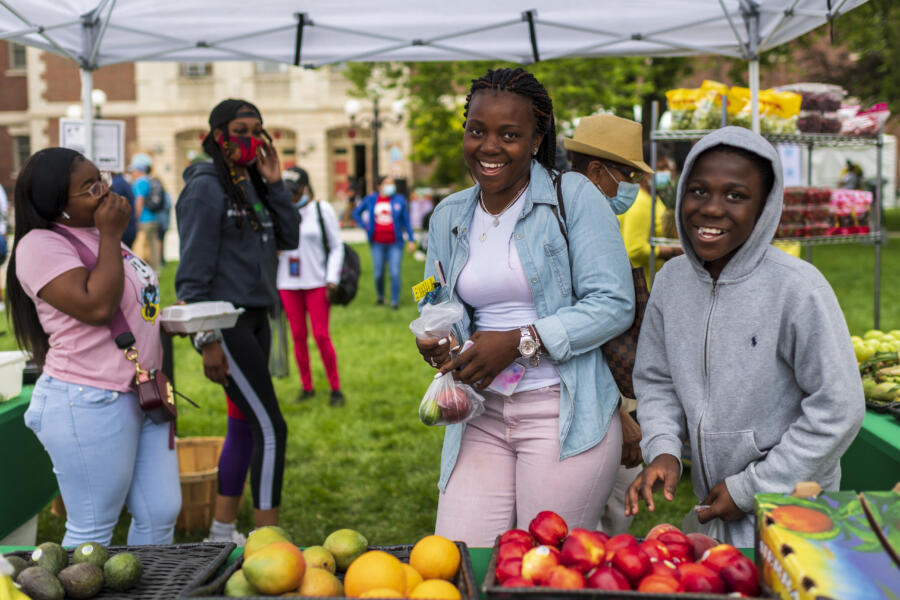
What to Bring
To optimize your farmers market experience, come prepared:
- Reusable Shopping Bags: Essential for carrying your purchases and reducing waste. Many vendors also offer reusable bags for sale.
- Cash: While some vendors accept cards, many prefer or only accept cash, especially for smaller transactions. Having some cash on hand ensures you won’t miss out on any purchases.
- Comfortable Walking Shoes: You’ll likely be doing a good amount of walking and standing.
- Water Bottle: Especially important during warmer months to stay hydrated.
- A Cooler Bag: If you plan to purchase items like cheese, meat, or other perishables that need to stay cool, a small cooler bag is a good idea.
- A List (Optional): While spontaneity is part of the fun, having a rough idea of what you’re looking for can help guide your shopping.
By understanding the offerings, the community spirit, and the practicalities of visiting, a trip to a Chicago farmers market promises to be a deeply satisfying and delicious exploration of local flavor and culture.
LifeOutOfTheBox is a participant in the Amazon Services LLC Associates Program, an affiliate advertising program designed to provide a means for sites to earn advertising fees by advertising and linking to Amazon.com. Amazon, the Amazon logo, AmazonSupply, and the AmazonSupply logo are trademarks of Amazon.com, Inc. or its affiliates. As an Amazon Associate we earn affiliate commissions from qualifying purchases.