
Traveling between Sacramento, the vibrant capital of California, and San Diego, its sun-kissed southernmost major city, involves traversing a significant portion of the Golden State. Understanding the distance, travel time, and various transportation options is crucial for planning an efficient and enjoyable journey, whether for business or leisure. This extensive guide delves into the logistics of connecting these two pivotal Californian hubs, offering insights for every type of traveler.
The Geographic Span: Distance and Dynamics
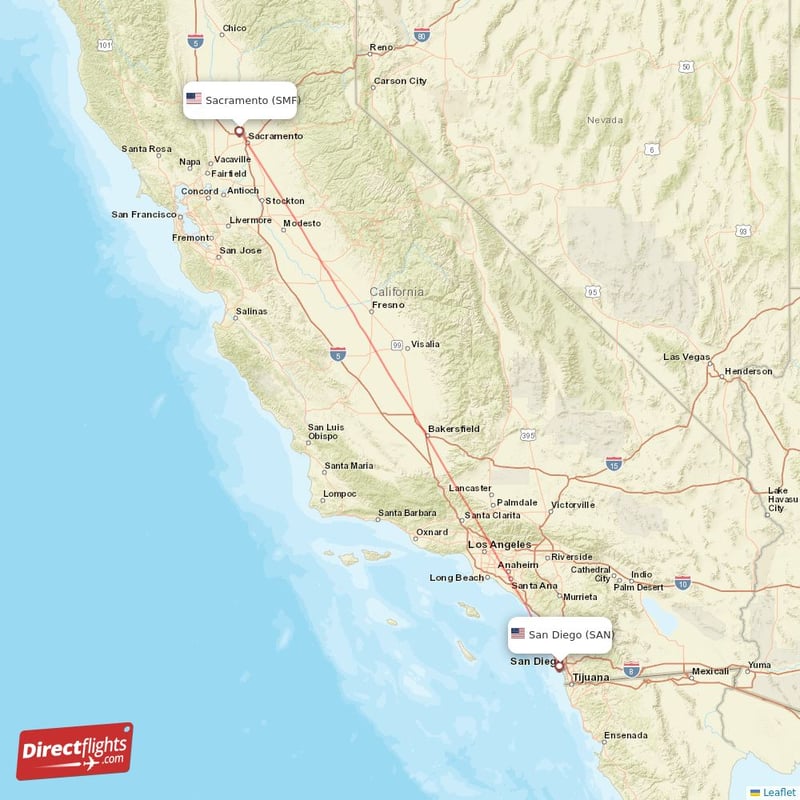
The direct line, or “as the crow flies,” distance between Sacramento and San Diego doesn’t fully capture the reality of ground travel. Road distances, which account for highways and city layouts, are more practical metrics for planning.
Unpacking the Miles
When considering road travel, the most common routes typically place the distance between Sacramento and San Diego at approximately 480 to 500 miles (about 770 to 805 kilometers). This can vary slightly based on the specific starting point in Sacramento and the final destination within San Diego, as well as the particular highways chosen. The primary route for most travelers is Interstate 5 (I-5), a major artery that effectively bisects California from north to south.
Estimating Travel Time
The estimated driving time for the 480-500 mile journey typically ranges from 7.5 to 9 hours of pure driving. However, this is a highly optimistic estimate that does not account for traffic congestion, necessary stops for fuel, food, or rest, or potential road construction delays. Given the notorious traffic patterns in California, particularly around major metropolitan areas like Los Angeles and the San Francisco Bay Area, travelers should realistically budget at least 9 to 11 hours for the entire trip by car. Planning for an overnight stop might be a wise consideration, especially for families or those not accustomed to long-distance driving.
Navigating the Golden State: Driving Routes
Driving offers the most flexibility for travelers between Sacramento and San Diego, allowing for scenic detours and personalized itineraries. Several routes are available, each with its own characteristics.
The Quintessential California Road Trip (I-5 Focus)
The most direct and fastest route is almost entirely via I-5. Starting from Sacramento, you would head south on I-5 through the vast agricultural landscapes of the Central Valley. This stretch is generally flat and offers high-speed limits, making for efficient progress. As you approach Southern California, I-5 takes you directly through the sprawling Los Angeles metropolitan area. This segment is often the most challenging due to heavy traffic, particularly during peak hours or holidays. From Los Angeles, I-5 continues south, hugging the coastline for a picturesque final leg of the journey before reaching San Diego.
Scenic Alternatives (US-101 and CA-99/CA-58)
For those with more time and a desire for scenic beauty, alternative routes offer different experiences:
- US-101 (Pacific Coast Highway sections): While not as direct, taking sections of US-101 can transform the trip into a truly iconic California coastal drive. This route would involve heading west from Sacramento to connect with US-101 near the coast, perhaps through the San Francisco Bay Area or further south. It winds through charming coastal towns like Santa Barbara, San Luis Obispo, and Carmel-by-the-Sea, offering stunning ocean views and numerous opportunities for stops. Be aware that this route adds significant mileage and time (easily 10-12+ hours of driving) but delivers unparalleled scenery.
- CA-99 and CA-58: For a slightly different inland experience, one could take CA-99 south through the Central Valley and then connect to CA-58 east towards Mojave before heading south on I-15 or another route to San Diego. This route might bypass some of the heaviest I-5 traffic through Los Angeles but involves a different set of road conditions and might not necessarily be faster. It offers a glimpse into California’s agricultural heartland and desert landscapes.
Essential Road Trip Considerations
Regardless of the chosen route, several factors warrant attention for a successful road trip:
- Traffic Management: Utilize real-time navigation apps (e.g., Google Maps, Waze) to monitor traffic conditions and identify potential slowdowns or alternative routes, especially around Los Angeles.
- Fuel Stops: Plan your fuel stops, particularly when traversing the Central Valley, where services can be sparse in certain sections.
- Vehicle Maintenance: Ensure your vehicle is in good condition, with checked tires, oil, and fluid levels, especially for such a long drive.
- Breaks: Take regular breaks to combat driver fatigue. California offers numerous rest areas along major highways.
- Food and Drink: Pack snacks and drinks to avoid frequent stops and maintain energy levels.
Beyond the Wheel: Other Modes of Transport
For those who prefer not to drive or are seeking different travel experiences, air, rail, and bus services provide viable alternatives.
Air Travel: Speed and Convenience
Flying is undoubtedly the fastest way to cover the distance between Sacramento and San Diego.
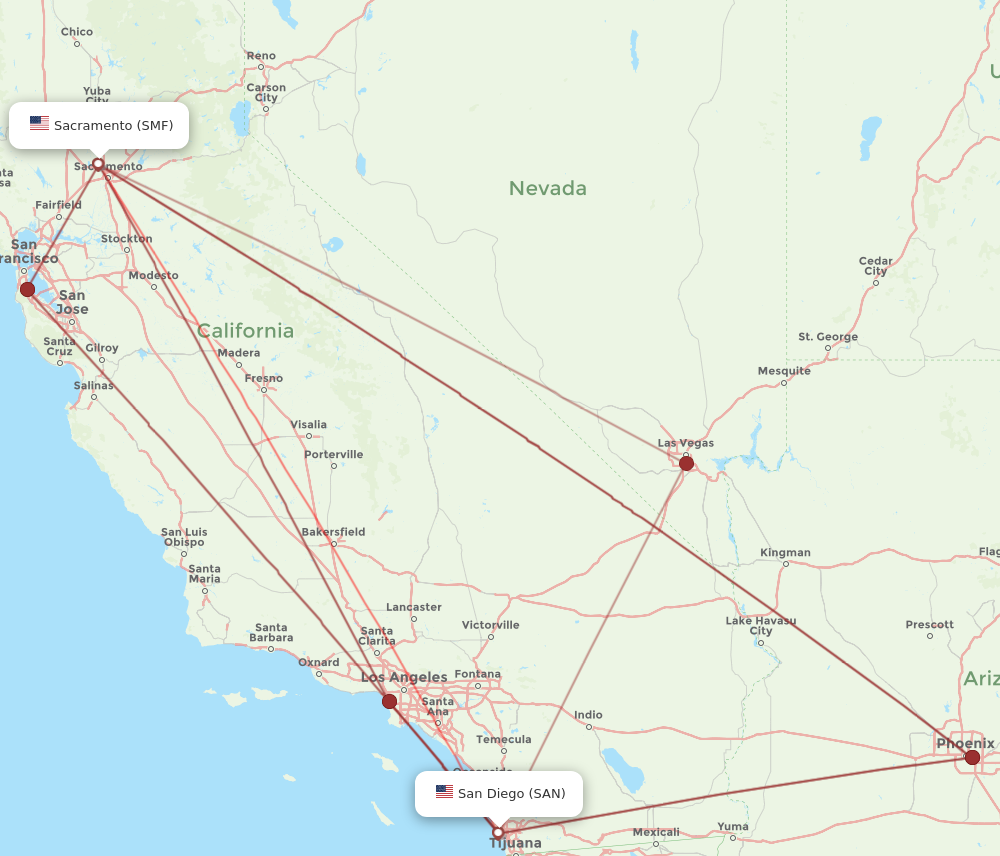
- Airports: Direct flights typically depart from Sacramento International Airport (SMF) and arrive at San Diego International Airport (SAN).
- Flight Time: The actual flight time is approximately 1 hour and 15 minutes to 1 hour and 30 minutes.
- Total Travel Time: When factoring in travel to and from airports, security checks, boarding, and baggage claim, the total door-to-door travel time will usually be around 3 to 5 hours.
- Cost: Airfare can vary widely based on seasonality, booking in advance, and airline. It’s often comparable to or even less than the cost of fuel for driving a personal vehicle, especially when considering wear and tear. Several airlines operate this route, offering competitive pricing.
Rail Travel: A Unique Perspective
Amtrak offers train services that connect Sacramento to San Diego, primarily via the Pacific Surfliner and San Joaquins routes, often requiring a transfer in Oakland, Emeryville, or Bakersfield.
- Journey: The train journey offers a relaxing experience, free from traffic woes, with picturesque views, especially along the coastal stretches south of Los Angeles.
- Duration: The total travel time by train is significantly longer than flying or even driving, typically ranging from 12 to 14 hours, including transfers.
- Amenities: Trains offer amenities like comfortable seating, Wi-Fi (though sometimes unreliable), dining cars, and power outlets, making it suitable for those who wish to work or relax during the journey.
- Cost: Train tickets can be moderately priced, especially if booked in advance, and often include scenic value.
Bus Services: Budget-Friendly Options
Bus travel is generally the most economical option for covering the distance between Sacramento and San Diego.
- Operators: Companies like Greyhound and FlixBus operate routes with varying schedules and stops.
- Duration: Similar to train travel, bus journeys are long, often taking 10 to 14 hours, depending on the number of stops and traffic conditions, particularly through the Los Angeles area.
- Comfort: While buses have improved in comfort over the years, it remains a less luxurious option than flying or some train services. However, it’s an excellent choice for budget-conscious travelers who are not pressed for time.
- Terminals: Buses typically arrive and depart from downtown terminals in both cities, which are often well-connected to local public transportation.
Planning Your Journey: Tips for a Seamless Trip
Regardless of your chosen mode of transport, a well-planned journey enhances the overall travel experience between Sacramento and San Diego.
Best Time to Travel
- Avoid Peak Hours: For driving, try to avoid starting or passing through major metropolitan areas like Los Angeles during weekday rush hours (typically 6 AM-10 AM and 3 PM-7 PM). Early mornings on weekends can often be the best for avoiding heavy traffic.
- Seasonal Considerations: California summers are hot, especially in the Central Valley. Spring and fall offer milder temperatures, making for more comfortable driving and sightseeing. Winters can bring rain, especially in Northern California, but rarely impact major routes significantly.
Packing Essentials for a California Journey
Given the varied climates you might encounter, packing versatile layers is recommended. Sunscreen, sunglasses, and a hat are essential for Southern California’s sunny climate, while a light jacket might be needed for cooler evenings in both cities or air-conditioned buses/trains. For road trips, a portable charger for devices, a good playlist or audiobook, and a cooler with snacks and drinks are invaluable.

Discovering the Destinations
Ultimately, the journey connects two distinct and attractive Californian destinations. Sacramento offers a rich history with its Old Sacramento Waterfront and numerous museums, reflecting its gold rush past and role as the state capital. San Diego, on the other hand, boasts world-renowned beaches, the iconic Balboa Park, Gaslamp Quarter nightlife, and a vibrant culinary scene, embodying the quintessential Southern California lifestyle. Knowing the distance and planning the travel logistics meticulously ensures that you arrive ready to explore and enjoy all that both Sacramento and San Diego have to offer.
LifeOutOfTheBox is a participant in the Amazon Services LLC Associates Program, an affiliate advertising program designed to provide a means for sites to earn advertising fees by advertising and linking to Amazon.com. Amazon, the Amazon logo, AmazonSupply, and the AmazonSupply logo are trademarks of Amazon.com, Inc. or its affiliates. As an Amazon Associate we earn affiliate commissions from qualifying purchases.