
Understanding Seattle’s Winter Weather Patterns
The question “Is it snowing in Seattle?” is a common one, especially for those unfamiliar with the Pacific Northwest’s distinct climate. While often perceived as a perpetually rainy city, Seattle, Washington experiences winter weather that can indeed include snow, though its frequency and severity vary significantly from year to year. Understanding the meteorological factors at play is key to predicting and experiencing this unique aspect of the Emerald City’s charm.
Seattle’s location along the Puget Sound, nestled between the Olympic Mountains to the west and the Cascade Range to the east, plays a crucial role in its weather. These mountain ranges act as natural barriers, influencing the airflow and moisture content that reaches the city. The proximity to the Pacific Ocean also moderates temperatures, preventing extreme cold that might otherwise be associated with snowfall.
The Influence of the Pacific Ocean and Puget Sound
The vast expanse of the Pacific Ocean acts as a massive heat reservoir. During the winter months, it releases stored warmth, keeping coastal temperatures milder than inland regions at similar latitudes. This moderating effect means that even when cold air masses move into the region, the ocean’s influence often prevents temperatures from dropping low enough for significant snowfall.
Similarly, the Puget Sound, a complex system of interconnected marine waterways, contributes to Seattle’s relatively mild winters. The Sound’s waters absorb and release heat more slowly than land, further buffering the city from harsh cold. When cold air from the interior clashes with the warmer, moist air over the Sound, it can create conditions conducive to precipitation. However, whether this precipitation falls as rain or snow depends on the precise temperature at ground level.
Factors Favoring Snowfall in Seattle
Despite its reputation for rain, several conditions must align for Seattle to receive snow:
- Cold Air Intrusion: A sufficiently cold air mass needs to move into the region from the east or north. This often originates from the interior of British Columbia or the Yukon Territory.
- Moisture Availability: The Pacific Ocean must be providing enough moisture to the atmosphere for precipitation to occur.
- Temperature Threshold: Crucially, the temperature in the lower atmosphere, from the cloud base to the ground, must be at or below freezing (0° Celsius or 32° Fahrenheit) for snowflakes to reach the ground intact.
When these conditions are met, Seattle can experience anything from a light dusting to heavier snowfalls, though prolonged periods of significant snow are less common than in many other parts of the country. The city’s elevation also plays a minor role; areas slightly further inland or at higher elevations within the metropolitan area might see more snow than those directly on the waterfront.
When Does Seattle Typically See Snow?
The winter season in Seattle, Washington generally runs from November through March. While precipitation is a near-constant companion during these months, snow is a more sporadic visitor.
Monthly Snowfall Averages and Variability
Seattle’s average annual snowfall is quite low, typically around 7 inches. However, this average masks considerable year-to-year variability. Some winters might see little to no snow accumulate, while others can deliver several significant snow events.
- November: Snow is rare in November, though a very early cold snap combined with moisture can sometimes bring a light dusting.
- December: This month marks the beginning of a higher probability for snow. Cold air masses are more likely to settle in, and the moisture from the Pacific is consistently present.
- January: Often the coldest month, January presents the highest likelihood of snow. Significant snowfalls, when they occur, are most probable during this period.
- February: Similar to December, February can still bring snow. Cold air patterns can persist, and the city might experience several winter storms.
- March: Snow becomes increasingly unlikely as the month progresses. While a late-season cold snap can sometimes bring a surprise, most precipitation in March is in the form of rain.
It is essential to remember that these are averages. A single significant snow event in a month with historically low snowfall can dramatically skew perceptions. For example, a rare but impactful snowstorm in January can make it feel like snow is a daily occurrence for those visiting or living in the city during that particular year.
The “Seattle Freeze” Phenomenon
The term “Seattle Freeze” is sometimes used to describe periods when the city experiences prolonged cold spells, often accompanied by snow. This phenomenon is not a constant feature of Seattle’s climate but rather a descriptor for a specific, less common weather pattern. When the prevailing westerly flow from the Pacific is disrupted, allowing colder air from the interior to dominate for an extended period, the city can experience a more wintery climate, complete with snow that lingers on the ground for days. These periods are highly anticipated by some and a source of considerable disruption for others accustomed to milder conditions.

Preparing for Snow in Seattle: What Travelers Need to Know
For visitors planning a trip to Seattle, Washington during the winter months, being prepared for the possibility of snow is wise, even if it’s not guaranteed. While the city is not equipped for the kind of heavy, persistent snowfalls seen in many other parts of the United States, it can still experience disruptions.
Transportation and Getting Around
Snowfall in Seattle can significantly impact transportation. Public transit systems, while generally robust, can experience delays or cancellations during heavy snow.
- Roads: City plows and de-icing efforts are typically focused on major arterials and bus routes. Residential streets can become treacherous and impassable, especially during and immediately after a snow event. If you are renting a car, consider equipping it with snow tires or chains if traveling during periods of high snow risk. Many car rental agencies offer these as add-ons.
- Air Travel: Seattle-Tacoma International Airport (Sea-Tac) can experience flight delays and cancellations due to snow and ice. It’s always advisable to check flight statuses with your airline before heading to the airport.
- Public Transit: King County Metro buses and Link light rail can be affected by severe weather. It’s prudent to check the King County Metro website for service alerts. The Link light rail often operates with greater reliability as it is less susceptible to road conditions.
What to Pack for a Snowy Seattle Visit
If your visit coincides with a snowy period, packing appropriately will enhance your comfort and safety.
- Waterproof Footwear: Sturdy, waterproof boots with good traction are essential. Even if the snow isn’t deep, wet conditions and ice can make walking difficult and uncomfortable.
- Warm Layers: The key to staying warm in Seattle’s winter climate is layering. Pack thermal base layers, insulating mid-layers (like fleece or down), and a waterproof and windproof outer shell.
- Hat, Gloves, and Scarf: These seemingly simple items make a significant difference in comfort when exposed to cold, damp air.
- Umbrella: While snow is the focus, Seattle’s winter often brings a mix of rain and snow. A compact, sturdy umbrella is a valuable accessory.
Embracing the Snow: Winter Activities and Experiences
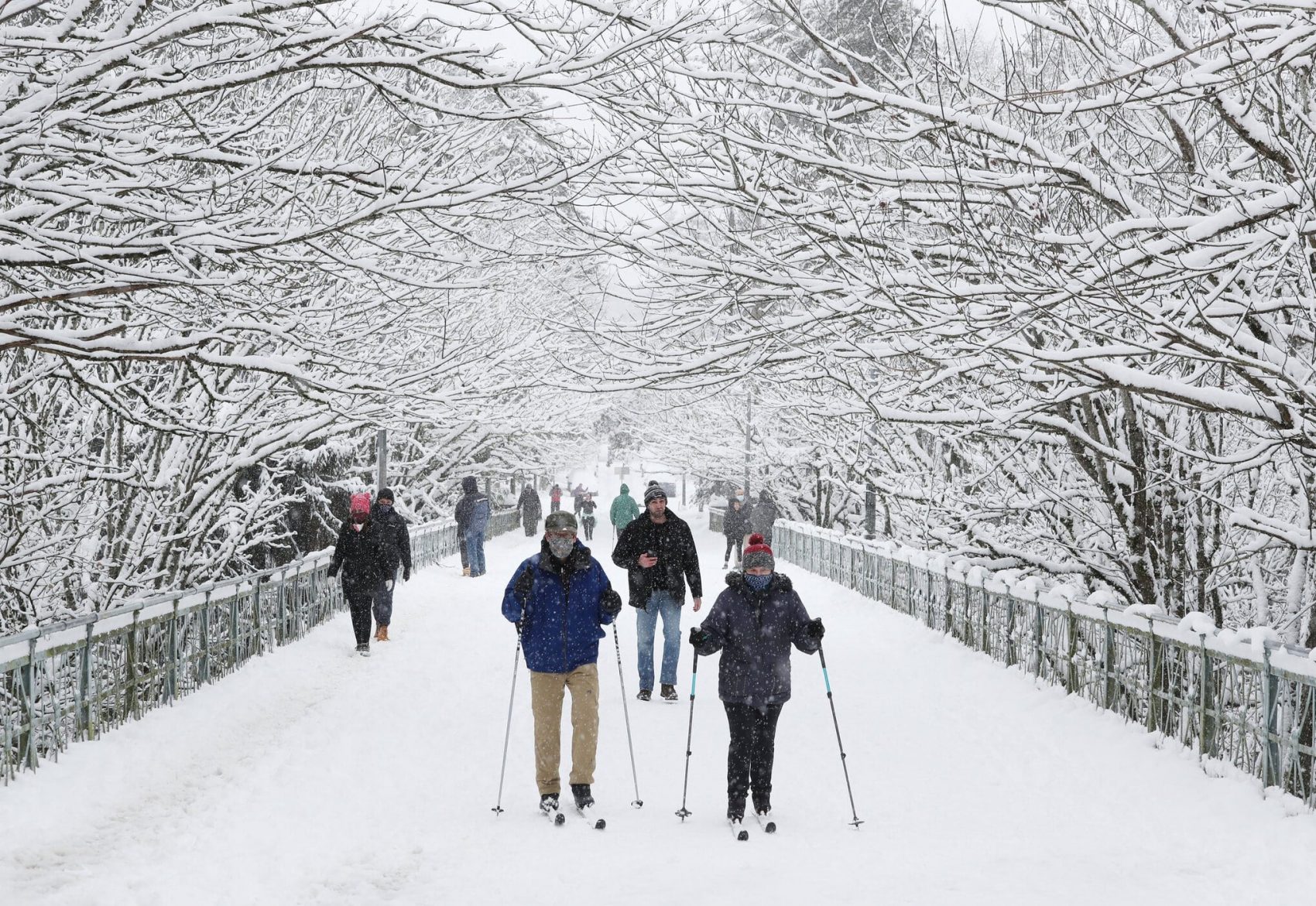
While snow can be disruptive, it also transforms Seattle into a picturesque winter wonderland, offering unique experiences for visitors.
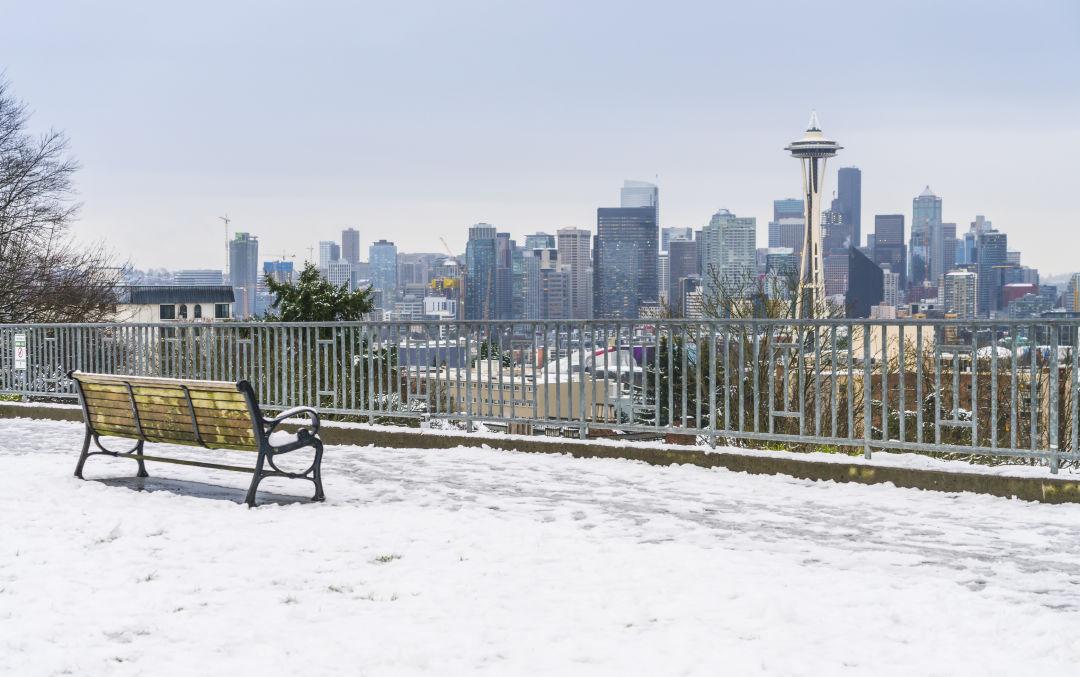
- Scenic Views: With snow, the iconic views of Mount Rainier and the surrounding Cascade Mountains become even more breathtaking. Look for vantage points like Kerry Park or the Space Needle for panoramic vistas.
- Cozy Cafes and Restaurants: Seattle is renowned for its vibrant coffee culture and culinary scene. A snowy day is the perfect excuse to duck into a warm cafe for a hot beverage or enjoy a comforting meal at one of the city’s many excellent restaurants. Consider exploring neighborhoods like Ballard or Capitol Hill for diverse dining options.
- Museums and Indoor Attractions: For a break from the elements, Seattle offers a wealth of indoor attractions. The Museum of Pop Culture (MoPOP), the Seattle Art Museum, and the Chihuly Garden and Glass provide engaging cultural experiences.
- Winter Walks (with caution): If conditions permit and you are properly attired, a walk through a snow-dusted park like Discovery Park or along the waterfront can be magical. Always check local conditions and exercise caution on slippery surfaces.
Beyond the Snow: Seattle’s Enduring Winter Appeal
Even when the snow doesn’t fall, Seattle, Washington offers a compelling winter destination, characterized by its unique Pacific Northwest ambiance. The question of snow is just one facet of a much richer seasonal experience.
The Charms of a Rainy Seattle Winter
Seattle’s winter allure often lies in its atmospheric rain. The persistent drizzle, when not accompanied by snow, creates a cozy, introspective mood that many find appealing.
- Emerald City Bloom: The rain nourishes the lush greenery that gives Seattle its “Emerald City” nickname. Parks and gardens remain vibrant, offering a splash of color against the often-grey skies.
- Cozy Indoor Pursuits: As mentioned, the city excels at providing inviting indoor spaces. From independent bookstores to world-class museums, there are endless ways to stay entertained and comfortable. The performing arts scene also thrives in winter, with theaters and music venues offering a rich array of performances.
- Seasonal Cuisine: Winter is a time for hearty, comforting food. Seattle’s culinary landscape offers plenty of options, from fresh seafood to warming bowls of ramen and innovative farm-to-table dishes. Many restaurants feature seasonal ingredients, making winter a delicious time to explore the local food scene.
Planning Your Seattle Winter Trip
When planning a winter visit to Seattle, flexibility is key. While you can’t guarantee snow, you can certainly prepare for a rewarding experience regardless of the weather.
- Accommodation Options: Seattle offers a wide range of accommodation, from boutique hotels in neighborhoods like Pioneer Square to larger chains downtown and charming bed and breakfasts in quieter residential areas. Consider booking a hotel with good indoor amenities, such as a well-equipped gym or a cozy lounge, to make the most of any weather. Options like The Edgewater Hotel offer unique waterfront experiences.
- Itinerary Building: While iconic landmarks like the Space Needle and Pike Place Market are must-sees year-round, consider incorporating more indoor activities into your itinerary during the winter months. This ensures you have enjoyable options even if the weather is inclement.
- Local Events and Festivals: Check local event listings for winter-specific activities. Many holiday markets extend into early winter, and there are often concerts, art exhibitions, and other cultural events taking place.
Ultimately, whether it’s snowing in Seattle or just raining, the city offers a compelling blend of natural beauty, cultural richness, and urban sophistication. By understanding its climate and embracing its seasonal character, visitors can ensure a memorable and enjoyable trip. The magic of the Pacific Northwest winter is not solely dependent on the presence of snow, but on the unique atmosphere and experiences the region offers year-round.
LifeOutOfTheBox is a participant in the Amazon Services LLC Associates Program, an affiliate advertising program designed to provide a means for sites to earn advertising fees by advertising and linking to Amazon.com. Amazon, the Amazon logo, AmazonSupply, and the AmazonSupply logo are trademarks of Amazon.com, Inc. or its affiliates. As an Amazon Associate we earn affiliate commissions from qualifying purchases.