
The journey between two of California’s most prominent metropolitan areas, San Jose and Los Angeles, is a frequently traveled route for business, leisure, and personal connections. Spanning a significant portion of the state, understanding the distance and the implications for travel is essential for anyone planning this trip. While the question seems simple, the answer encompasses more than just mileage, factoring in geography, mode of transport, and the dynamic nature of travel in the Golden State.
The Geographic Span: Understanding the Distance
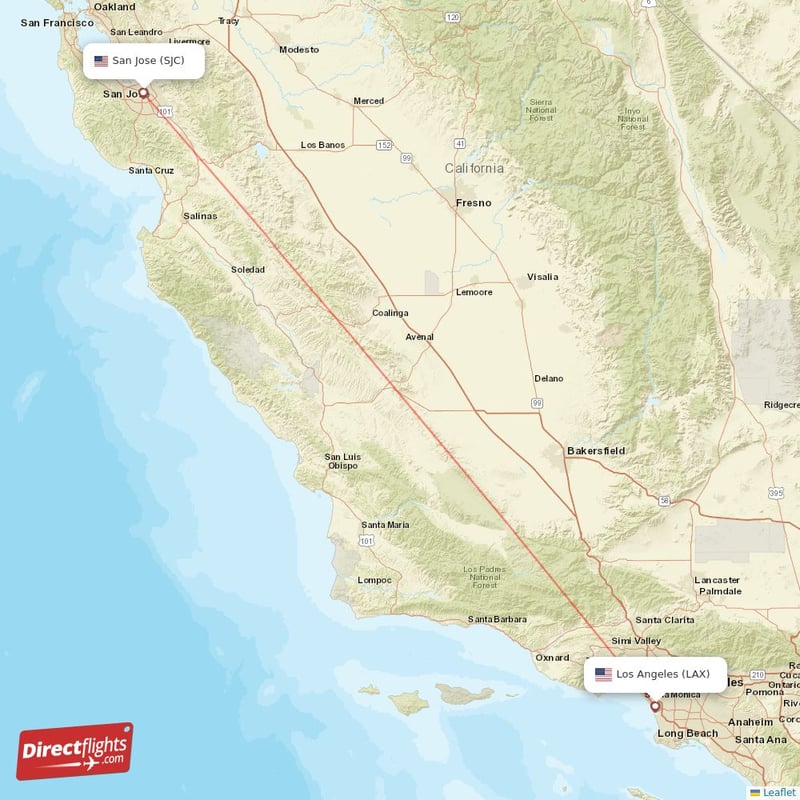
The direct linear distance, often referred to as “as the crow flies,” between San Jose and Los Angeles is approximately 300 to 310 miles (480-500 kilometers). However, this measurement is largely theoretical for ground travel. The actual distance one covers by road is significantly longer due to the winding nature of highways, geographical barriers, and the need to navigate through populated areas.
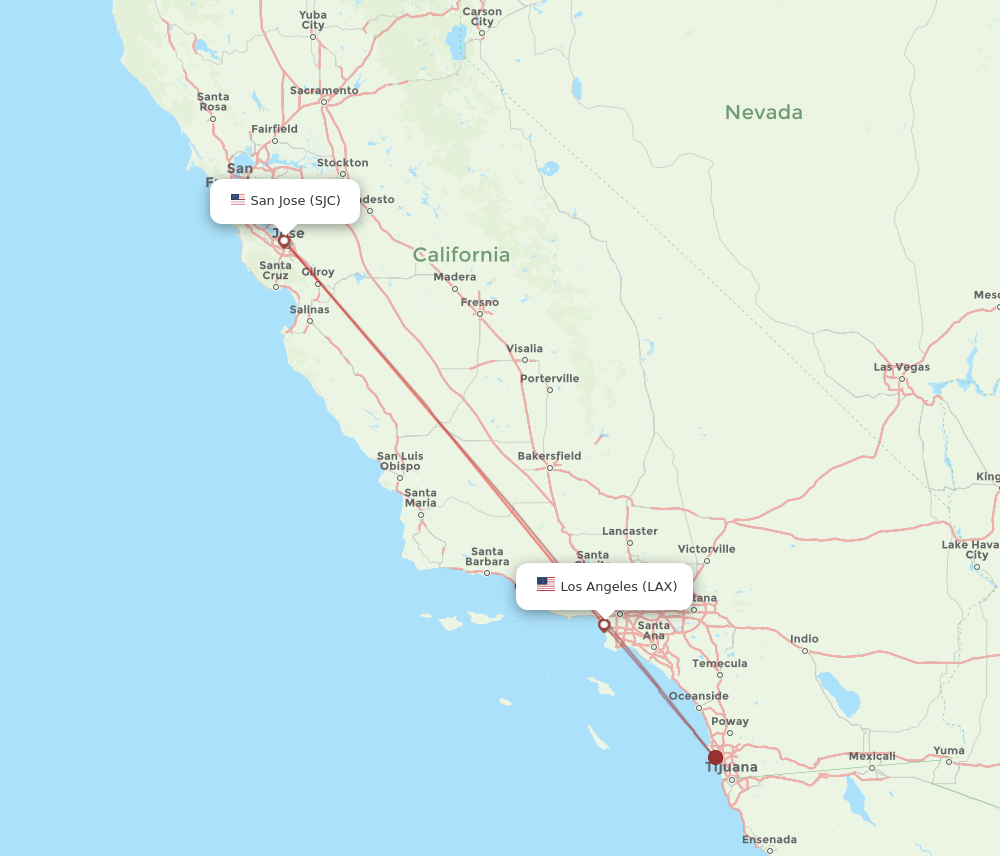
Direct Line vs. Driving Route
When planning a road trip, the practical driving distance is the most critical figure. The most common and direct driving routes typically range from 340 to 380 miles (547-612 kilometers), depending on the specific starting and ending points within each sprawling city and the chosen highway. For instance, traveling from Downtown San Jose to Downtown Los Angeles will yield a different mileage than going from San Jose’s Silicon Valley tech hubs to a coastal Los Angeles neighborhood like Santa Monica. The varied geography, from the agricultural expanse of the Central Valley to the mountain ranges dividing Southern California, contributes to these distinctions.
Key Interstates and Landmarks Along the Way
Three primary highway options connect these two major urban centers, each offering a distinct experience and slightly varying distances:
- Interstate 5 (I-5)): Often considered the most direct and fastest route for sheer mileage, I-5) runs through the heart of California’s Central Valley. This route is characterized by long stretches of agricultural land and fewer services than coastal routes. It involves ascending the challenging Grapevine (specifically, the Tejon Pass) as you approach Los Angeles. The distance via I-5) is typically around 340-350 miles.
- U.S. Route 101 (US-101)): Offering a more scenic coastal journey, US-101) hugs the Pacific coastline for much of its length. This route passes through charming cities like Paso Robles, San Luis Obispo, Santa Barbara, Ventura, and Oxnard, providing numerous opportunities for picturesque stops and ocean views. While more appealing visually, it’s generally a longer and slower drive due to more traffic and lower speed limits, totaling approximately 370-380 miles.
- California State Route 99 (SR 99)): An alternative through the Central Valley, SR 99) parallels I-5) to the east, passing through larger cities such as Fresno and Bakersfield. This route can be an option if I-5) experiences severe congestion or closures, or if one needs to visit locations further east within the valley. The distance is comparable to I-5), but travel times can vary.
Each route presents its own set of attractions and challenges, influencing both the time spent traveling and the overall journey experience.
Modes of Travel: From Driving to Flying
The choice of travel mode significantly impacts both the effective distance experienced and the overall duration of the trip between San Jose and Los Angeles.
Driving: The Classic California Road Trip
Driving remains the most popular option due to its flexibility and the ability to explore various points of interest along the way.
The driving time typically ranges from 5.5 to 7 hours without significant stops or heavy traffic, for the I-5) route. The US-101) route can easily take 7-9 hours, sometimes longer, especially during peak seasons or weekends. Factors such as fuel costs, vehicle wear and tear, and the need for rest stops should be accounted for.
The advantage of driving is the autonomy it provides, allowing travelers to diverge from the main highway to visit attractions, explore small towns, or simply take a break. Travelers can stop at places like the Gilroy Premium Outlets in Gilroy or explore the wine regions near Paso Robles and Santa Barbara on the US-101) route.
Air Travel: Speed and Convenience
For those prioritizing speed, flying is the fastest option. Direct flights between Mineta San José International Airport (SJC)) and Los Angeles International Airport (LAX)), or other regional airports like Hollywood Burbank Airport (BUR) or John Wayne Airport (SNA)), typically take about 1 to 1.5 hours of flight time.
However, the total travel time must include commuting to and from airports, security checks, boarding, and baggage claim. When factoring in these elements, a “door-to-door” journey by air can easily extend to 4-6 hours, making it comparable to, or sometimes only slightly faster than, a smooth drive on I-5). For solo travelers or those without much luggage, air travel can be efficient, particularly if origin and destination are close to airports.
Rail and Bus: Scenic and Economical Alternatives
- Rail Travel: Amtrak offers train services connecting the San Francisco Bay Area (which includes San Jose) to Los Angeles. The Coast Starlight route, one of America’s most scenic train journeys, runs along the coast, offering stunning views but a lengthy travel time, typically 9-12 hours. Another option is a combination of Amtrak’s San Joaquins from the Central Valley with a bus connection to San Jose or Los Angeles. Rail travel is often chosen for its comfort, space, and the ability to relax and enjoy the scenery without the stress of driving.
- Bus Services: Companies like Greyhound and Megabus provide economical bus services between the two cities. Travel times by bus are generally longer than driving, ranging from 7 to 10 hours, depending on the route, stops, and traffic conditions. While less flexible than driving, buses offer a cost-effective solution and eliminate the need for personal vehicle maintenance or parking.
Estimating Travel Time: Factors to Consider
Simply knowing the distance is only one part of the travel equation; accurately estimating the time required for the journey is equally important. Several factors can significantly influence how long it takes to traverse the distance between San Jose and Los Angeles.
Traffic Congestion: A Major Variable
California’s major urban corridors, especially around the San Francisco Bay Area and Los Angeles, are notorious for traffic congestion. Peak travel times, typically weekday mornings (6 AM – 9 AM) and afternoons (3 PM – 7 PM), can add substantial delays to any road trip. Weekends and holidays also see increased traffic volume, particularly on major arteries and near popular attractions like Disneyland or Universal Studios Hollywood. Utilizing real-time traffic apps and planning to travel during off-peak hours can drastically reduce travel time. For example, leaving San Jose early in the morning (before 6 AM) or later in the evening (after 7 PM) can shave hours off the journey into Los Angeles.
Stops and Detours: Enhancing the Journey
The estimated driving times typically assume a non-stop journey. However, for a trip of 5.5 to 9 hours, most travelers will need to make at least one or two stops for fuel, food, and restroom breaks. These essential pauses can add 30 minutes to an hour to the total travel time. Moreover, if the intent is to transform the journey into a scenic road trip, detours to attractions along the US-101) or through specific towns will naturally extend the duration. Planning for these stops and treating them as part of the experience, rather than mere interruptions, can enhance the trip’s enjoyment.
Best Times to Travel
To minimize travel time and maximize comfort, consider the following:
- Mid-week travel (Tuesday through Thursday) often experiences lighter traffic than weekends or Mondays/Fridays.
- Off-peak hours for departure and arrival in major metropolitan areas are crucial. Aim to pass through San Jose and Los Angeles during the middle of the day or late at night.
- Avoid major holidays like Thanksgiving, Christmas, or Labor Day, when roads can become severely congested, and travel times can double.
Planning Your Journey: Essential Travel Tips
Regardless of the chosen mode, a well-planned trip between San Jose and Los Angeles ensures a smoother and more enjoyable experience.
Vehicle Preparation and Maintenance for Road Trips
If driving, ensure your vehicle is in optimal condition. This includes checking tire pressure, oil levels, brakes, and fluid levels. A pre-trip check by a mechanic can prevent unexpected breakdowns, especially when traversing remote sections of I-5) or the mountain passes. Keep a spare tire, a basic tool kit, and emergency supplies (water, blankets, first-aid kit) in your vehicle. For electric vehicle owners, planning charging stops along the route is paramount, as charging infrastructure can vary.
Accommodation and Rest Stops
For longer journeys, especially if you opt for the scenic US-101) route with multiple stops, consider breaking up the drive with an overnight stay. Charming towns like San Luis Obispo or Santa Barbara offer excellent lodging and dining options, turning a long drive into a mini-vacation. Even for a single-day drive, identifying suitable rest stops or traveler centers in advance helps maintain focus and reduce fatigue. Cities like Santa Clarita and Bakersfield offer numerous services as you transition between the Central Valley and the Los Angeles basin.
Packing Essentials and Entertainment
Prepare for varying California weather conditions, packing layers as temperatures can fluctuate significantly between the Bay Area, the Central Valley, and Southern California. Sunscreen, hats, and sunglasses are advisable year-round. For entertainment, download podcasts, audiobooks, or a curated playlist. Physical maps can be a useful backup in areas with spotty cell service, although GPS navigation is generally reliable. Snacks and drinks are also crucial to avoid unnecessary stops and maintain energy levels.
The distance between San Jose and Los Angeles is more than just a number; it represents a diverse range of travel experiences and logistical considerations. By understanding the various routes, modes of transportation, and potential challenges, travelers can effectively plan their journey, transforming a long commute into an integral part of their California adventure.
LifeOutOfTheBox is a participant in the Amazon Services LLC Associates Program, an affiliate advertising program designed to provide a means for sites to earn advertising fees by advertising and linking to Amazon.com. Amazon, the Amazon logo, AmazonSupply, and the AmazonSupply logo are trademarks of Amazon.com, Inc. or its affiliates. As an Amazon Associate we earn affiliate commissions from qualifying purchases.