
Embarking on a transcontinental journey across the United States from the sun-kissed shores of California to the vibrant peninsulas of Florida is a common travel endeavor, whether for business, leisure, or family visits. This significant distance means understanding flight duration is paramount for planning and managing expectations. The exact length of a flight can vary considerably based on several factors, including the specific departure and arrival airports, the presence of layovers, the airline, and even prevailing wind conditions. This comprehensive guide delves into the nuances of this cross-country air travel, providing insights to help you prepare for your trip.
Understanding the Transcontinental Journey
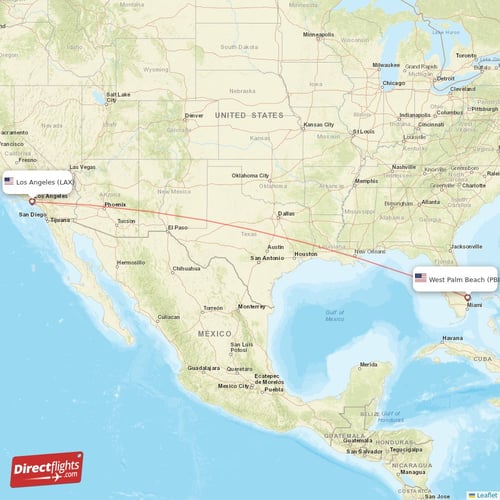
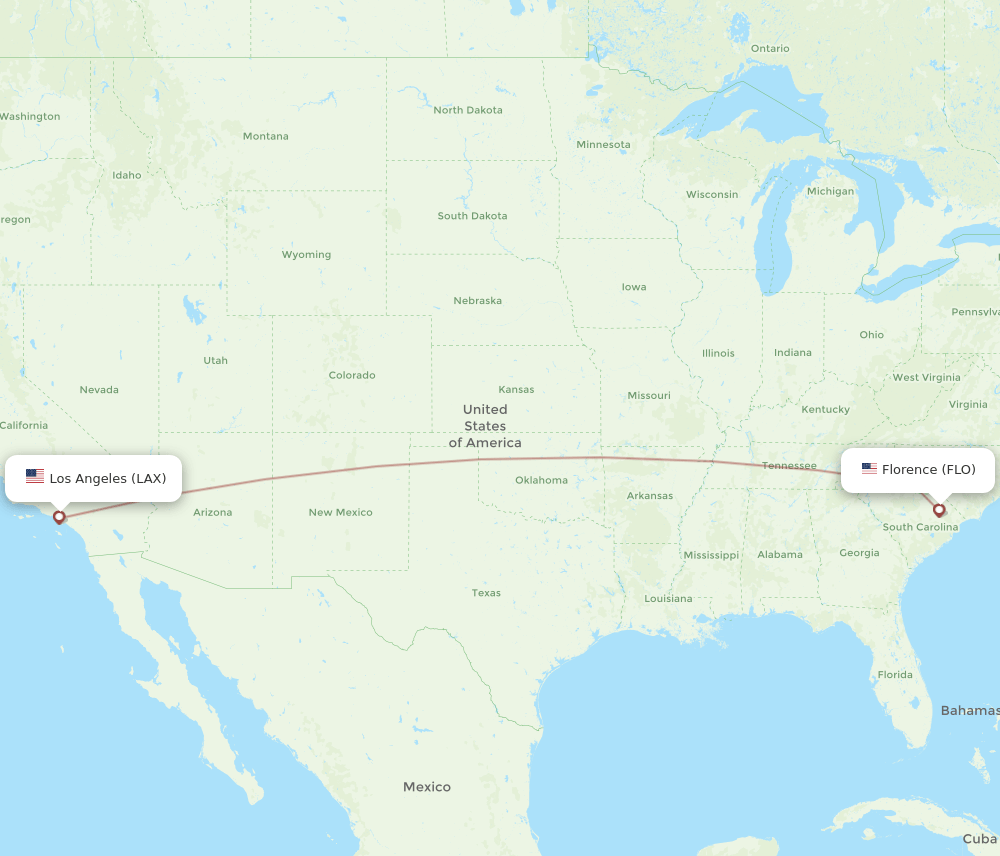
Flying from the West Coast to the East Coast spans a vast geographical area, crossing multiple time zones and thousands of miles. This makes it one of the longer domestic flights within the contiguous United States, necessitating careful consideration of travel time.
Average Non-Stop Flight Durations
For travelers prioritizing speed and convenience, non-stop flights are the ideal choice. The direct air distance between major hubs in California and Florida is approximately 2,200 to 2,500 miles, depending on the specific city pair.
- From Los Angeles (LAX) to Miami (MIA): A direct flight typically ranges from 4 hours and 45 minutes to 5 hours and 30 minutes.
- From Los Angeles (LAX) to Orlando (MCO): Expect a non-stop journey of about 4 hours and 50 minutes to 5 hours and 40 minutes.
- From San Francisco (SFO) to Miami (MIA): Due to its more northern starting point, flights can be slightly longer, averaging 5 hours to 5 hours and 50 minutes.
- From San Francisco (SFO) to Orlando (MCO): Similar to Miami, this route generally takes between 5 hours and 10 minutes and 6 hours.
These times represent the actual airborne duration. Factor in additional time for boarding, taxiing, and deplaning, which can add 30-60 minutes to your total airport experience.
Key Factors Influencing Flight Time
Several elements contribute to the precise duration of a flight between California and Florida:
- Distance Between Airports: The exact mileage between your departure and arrival gates is the primary determinant. A flight from San Diego International Airport to Tampa International Airport will differ slightly from one between Oakland International Airport and Jacksonville International Airport.
- Aircraft Speed: Different aircraft models have varying cruising speeds. A newer, more aerodynamic jet might complete the journey slightly faster than an older model.
- Wind Conditions: Headwinds (winds blowing against the direction of travel) can significantly increase flight time, while tailwinds (winds blowing in the direction of travel) can shorten it. This is a common factor in transcontinental flights, where strong jet streams can play a role.
- Air Traffic Control (ATC) Delays: Busy airspaces, particularly around major hubs like Los Angeles International Airport (LAX) or Miami International Airport (MIA), can lead to holding patterns or delayed takeoffs, extending overall travel time.
- Route Optimization: Airlines use sophisticated software to determine the most efficient flight path, taking into account weather, restricted airspaces, and other factors to minimize fuel consumption and flight duration.
Major Departure Hubs in California
California boasts several large international airports that serve as primary gateways for cross-country travel.
Los Angeles International Airport (LAX)
As one of the busiest airports in the world, LAX offers numerous direct flights to Florida. Its central location in Southern California makes it accessible to a vast population. Airlines such as American Airlines, Delta Air Lines, United Airlines, and Spirit Airlines frequently operate non-stop routes from LAX to major Florida cities.
San Francisco International Airport (SFO)
Serving the San Francisco Bay Area, SFO is another crucial hub for transcontinental flights. While slightly further north than LAX, it still provides excellent connectivity to Florida, often with similar flight durations. United Airlines, Alaska Airlines, and JetBlue Airways are among the carriers offering direct services from SFO.
Other Notable California Airports
While LAX and SFO are the dominant players, other airports in California also facilitate travel to Florida, though often with fewer non-stop options.
- San Diego International Airport (SAN): Offers direct flights to some Florida cities, generally comparable in duration to LAX departures.
- Oakland International Airport (OAK): A more budget-friendly alternative to SFO, with Southwest Airlines often providing direct service to Florida.
- San Jose Mineta International Airport (SJC): Also serves the Bay Area, sometimes offering non-stops or competitive connecting flights.
Primary Arrival Destinations in Florida
Florida is a popular destination, and its major airports are well-equipped to handle the influx of travelers from California and beyond.
Orlando International Airport (MCO)
MCO is a primary gateway for tourists heading to Walt Disney World Resort, Universal Orlando Resort, and other theme parks in Central Florida. It receives a high volume of direct flights from California, making it a convenient arrival point for many visitors.
Miami International Airport (MIA)

Serving as a major international hub and a gateway to Latin America, MIA is also a key destination for flights from California. Travelers heading to South Florida, including Miami Beach, the Florida Keys, or cruise departures, often choose MIA.
Fort Lauderdale-Hollywood International Airport (FLL)
Located just north of Miami, FLL is another significant airport, especially popular with budget airlines like Spirit Airlines and Frontier Airlines. It offers an alternative for travelers visiting South Florida and often boasts competitive fares and direct routes from California.
Tampa International Airport (TPA)
On Florida’s Gulf Coast, TPA serves Tampa, St. Petersburg, and surrounding areas. It has fewer direct flights from California compared to Orlando or Miami but remains a viable option, often requiring a single layover for convenience.
Navigating Layovers and Connecting Flights
While non-stop flights are the quickest, they are not always available or the most cost-effective. Connecting flights introduce layovers, significantly increasing total travel time.
The Trade-off: Time vs. Cost
Flights with one or more layovers can extend your journey from 8 hours to upwards of 12-15 hours or more, depending on the length and number of stops. However, these flights are frequently cheaper than direct options. Travelers on a budget or with flexible schedules might find connecting flights a more attractive choice. It’s crucial to weigh the savings against the added travel duration and potential for delays.
Common Layover Cities
Many airlines route California to Florida flights through their major hubs in the central or eastern United States. Common layover cities include:
- Dallas/Fort Worth (DFW)
- Houston (IAH)
- Atlanta (ATL)
- Chicago (ORD/MDW)
- Denver (DEN)
- Phoenix (PHX)
When booking, pay attention to the layover duration. A short layover (under 1 hour) might be risky for making your connection, especially in large, busy airports. A very long layover might be suitable for exploring the layover city, but generally just adds to travel fatigue.
Tips for Managing Connecting Flights
- Allow Ample Layover Time: Aim for at least 1.5 to 2 hours for domestic connections, especially if you have to change terminals or if traveling with checked luggage.
- Check Gate Changes: Always confirm your next flight’s gate upon landing, as changes are common.
- Stay Hydrated and Mobile: Long travel days can be exhausting. Drink plenty of water and try to walk around during your layovers.
- Utilize Airport Amenities: Many major airports offer lounges, charging stations, and various dining options to make your wait more comfortable.
Optimizing Your Flight Experience
A cross-country flight, even a direct one, is a substantial commitment of time. Planning ahead can significantly enhance your comfort and overall experience.
Best Time to Book
Flight prices and availability fluctuate. Generally, booking 1 to 3 months in advance for domestic travel yields the best fares. Mid-week flights (Tuesday, Wednesday) are often cheaper than weekend travel. Avoid peak travel seasons like major holidays or school breaks if flexibility allows, as these times will see higher demand and prices. Using flight comparison websites and setting price alerts can help you find optimal booking times.
Choosing the Right Airline
Major carriers like American Airlines, Delta Air Lines, and United Airlines typically offer a more consistent experience, often with in-flight entertainment, Wi-Fi, and complimentary snacks. Budget airlines such as Spirit Airlines, Frontier Airlines, and Southwest Airlines can provide significantly lower fares but often charge extra for baggage, seat selection, and amenities. Consider your priorities: comfort and amenities versus cost savings.
Preparing for a Long-Haul Domestic Flight
- Pack Essentials in Your Carry-On: Keep medications, chargers, a change of clothes, and any comfort items accessible.
- Stay Hydrated: The dry air in aircraft cabins can be dehydrating. Drink water regularly and limit caffeine and alcohol.
- Dress Comfortably: Loose-fitting clothing and layers are advisable, as cabin temperatures can vary.
- Entertainment: Load up your devices with movies, shows, books, or podcasts. While some airlines offer in-flight entertainment, having your own ensures options.
- Snacks: Bring your own snacks to avoid overpriced airport food and ensure you have options you enjoy.
- Move Around: If possible, get up and walk the aisle periodically to promote circulation and prevent stiffness. Simple stretches in your seat can also help.
By understanding the factors that influence flight duration and preparing accordingly, your journey from California to Florida can be as smooth and comfortable as possible, setting the stage for an enjoyable trip to the Sunshine State.
LifeOutOfTheBox is a participant in the Amazon Services LLC Associates Program, an affiliate advertising program designed to provide a means for sites to earn advertising fees by advertising and linking to Amazon.com. Amazon, the Amazon logo, AmazonSupply, and the AmazonSupply logo are trademarks of Amazon.com, Inc. or its affiliates. As an Amazon Associate we earn affiliate commissions from qualifying purchases.