
The Maroon Bells are arguably the most photographed peaks in all of North America, drawing visitors from around the globe to witness their breathtaking beauty. These iconic twin peaks, rising majestically above the pristine waters of Maroon Lake, are a quintessential symbol of the Rocky Mountains and a must-see destination for any traveler venturing into the heart of Colorado. Understanding their location is the first step in planning an unforgettable visit to this natural wonder.
Unveiling the Location: Aspen’s Crown Jewel
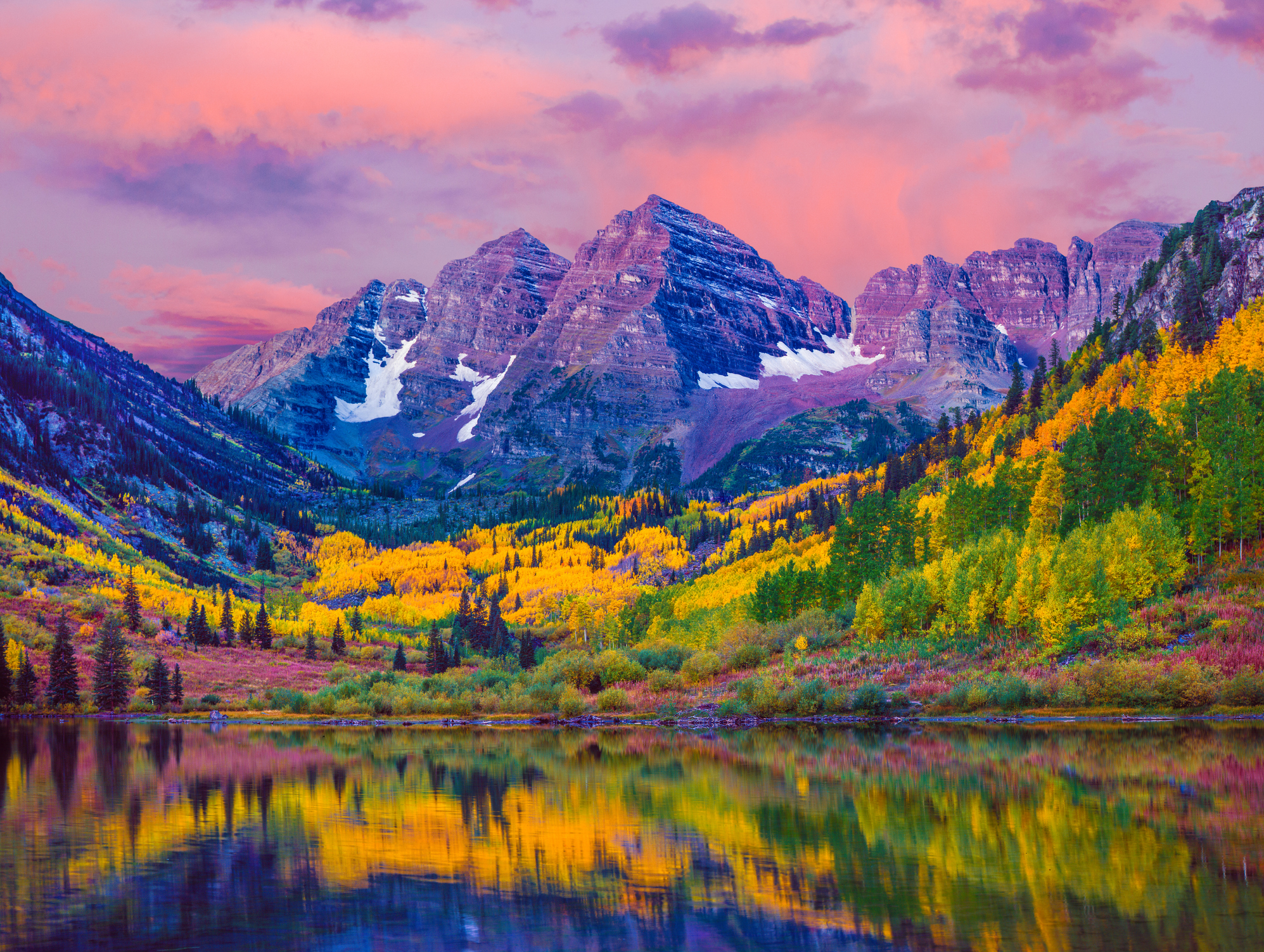
The Maroon Bells are nestled in the Elk Mountains near Aspen, Colorado. More specifically, they are situated in the White River National Forest, a vast expanse of protected wilderness that showcases the rugged grandeur of the Rockies. Their precise geographic coordinates place them roughly 10 miles southwest of the charming mountain town of Aspen. This proximity to Aspen makes them an accessible yet wonderfully remote destination, offering a perfect blend of natural splendor and refined amenities.
The Aspen Connection
The town of Aspen, renowned for its world-class skiing, vibrant arts scene, and luxurious accommodations, serves as the primary gateway to the Maroon Bells. Visitors typically fly into the Aspen/Pitkin County Airport (ASE), which offers scenic approaches and is just a short drive from the valley floor leading to the Bells. From Aspen, a dedicated shuttle system operates during peak season, providing essential access to the Maroon Lake Scenic Area. This managed access is crucial for preserving the fragile ecosystem and ensuring a quality visitor experience.
Navigating to the Maroon Lake Scenic Area
Reaching the base of the Maroon Bells involves a scenic journey, primarily through the Maroon Creek Road. This road is typically closed to private vehicles for much of the year, especially during the summer and fall seasons when visitor numbers are highest. Instead, visitors are encouraged to utilize the Roaring Fork Transportation Authority (RFTA) shuttle service.
- Shuttle Service: The shuttle is a convenient and environmentally conscious way to access the Maroon Bells. It departs from the Aspen Highlands Village and makes several stops along the scenic Maroon Creek Road before terminating at Maroon Lake. The ride itself is an experience, winding through dense forests and offering glimpses of the surrounding mountainous terrain.
- Private Vehicle Access: During the shoulder seasons or specific times of the year (which can vary), limited private vehicle access may be permitted. It is imperative to check the official White River National Forest and Aspen visitor information for the most current road status and access regulations. This often requires reservations or permits.
- Biking and Hiking: For the adventurous, biking or hiking along Maroon Creek Road are excellent alternatives. Biking offers a rewarding challenge with the potential to stop and explore at your own pace. Hiking allows for an even more immersive experience, with numerous trails branching off from the main road, leading to hidden alpine lakes and panoramic vistas.
Understanding the Maroon Bells: Natural Icons
The Maroon Bells are not just a single mountain but two distinct peaks: the Maroon Peak and the North Maroon Peak. Their imposing presence is a result of geological processes that have shaped the Rocky Mountains over millennia. The distinctive red hue that gives them their name comes from the weathering of the surrounding sedimentary rock, particularly the Maroon Formation, which is rich in iron oxide.
Geological Significance
The Maroon Bells are composed of Maroon Formation sedimentary rocks, dating back to the Pennsylvanian period. These rocks, characterized by their striking red and maroon coloration, were formed in ancient desert and shallow sea environments. Over millions of years, tectonic uplift, erosion, and glaciation sculpted these ancient layers into the dramatic, jagged peaks we see today. The sheer faces and prominent gullies are testaments to the powerful forces of nature that have shaped this landscape.
The Reflection Pond: Maroon Lake
The iconic reflection of the Maroon Bells in Maroon Lake is a sight that captivates photographers and nature lovers alike. Maroon Lake itself is a glacial lake, formed by the scouring action of ancient glaciers. Its still, clear waters provide a mirror-like surface, especially during the calm mornings, offering a perfect, almost surreal, reflection of the snow-capped peaks above. The lake is fed by the snowmelt and rainfall, contributing to its ever-changing beauty throughout the seasons.
Experiencing the Maroon Bells: Beyond the Viewpoint
While the classic viewpoint at Maroon Lake is undeniably spectacular, the Maroon Bells area offers a wealth of experiences for those willing to explore further. The Maroon Creek Road serves as a gateway to a network of trails that lead into the heart of the Maroon Bells-Snowmass Wilderness.
Hiking and Backpacking Trails
The Maroon Bells-Snowmass Wilderness is a hiker’s paradise, offering trails for all levels of fitness and experience.
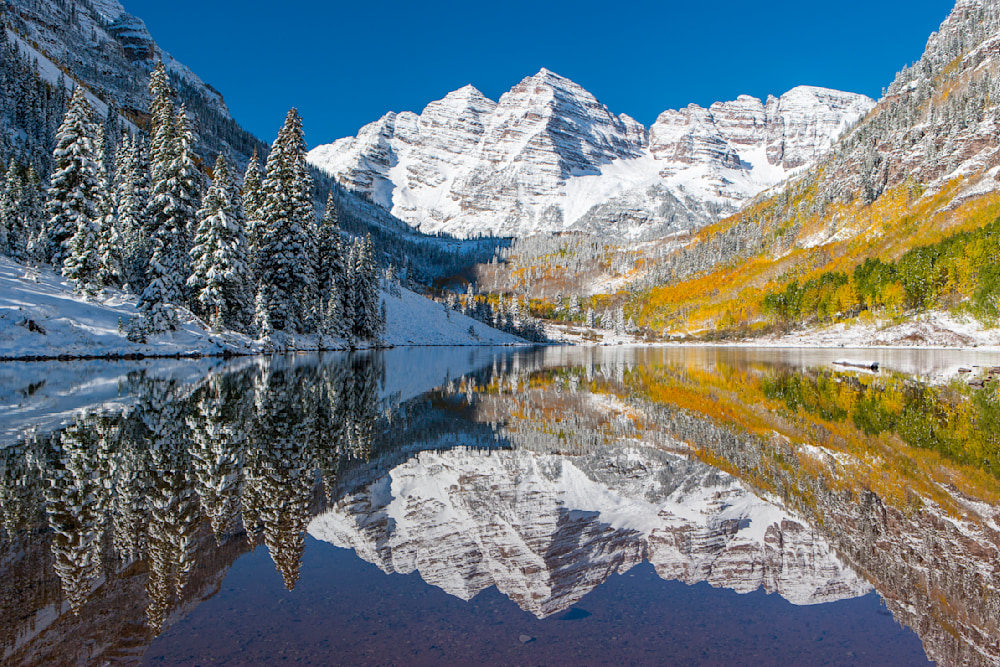
- Maroon Lake Scenic Trail: This is a short, paved, and accessible loop around Maroon Lake, perfect for a leisurely stroll and capturing those classic photographs. It offers stunning views without requiring significant exertion.
- Crater Lake Trail: This moderate 3.6-mile roundtrip hike leads to Crater Lake, offering even closer views of the Maroon Bells and a different perspective of their grandeur. The trail is well-maintained and passes through aspen groves and pine forests.
- Four Pass Loop: For experienced backpackers, the Four Pass Loop is a legendary 26-mile trek that circumnavigates the Maroon Bells and climbs over four high mountain passes: West Maroon Pass, Trail Rider Pass, Buckskin Pass, and Thunder Pass. This challenging but incredibly rewarding journey takes you through diverse alpine scenery, including meadows bursting with wildflowers and rugged, high-altitude terrain. Permits are required for overnight stays and should be secured well in advance.
- Conundrum Hot Springs Trail: Another popular backpacking route leads to the Conundrum Hot Springs, a natural hot spring located at high elevation. This trail is strenuous and requires careful planning due to its remote nature and potential for challenging weather conditions.
Wildlife Viewing and Nature Photography
The Maroon Bells area is teeming with diverse wildlife. Visitors might spot elk, deer, bighorn sheep, marmots, and a variety of bird species. The changing seasons bring different opportunities for wildlife viewing. Spring and early summer often see elk calves and fawns. Fall is renowned for the dramatic golden hues of the aspen trees and the rutting season for elk.
Nature photographers will find endless inspiration here. The interplay of light and shadow on the peaks, the vibrant colors of the wildflowers in summer, and the fiery foliage in autumn create a constantly evolving canvas. Early mornings and late afternoons often provide the most dramatic light for capturing the essence of this majestic landscape.
Seasonal Transformations
The Maroon Bells are a year-round spectacle, each season offering a unique and captivating experience.
- Spring: As the snow begins to melt, the landscape awakens. Wildflowers start to bloom, and the waterfalls fed by snowmelt add to the visual spectacle. Access to the area can be limited by snowpack in early spring.
- Summer: This is the peak season, with lush green meadows, vibrant wildflowers, and the Maroon Bells standing tall against blue skies. The shuttle service is fully operational, and the weather is generally pleasant for hiking and outdoor activities.
- Autumn: The fall colors are legendary. The aspen trees turn a brilliant gold, creating a breathtaking contrast with the dark green pines and the red rocks of the Maroon Bells. This is a popular time for leaf-peeping and photography.
- Winter: The Maroon Bells transform into a serene, snow-covered wonderland. While access to the scenic area is significantly restricted during winter, snowshoeing and backcountry skiing enthusiasts can still experience the grandeur of the surrounding wilderness, albeit with appropriate gear and expertise.
Planning Your Visit to the Maroon Bells
A successful trip to the Maroon Bells requires careful planning, especially considering the managed access and the remote nature of the location.
Best Time to Visit
While the Maroon Bells are beautiful year-round, the most popular times to visit are:
- Summer (June-August): For warm weather, blooming wildflowers, and full access.
- Fall (Mid-September to early October): For the spectacular autumn foliage.
Essential Preparations
- Check Access and Regulations: Always verify the latest information on road closures, shuttle schedules, and any required permits or reservations on official White River National Forest and Aspen visitor websites.
- Altitude Acclimation: Aspen and the Maroon Bells are at high altitudes (over 8,000 feet). Allow time to acclimate to the thinner air to avoid altitude sickness. Stay hydrated and avoid strenuous activity on your first day.
- Weather Preparedness: Mountain weather can change rapidly. Pack layers of clothing, including waterproof and windproof outerwear, even during summer. Sunscreen, hats, and sunglasses are essential due to the strong high-altitude sun.
- Footwear: Sturdy hiking boots are recommended for exploring the trails.
- Bear Safety: This is bear country. Carry bear spray and know how to use it. Store food properly and never feed wildlife.
- Leave No Trace: Practice Leave No Trace principles to help preserve the pristine beauty of the Maroon Bells-Snowmass Wilderness. Pack out everything you pack in, stay on designated trails, and respect wildlife.
Accommodation and Amenities
While there are no accommodations directly within the Maroon Bells scenic area, Aspen and its surrounding communities offer a wide range of lodging options, from luxurious resorts and boutique hotels to cozy cabins and vacation rentals.
- Aspen Hotels: Aspen boasts world-class hotels such as The Little Nell and St. Regis Aspen Resort, offering unparalleled luxury and service.
- Snowmass Village: A short drive from Aspen, Snowmass Village provides excellent ski-in/ski-out accommodations and family-friendly resorts.
- Basalt and Carbondale: For more budget-friendly options, the towns of Basalt and Carbondale offer alternative lodging and are still within reasonable driving distance of Aspen and the Maroon Bells.

Dining
Aspen is a culinary destination in itself, with an array of dining experiences to suit every palate. From fine dining establishments to casual cafes, visitors can enjoy a variety of cuisines before or after their excursion to the Maroon Bells.
The Maroon Bells are more than just a beautiful landscape; they are a testament to the enduring power and majesty of the American West. A visit to this iconic Colorado landmark promises an experience that is both awe-inspiring and deeply rejuvenating, leaving you with memories that will last a lifetime.
LifeOutOfTheBox is a participant in the Amazon Services LLC Associates Program, an affiliate advertising program designed to provide a means for sites to earn advertising fees by advertising and linking to Amazon.com. Amazon, the Amazon logo, AmazonSupply, and the AmazonSupply logo are trademarks of Amazon.com, Inc. or its affiliates. As an Amazon Associate we earn affiliate commissions from qualifying purchases.