
Embarking on a journey across the continental United States from the sunny beaches of Florida to the diverse landscapes of California is a significant undertaking for any traveler. This transcontinental flight covers a substantial distance, typically ranging from 2,500 to 3,000 miles, depending on the specific departure and arrival points. Understanding the factors that influence flight duration is key to planning an efficient and comfortable trip. While a direct flight offers the quickest passage, various considerations, from airport selection to prevailing weather patterns, can affect the overall travel time. This guide delves into the specifics of what to expect when flying between these two prominent states, offering insights to help travelers prepare for their journey.
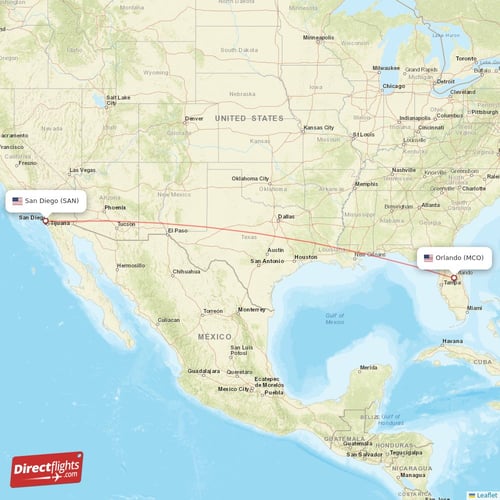
Understanding the Transcontinental Journey
A flight from Florida to California traverses multiple time zones and covers a vast expanse of the American interior. This isn’t a short hop; it’s a long-haul domestic flight that requires preparation similar to an international journey in terms of duration and potential for discomfort. The primary goal for most travelers is to minimize travel time while maximizing comfort and convenience. For those traveling for business, efficiency is paramount, while leisure travelers might prioritize cost savings, even if it means a slightly longer journey with a layover. Regardless of the reason for travel, a comprehensive understanding of flight dynamics between these two states is invaluable.
The geographic spread of both Florida and California means that flight times can vary considerably. A flight from Miami to Los Angeles will differ in duration from a flight originating in Jacksonville and landing in San Francisco. These variations are critical for itinerary planning, especially when connecting flights are involved or when specific arrival times are essential.
Key Factors Influencing Flight Duration
Several critical elements dictate how long your flight from Florida to California will take. Understanding these can help you choose the best flight option for your needs.
Direct vs. Connecting Flights
The most significant differentiator in flight time is whether you choose a non-stop (direct) flight or one with one or more layovers.
- Non-Stop Flights: These are the fastest, as they involve no intermediate stops. The plane departs from your origin airport and flies directly to your destination. For routes between major hubs like Miami International Airport (MIA) and Los Angeles International Airport (LAX), non-stop flights are widely available and typically range from 5 hours to 6 hours and 30 minutes in the air.
- Connecting Flights: While often more affordable, connecting flights significantly increase total travel time. The layover duration can range from a quick 45-minute sprint through an airport to several hours, or even an overnight stay. Common layover cities for transcontinental flights include Dallas, Houston, Atlanta, Denver, or Chicago. A connecting flight can easily add 3-8 hours (or more) to your journey, making total travel time anywhere from 8 to 15 hours, depending on the connection.
Departure and Arrival Airports
The specific airports chosen for departure and arrival play a substantial role. Flights between major international hubs tend to be quicker and more direct due to higher demand and more efficient routing.
- Florida Major Airports: Miami International Airport (MIA), Orlando International Airport (MCO), Fort Lauderdale-Hollywood International Airport (FLL), Tampa International Airport (TPA), and Jacksonville International Airport (JAX).
- California Major Airports: Los Angeles International Airport (LAX), San Francisco International Airport (SFO), San Diego International Airport (SAN), Oakland International Airport (OAK), and Sacramento International Airport (SMF).
Flights between major city pairs like Miami and Los Angeles, or Orlando and San Francisco, are usually the shortest due to higher frequency of non-stop services and more direct routes. Flying from a smaller regional airport in Florida to a smaller regional airport in California will almost always involve at least one, if not two, connections, significantly extending travel time.
Aircraft Type and Air Traffic
The type of aircraft can marginally influence flight speed, though this is less of a factor for standard commercial flights within the US. More impactful is air traffic control. Busy airspace around major hubs like LAX or MIA can lead to holding patterns, taxi delays, and longer flight paths, adding minutes or even an hour to the advertised flight time.
Weather Conditions and Jet Stream
Mother Nature plays a significant role. Headwinds, especially the powerful jet stream, can substantially slow down westbound flights. Eastbound flights, however, often benefit from tailwinds, shortening the journey. For instance, a flight from Florida to California flying against the jet stream might take 30-60 minutes longer than the return trip. Severe weather, like thunderstorms, can also lead to rerouting or delays, impacting overall travel time.
Typical Flight Times Between Major Cities
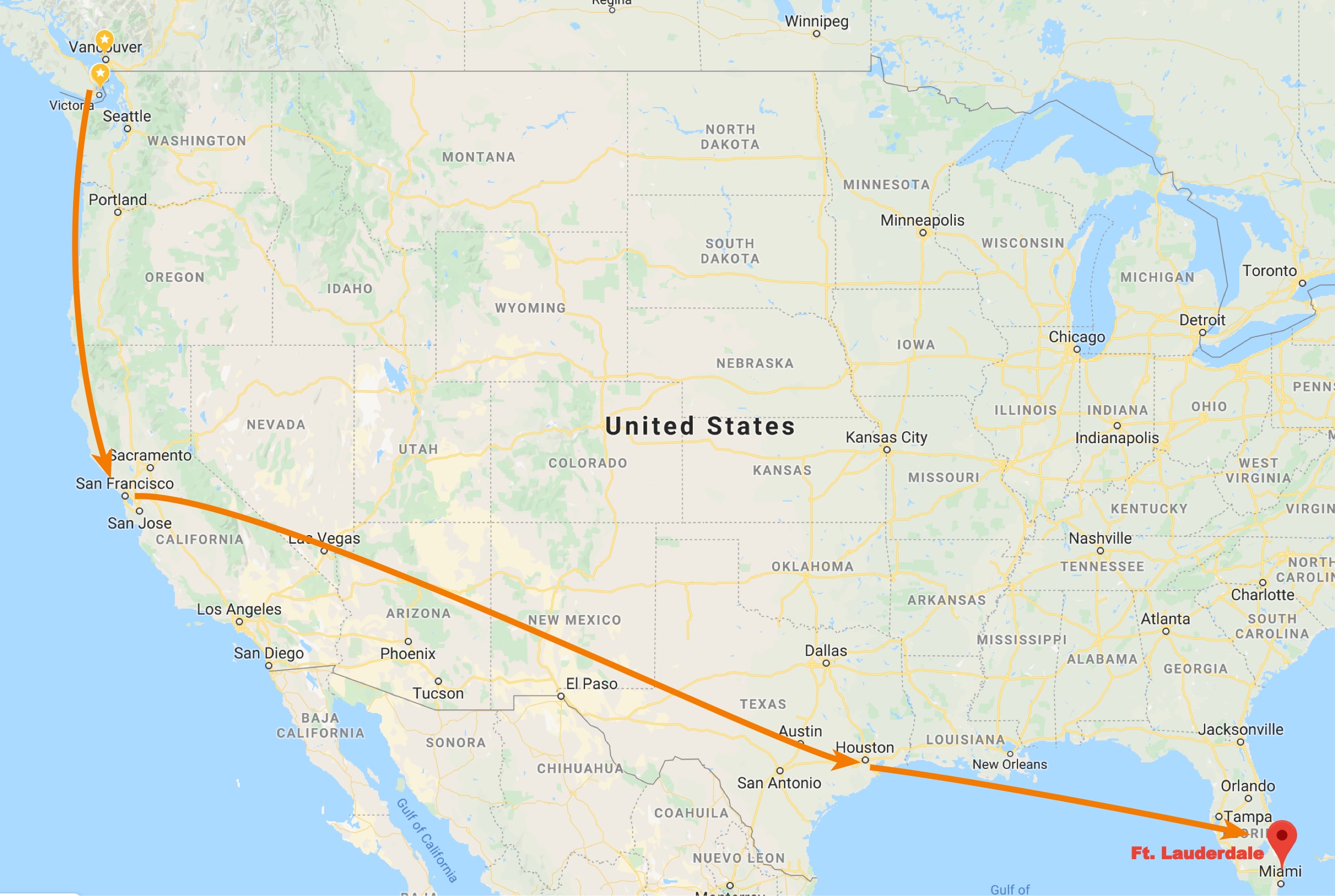
To give a clearer picture, let’s look at typical flight durations for popular routes. These times represent the actual airborne duration and do not include taxiing, gate delays, or security checks.
Non-Stop Routes
- Miami (MIA) to Los Angeles (LAX): Approximately 5 hours 30 minutes to 6 hours 15 minutes. This is one of the most common and shortest non-stop routes.
- Orlando (MCO) to Los Angeles (LAX): Around 5 hours 45 minutes to 6 hours 30 minutes.
- Fort Lauderdale (FLL) to Los Angeles (LAX): Typically 5 hours 45 minutes to 6 hours 30 minutes.
- Tampa (TPA) to Los Angeles (LAX): Roughly 5 hours 45 minutes to 6 hours 30 minutes.
- Orlando (MCO) to San Francisco (SFO): Expect 6 hours to 6 hours 45 minutes, as San Francisco is further north.
- Miami (MIA) to San Francisco (SFO): Can range from 6 hours 15 minutes to 7 hours. This is one of the longer non-stop domestic routes.
- Fort Lauderdale (FLL) to San Francisco (SFO): Similar to MIA-SFO, roughly 6 hours 15 minutes to 7 hours.
- Orlando (MCO) to San Diego (SAN): Around 6 hours to 6 hours 45 minutes.
Flights with One Stop
For flights with a single layover, the total travel time can be significantly longer.
- From Florida to California via Atlanta Hartsfield-Jackson International Airport (ATL): A common connection point. Total travel time could be 8 to 10 hours, including a 1.5-2 hour layover.
- Via Dallas/Fort Worth International Airport (DFW) or Houston George Bush Intercontinental Airport (IAH): Another popular connecting hub. Expect total travel times of 9 to 12 hours, depending on the connection length.
- Via Denver International Airport (DEN): Located more centrally, Denver is also a frequent stop. Total travel time could be 9 to 12 hours.
These estimates emphasize the importance of carefully evaluating direct vs. connecting options based on your schedule, budget, and comfort preferences.
Preparing for Your Long-Haul Domestic Flight
A flight from Florida to California is essentially a half-day journey. Proper preparation can significantly enhance your experience.
Booking Smart
- Consider Early Morning Flights: These are often less prone to delays caused by accumulating air traffic or weather issues throughout the day.
- Book Non-Stop if Possible: If your budget allows and you value time, a non-stop flight is almost always superior.
- Check Layover Times: If you must connect, ensure sufficient time (at least 1.5-2 hours for major hubs) to make your connecting flight without undue stress, especially if gates are far apart or you need to re-clear security.
Packing Essentials
- Comfortable Clothing: Wear loose-fitting, breathable layers.
- Hydration: Bring an empty water bottle to fill after security. Staying hydrated is crucial on long flights.
- Snacks: While airlines offer some food, having your preferred snacks can make a big difference, especially with potential delays.
- Entertainment: Load your devices with movies, TV shows, e-books, podcasts, or music. A good noise-canceling headphone can be a lifesaver.
- Comfort Aids: A neck pillow, eye mask, and earplugs can help you rest.
Managing Comfort and Boredom
- Move Around: Stand up, stretch, and walk the aisle periodically to promote circulation and prevent stiffness.
- Stay Hydrated, Limit Caffeine and Alcohol: While tempting, these can dehydrate you and disrupt sleep patterns.
- Engage in Activities: Read, work, listen to music, or watch movies. Break up your activities to avoid monotony.
- Consider a Window or Aisle Seat: Window seats offer views and a place to lean, while aisle seats provide easy access for stretching and bathroom breaks.
Navigating Time Zone Changes
Flying from Florida (Eastern Time Zone) to California (Pacific Time Zone) means crossing three time zones (or four if you count Central and Mountain). You will “lose” three hours on the clock upon arrival. For example, if you depart Miami at 9:00 AM Eastern Time and have a 6-hour flight to Los Angeles, you will land around 3:00 PM Eastern Time, but it will be 12:00 PM Pacific Time.
- Adjust Before You Fly: Start shifting your sleep schedule a day or two before your flight.
- Set Your Watch to Destination Time: As soon as you board, adjust your watch to California time to mentally prepare.
- Expose Yourself to Light: Upon arrival, seek natural light during the day to help reset your circadian rhythm, and avoid bright lights at night.

Making the Most of Your Journey
While a flight from Florida to California is a necessity for cross-country travel, it doesn’t have to be merely endured. By understanding the intricacies of flight durations, making informed choices about routes and airports, and preparing thoughtfully for the journey itself, travelers can transform this lengthy transit into a seamless and relatively comfortable experience. Whether you’re chasing the California sun for leisure or embarking on a crucial business trip, being well-informed ensures that your focus remains on your destination rather than the journey’s challenges.
LifeOutOfTheBox is a participant in the Amazon Services LLC Associates Program, an affiliate advertising program designed to provide a means for sites to earn advertising fees by advertising and linking to Amazon.com. Amazon, the Amazon logo, AmazonSupply, and the AmazonSupply logo are trademarks of Amazon.com, Inc. or its affiliates. As an Amazon Associate we earn affiliate commissions from qualifying purchases.