
The anticipation of a new academic year often sparks curiosity about the specific start dates for schools across a state. For families in Oregon, understanding the general timeline for school openings is crucial for planning vacations, summer activities, and even logistical arrangements. While individual districts set their precise calendars, a predictable pattern emerges each year, influenced by state mandates, local traditions, and the pursuit of an optimal learning environment. This guide delves into the typical start dates for Oregon schools, offering insights into the factors that shape these decisions and how families can stay informed.
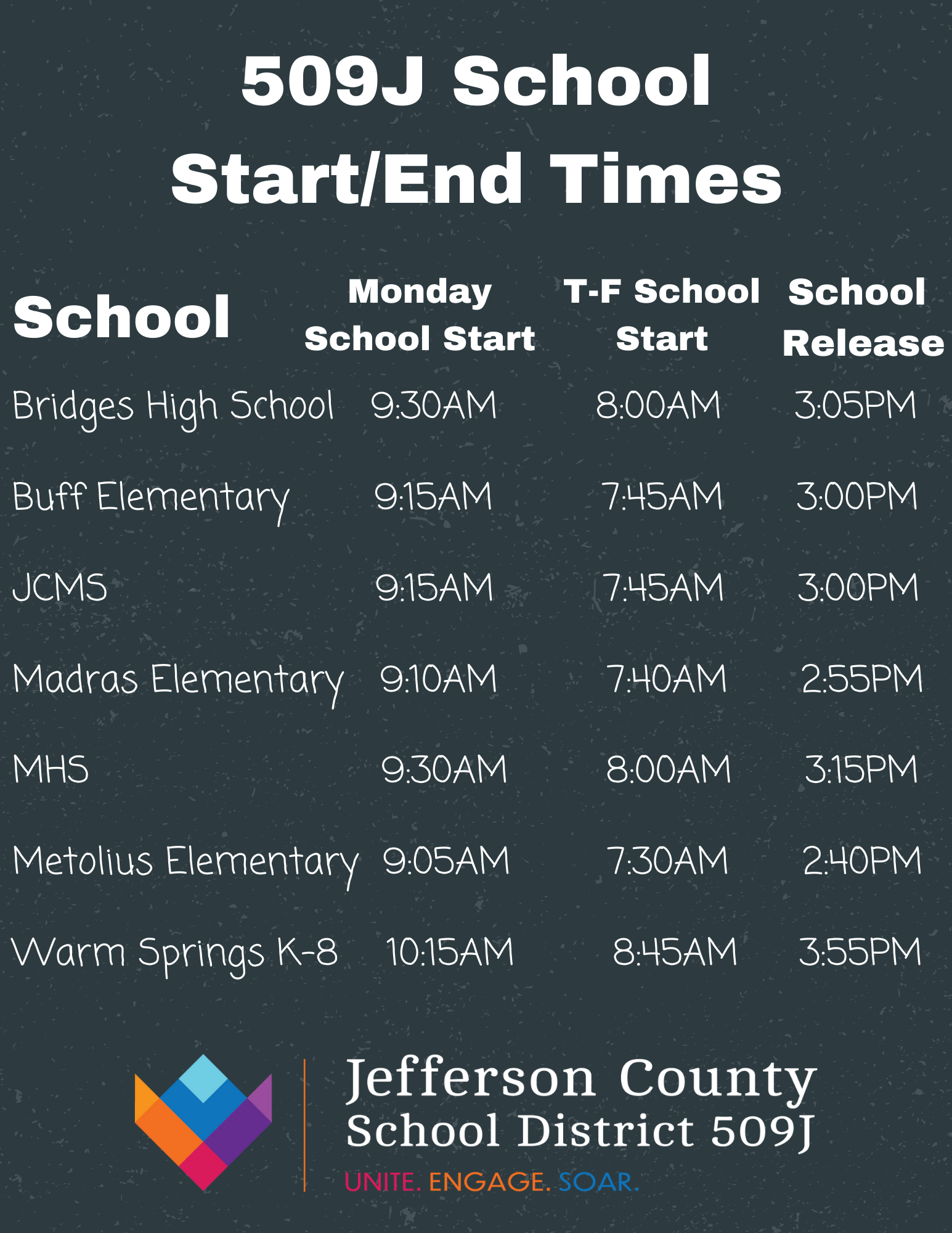
The Back-to-School Rhythm in Oregon
Oregon’s public school systems generally adhere to a late August or early September start for the academic year. This timing is not arbitrary; it’s a carefully considered decision that balances various educational and practical considerations. The traditional post-Labor Day start, for instance, was a long-standing norm, aiming to allow families one last summer hurrah before diving into academics. However, in recent decades, a trend towards earlier starts has become more prevalent across the nation, and Oregon is no exception.
Factors Influencing the Start Date
Several key factors contribute to the determination of when Oregon schools officially open their doors:
- State Education Department Guidelines: While Oregon does not mandate a single statewide start date, the Oregon Department of Education provides general guidance and requirements for school calendars. These often include the minimum number of instructional days and the need for a balanced distribution of learning and breaks throughout the year.
- District Autonomy: Each of Oregon’s public school districts possesses the authority to set its own academic calendar. This means that while the overarching trend might be similar, there can be variations of a week or two between neighboring districts. Factors like local community preferences, the need to accommodate specific agricultural or seasonal events, and the desire to align with community college or university schedules can influence these local decisions.
- Instructional Time and Calendar Design: The modern approach to calendar design often seeks to optimize student learning and minimize prolonged breaks that can lead to knowledge loss (often referred to as the “summer slide”). Many districts are now opting for a calendar that includes more frequent, shorter breaks throughout the year, such as fall and spring breaks, rather than a single long summer vacation. This can influence the initial start date to allow for better spacing of these breaks.
- Teacher Professional Development: Schools often schedule mandatory teacher professional development days just prior to students arriving. These days are crucial for educators to prepare curriculum, engage in training, and collaborate with colleagues. The scheduling of these events naturally precedes the student start date.
- Seasonal Considerations: For some communities, particularly those in more rural or agricultural areas, the start date may subtly align with the end of harvest seasons or other local economic cycles.
The Typical August/September Window
In a typical year, most Oregon public school districts will begin their academic year during the last week of August or the first week of September. This window offers a good balance, allowing for the completion of summer programs, a brief period for families to prepare, and the commencement of instruction while still allowing for a substantial summer break.
Example Timelines:
- Late August Start: Many districts opt to begin classes on the third or fourth Monday of August. This allows for a return to routine before the official start of fall.
- Early September Start: Some districts, often those with a strong tradition of a post-Labor Day opening, will commence classes on the Tuesday or Wednesday following Labor Day.
It is important to note that these are general trends. There can be exceptions, and some districts might choose slightly earlier or later dates based on their unique circumstances.
Navigating District-Specific Calendars
The key to pinpointing the exact start date for any given student lies in consulting the specific calendar of their local school district. This information is readily available and crucial for accurate planning.
How to Find Your School’s Start Date
- District Websites: The most reliable source of information is the official website of your local Oregon school district. Look for sections labeled “Academic Calendar,” “Student Handbook,” “District News,” or “Back to School.” These pages will detail the start dates for all grade levels, as well as important dates for holidays, breaks, and early release days.
- School Websites: Individual schools within a district will also typically post their specific start dates and calendars on their own websites.
- Parent Portals and Communication: Many districts and schools utilize online parent portals or communication systems that will directly notify families about important dates, including the school start date.
- Local News and Community Boards: Local newspapers, community websites, and school district social media pages often publish announcements regarding the upcoming academic year and its start date.
The Role of Charter Schools and Private Institutions
While the general trends discussed above primarily apply to public school districts, charter schools and private institutions in Oregon may have their own distinct calendars. These institutions often have more flexibility in designing their academic schedules to suit their specific educational philosophies or target demographics.
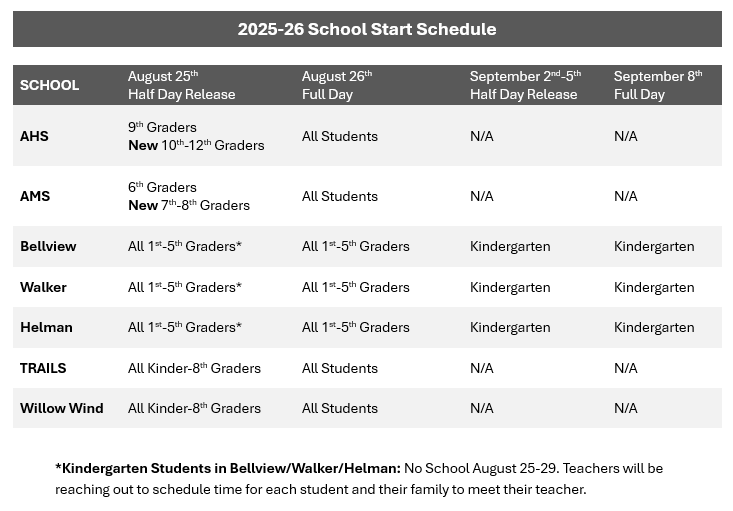
- Charter Schools: Charter schools, operating with greater autonomy than traditional public schools, may choose to start earlier or later than the district average to align with their unique curriculum or program goals.
- Private Schools: Private schools, such as those in Portland or Salem, often have more freedom to set their own start dates. Some may opt for very early starts to accommodate international student programs or specific academic rigor, while others might follow a more traditional schedule. It is always best to check the specific admissions and calendar information provided by the private school in question.
Planning Around the School Calendar
Understanding the school start date is fundamental for a multitude of planning activities that extend beyond academics. For families who enjoy traveling, this date becomes a critical marker for scheduling vacations.
Travel and Vacation Planning
The proximity of the school start date directly impacts the feasibility of late summer getaways.
- Maximizing Summer Travel: Families who wish to take advantage of the final weeks of summer for a vacation often plan trips that conclude just before school begins. This might involve trips to national parks like Crater Lake National Park, coastal towns like Cannon Beach, or even international destinations. Knowing the exact start date prevents overextending the break and ensuring a smooth transition back to school.
- Avoiding Peak Travel Times: Sometimes, the school start date can influence travel patterns. For example, the week leading up to the start of school might see a slight decrease in family travel as parents focus on back-to-school preparations. This can present an opportunity for those seeking less crowded travel experiences.
- “Last Hurrah” Family Activities: The period immediately before school starts is often a time for “last hurrah” family outings, whether it’s a day trip to the Oregon Zoo or a picnic in one of Portland’s many parks.
Preparing for the Academic Year
Beyond travel, the school start date serves as a catalyst for various back-to-school preparations:
- School Supply Shopping: Retailers often begin their back-to-school sales well in advance of the first day. Knowing the start date helps families strategically plan their shopping trips to gather necessary supplies, clothing, and electronics.
- Doctor and Dentist Appointments: It’s common practice for families to schedule routine medical and dental check-ups during the summer months. Completing these appointments before school starts ensures students are healthy and ready to learn.
- Setting Routines: The period leading up to the school start date is ideal for re-establishing bedtime routines, study habits, and daily schedules that may have become more relaxed during the summer vacation. This gradual adjustment helps students transition more smoothly into the demands of the academic year.
- Meet-the-Teacher Events: Many schools host “meet-the-teacher” or open house events in the days or week before the official start. These events allow students to familiarize themselves with their new classroom, meet their teacher, and ease any first-day jitters.
The Educational Calendar and Student Well-being
The timing of the school start date is increasingly viewed through the lens of its impact on student well-being and academic performance. Educators and researchers continue to explore the optimal calendar structures to support learning and prevent burnout.
Balancing Rigor and Rest
The traditional long summer break, while cherished by many, has been the subject of debate regarding its potential contribution to learning loss. This has led some districts to experiment with year-round or modified calendars.
- Year-Round Education: In a year-round model, students attend school for a greater portion of the year but have more frequent, shorter breaks scattered throughout. This approach aims to reduce the impact of extended summer learning loss. While not widespread in Oregon, some districts may explore variations.
- Intersession Breaks: Many Oregon schools now incorporate designated “intersession” or enrichment weeks during the school year, often in the fall, winter, or spring. These breaks can be used for targeted academic support, remediation, or enrichment activities. The placement of these breaks is a key consideration when designing the overall academic calendar, influencing the start and end dates.

The Psychological Transition
The psychological impact of the school start date on students, particularly younger ones, is also a consideration.
- Easing the Transition: A start date that allows for a gradual re-entry into academic life, perhaps with a less intensive first week, can be beneficial. This might involve activities focused on social-emotional learning and building classroom community before diving into demanding coursework.
- Parental Involvement: The start date is also a crucial point for parental engagement. It signals the transition from summer supervision to a more structured educational environment, and parents play a vital role in supporting their children through this change.
In conclusion, while a definitive, singular start date for all Oregon schools does not exist, a strong consensus emerges around the late August to early September window. This period reflects a thoughtful balance of instructional needs, seasonal considerations, and the desire to provide a structured yet adaptable academic year for students across the state. Families are encouraged to consult their local district calendars for precise dates and to leverage this information for effective planning of both academic and recreational pursuits.
LifeOutOfTheBox is a participant in the Amazon Services LLC Associates Program, an affiliate advertising program designed to provide a means for sites to earn advertising fees by advertising and linking to Amazon.com. Amazon, the Amazon logo, AmazonSupply, and the AmazonSupply logo are trademarks of Amazon.com, Inc. or its affiliates. As an Amazon Associate we earn affiliate commissions from qualifying purchases.